Our Featured Collection
Hand‑picked premium works for you
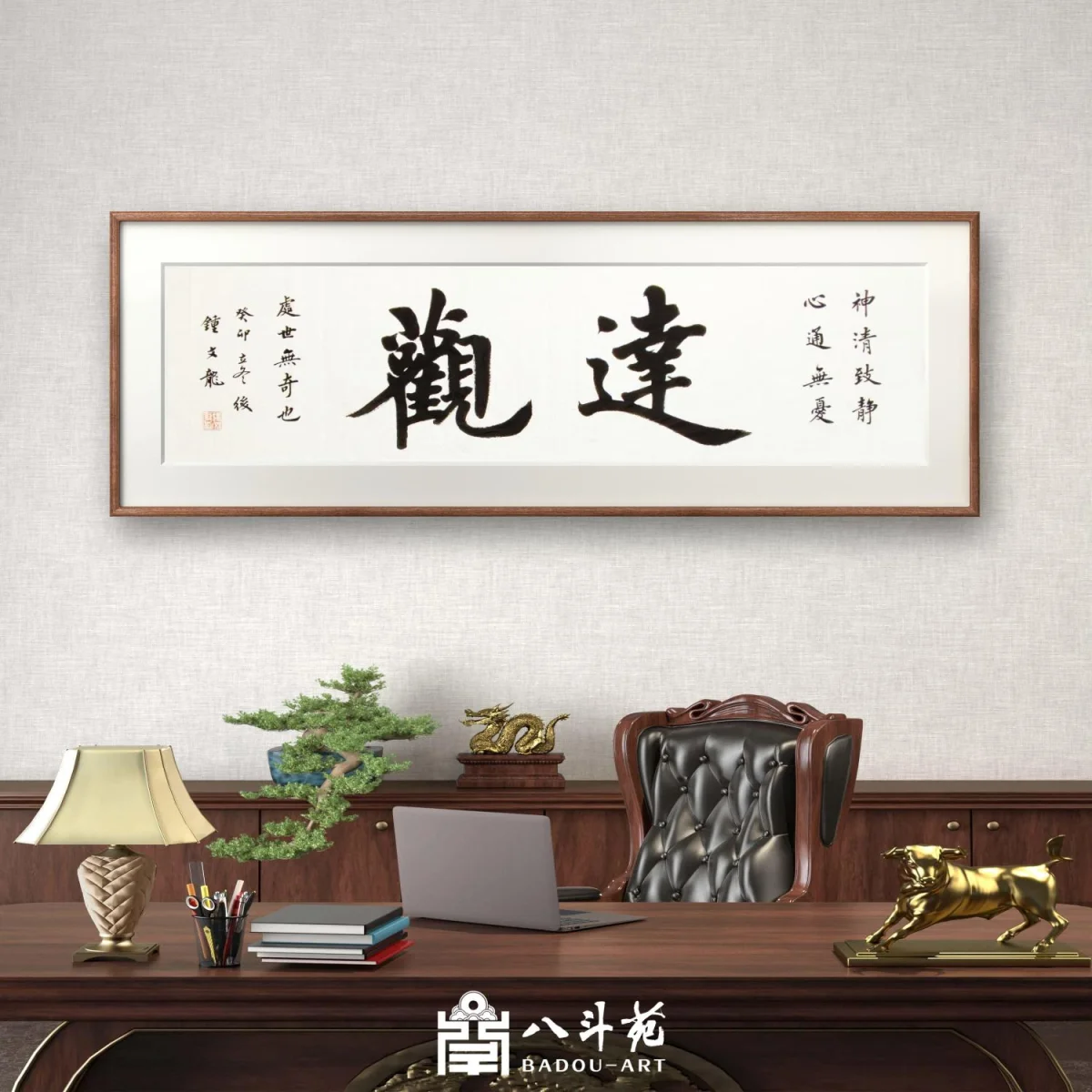
Zhong Wenlong Calligraphy | 达观
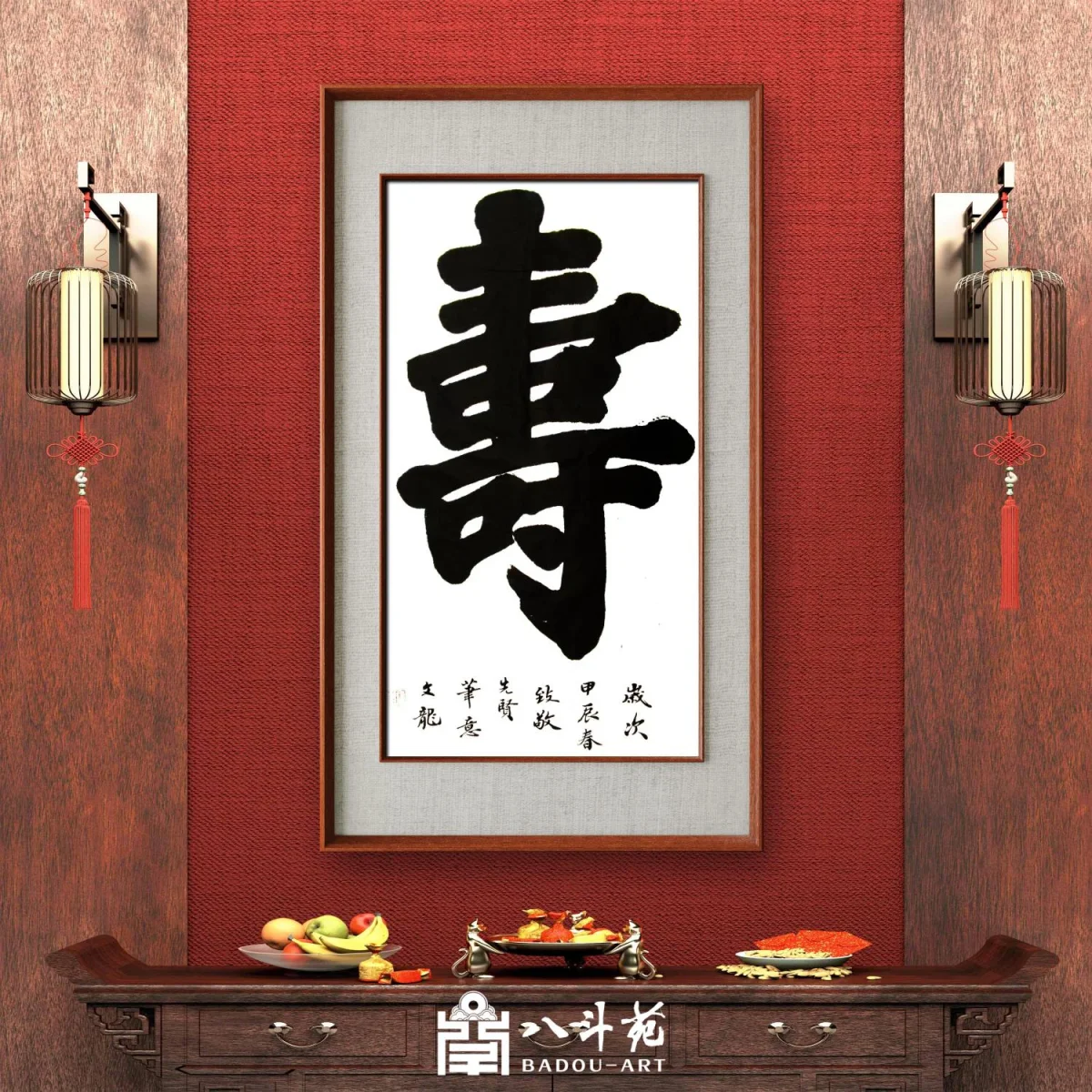
Zhong Wenlong Calligraphy | 壽
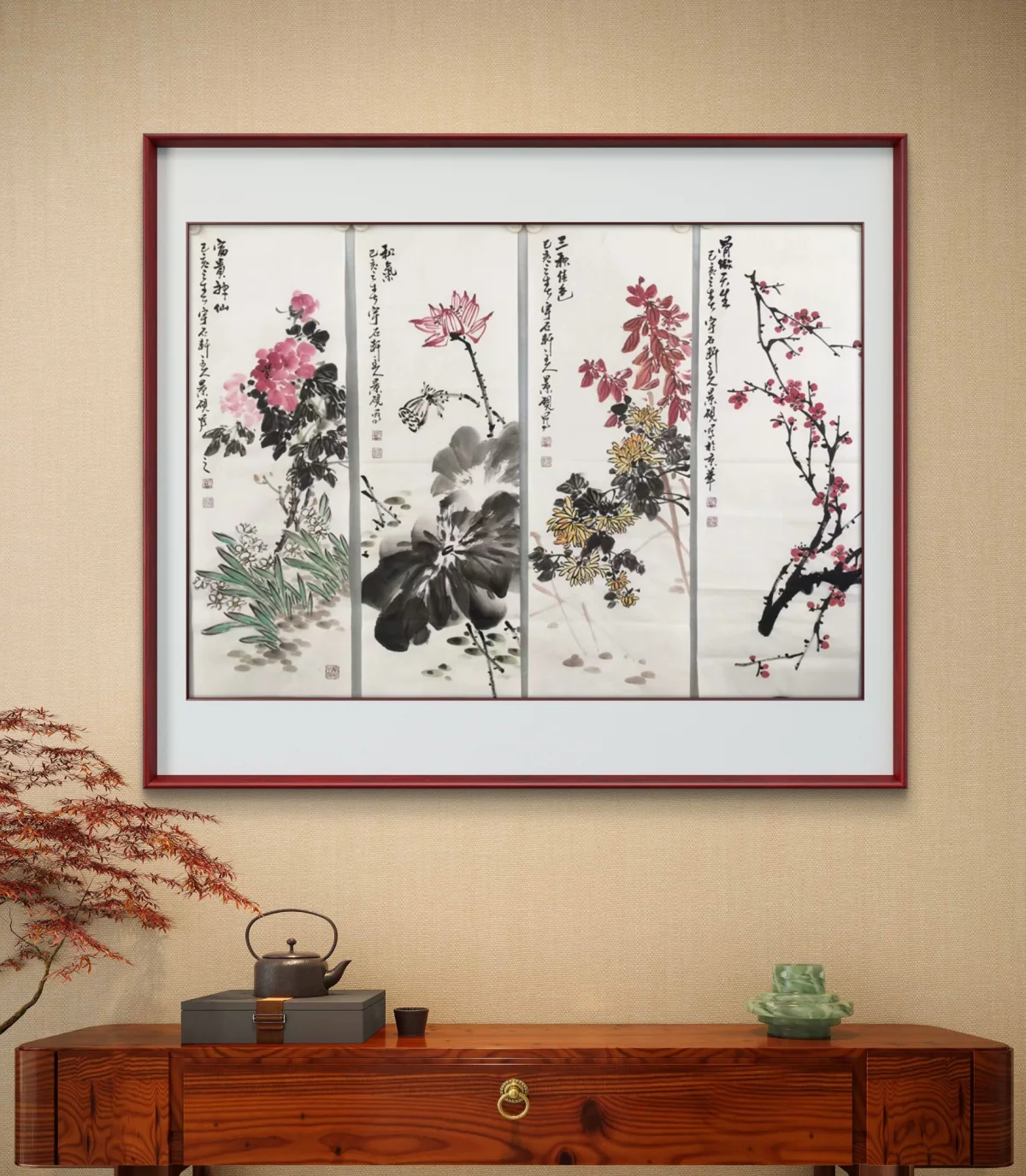
Wu Jingyan Chinese Freehand Painting・Four‑Panel Flower‑and‑Bird Screens(花鸟四条屏)
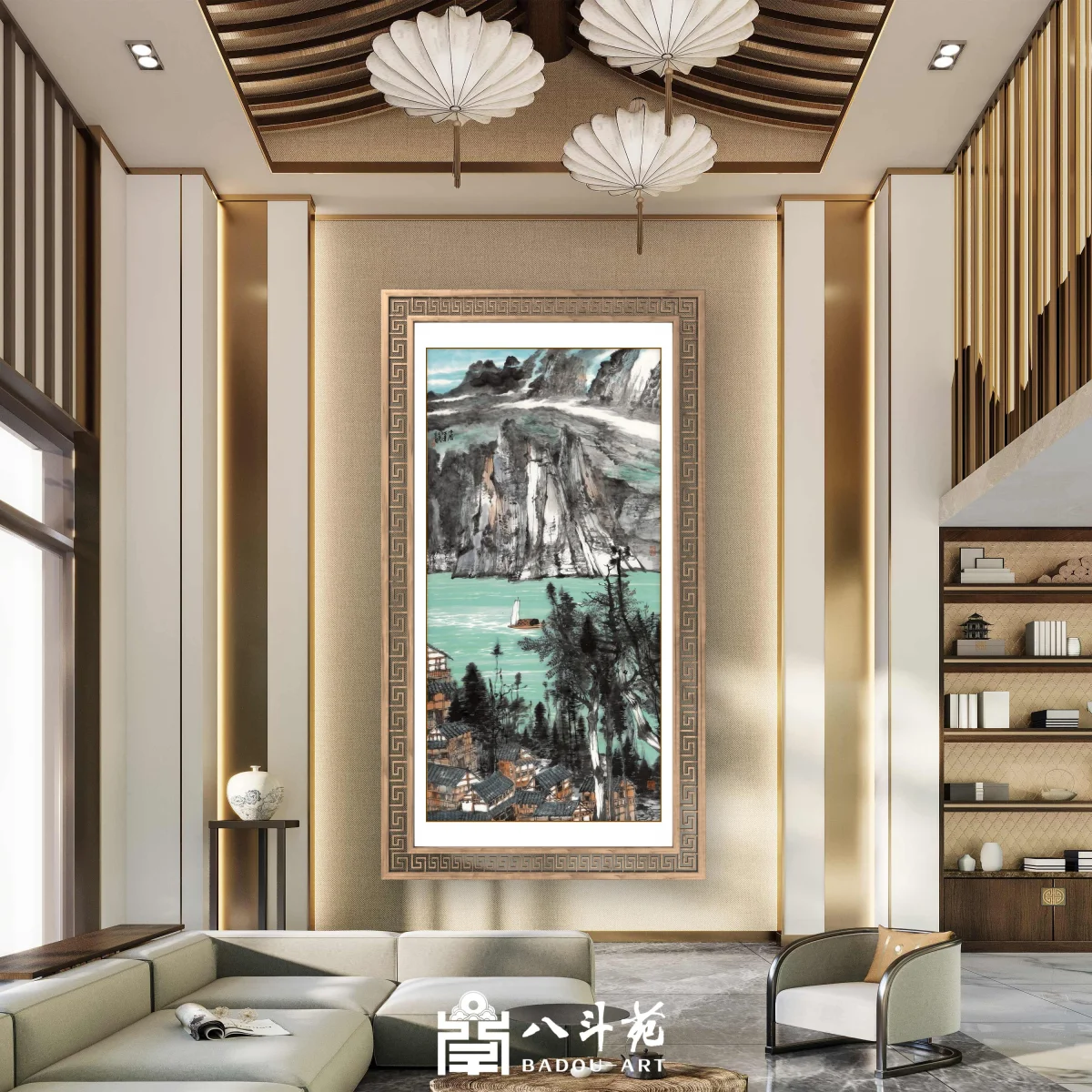
Liu Liyong Landscape Painting | Riverside Mountain Hamlet (山居江远)
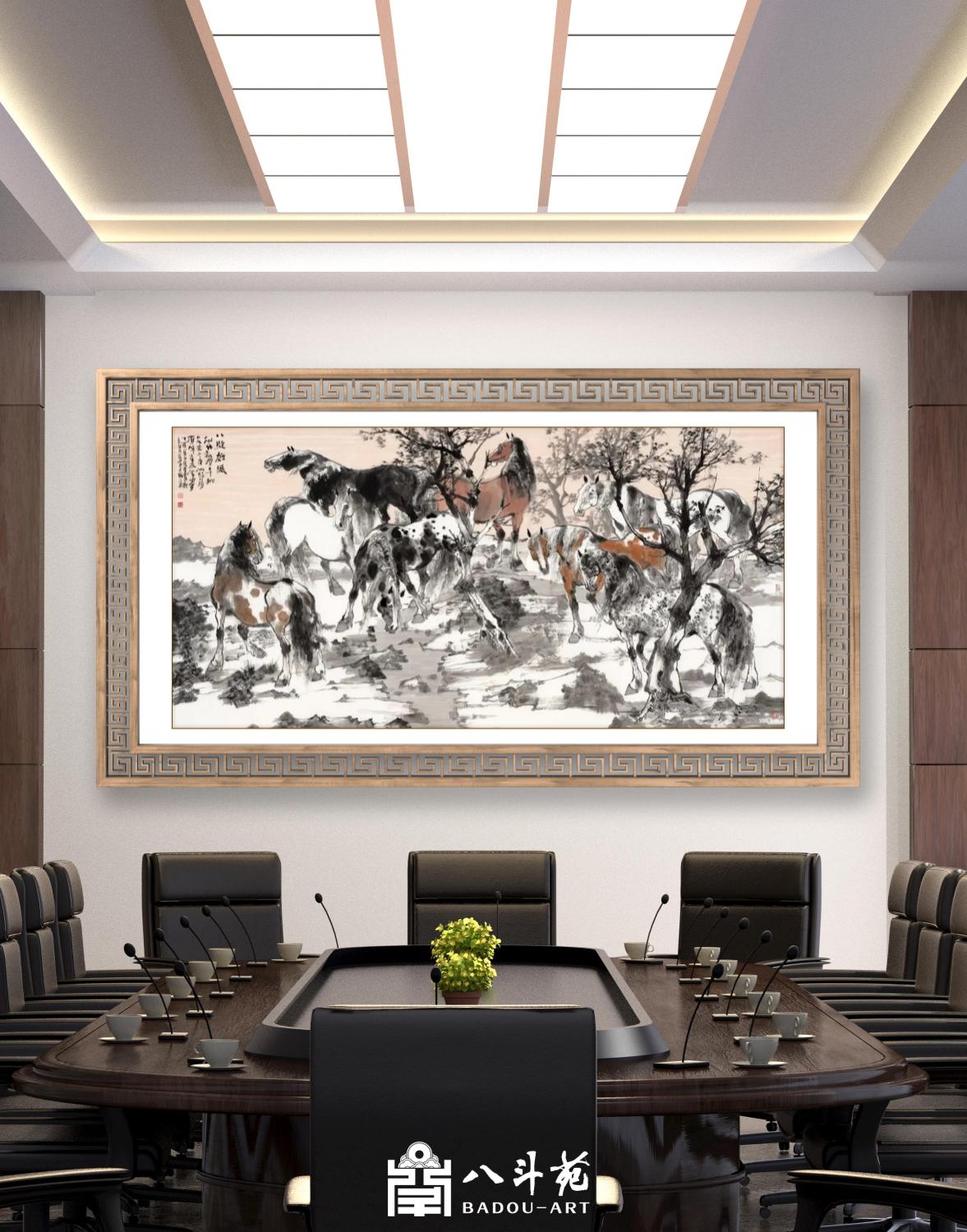
Liu Liyong Animal Painting | Eight Steeds (八骏图)
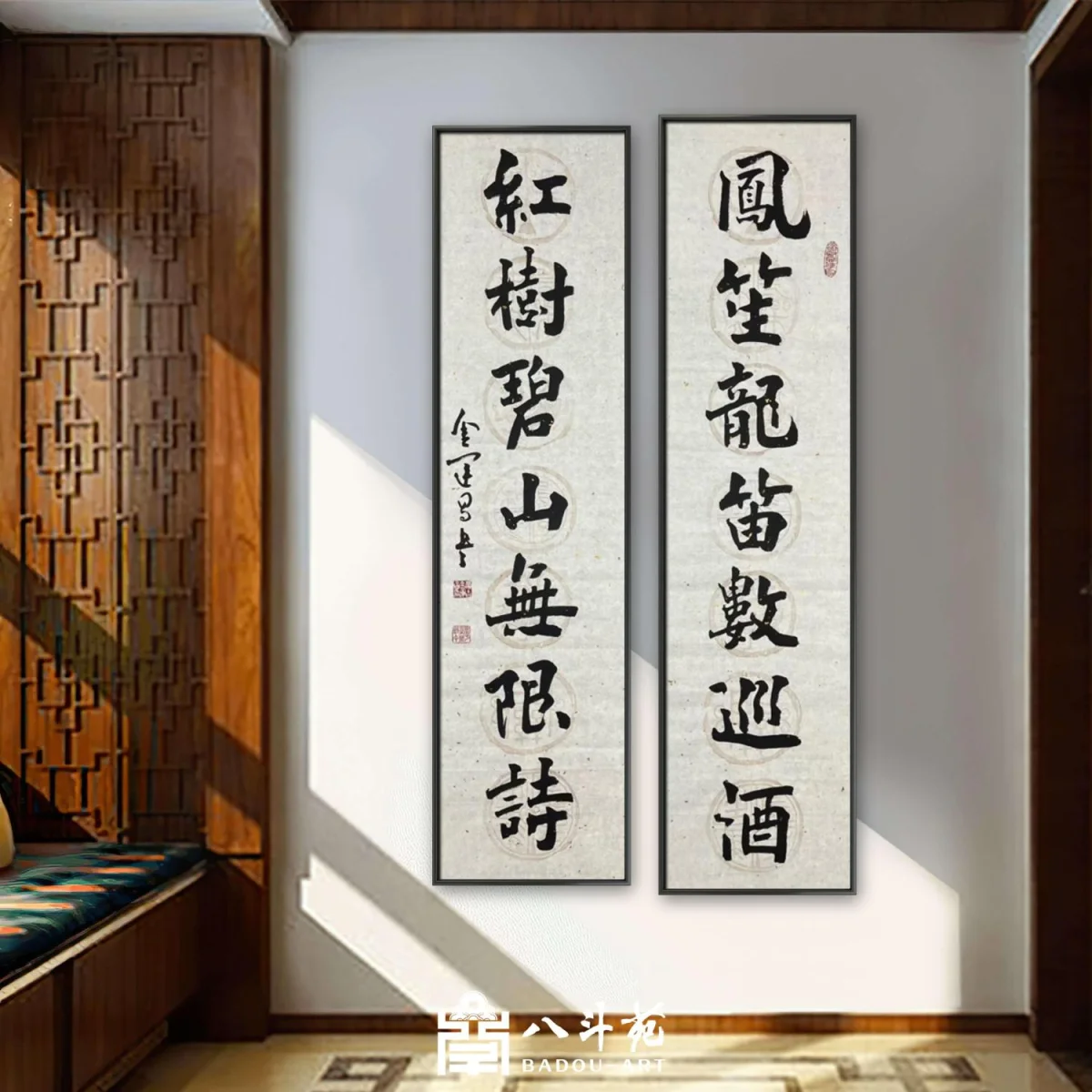
Jin Yunchang Calligraphy | 鳳笙龍笛數巡酒
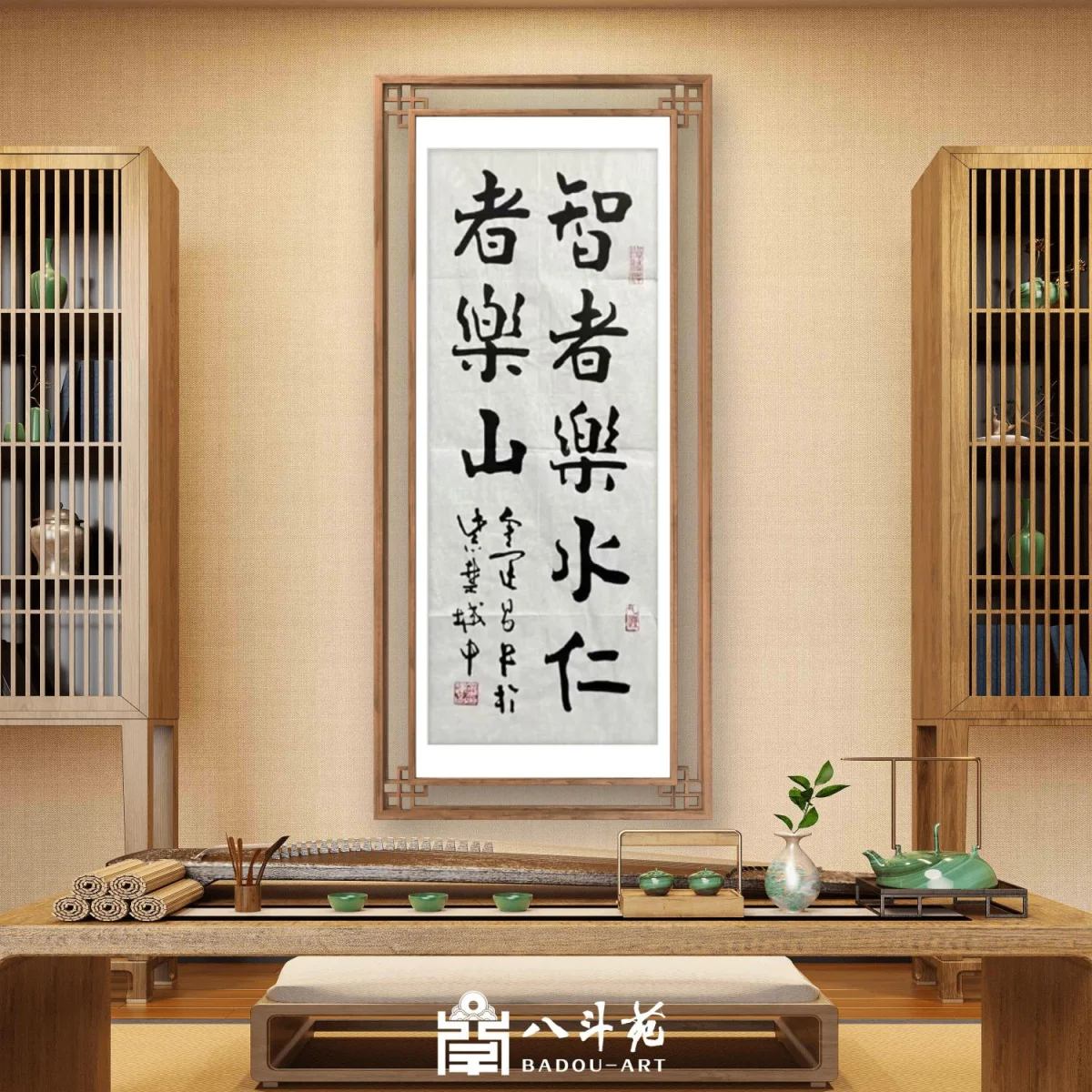
Jin Yunchang Calligraphy | 智者樂水仁者樂山
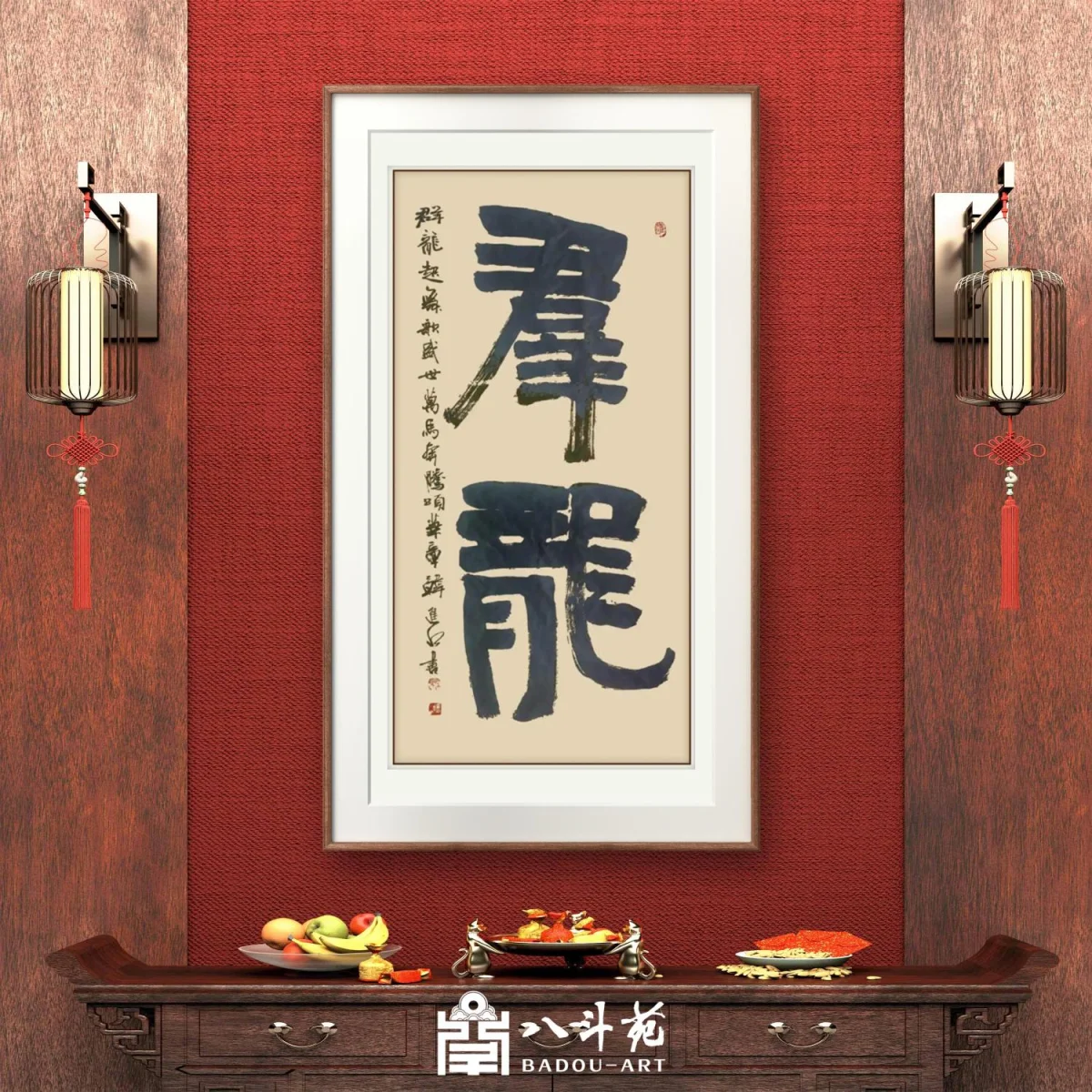
Han Jinshui Calligraphy | 羣龍 (A Group of Dragons)
Why Contemporary Chinese Art Has Strong Growth Potential
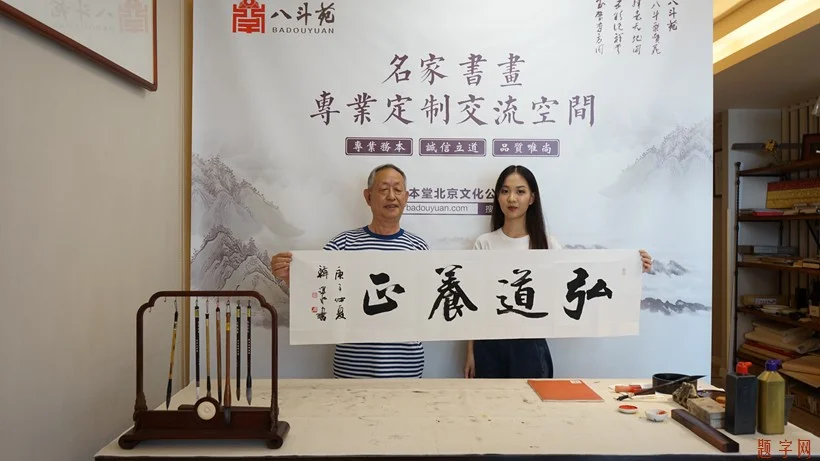
Why Contemporary Chinese Art Has Strong Growth Potential
After booms in real estate and stocks, many Chinese investors are turning to calligraphy and painting. This article explains the market logic behind contemporary Chinese art and how collectors can approach it wisely.
A Market in Transition
Chinese painting and calligraphy account for roughly 60 percent of China’s art market, and the country now counts more than 100 million art collectors. Analysts once projected a potential demand for 16 trillion yuan of art assets by 2020, and the 2017 Global Art Market Report predicted growth of more than 50 percent across China’s core collecting indicators. As one saying among collectors puts it: “As years pass, paintings only rise in value.”
Why Art Appreciates
Art behaves differently from other assets. Since 2000, repeat-sale data suggests annualized returns for Chinese painting and calligraphy have stayed above 20 percent, and the market shows weak or negative correlation with stocks, bonds, real estate, and gold — giving it a useful hedging role in a portfolio.
Supply is the key: around 90 percent of works at auction come from deceased artists, whose output is fixed, and masterpieces often rest permanently in museums or major collections. With supply nearly inelastic, rising demand translates directly into higher prices.
A painting also carries a dual nature. It is an investment, but also a consumer good that brings aesthetic pleasure — and, like a luxury item, it signals taste and status. That is one reason demand tracks personal wealth closely.
The Case for Contemporary Artists
Because demand drives the market, reputation is decisive. Famous masters enjoy wide buyer bases and strong liquidity — the “hard currency” of the Chinese art market. Between 2002 and 2013, works by the top ten artists by average auction price sold through at rates consistently about 10 percent higher than those of artists ranked 41–50.
Yet the most promising segment may be contemporary artists — especially gifted mid-career painters whose prices have not yet been fully discovered by the market. Research suggests that returns on modern and contemporary works exceed those on ancient paintings: ancient works are scarce but often already priced at museum levels, while contemporary works still offer room to grow. Contemporary China also has more working artists and more diverse styles than any earlier era, which rewards careful selection.
How to Start Collecting
For new collectors, the challenge is distinguishing genuine potential from passing fashion. The practical route is to focus on artists with institutional recognition — those exhibited in national museums, honored in national exhibitions, or represented by established academies — and to seek guidance from reputable platforms with access to authentic works.
If you are exploring contemporary collecting, Badou Art’s specialists are happy to help you identify artists and works that match your taste and goals.
Source: https://www.cntizi.com/1277.html