Our Featured Collection
Hand‑picked premium works for you
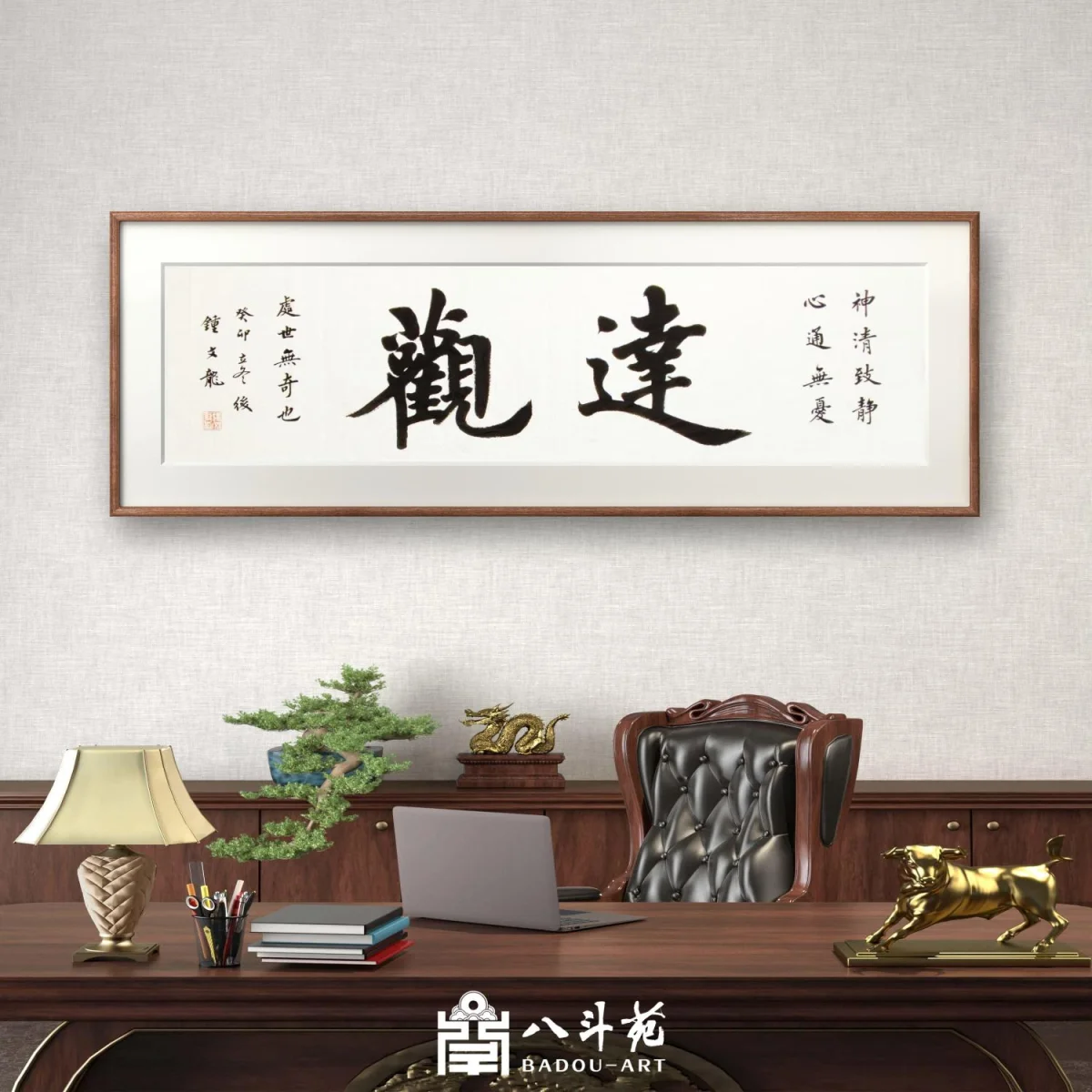
Zhong Wenlong Calligraphy | 达观
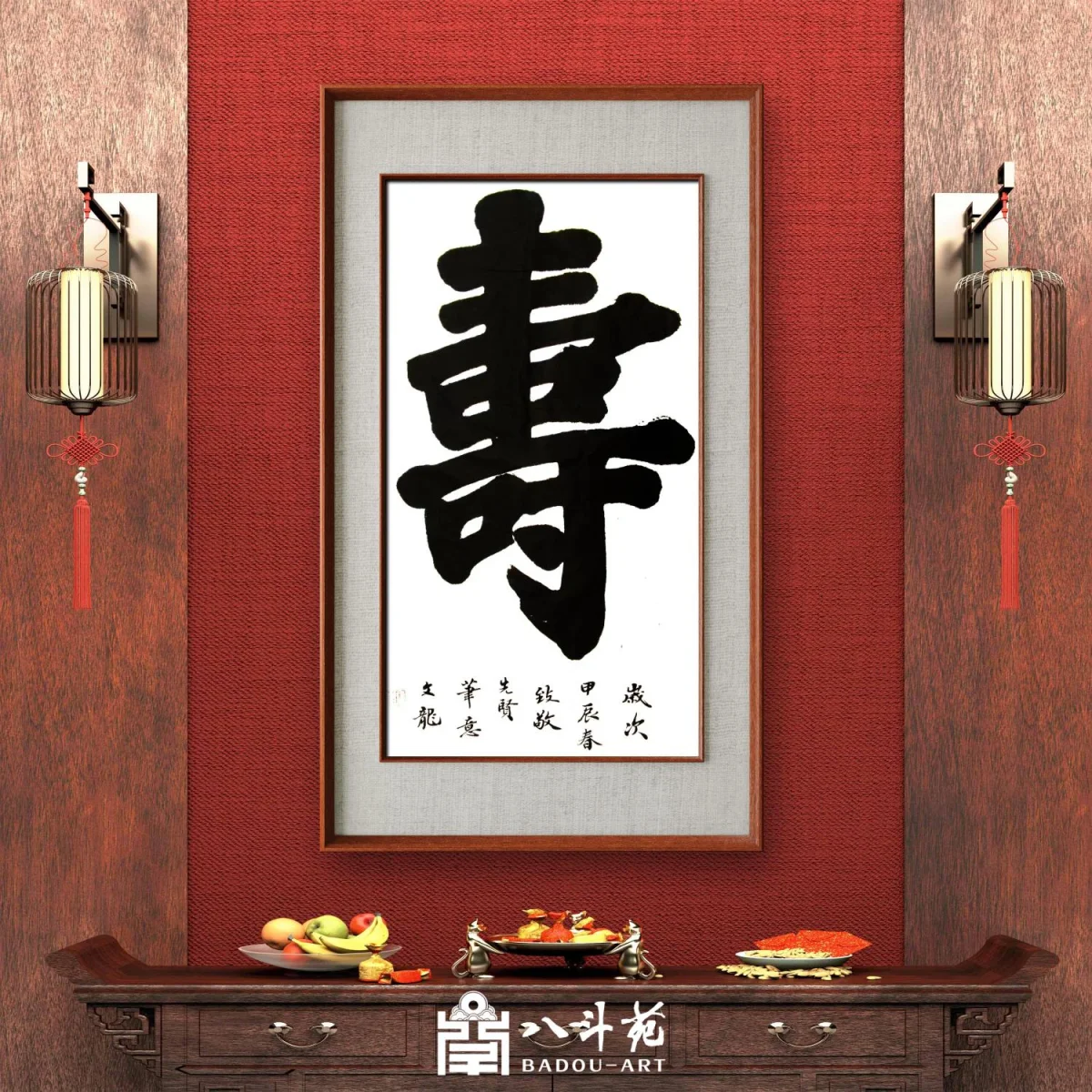
Zhong Wenlong Calligraphy | 壽
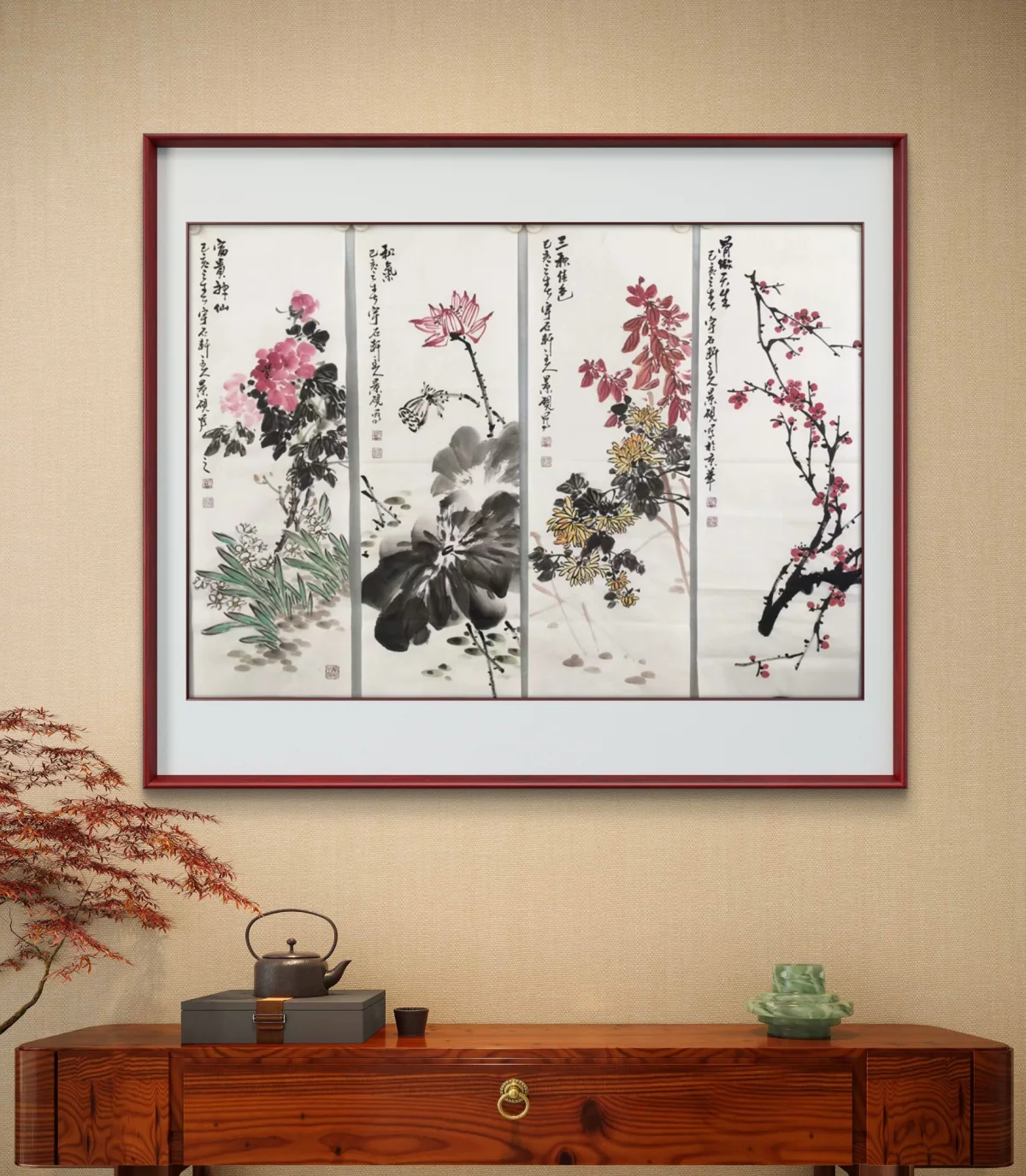
Wu Jingyan Chinese Freehand Painting・Four‑Panel Flower‑and‑Bird Screens(花鸟四条屏)
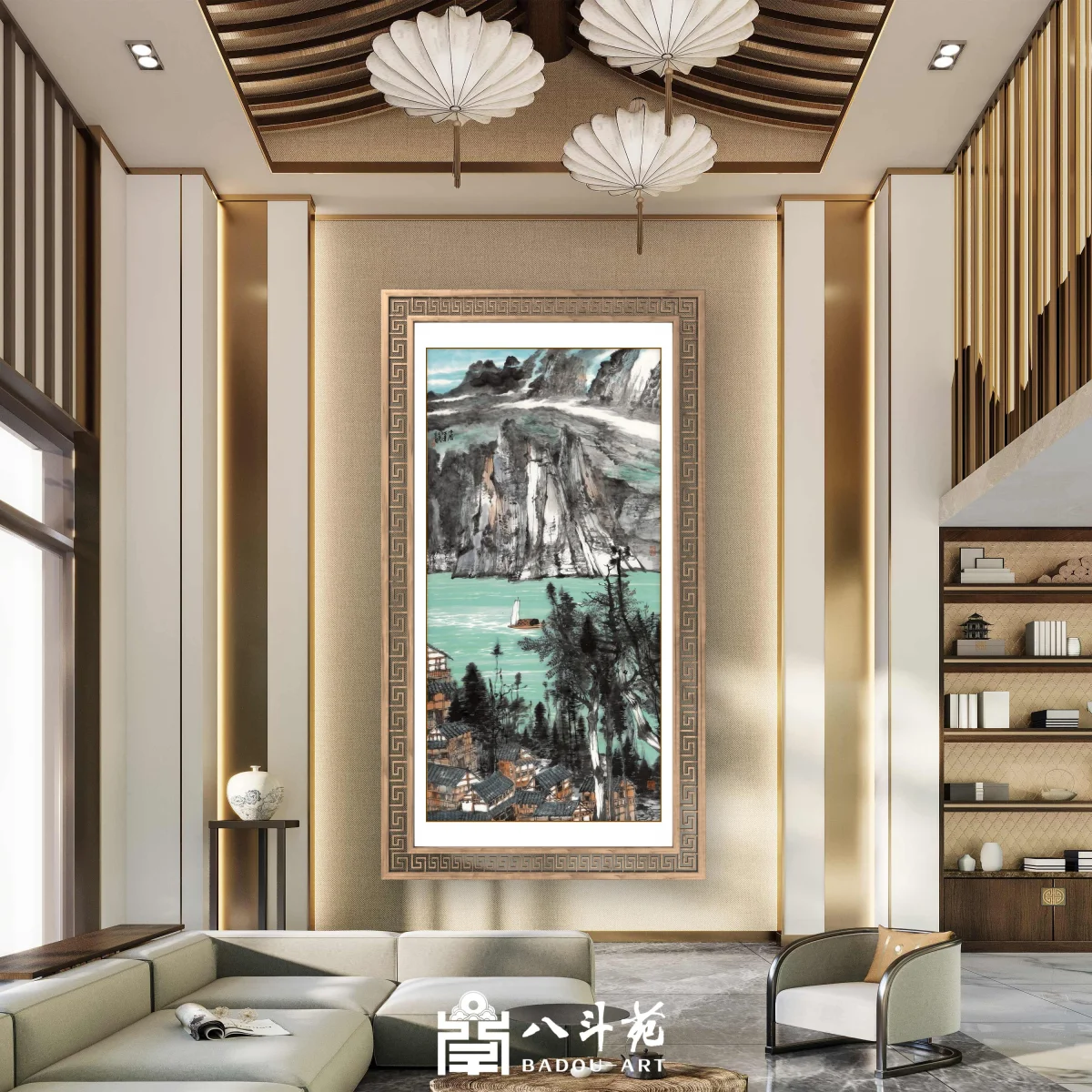
Liu Liyong Landscape Painting | Riverside Mountain Hamlet (山居江远)
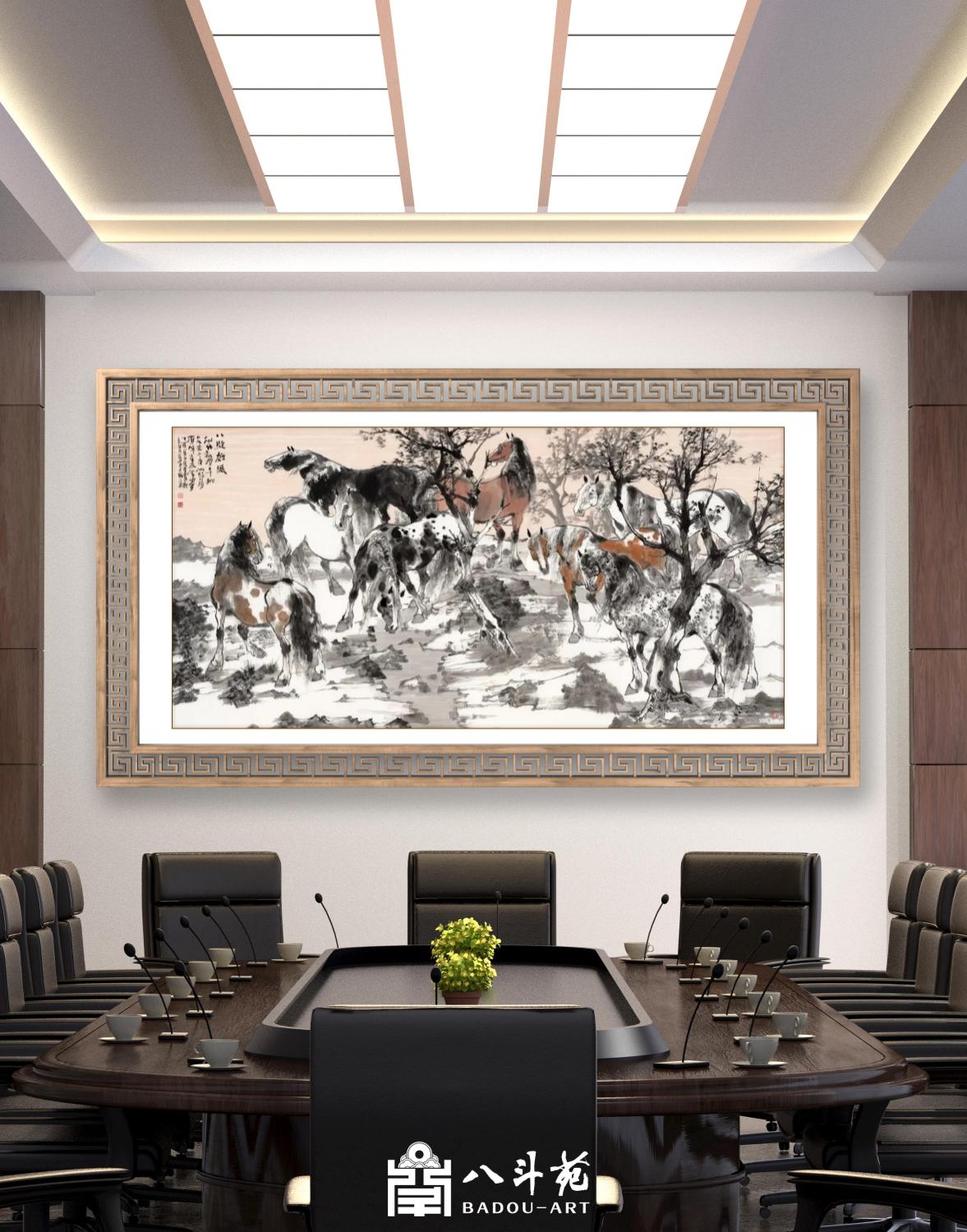
Liu Liyong Animal Painting | Eight Steeds (八骏图)
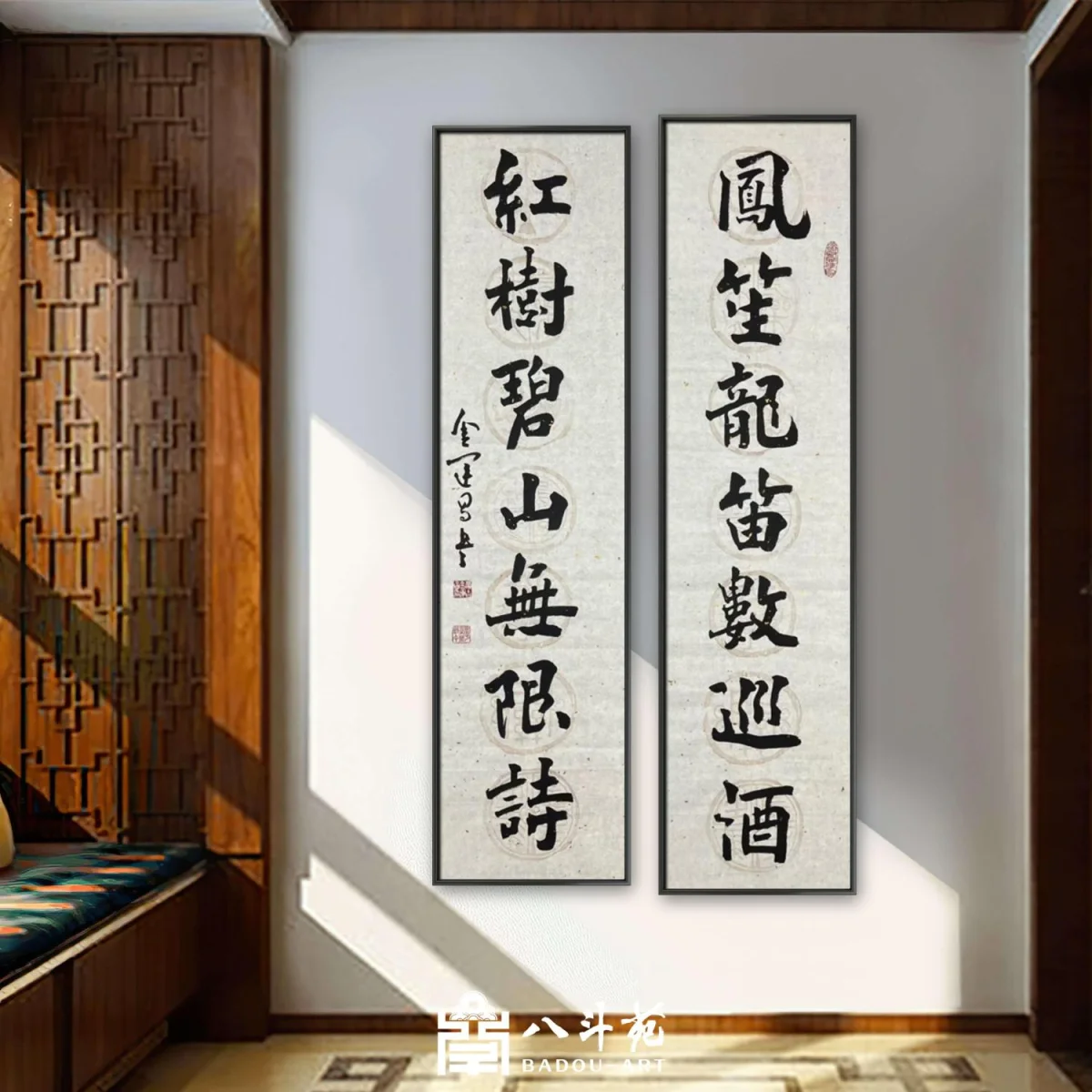
Jin Yunchang Calligraphy | 鳳笙龍笛數巡酒
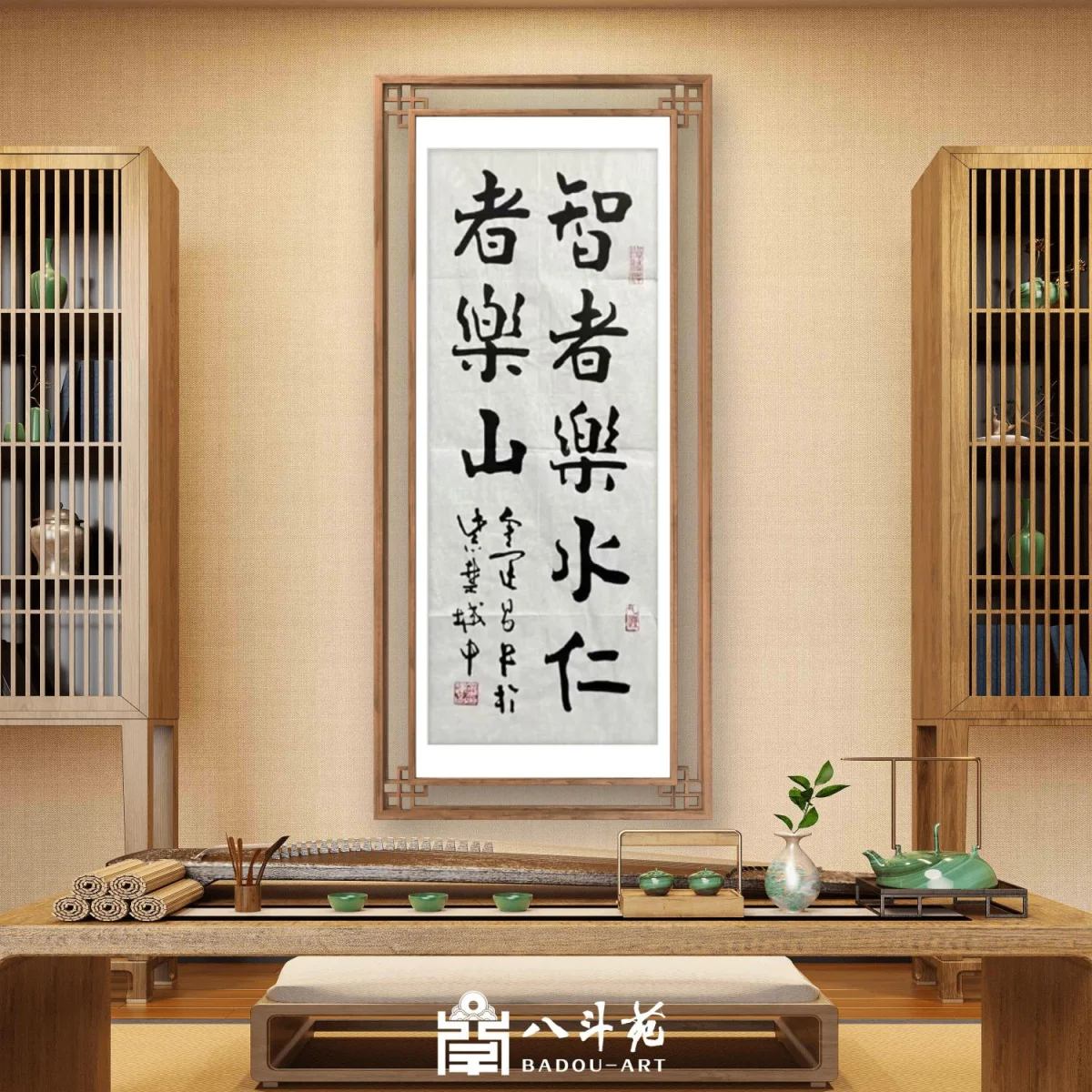
Jin Yunchang Calligraphy | 智者樂水仁者樂山
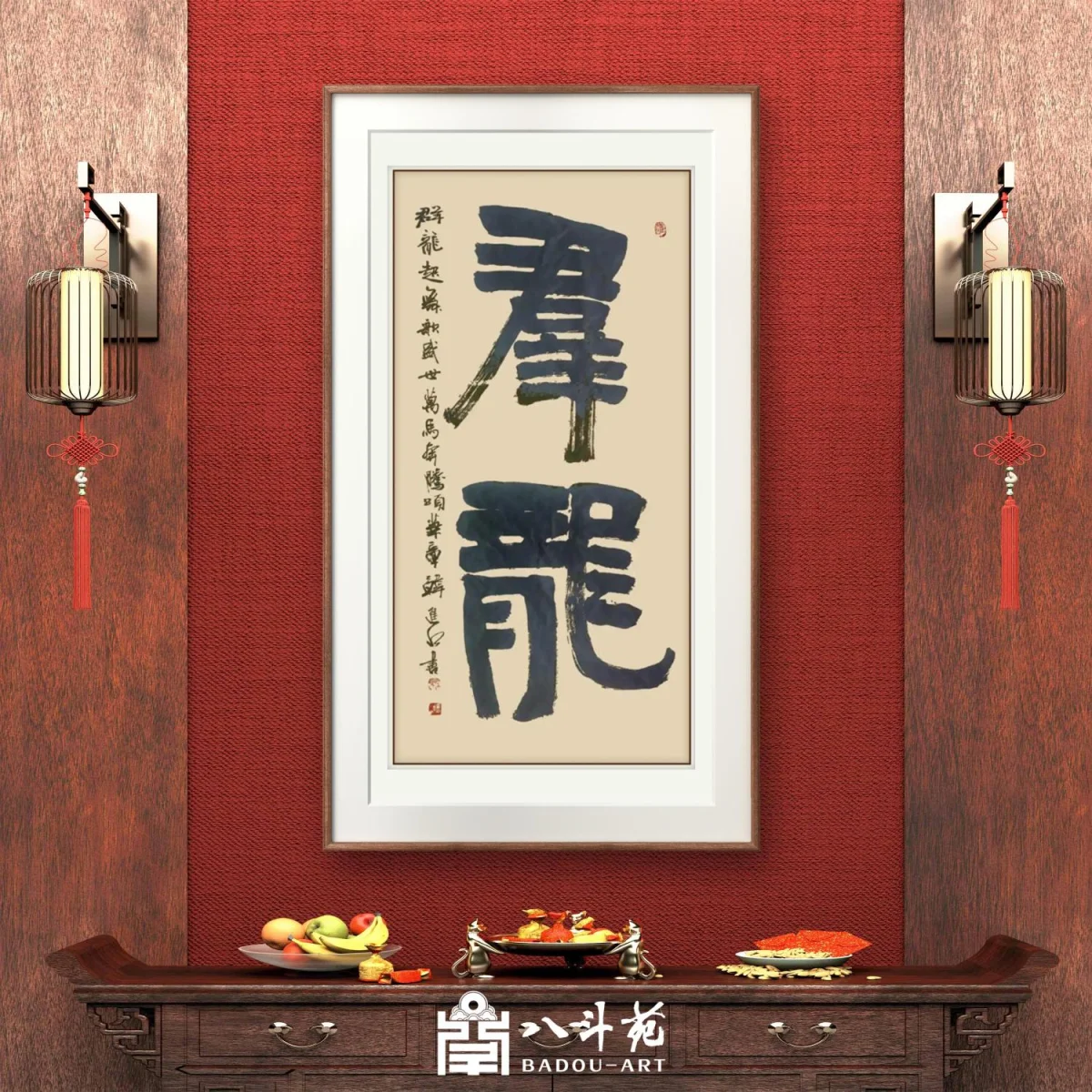
Han Jinshui Calligraphy | 羣龍 (A Group of Dragons)
Five Horses Scroll: A National Treasure’s Journey
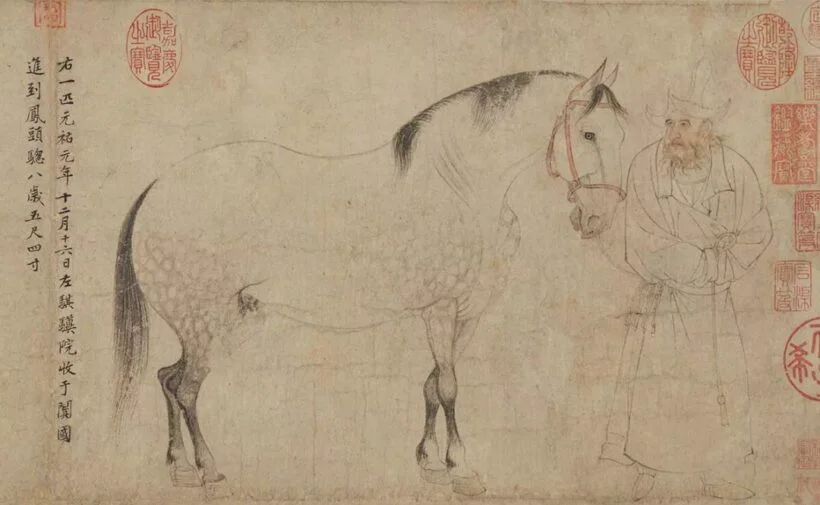
Five Horses Scroll: A National Treasure’s Journey
In 2019, art lovers around the world were stunned when a scroll long declared destroyed during World War II quietly reappeared on a museum website. Li Gonglin’s Five Horses (Wuma Tu) — once praised as the finest painting of the Song dynasty — had survived, and it now belongs to the Tokyo National Museum. Its journey from the Forbidden City to Tokyo is one of the most dramatic stories in Chinese art.
A Masterpiece of Outline Drawing
The scroll was painted by Li Gonglin (李公麟, courtesy name Boshi), the Northern Song master whose baimiao style — pure, rhythmic ink outline without heavy color — transformed Chinese figure and animal painting. The work shows five tribute horses from the Western Regions, each led by a groom, in five linked sections. It is modest in scale (about 29.3 × 225 cm) but immense in reputation.
The scroll carries no signature, yet its authenticity rests on a colophon by Huang Tingjian (黄庭坚), the great calligrapher and a close friend of the artist, dated 1090. Huang’s inscription names four of the horses — Fengtou Cong, Jinbo Cong, Haotou Chi, and Zhaoye Bai — while the fifth, believed to be Manchuan Hua, is identified in a later inscription by the Song scholar Zeng Yu. The Qianlong emperor added his own inscriptions and seals after the work entered the Qing imperial collection.
Out of the Palace
By the early 20th century the imperial treasures were in crisis. In 1921, the Japanese scholar Omura Seigai photographed the scroll at the Beijing residence of Chen Baochen, tutor to the deposed emperor Puyi. The following year it was officially “gifted” to Puyi’s brother Pujie — one of 25 works listed on a single day — part of a scheme that moved more than a thousand imperial artworks out of the palace in under six months. The scroll then traveled to the Japanese concession in Tianjin, where it was quietly offered for sale.
Sold in Tokyo
The decisive step came in 1928, at the Tang-Song-Yuan-Ming masterpieces exhibition in Tokyo. A Fujian official named Liu Xiangye, Chen Baochen’s nephew, carried the scroll to Japan in secret and asked that it be shown to the empress. Two years later, in 1930, Liu sold it for 70,000 yen to Suenobu Michinari, a wealthy industrialist, after the art critic Masaki Naohiko urged him not to let the treasure fall into foreign hands.
“Destroyed” — Then Resurrected
During World War II the scroll was declared burned. The scholar Shimada Shujiro later recalled seeing it before the war in the possession of a Kyoto University law professor — evidence, some believe, that it survived. The mystery held until the end of 2019, when the Tokyo National Museum listed the Five Horses in its exhibition “Yan Zhenqing: Calligraphy Beyond Wang Xizhi.” The museum then announced a 2022 exhibition of Song painting and calligraphy in which the scroll would be shown for just 27 days, from October 18 to November 13.
Why It Matters Today
For collectors, the Five Horses is a case study in provenance: authenticated by a contemporary colophon, tracked through imperial catalogues such as the Shiqu Baoji, and followed across borders through diplomatic archives. It is also a reminder of how much of China’s heritage scattered in times of turmoil — and how rarely such works ever resurface.
If this story inspires you to explore traditional painting for your own collection, Badou Art’s specialists are happy to guide you through commissioned work.
Source: https://www.cntizi.com/3573.html