Our Featured Collection
Hand‑picked premium works for you
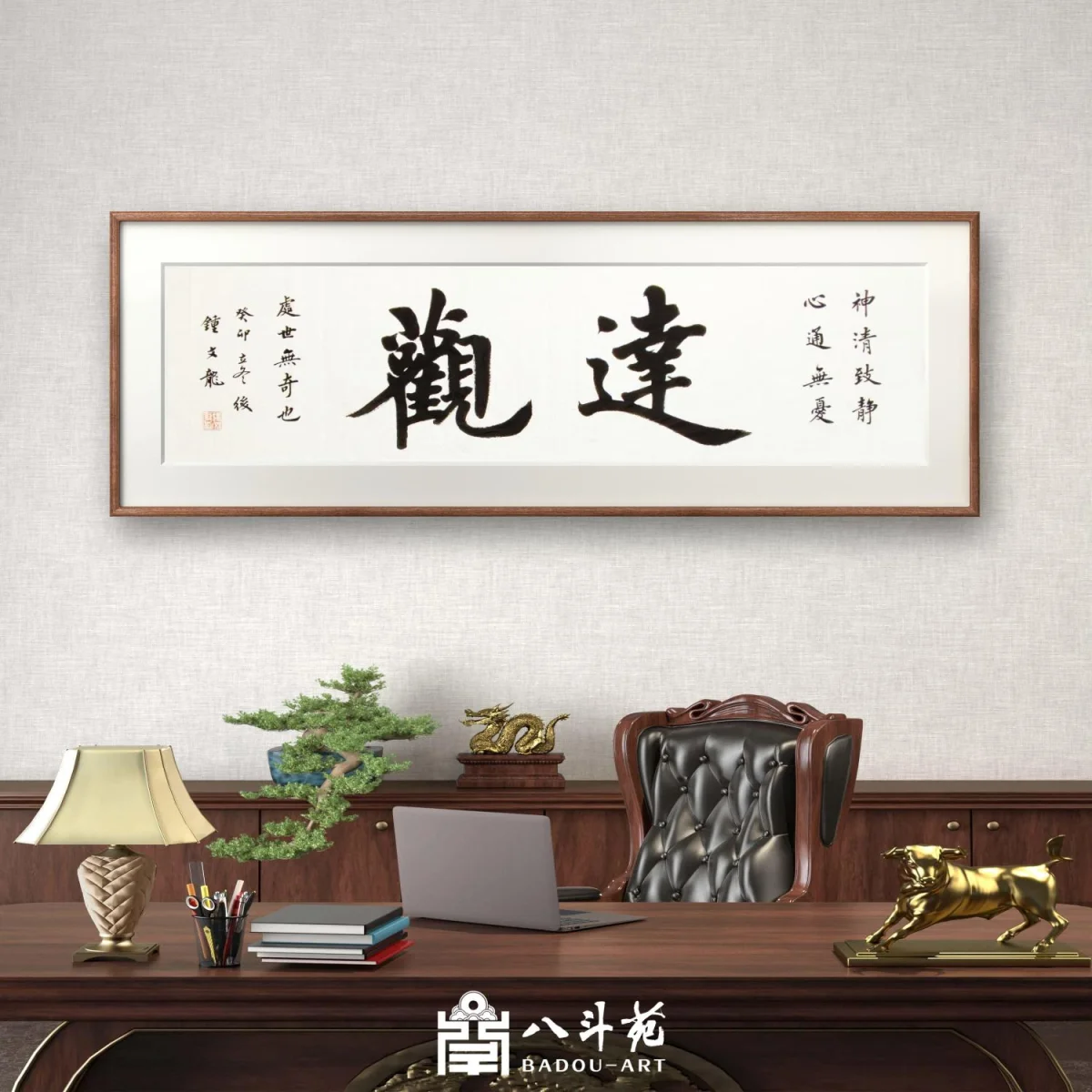
Zhong Wenlong Calligraphy | 达观
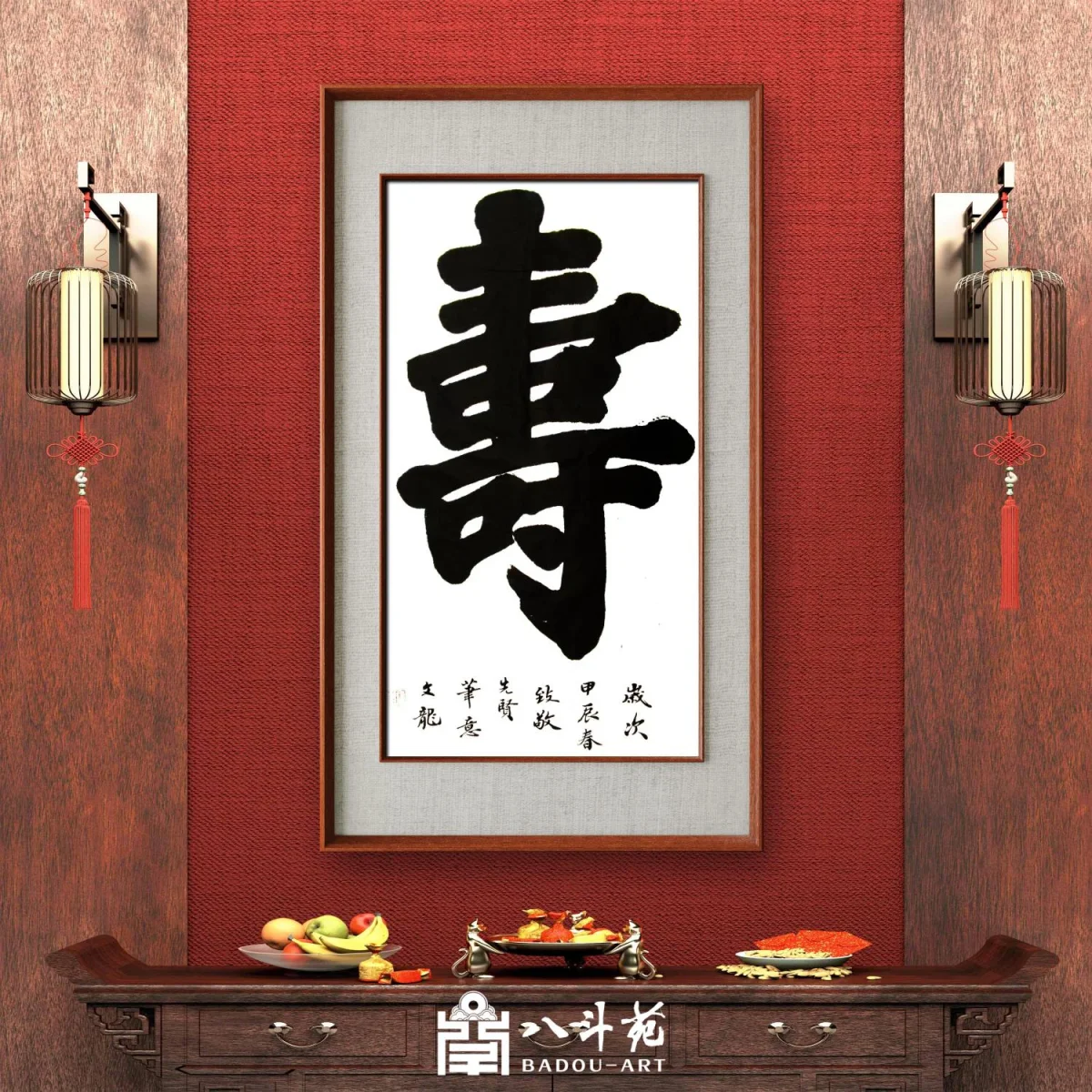
Zhong Wenlong Calligraphy | 壽
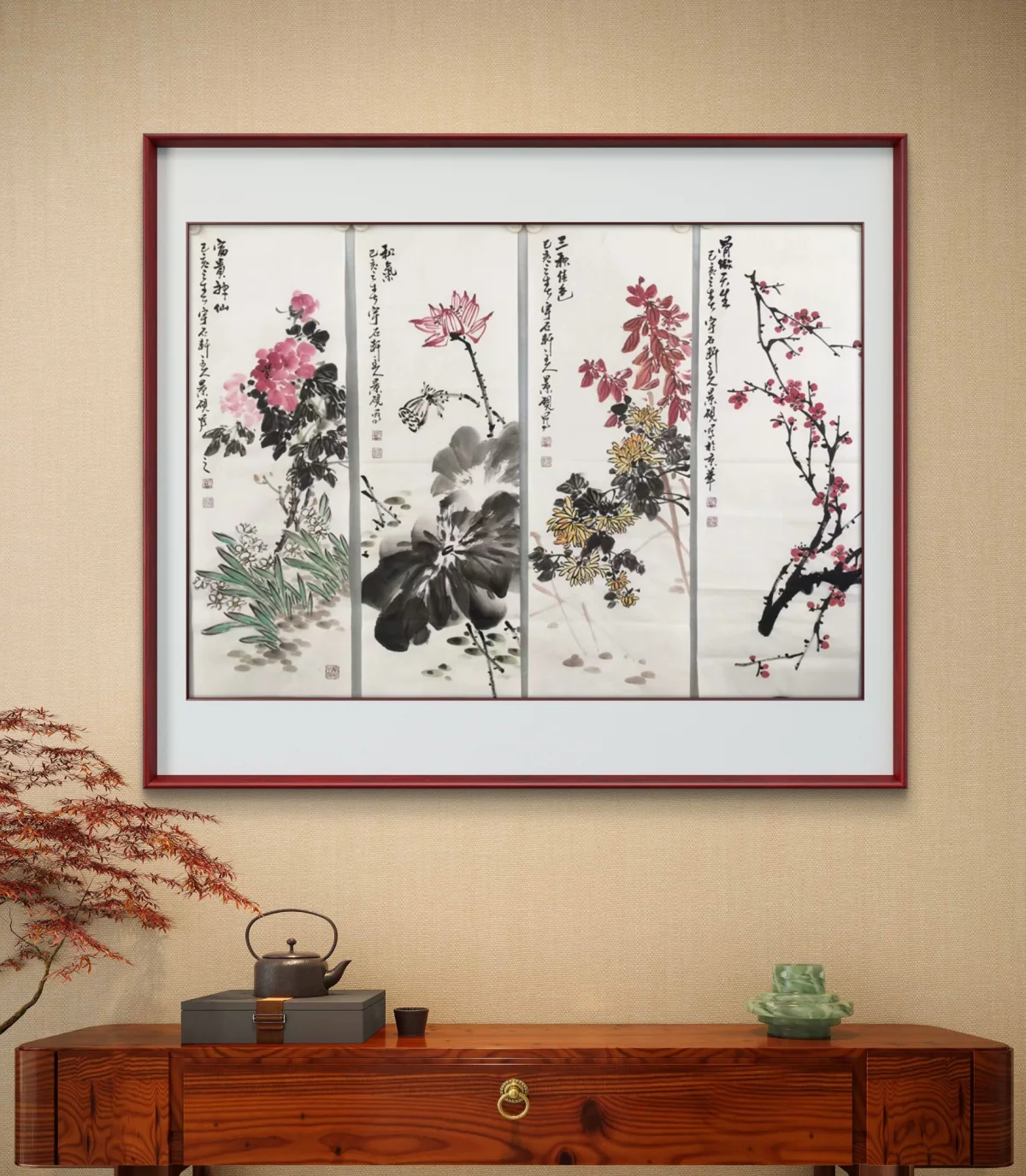
Wu Jingyan Chinese Freehand Painting・Four‑Panel Flower‑and‑Bird Screens(花鸟四条屏)
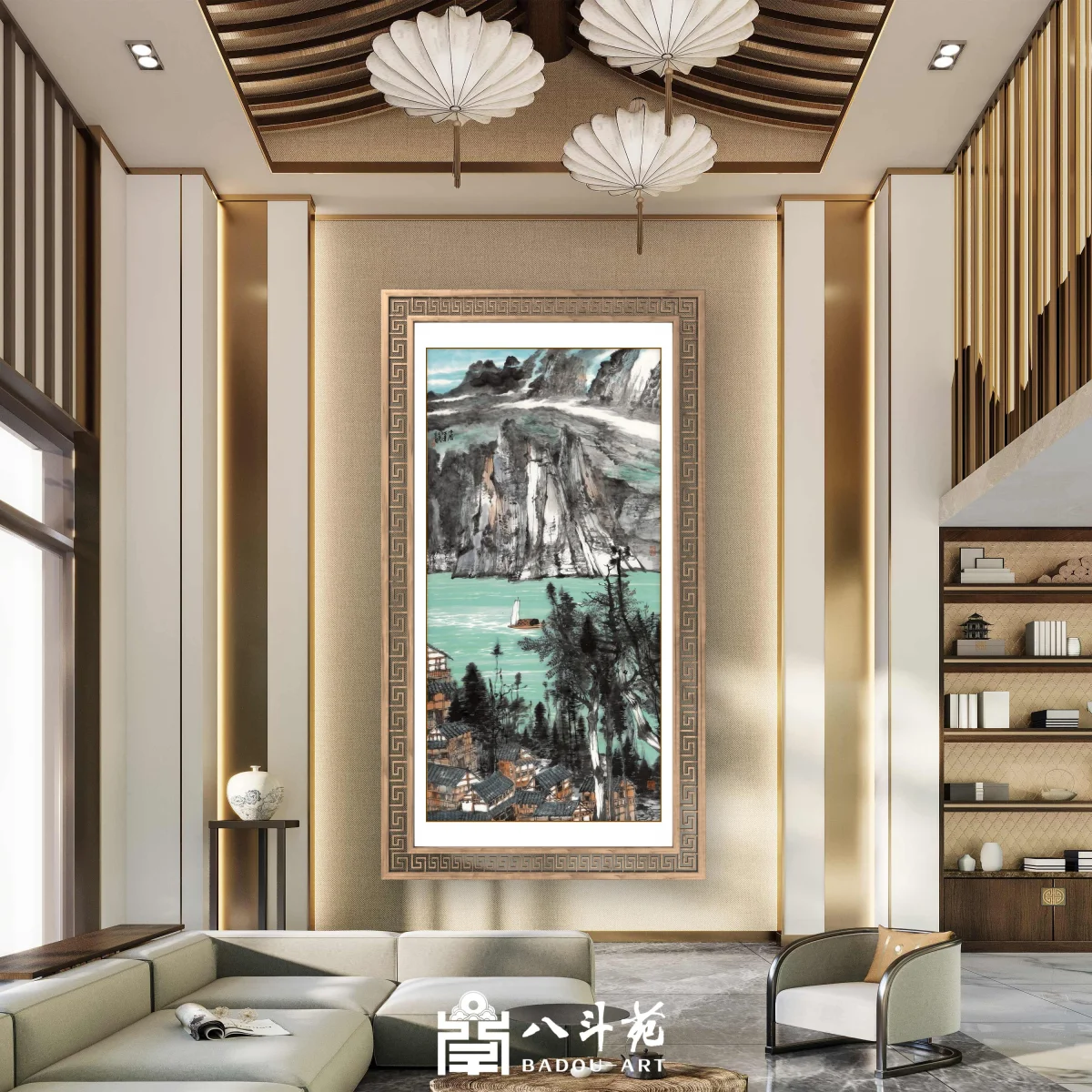
Liu Liyong Landscape Painting | Riverside Mountain Hamlet (山居江远)
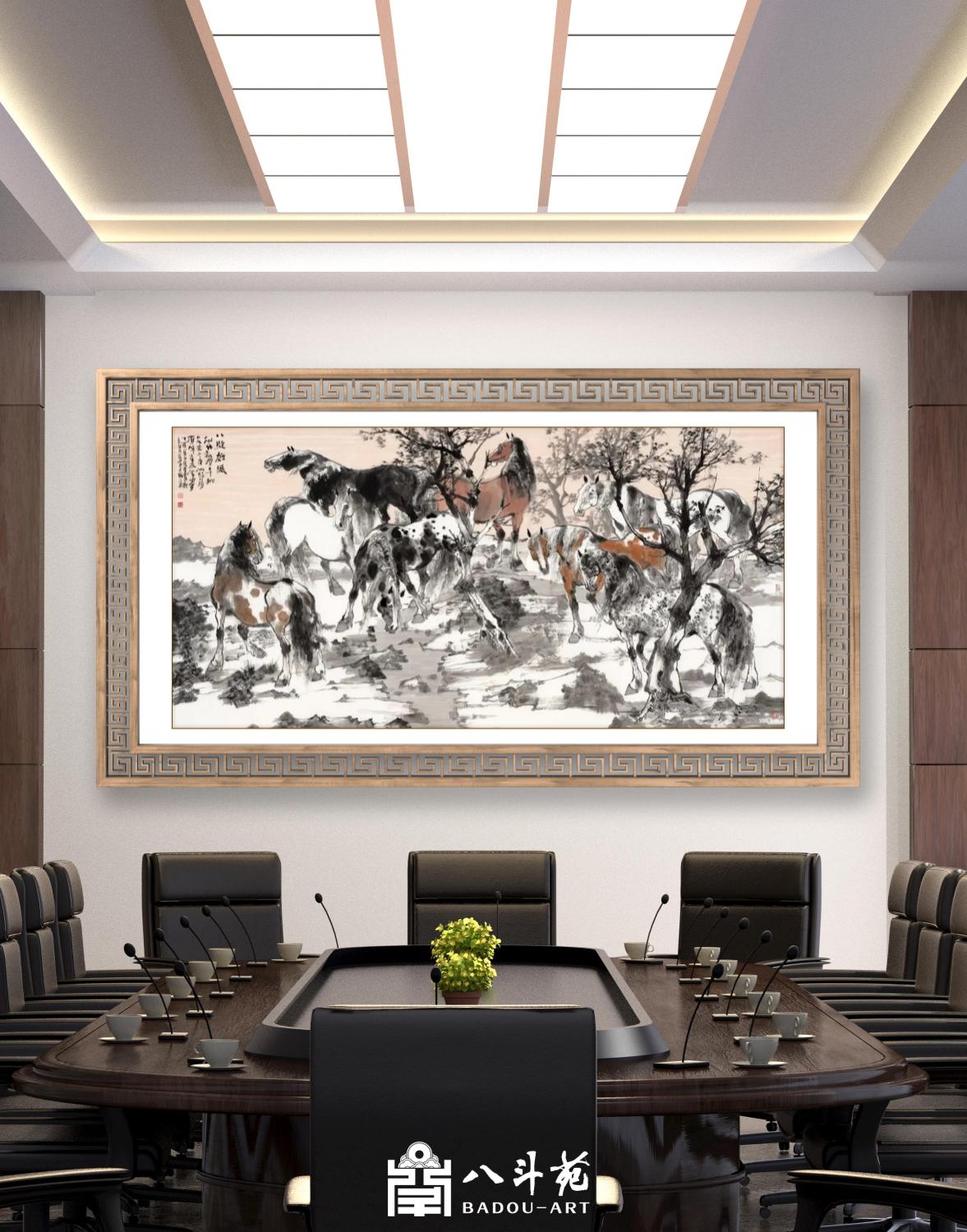
Liu Liyong Animal Painting | Eight Steeds (八骏图)
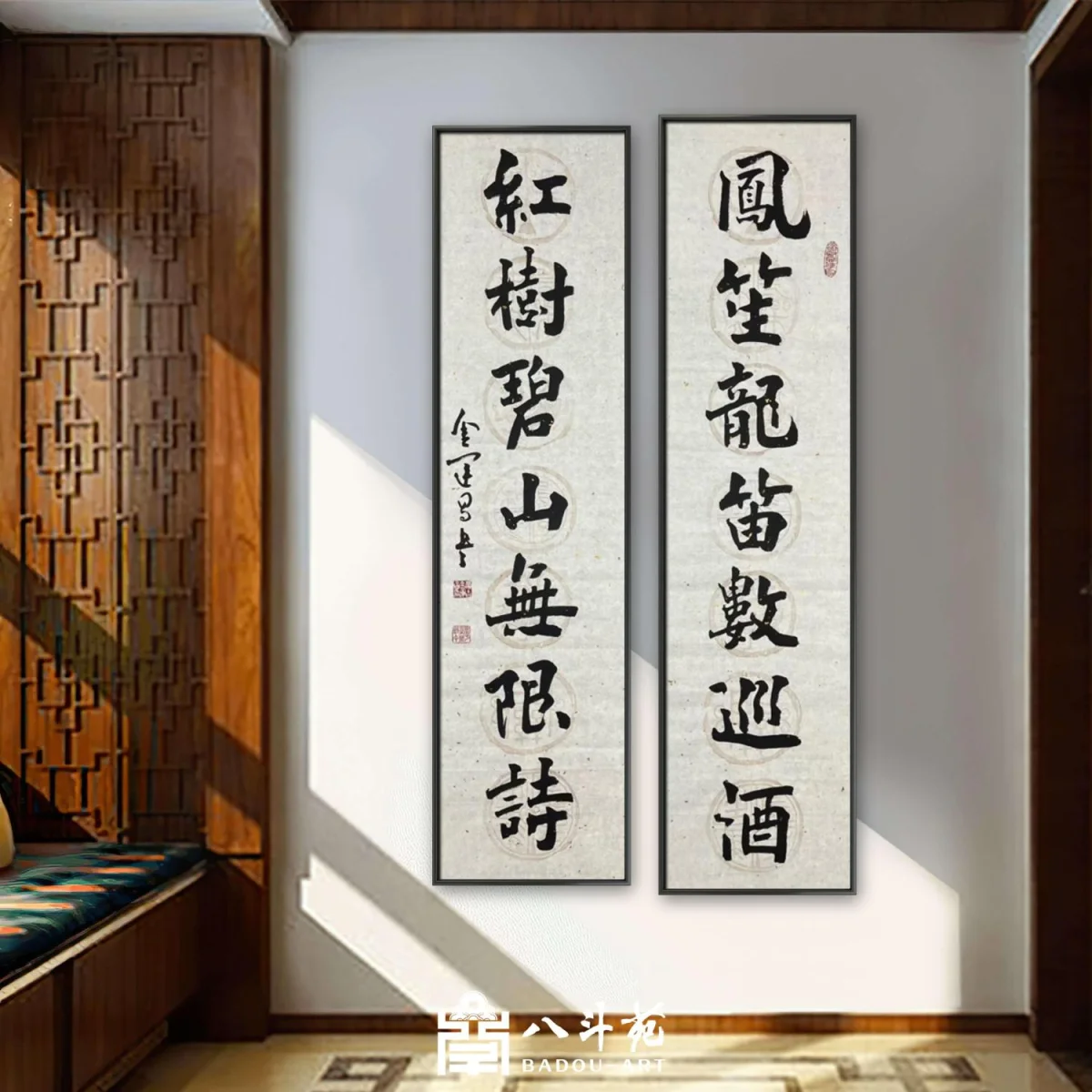
Jin Yunchang Calligraphy | 鳳笙龍笛數巡酒
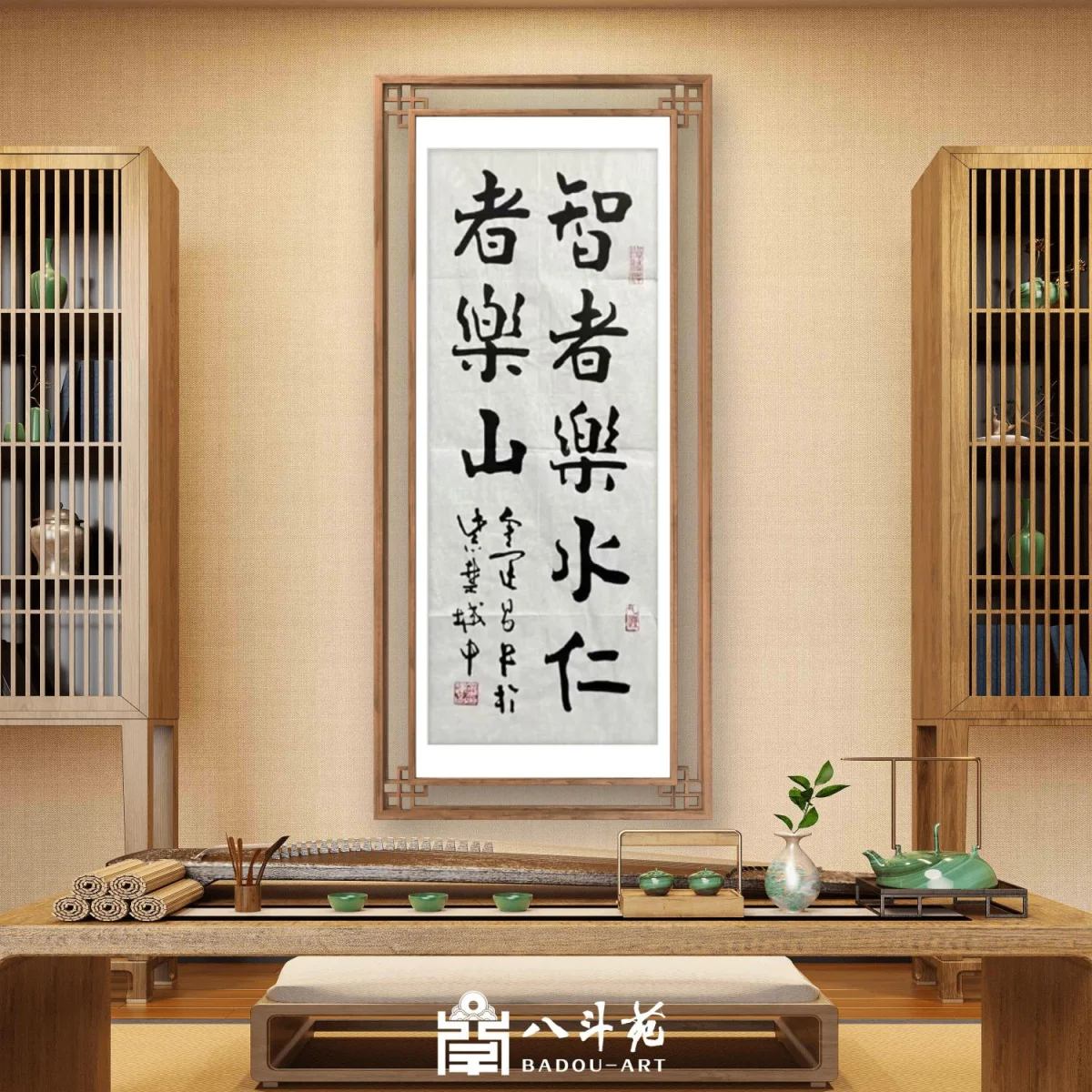
Jin Yunchang Calligraphy | 智者樂水仁者樂山
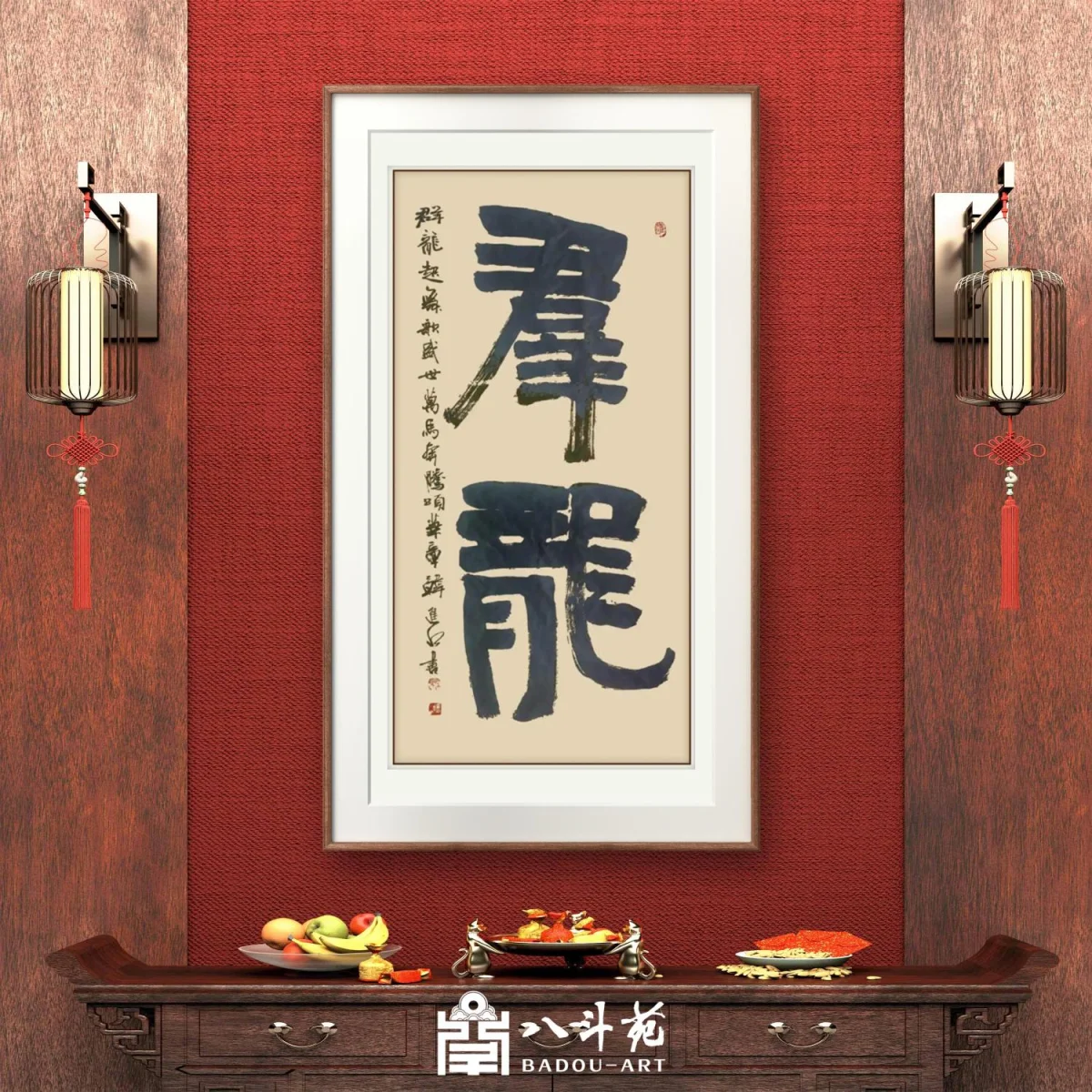
Han Jinshui Calligraphy | 羣龍 (A Group of Dragons)
Four Treasures of the Study: Brush, Ink, Paper, Inkstone
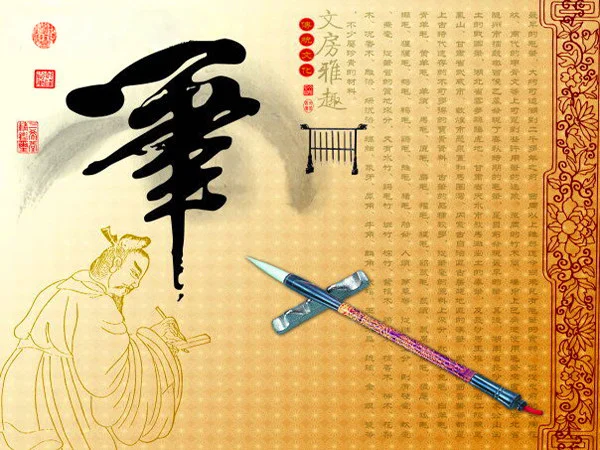
Four Treasures of the Study: Brush, Ink, Paper, Inkstone
For more than a thousand years, Chinese scholars, painters, and calligraphers have worked with four essential tools: the brush, ink, paper, and inkstone — together known as the Four Treasures of the Study (wenfang sibao). The name dates to the Northern and Southern Dynasties (420–589), when wenfang meant “the scholar’s study.” Here is what each treasure is, and why they still matter today.
| Treasure | Best-known example | Home | Role |
|---|---|---|---|
| Brush (bi) | Hu brush | Huzhou, Zhejiang | Holds ink; makes the line |
| Ink (mo) | Hui ink | Huizhou, Anhui | Ground with water into pigment |
| Paper (zhi) | Xuan paper | Xuancheng, Anhui | Absorbent writing surface |
| Inkstone (yan) | Duan inkstone | Zhaoqing, Guangdong | Stone for grinding ink |
How the Set Was Fixed
In the Southern Tang kingdom, the four treasures meant Zhuge’s brush, Li Tinggui’s ink, Chengxintang paper, and the Longwei inkstone of Wuyuan. Since the Song dynasty, the standard set has been the Hu brush from Huzhou, Hui ink from Huizhou, Xuan paper from Xuancheng, and the Duan inkstone from Zhaoqing — four regional products so fine they define the category.
The Brush
Legend credits the Qin general Meng Tian with inventing the brush around 223 BC, after noticing that a rabbit tail soaked in alkaline water became soft and held ink well. Archaeology pushes the date back further: the oldest surviving brush was found in the tomb of Marquis Yi of Zeng (Zeng Hou Yi) in Hubei, from the Spring and Autumn period. Brushes are classified by bristle — hard, soft, or mixed — and by shaft material, which ranges from bamboo to ivory and gold.
The Ink
Before artificial ink, people wrote with natural pigments. By the Han dynasty, ink makers were burning pine wood for soot, mixing it with glue, and pressing it into molded sticks. Fine ink sticks are works of art in their own right, carved with scenes and calligraphy. Connoisseurs say aged ink grinds most smoothly: the older the stick, the softer its release.
The Paper
Paper is one of China’s Four Great Inventions. The earliest archaeological specimens, found at Lop Nur in Xinjiang, date to no later than 49 BC — before Cai Lun’s celebrated improvement of papermaking in the Eastern Han. The finest writing surface remains Xuan paper from Anhui, prized for its soft, even absorbency and remarkable longevity.
The Inkstone
Praised as the head of the four treasures, the inkstone is where ink is ground with water to the desired consistency. The most celebrated stones are the Duan inkstone of Zhaoqing, the She inkstone of Anhui, and the Lu, Longwei, and Chengni stones. A fine stone must be smooth, fine-grained, and quick to produce ink without absorbing it — and like all good tools, it should be washed after each use.
Beyond the Four
The scholar’s desk also held a supporting cast: brush rests, brush pots, brush washers, ink beds, paperweights, arm rests, water droppers, and the seal and seal box used to sign a finished work. The Ming dynasty writer Tu Long catalogued more than forty such implements in his Handbook of Refined Stationery.
A Living Heritage
In 2007, Chinese institutions applied to UNESCO to have the Four Treasures recognized as intangible cultural heritage. Today they remain not only working tools but works of art in their own right — and the foundation of every commissioned calligraphy and painting. If you would like to see these tools in the hands of a master, Badou Art’s commissioned calligraphy and painting services are a great place to start.
Source: https://www.cntizi.com/2766.html