Our Featured Collection
Hand‑picked premium works for you
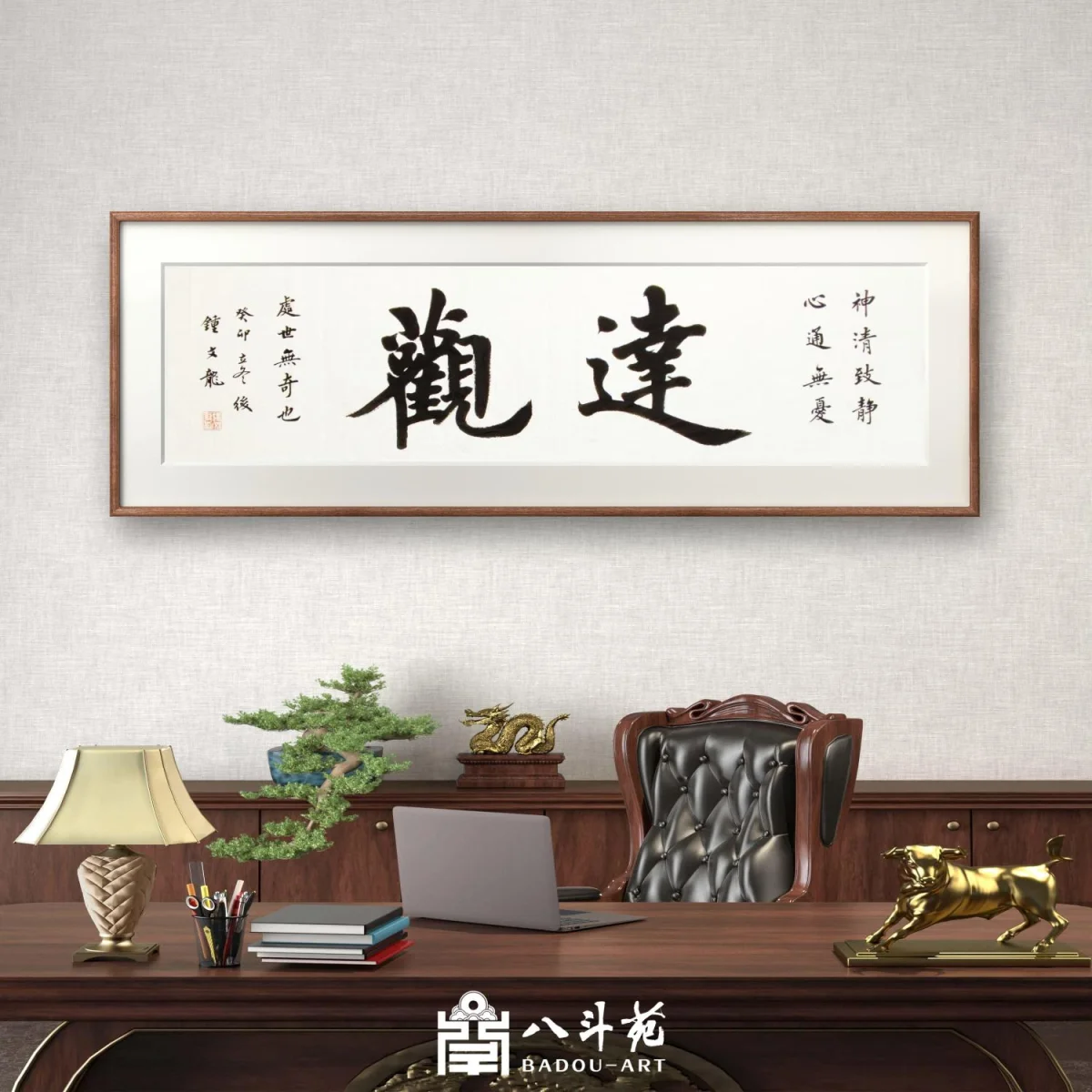
Zhong Wenlong Calligraphy | 达观
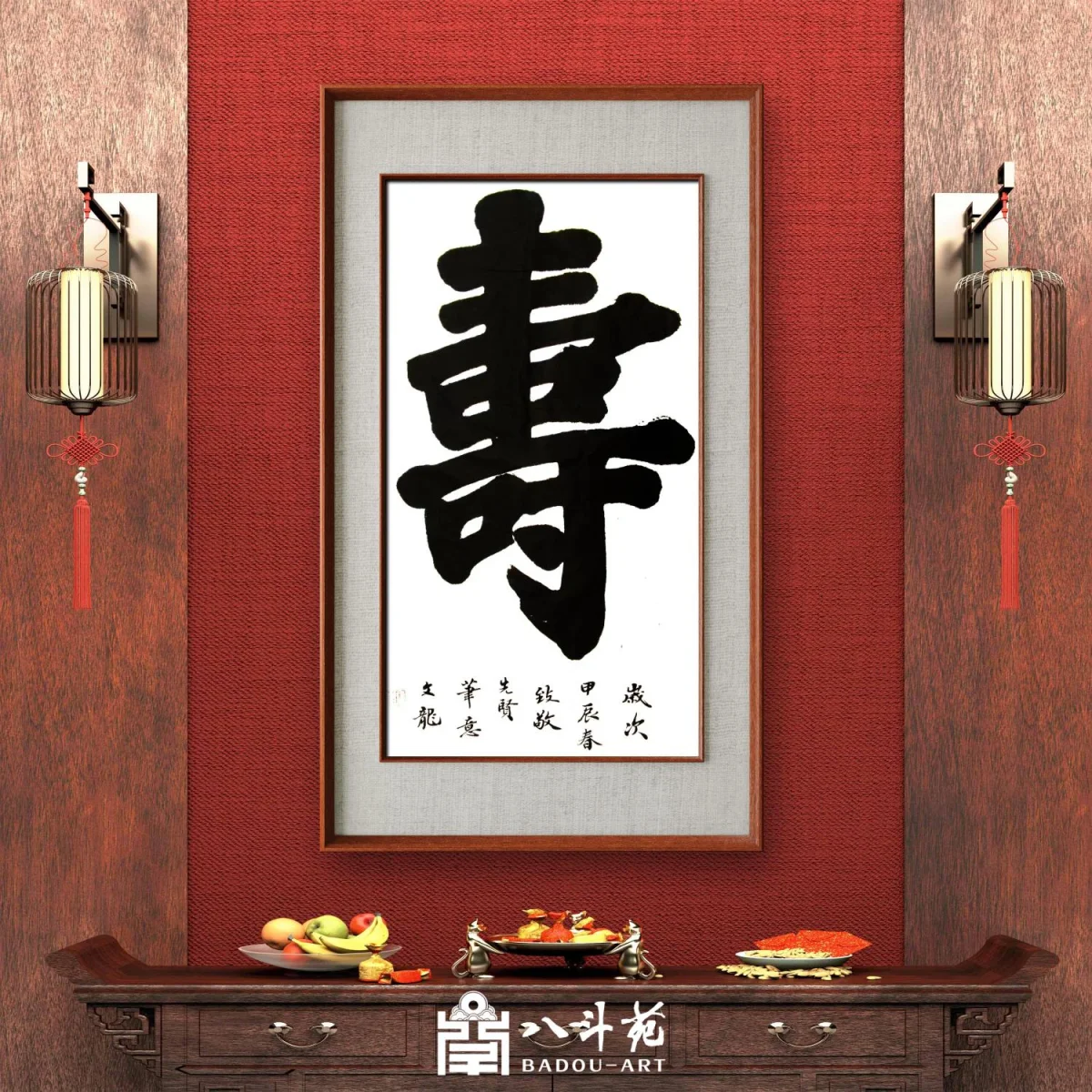
Zhong Wenlong Calligraphy | 壽
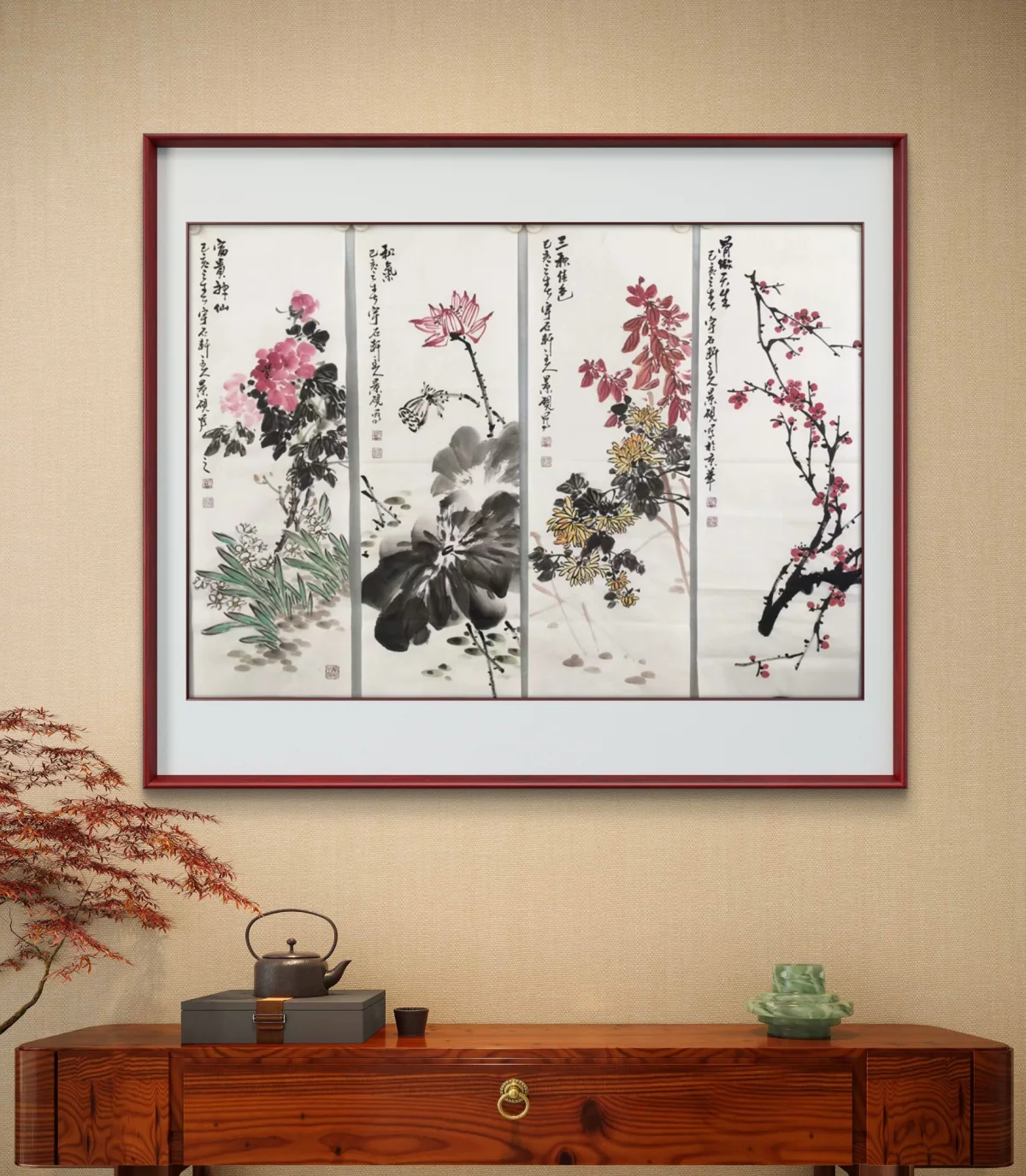
Wu Jingyan Chinese Freehand Painting・Four‑Panel Flower‑and‑Bird Screens(花鸟四条屏)
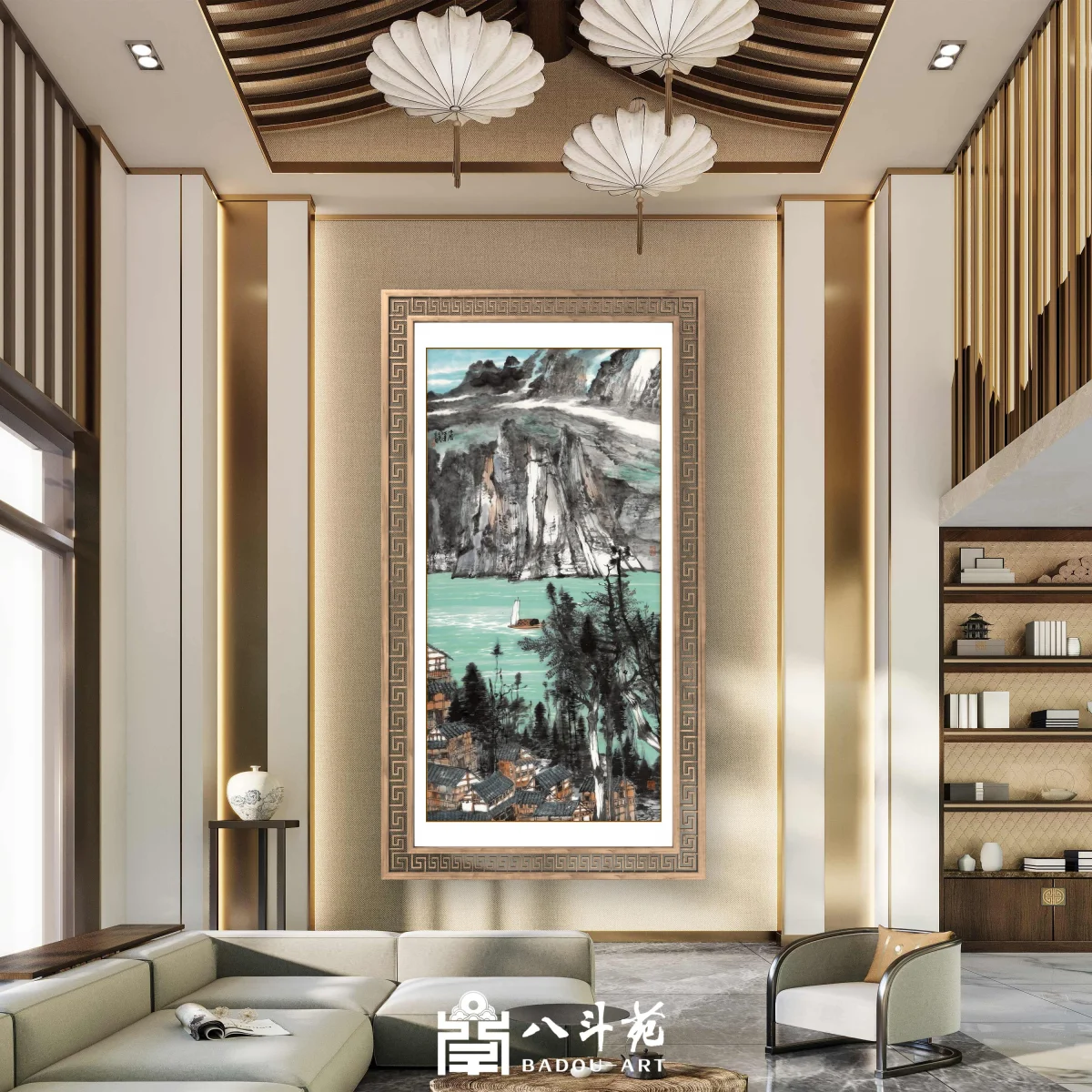
Liu Liyong Landscape Painting | Riverside Mountain Hamlet (山居江远)
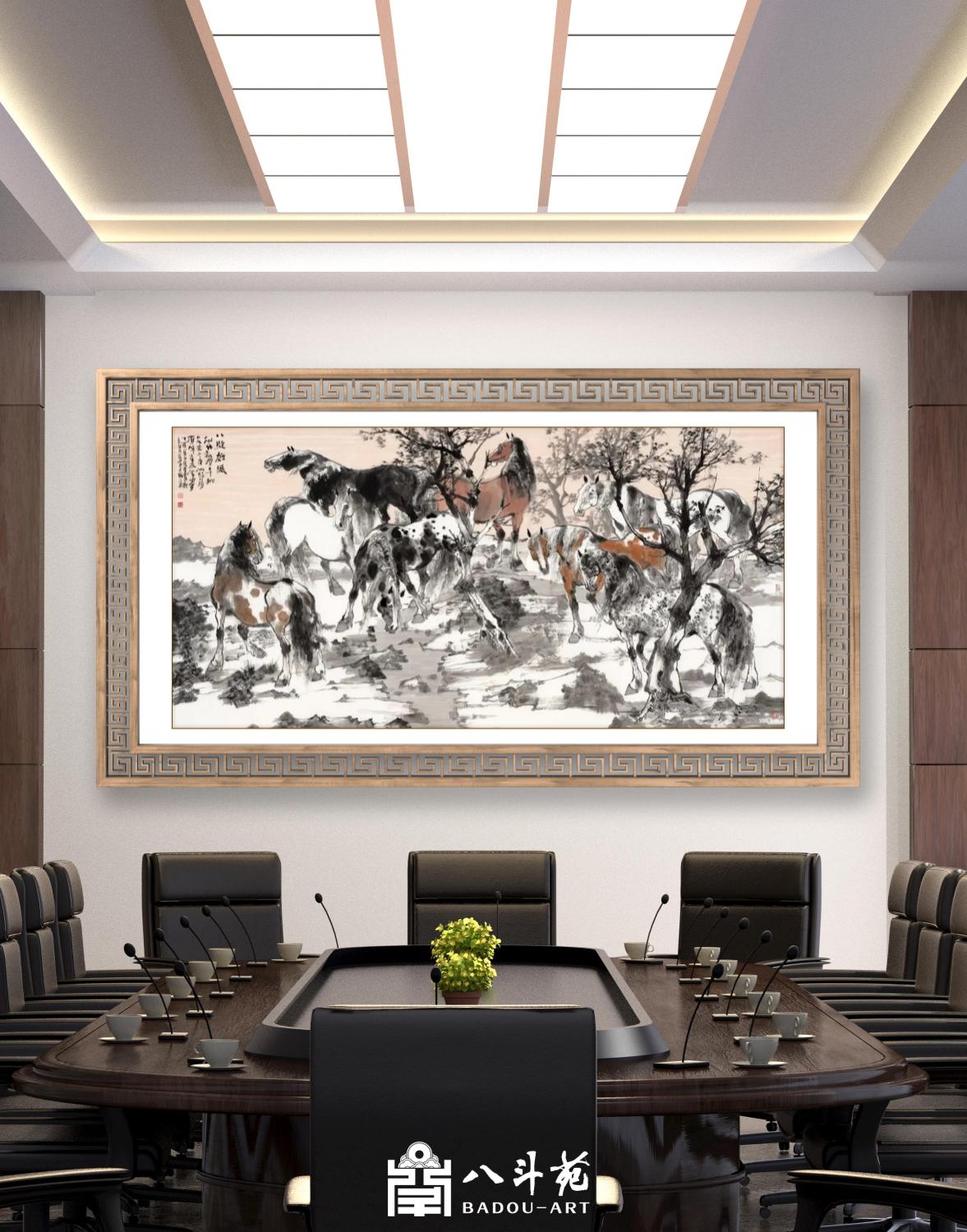
Liu Liyong Animal Painting | Eight Steeds (八骏图)
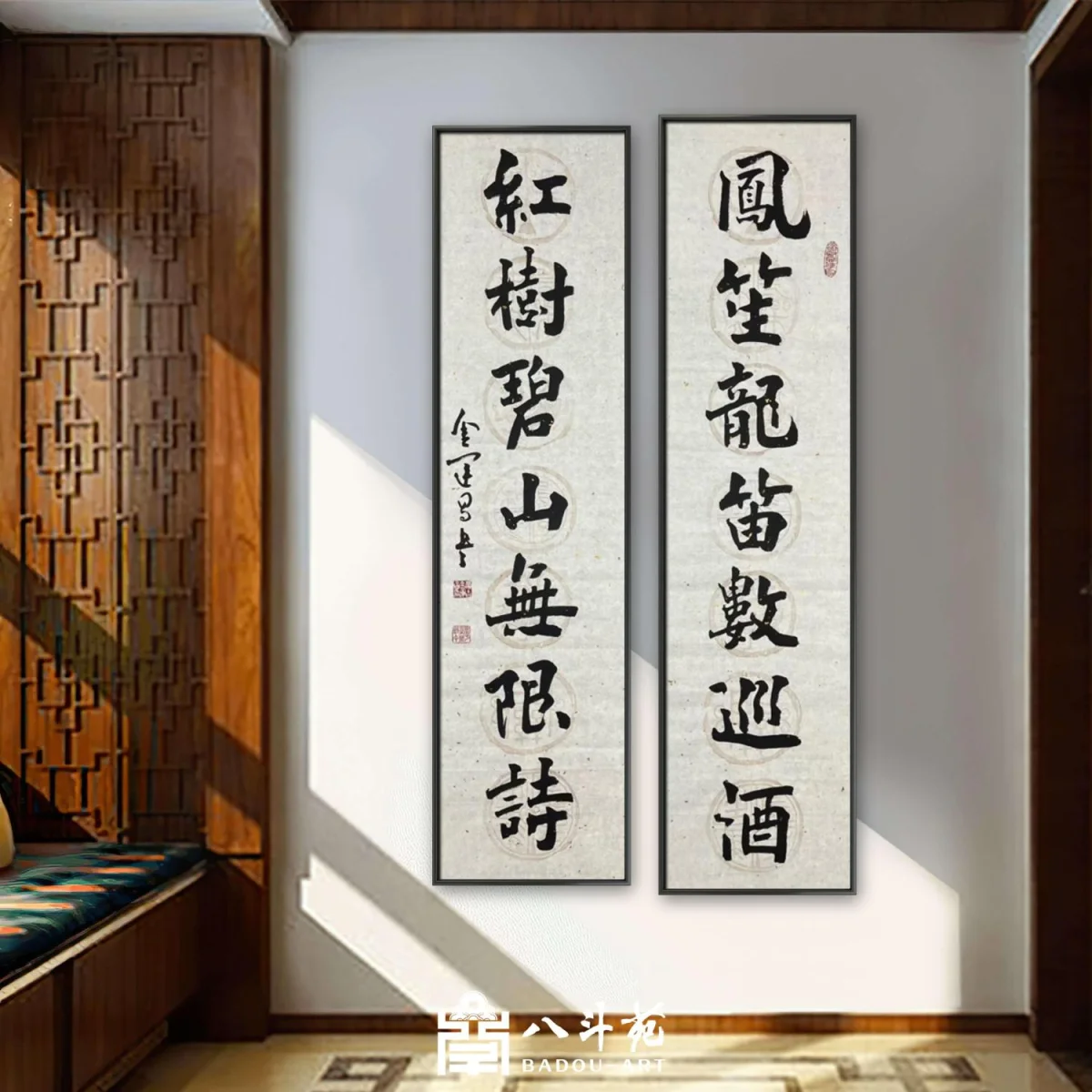
Jin Yunchang Calligraphy | 鳳笙龍笛數巡酒
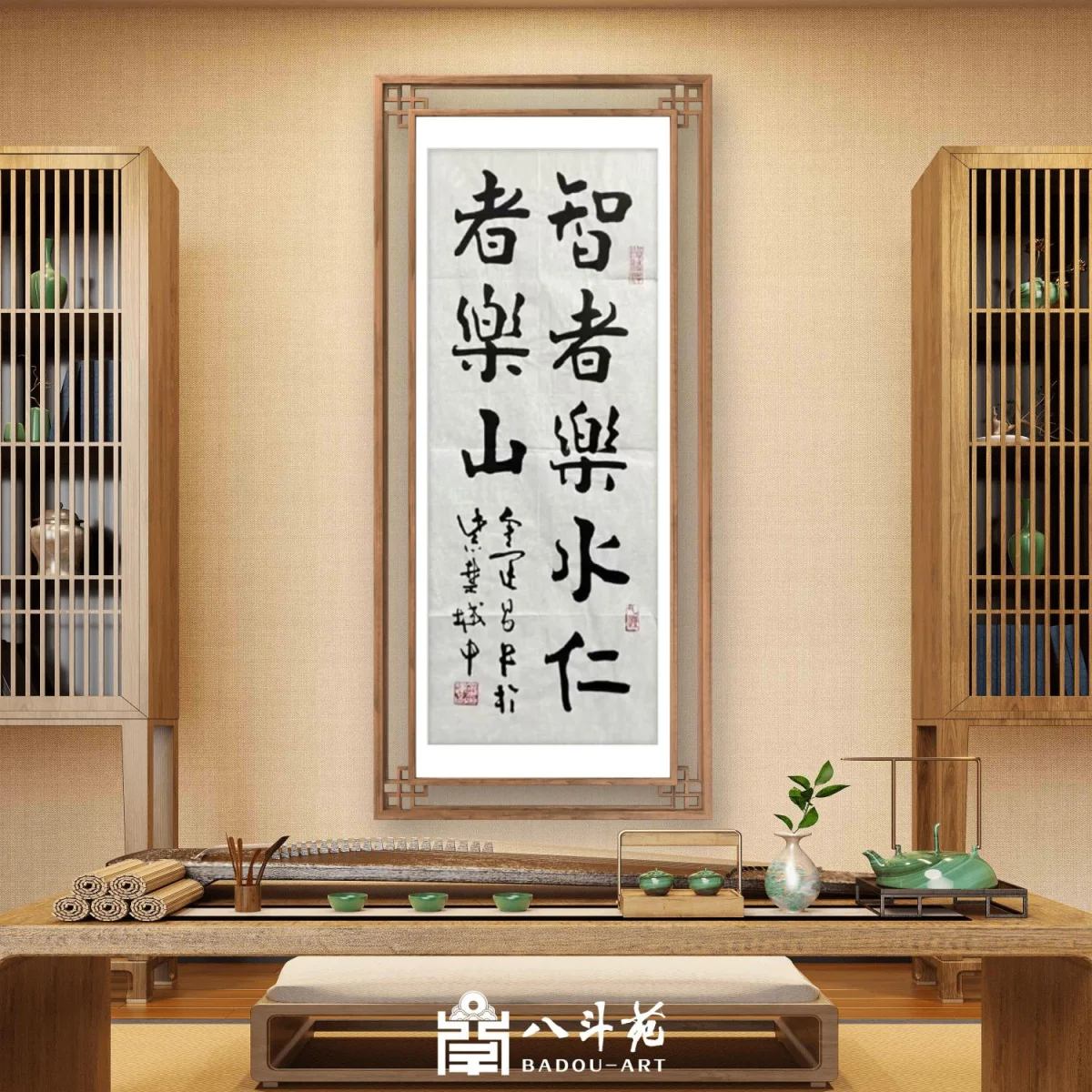
Jin Yunchang Calligraphy | 智者樂水仁者樂山
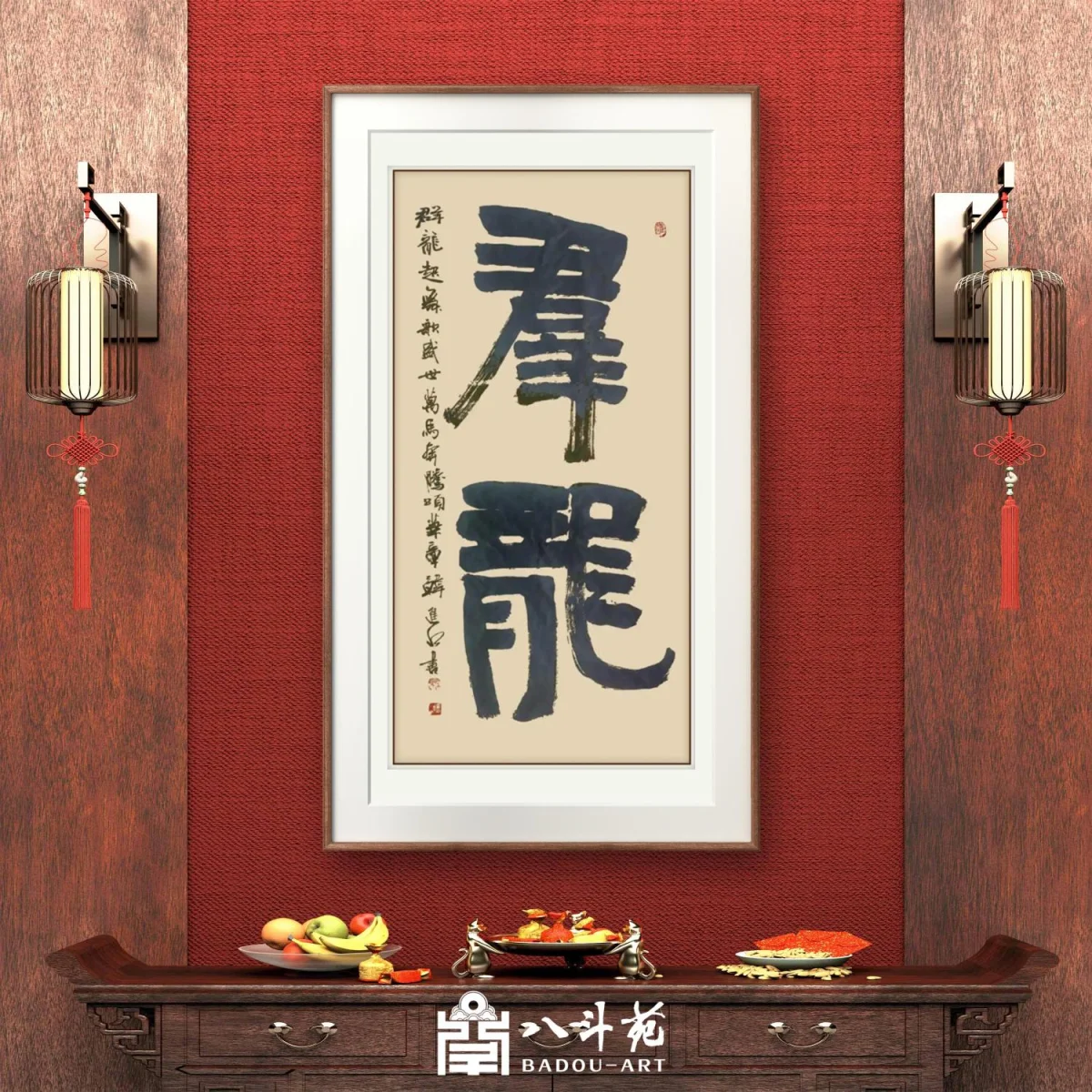
Han Jinshui Calligraphy | 羣龍 (A Group of Dragons)
How Famous Calligraphy Plaques Shape a Brand’s Legacy
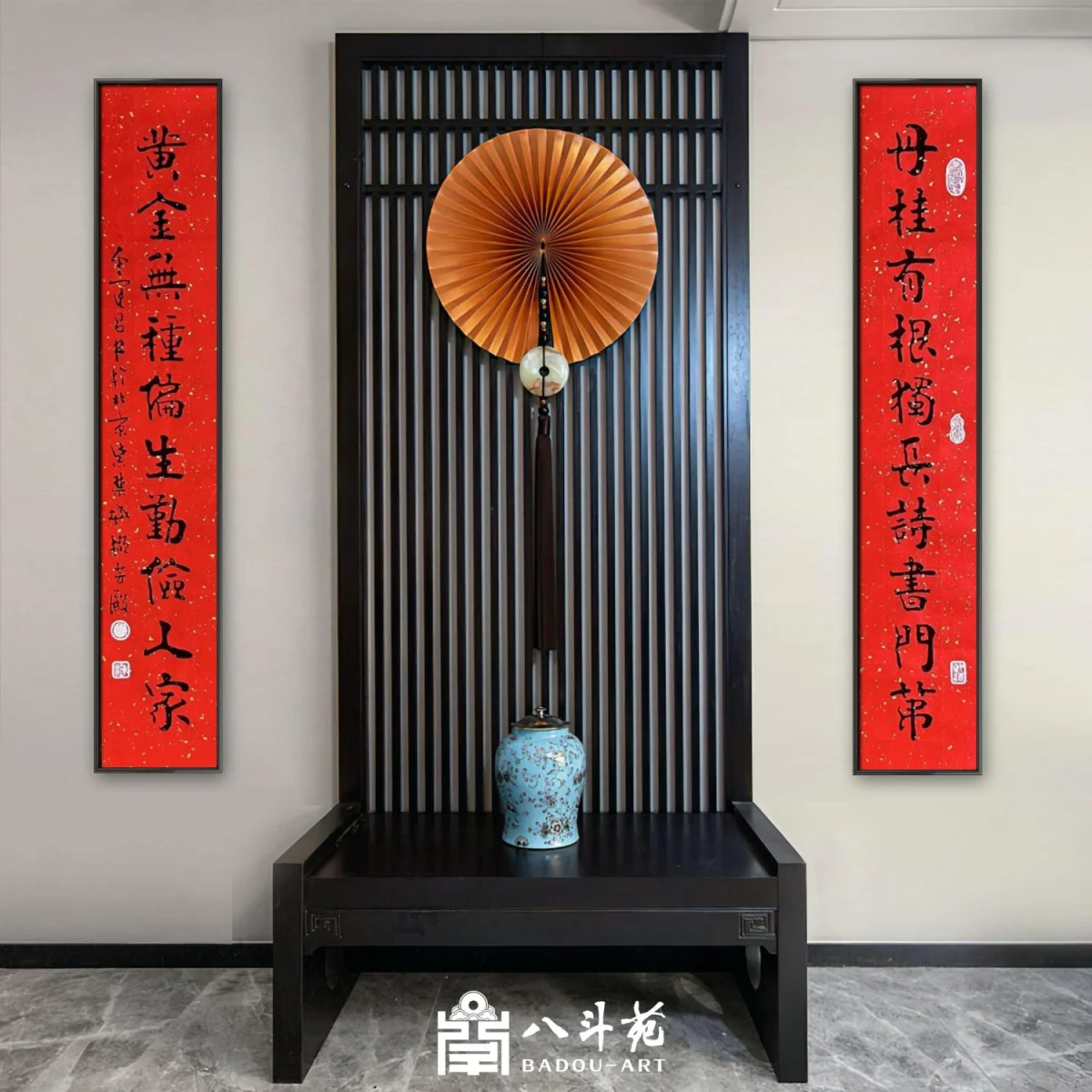
How Famous Calligraphy Plaques Shape a Brand’s Legacy
In China, a shop sign is never just a name. A calligraphy plaque — an inscribed board written by a celebrated hand — is the face of a business, the shorthand of its reputation. The stories behind China’s most famous plaques show how a single inscription can carry a brand across generations, and why commissioning the right hand still matters today.
The Quanjude Plaque and Its Missing Stroke
In 1864, a vendor named Yang Quanren opened a roast duck shop in Beijing and asked a scholar, Qian Zilong, to write its sign: Quanjude (全聚德), “complete virtue gathered together.” That plaque still hangs today, more than a century later.
Sharp-eyed visitors notice something odd: the character de (德, virtue) is missing one horizontal stroke. Legend offers two explanations — that the tipsy scholar simply missed a stroke, or that the founder ordered it so his thirteen employees would work “with one heart and mind.” The likelier truth is modest: the stroke-less form is a recognized variant character, used by calligraphers for centuries. The Kangxi Emperor’s inscription at the Confucius Temple in Beijing shows the same form, as do writings by the Qing painter Zheng Banqiao.
Whatever the origin, the story became part of the brand. Mao Zedong once wrote that Quanjude “must be preserved forever,” and Zhou Enlai, China’s first premier, read the three characters as “complete without flaw, gathered without scattering, virtue above all.”
Emperors and Prime Ministers as Sign Writers
Old Chinese brands and famous plaques have always been inseparable. The medicine shop Herentang (鹤年堂) and the sauce shop Liubiju (六必居) owe their signs to Yan Song, a Ming dynasty prime minister. The restaurant Duyichu (都一处) received its name — and its tiger-head plaque — from the Qianlong Emperor himself. Tongrentang (同仁堂), the celebrated medicine house founded in 1669, hung a plaque by the scholar Sun Yueban in 1705; its sign today was written by the modern master Qigong. In the early twentieth century, statesmen and artists including Li Hongzhang, Liang Qichao, Kang Youwei, and the painter Zhang Daqian all inscribed shop signs in Beijing’s Liulichang art district. Zhou Enlai’s inscription for the restaurant Bianyifang — “convenient for the people, fitting for the home” — still greets diners in the lobby.
A Plaque Still Matters
A fine plaque combines refined wording, elegant brushwork, and a vermilion seal — the artist’s engraved stamp. It signals taste and stability, and sets a serious business apart from a city of flashy signs. Yet commissioning a true master is not easy: most platforms sell ready-made works, while few offer genuine custom inscriptions by celebrated calligraphers. Badou Art’s roster of featured calligraphers — including Jin Yunchang, Lu Zhongnan, Zhang Tongyan, Zhu Fei, and Deng Lingying — creates custom plaques, inscriptions, and commemorative pieces for businesses, schools, and cultural institutions.
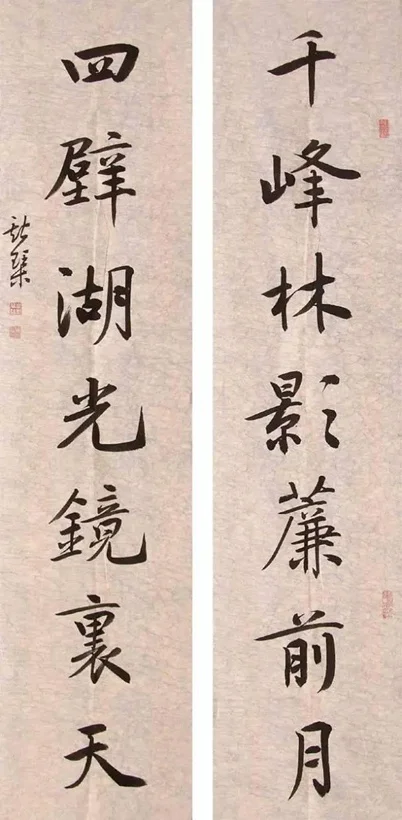
Every inscription carries a history and tells a story. Choosing the hand that writes your sign is choosing how your name will be remembered.
Source: https://www.cntizi.com/922.html