Our Featured Collection
Hand‑picked premium works for you
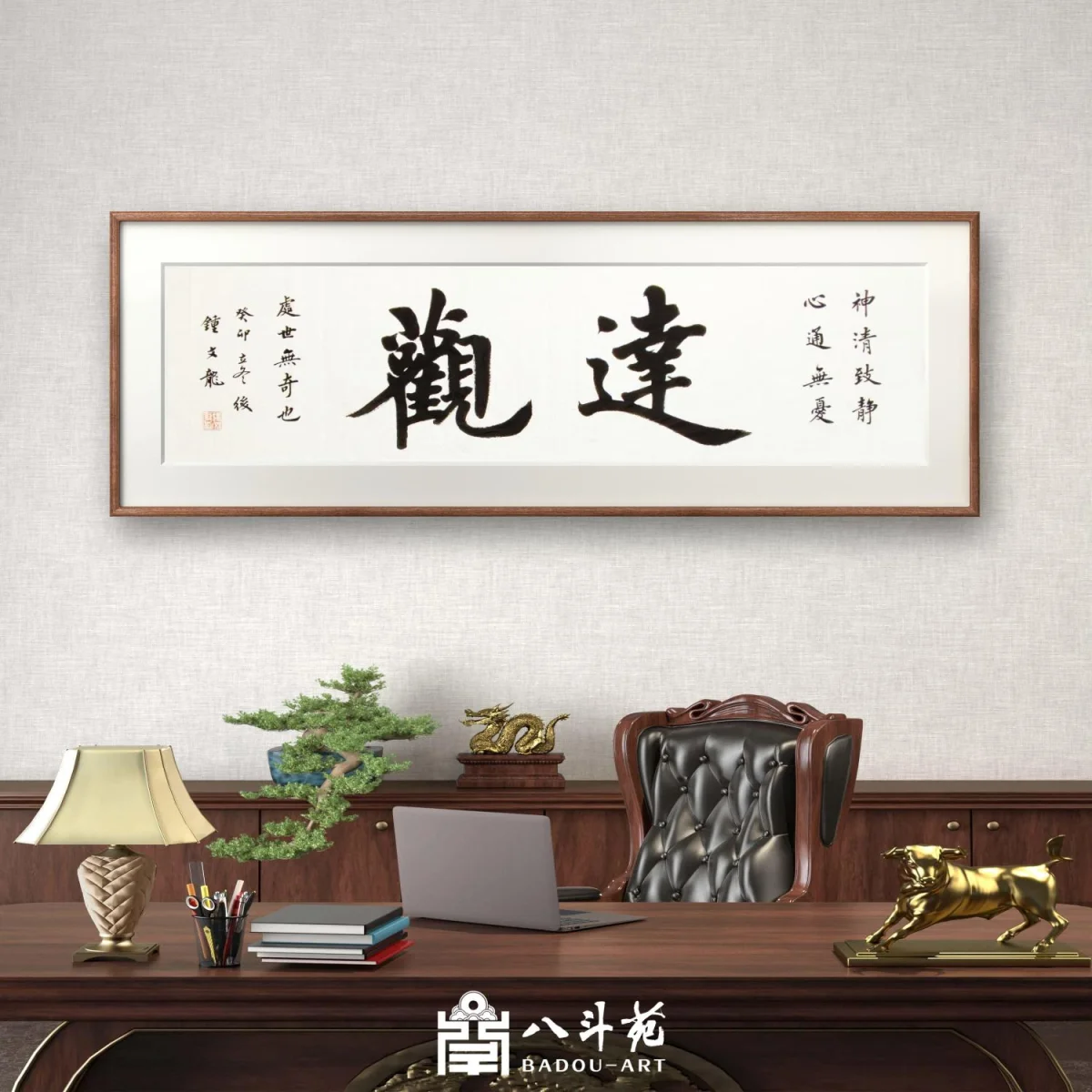
Zhong Wenlong Calligraphy | 达观
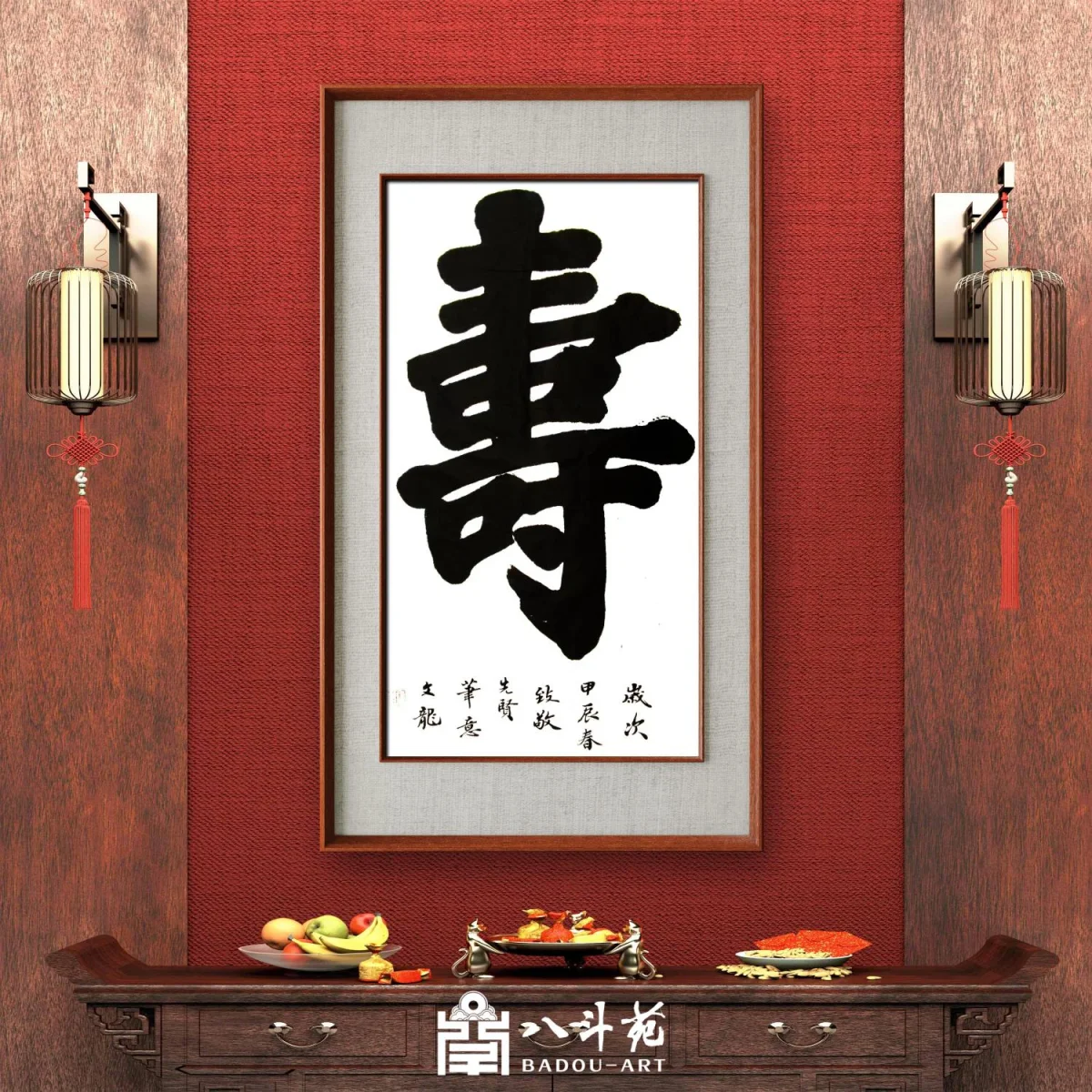
Zhong Wenlong Calligraphy | 壽
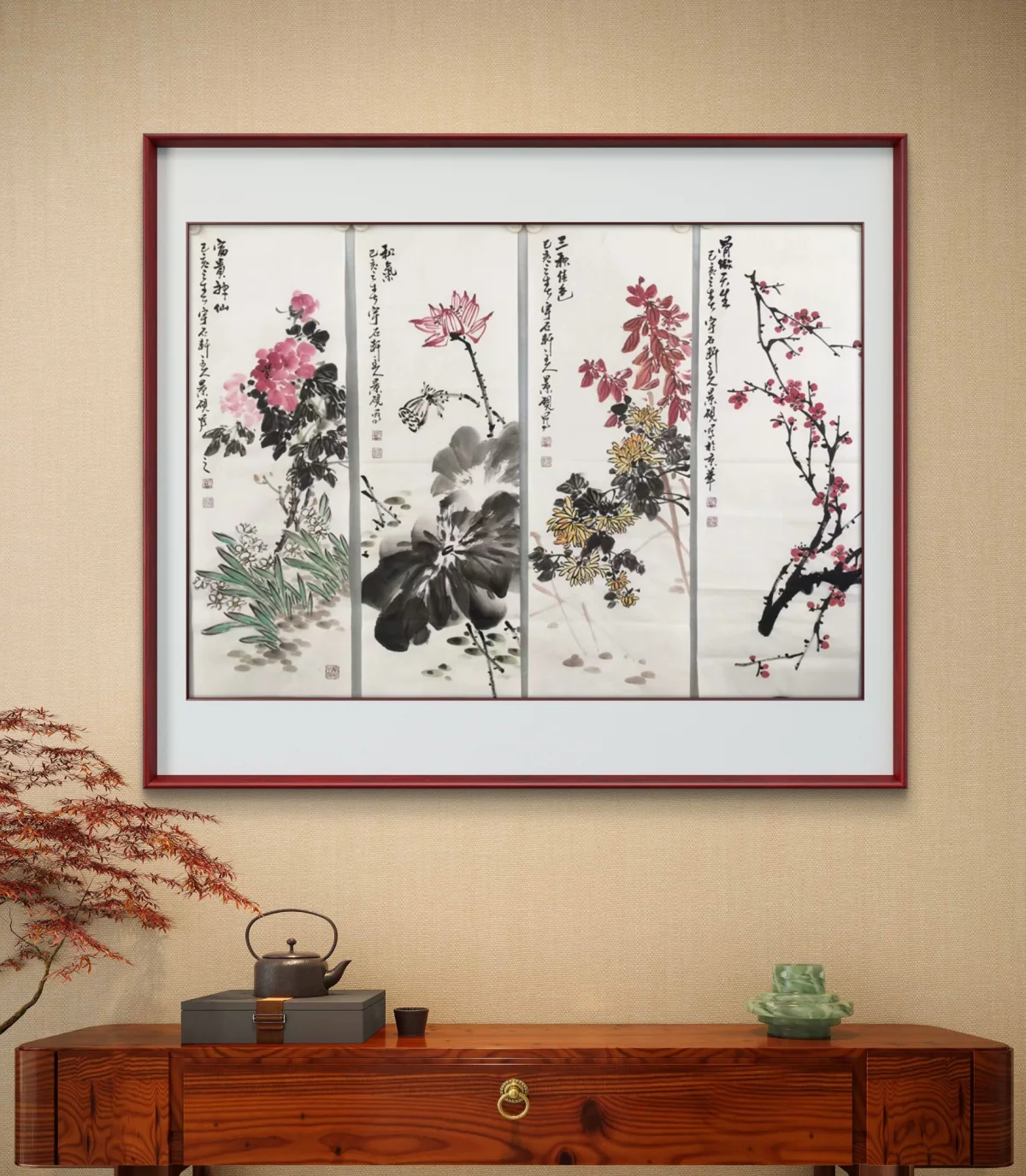
Wu Jingyan Chinese Freehand Painting・Four‑Panel Flower‑and‑Bird Screens(花鸟四条屏)
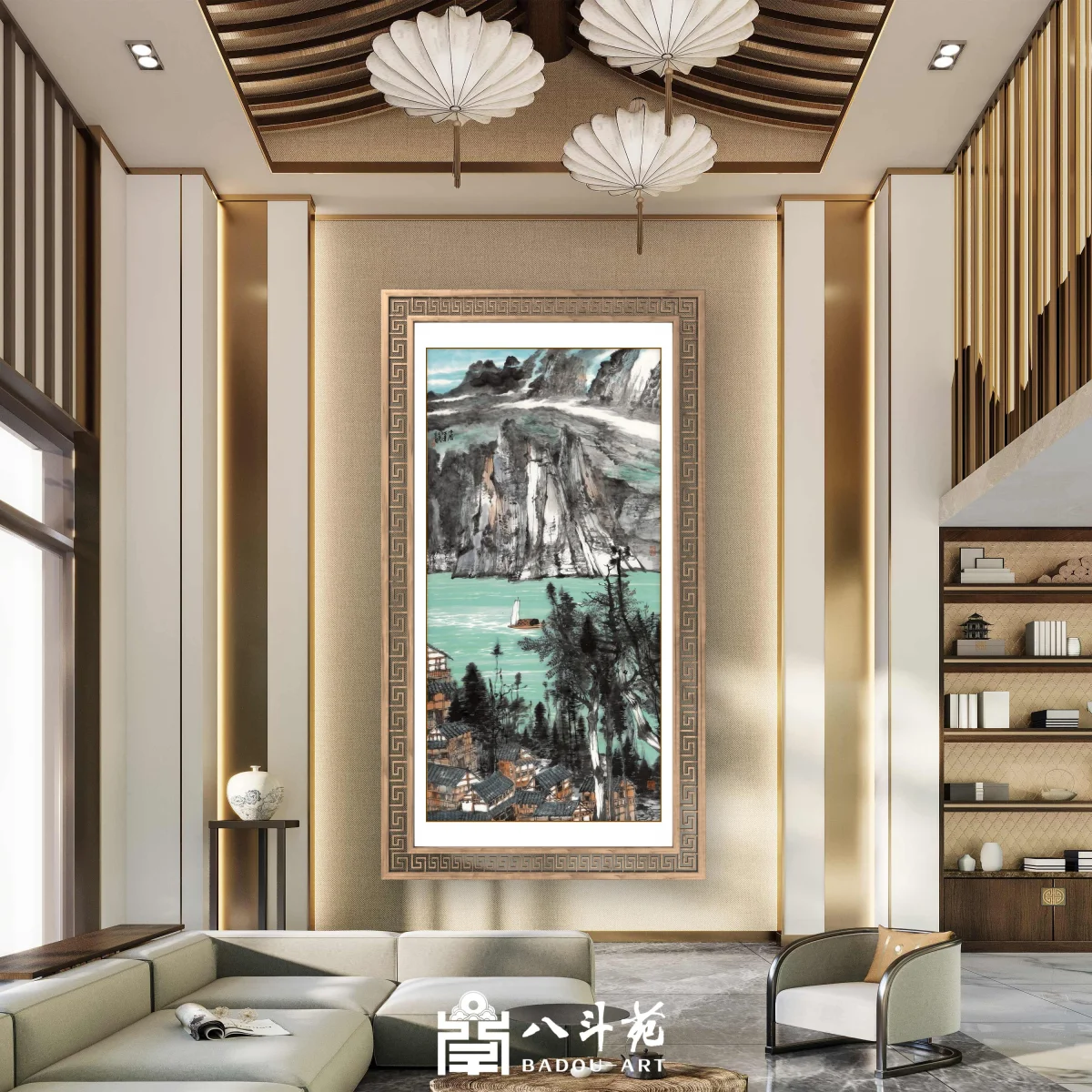
Liu Liyong Landscape Painting | Riverside Mountain Hamlet (山居江远)
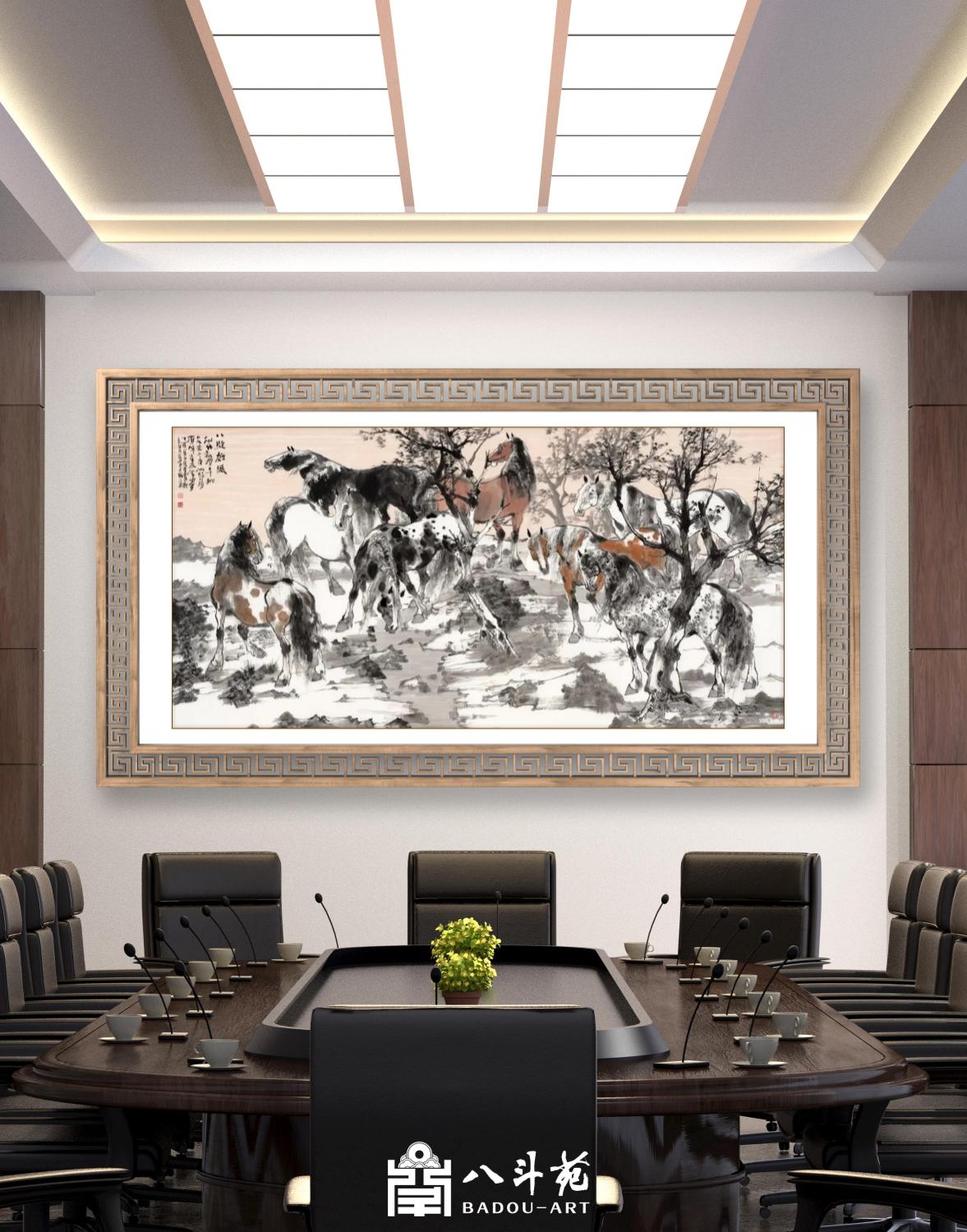
Liu Liyong Animal Painting | Eight Steeds (八骏图)
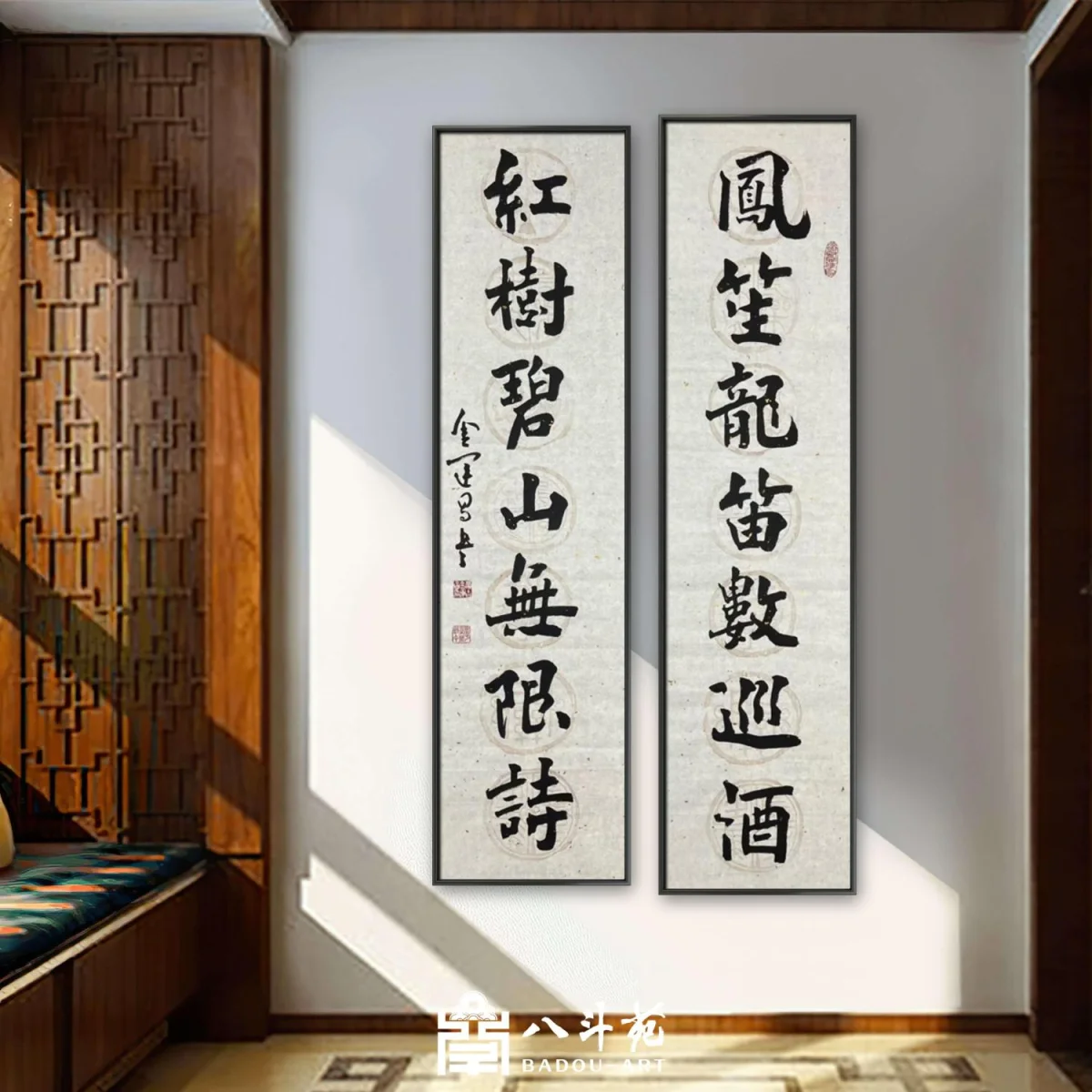
Jin Yunchang Calligraphy | 鳳笙龍笛數巡酒
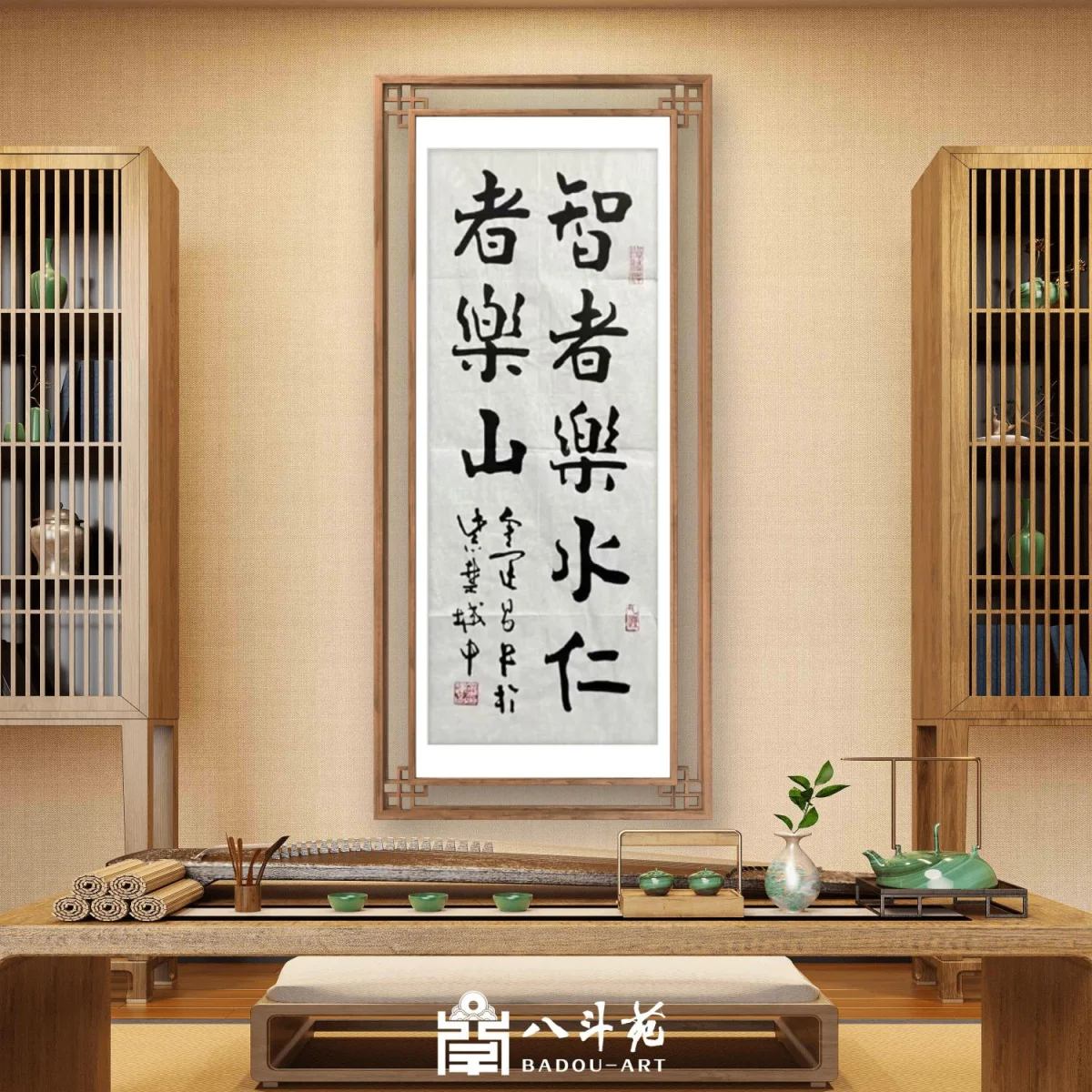
Jin Yunchang Calligraphy | 智者樂水仁者樂山
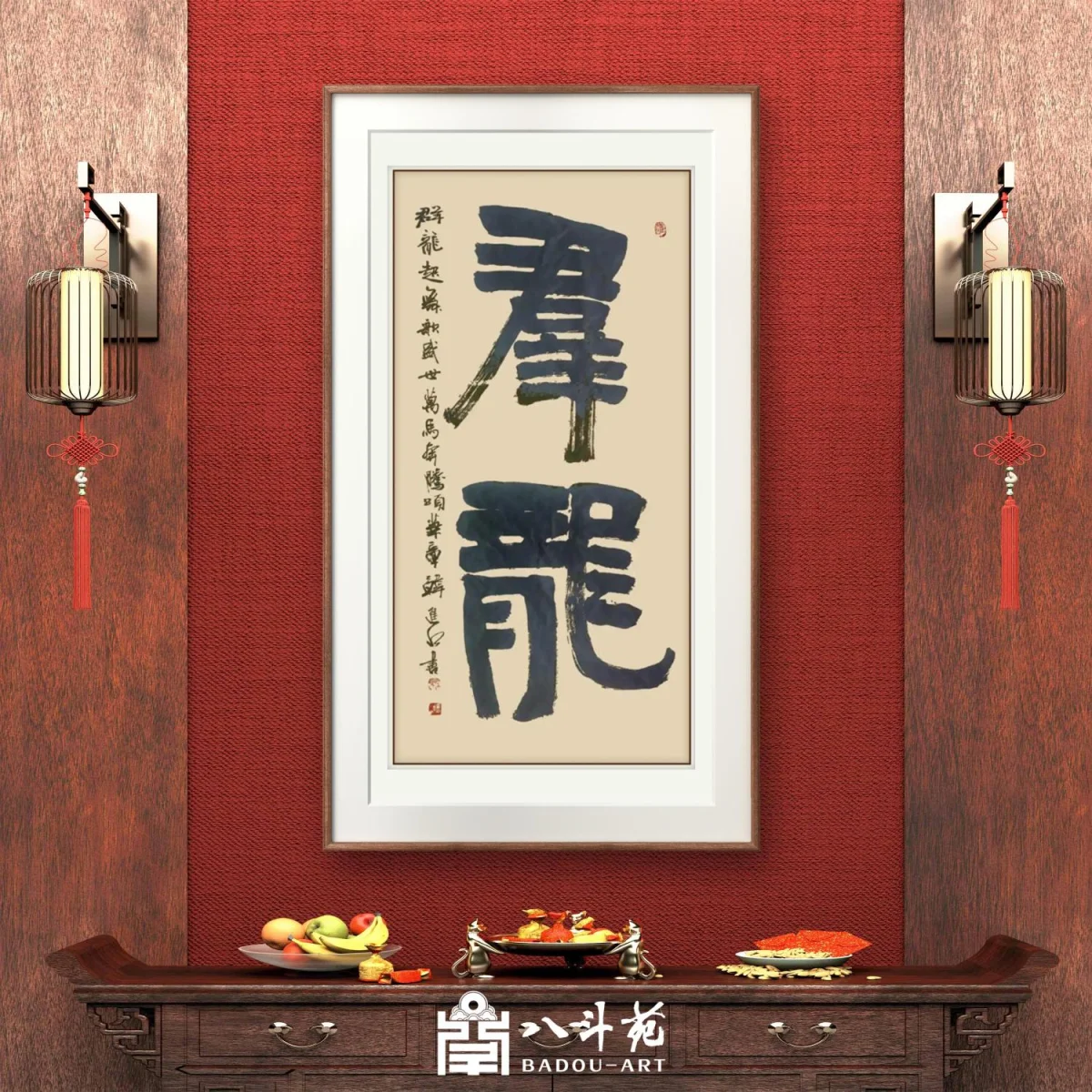
Han Jinshui Calligraphy | 羣龍 (A Group of Dragons)
Master Hongyi: Li Shutong’s Life as Artist and Monk
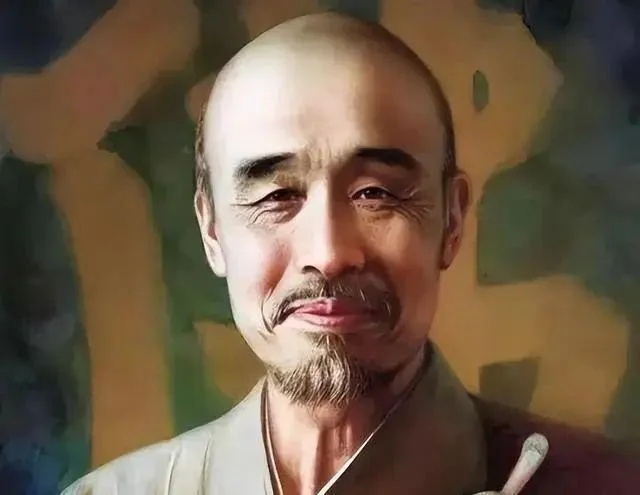
Master Hongyi: Li Shutong’s Life as Artist and Monk
Few lives in modern Chinese culture span such extremes as that of Li Shutong (1880–1942): brilliant artist, songwriter, and teacher in his first life; revered Buddhist monk in his second. As Master Hongyi, he left a legacy that still touches calligraphy, music, and Buddhism today.
The Dazzling First Life
Born into a wealthy family in Tianjin, Li Shutong studied Western painting at the Tokyo School of Fine Arts, returning to China in 1911 with his Japanese wife, Chengzi. Over the next few years he taught music and art at Zhejiang First Normal School in Hangzhou and at Nanjing Higher Normal School. He was a true pioneer: the first person to teach Western music in China, the first Chinese art educator to use nude models in the classroom, and a trailblazer in blending Western technique with Chinese tradition. Zhou Enlai once told the playwright Cao Yu, “When you write the history of Chinese drama, don’t forget Li Shutong of Tianjin — Master Hongyi. He was the pioneer who brought Western painting, music, and drama to China.”
His students read like a who’s who of modern Chinese art, including the cartoonist Feng Zikai, the painter Pan Tianshou, and the music educators Liu Zhiping and Wu Mengfei. His song “Song Bie” (Farewell), written in 1915, remains beloved today, and his three-part chorus “Chun You” (Spring Outing) was the first chorus in modern Chinese music. As a calligrapher and seal carver he joined the Xiling Seal Society and exchanged works with Wu Changshuo; Lu Xun treasured his calligraphy, calling it “simple, rounded, and complete, as if born of nature.”
The Turning Point
In 1918, at the height of his fame, Li Shutong became a monk at Hupao Temple in Hangzhou. When his Japanese wife Chengzi came to plead with him, he replied: “Please call me Hongyi.” Asked what love is, he answered: “Love is compassion.” He gave her his watch and urged her to return to Japan. He distributed his possessions — paintings to the national art school, seals to the Xiling Seal Society, books to Feng Zikai, scores to Liu Zhiping — and entered the monastery at the age of 38.
The Quiet Second Life
For 24 years, Master Hongyi accepted no disciples and led no temple, devoting himself to the strict Vinaya (Lü) school of monastic discipline, which had been nearly lost. His commentaries, including the Table of Bhikshu Precepts and A Brief Guide to the Precepts for Lay Buddhists, revived the tradition and spread to Japan and Southeast Asia.
In wartime Xiamen he refused to evacuate, writing “Reciting Buddha’s name, never forget saving the nation,” and declined a Japanese admiral’s invitation to Japan. He died peacefully at Kaiyuan Temple in Quanzhou on October 13, 1942, leaving as his last brushwork four characters: bei xin jiao ji — “sorrow and joy intermingled.”
Why He Still Moves Us
Li Shutong lived every role to the full — dandy, student, teacher, artist, monk. His late calligraphy, spare and serene, is among the most collected of modern China. If you are considering a commissioned calligraphy work, Badou Art’s specialists are happy to guide you toward a piece with real depth of meaning.