Our Featured Collection
Hand‑picked premium works for you
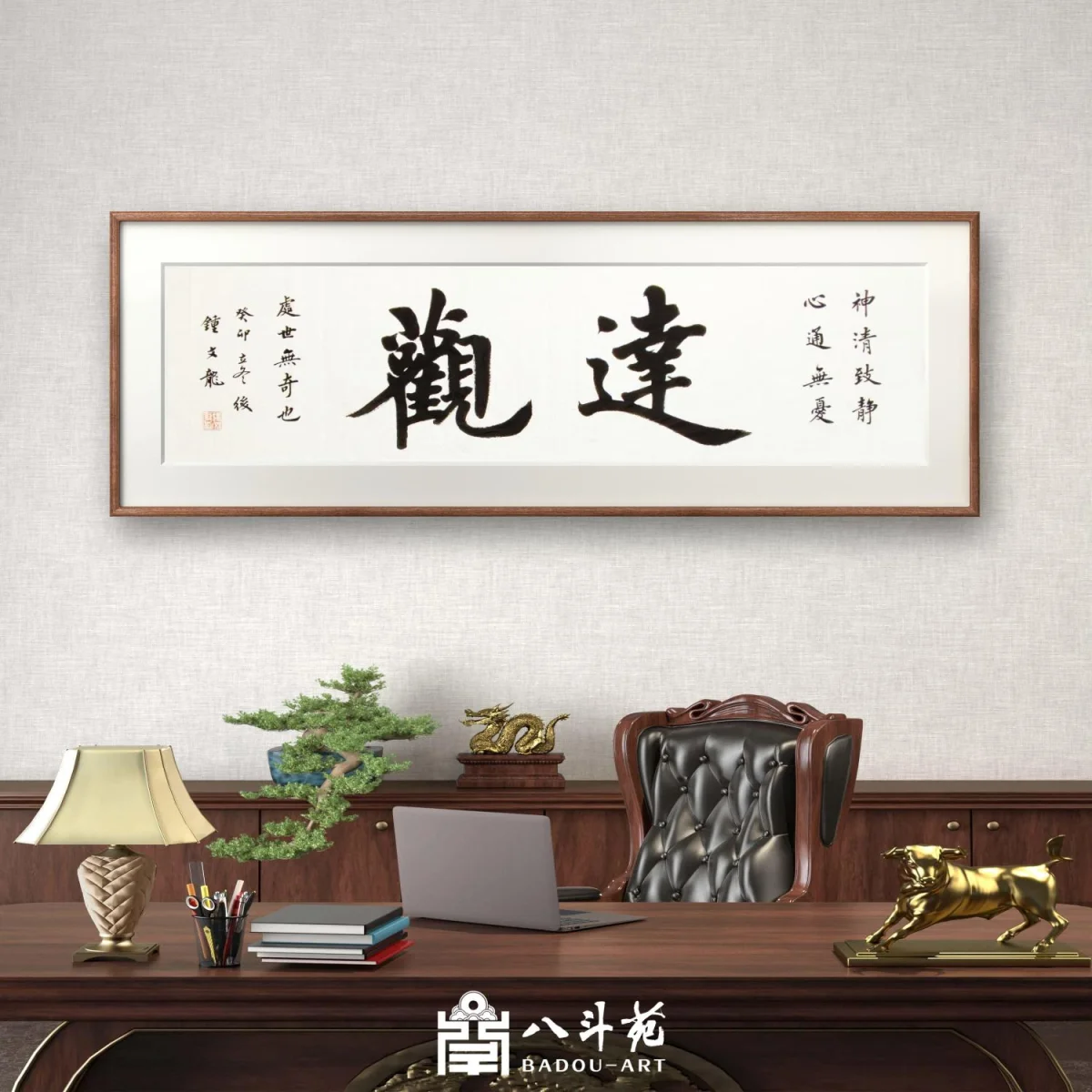
Zhong Wenlong Calligraphy | 达观
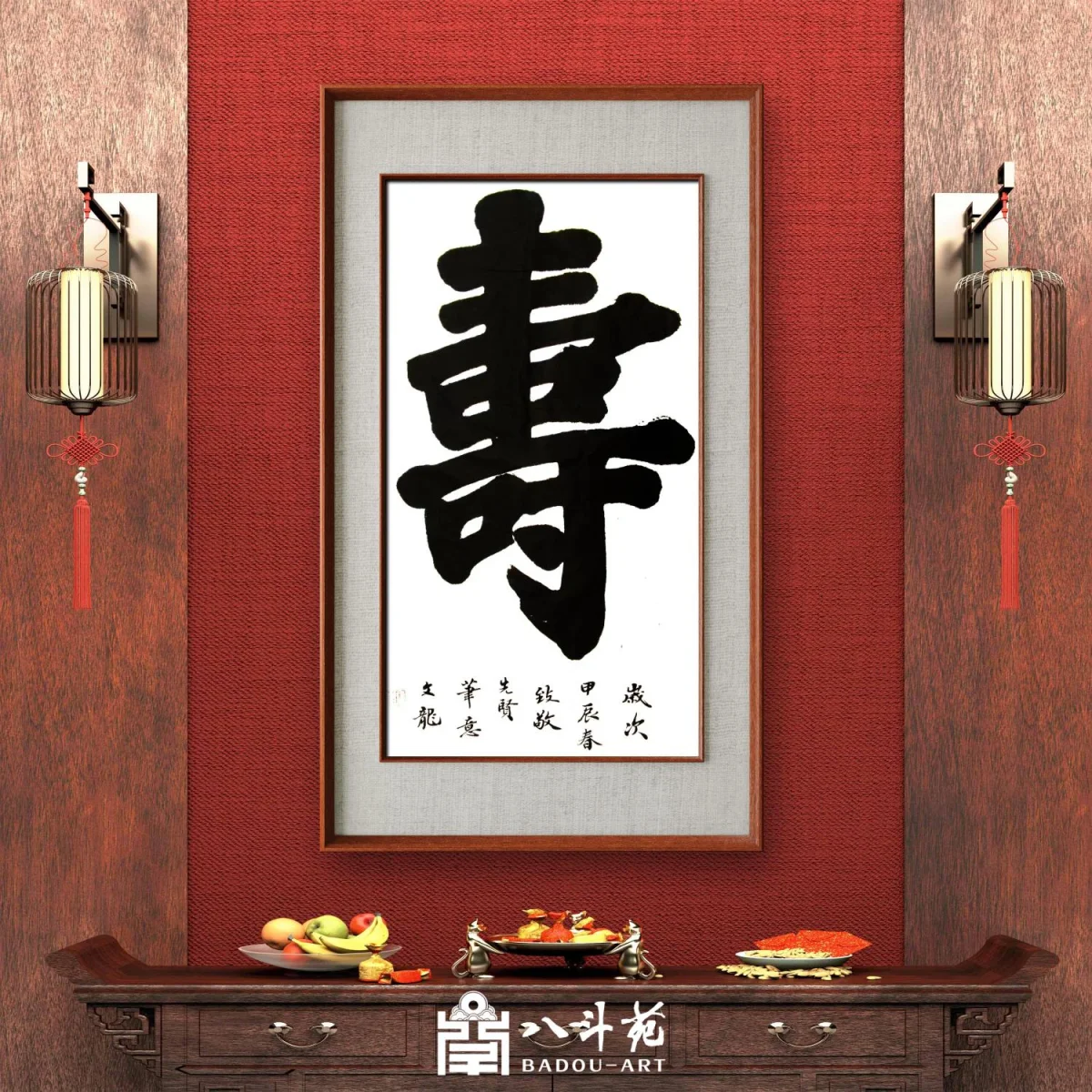
Zhong Wenlong Calligraphy | 壽
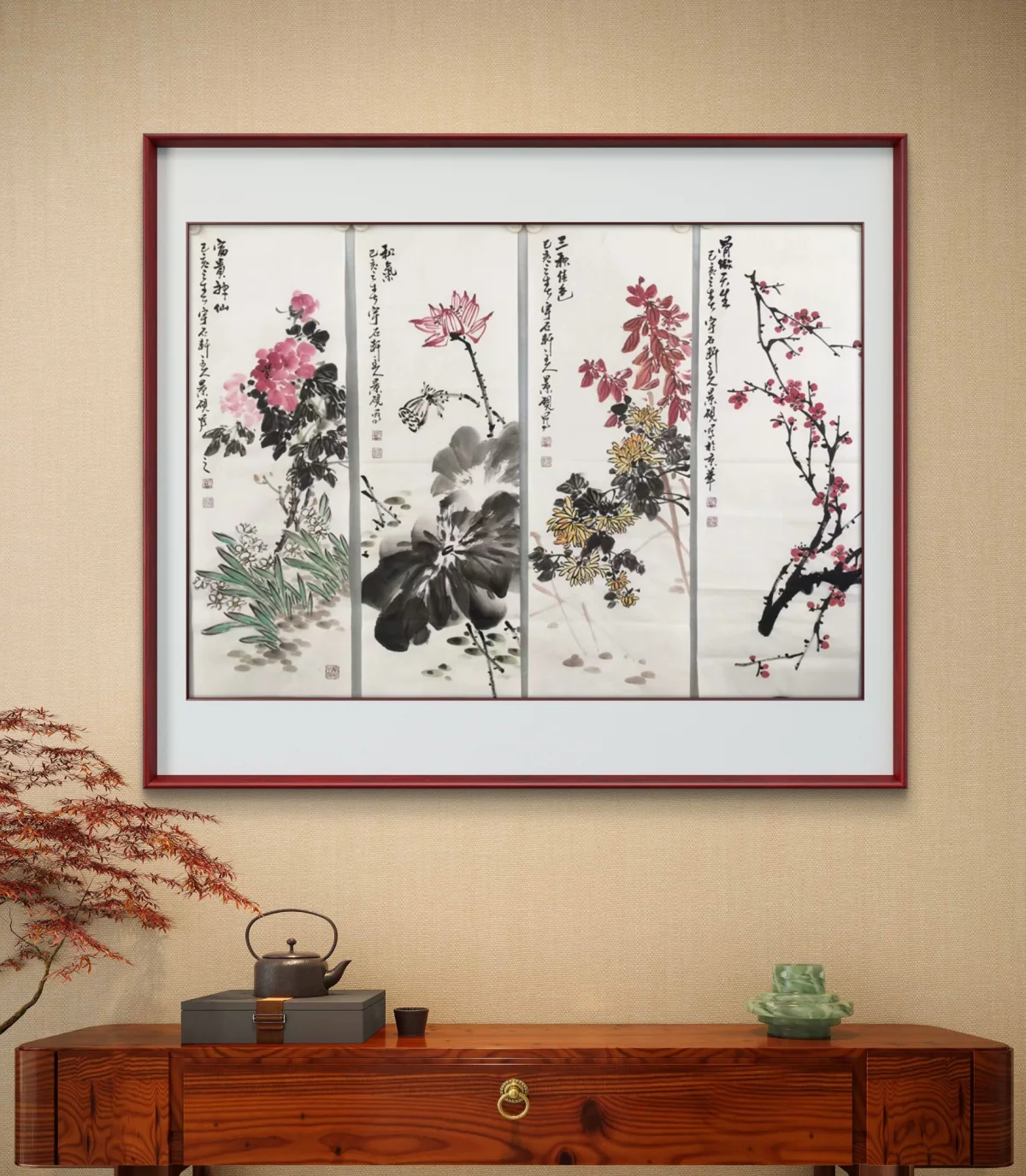
Wu Jingyan Chinese Freehand Painting・Four‑Panel Flower‑and‑Bird Screens(花鸟四条屏)
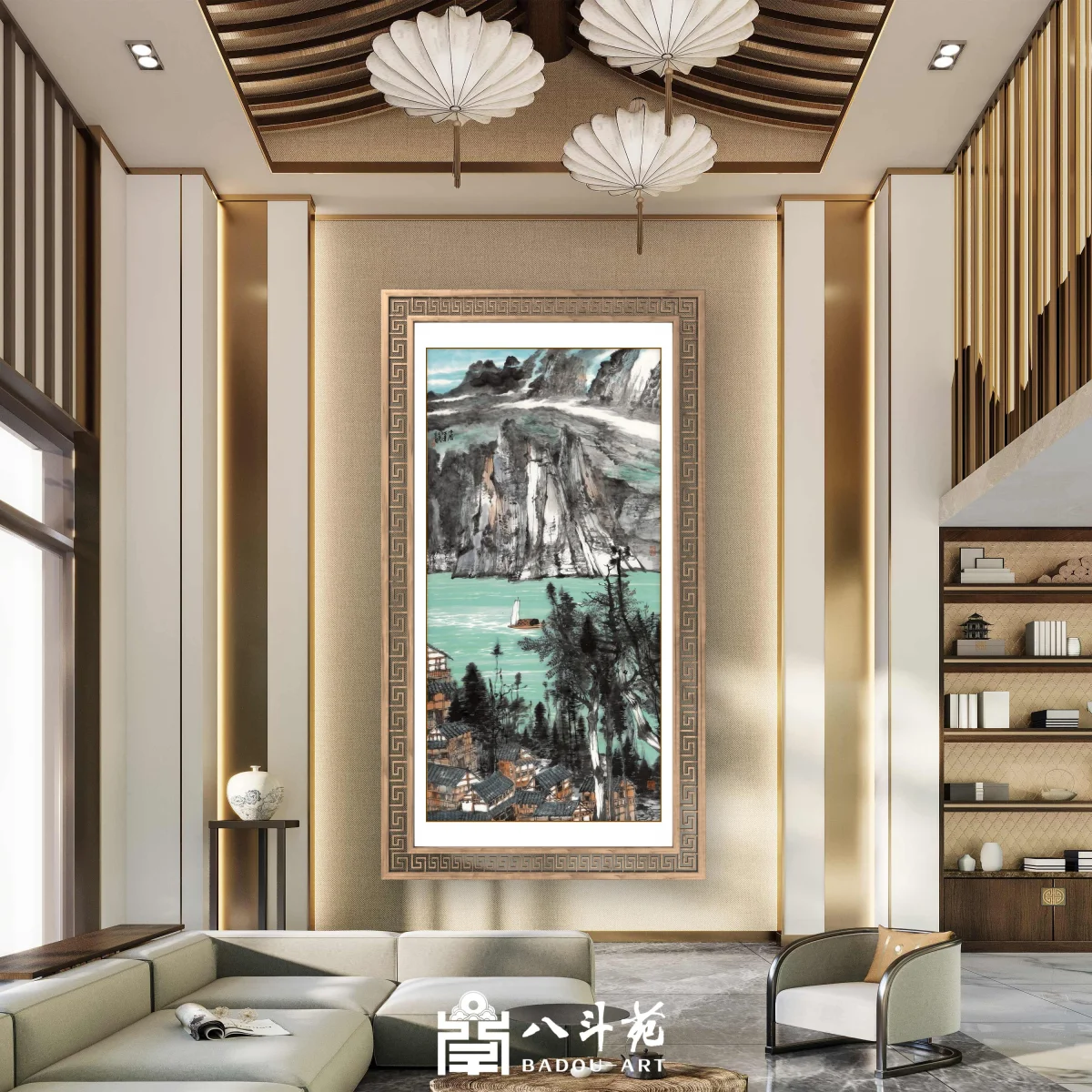
Liu Liyong Landscape Painting | Riverside Mountain Hamlet (山居江远)
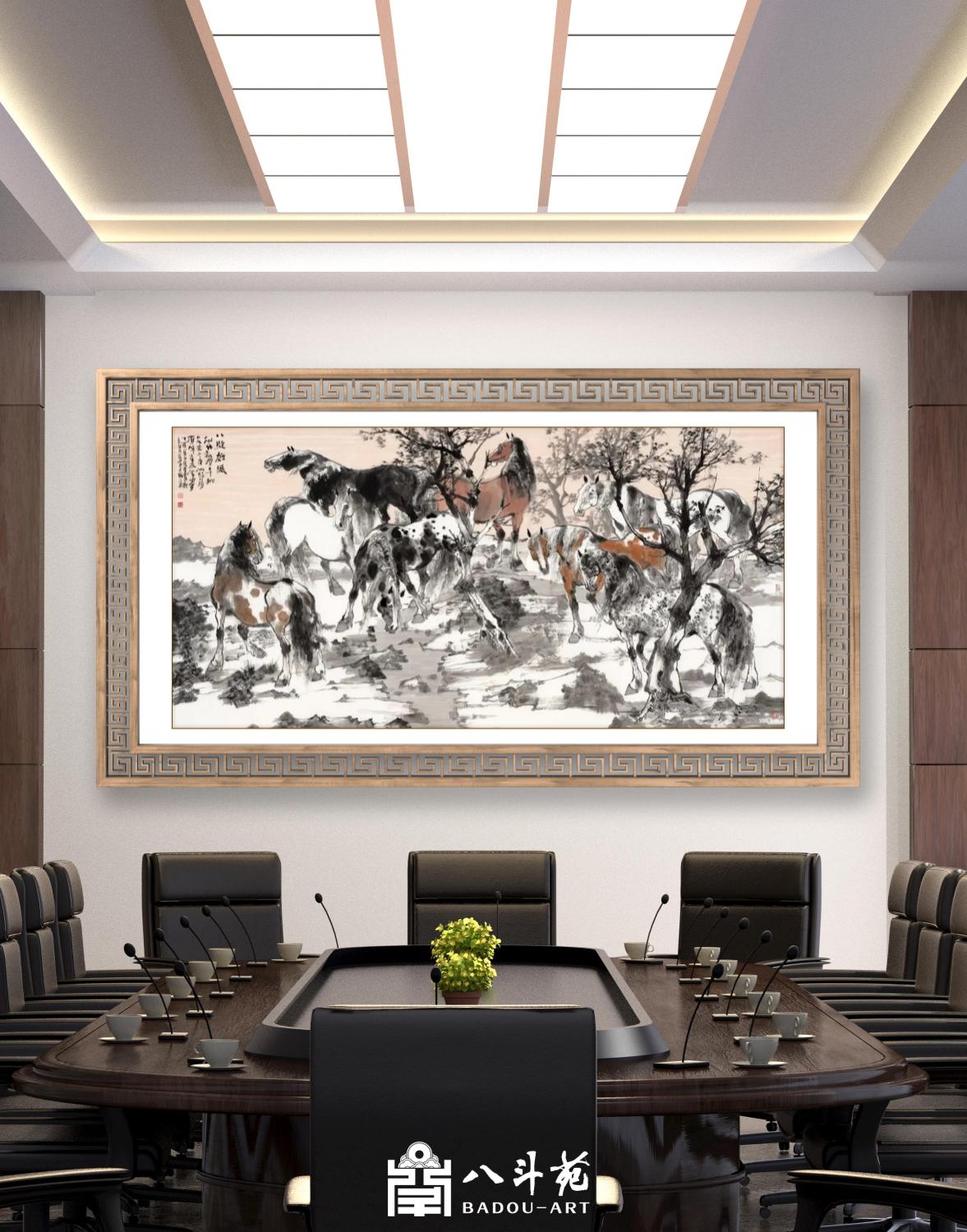
Liu Liyong Animal Painting | Eight Steeds (八骏图)
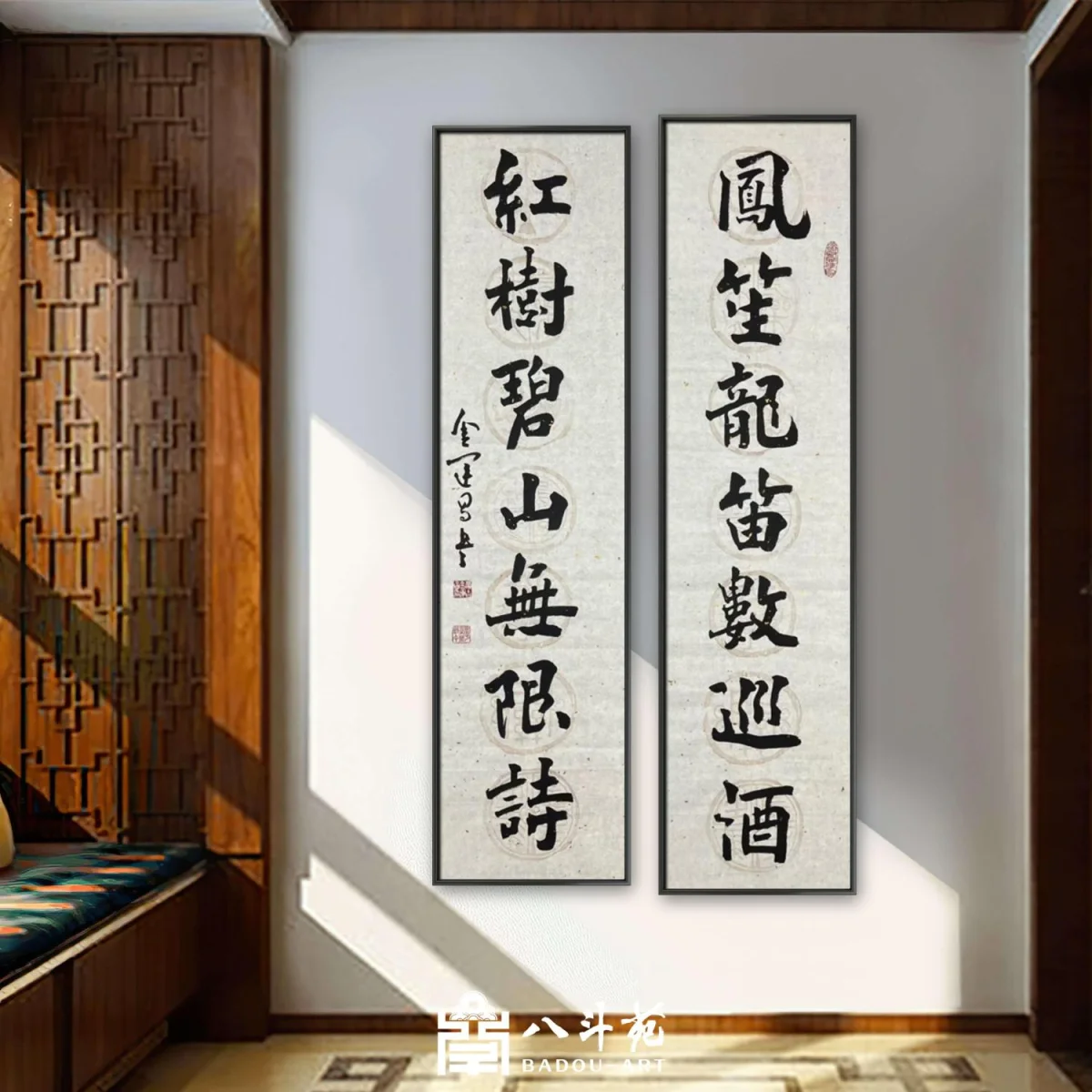
Jin Yunchang Calligraphy | 鳳笙龍笛數巡酒
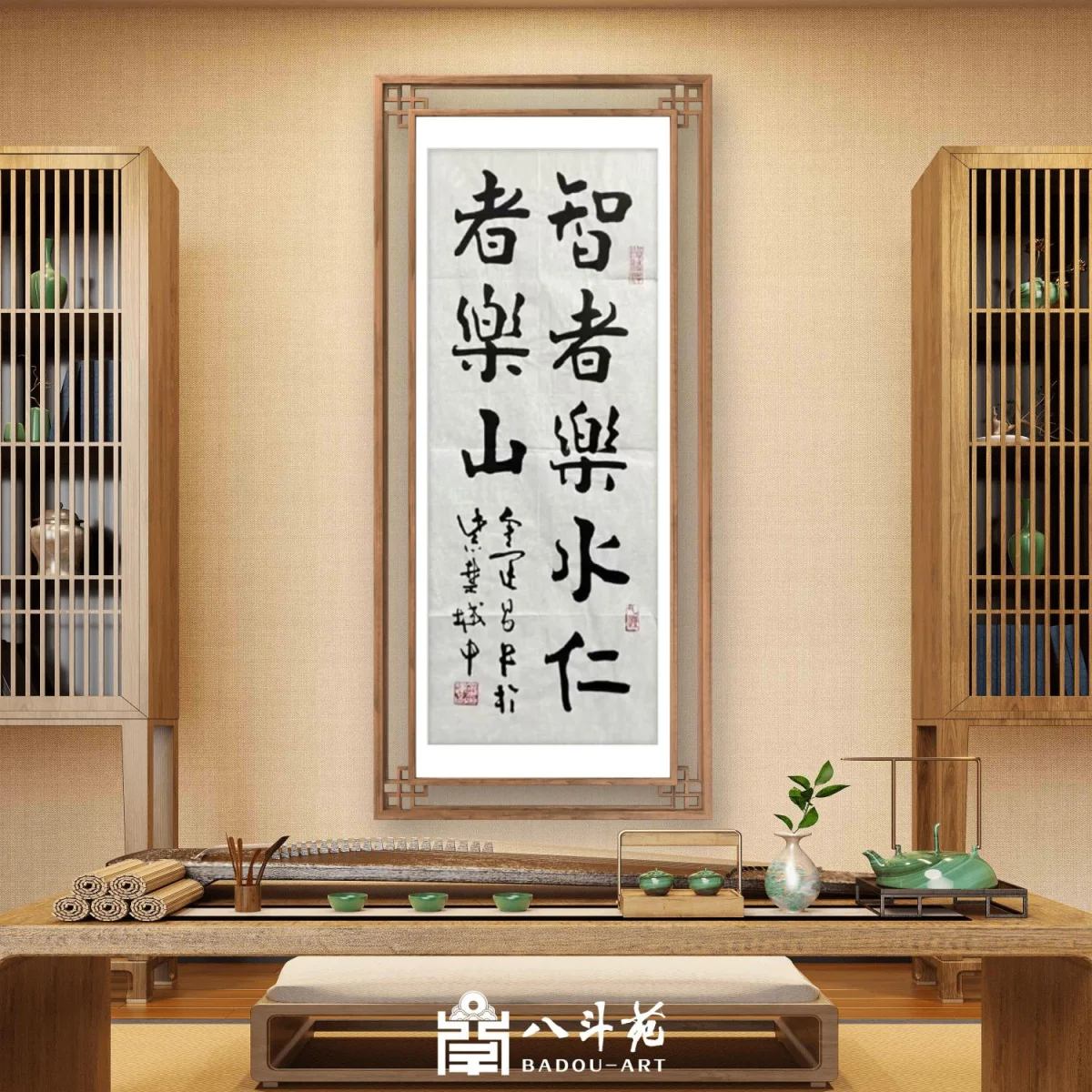
Jin Yunchang Calligraphy | 智者樂水仁者樂山
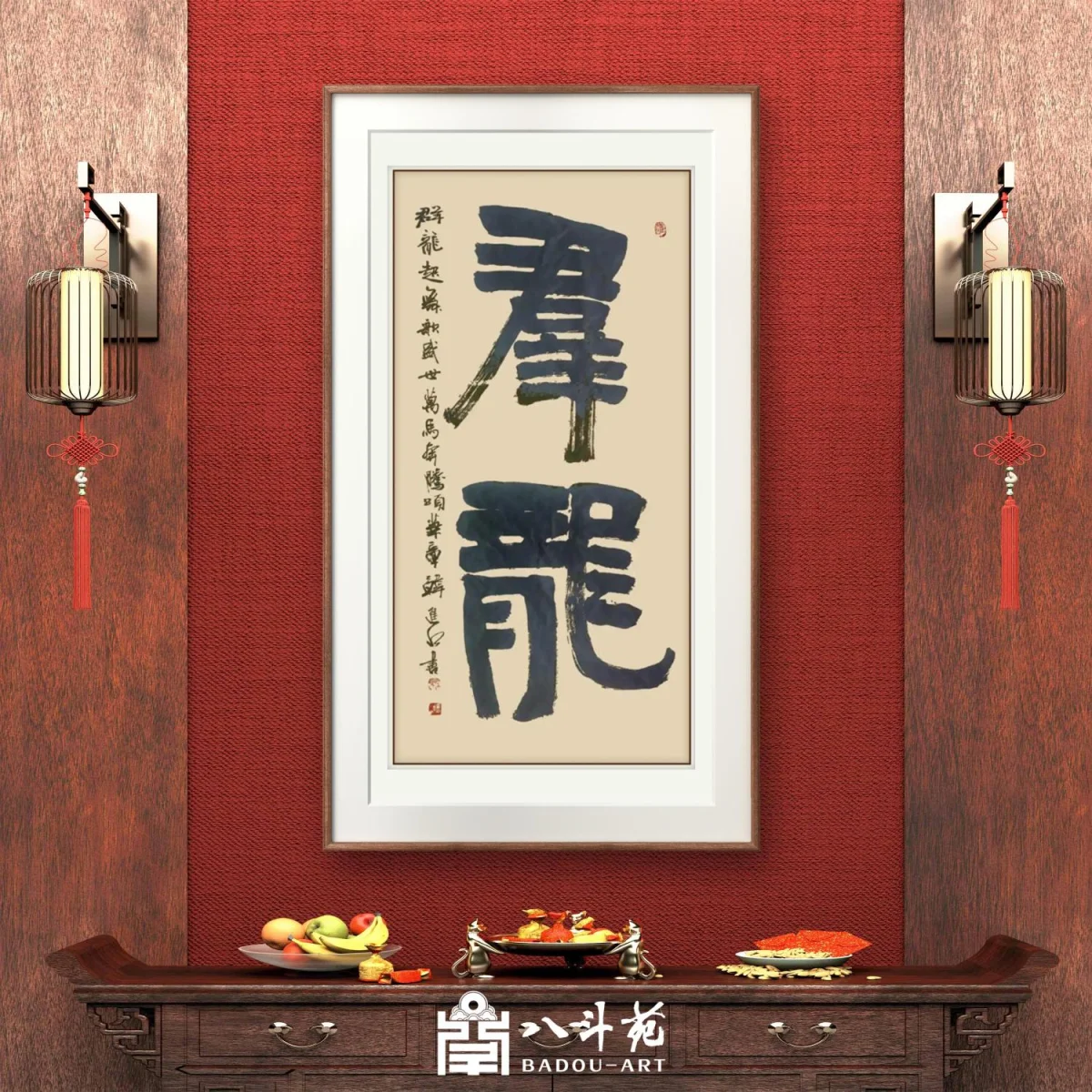
Han Jinshui Calligraphy | 羣龍 (A Group of Dragons)
Michael Cherney: Photographing Chinese Landscapes at UCCA
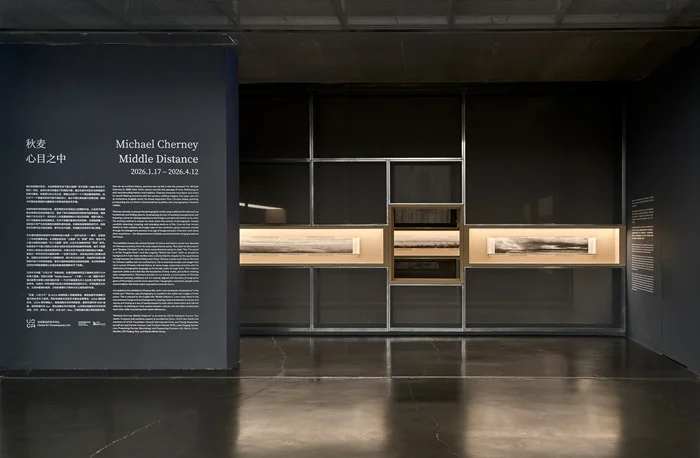
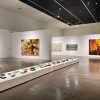
At the start of 2026, UCCA Center for Contemporary Art in Beijing opened “Qiumai: In the Mind’s Eye” (秋麦:心目之中), a solo exhibition of the American photographer Michael Cherney, known in Chinese as Qiumai. Drawing on nearly two decades of practice, the show presents more than 20 major works — including his “Ten Thousand Li of the Yangtze River” series — and explores how photography can carry on the viewing traditions of Chinese landscape painting.
An American Eye on Chinese Landscape
Cherney was born in New York in 1969 and studied Chinese and East Asian history at Binghamton University before continuing his Chinese studies at Beijing Language and Culture University in 1991. More than three decades later, he still lives in Beijing, traveling widely across China with his camera.
His works belong to the collections of the Metropolitan Museum of Art, the Art Institute of Chicago, the Harvard Art Museums, and the Yale University Art Gallery, among others. Previous solo exhibitions include “In Stone and Mist” at the Nelson-Atkins Museum of Art in Kansas City (2014) and shows at Beijing’s Three Shadows Photography Art Centre and 798 Art District.
Photographing the Yangtze Like a Handscroll
The exhibition’s centerpiece is “Ten Thousand Li of the Yangtze River” (2010–2015), 42 photographic handscrolls that trace the river from source to sea. Inspired by an anonymous Song dynasty handscroll in the Freer Gallery of Art in Washington, DC, Cherney used satellite maps and coordinates to plan his viewpoints before shooting. Twelve of the 42 works are shown together for the first time, alongside a video of the complete scroll (2016) that runs 5 hours 40 minutes.
Between Photography and Painting
Cherney prints his images on rice paper and mitsumata paper, and presents them in Chinese formats — handscrolls, albums, and hanging scrolls — that slow the eye and ask viewers to move through time rather than capture a single instant. His deliberately soft, grainy, low-resolution images stand in contrast to the “decisive moment” philosophy of Henri Cartier-Bresson: instead of freezing a peak moment, Cherney leaves room for ambiguity, memory, and atmosphere — qualities he sees as closer to lived perception and to the *yijing* (artistic mood) prized in Eastern aesthetics.
The exhibition design mirrors this logic: works unfold along a dim corridor hung with translucent gray gauze, evoking the “moving views” of a Chinese garden, with generous white space inviting quiet contemplation.
Calligraphy, History, and New Works
A recent work, “Su–Thoreau” (2025), pairs a photograph of birds at Poyang Lake with bilingual calligraphy — Chinese text from Su Shi’s *Later Ode to the Red Cliff* and English from Thoreau’s *A Week on the Concord and Merrimack Rivers*, both describing birds rising from the water. Other works address historical themes, such as “Stele Without Words” (2007), which turns its lens on the commemorative stele of Empress Wu Zetian, China’s only female emperor, its weathered surface echoing the tradition of rubbing inscriptions.
Cherney, who practices calligraphy himself and studied under the Chinese-American calligrapher and painter Zhu Chengjun, treats photography as a bridge between East and West — using the brush, the seal, and the long scroll to ask what a landscape really is when seen with the mind’s eye. “Qiumai: In the Mind’s Eye” is on view at UCCA Beijing.