Our Featured Collection
Hand‑picked premium works for you
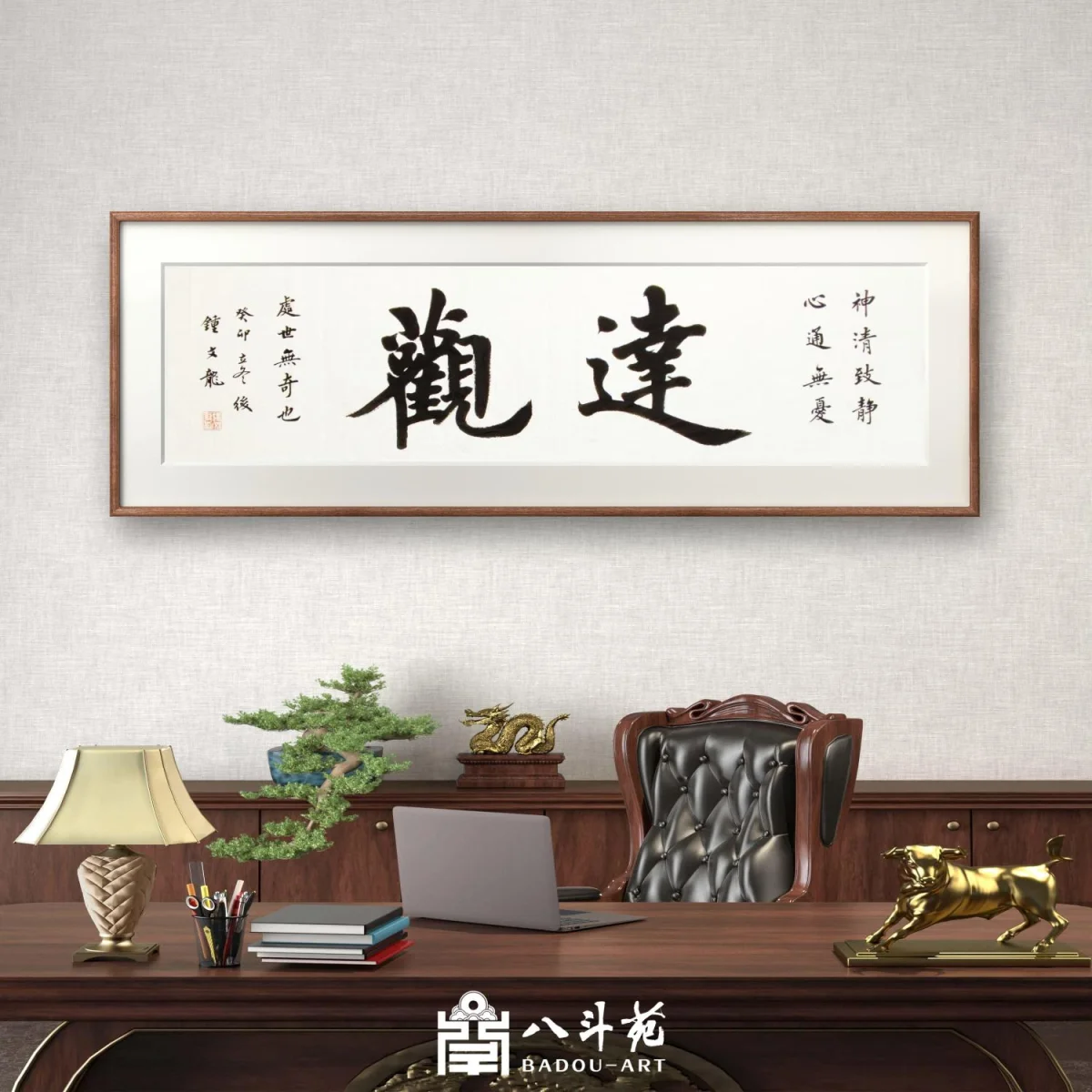
Zhong Wenlong Calligraphy | 达观
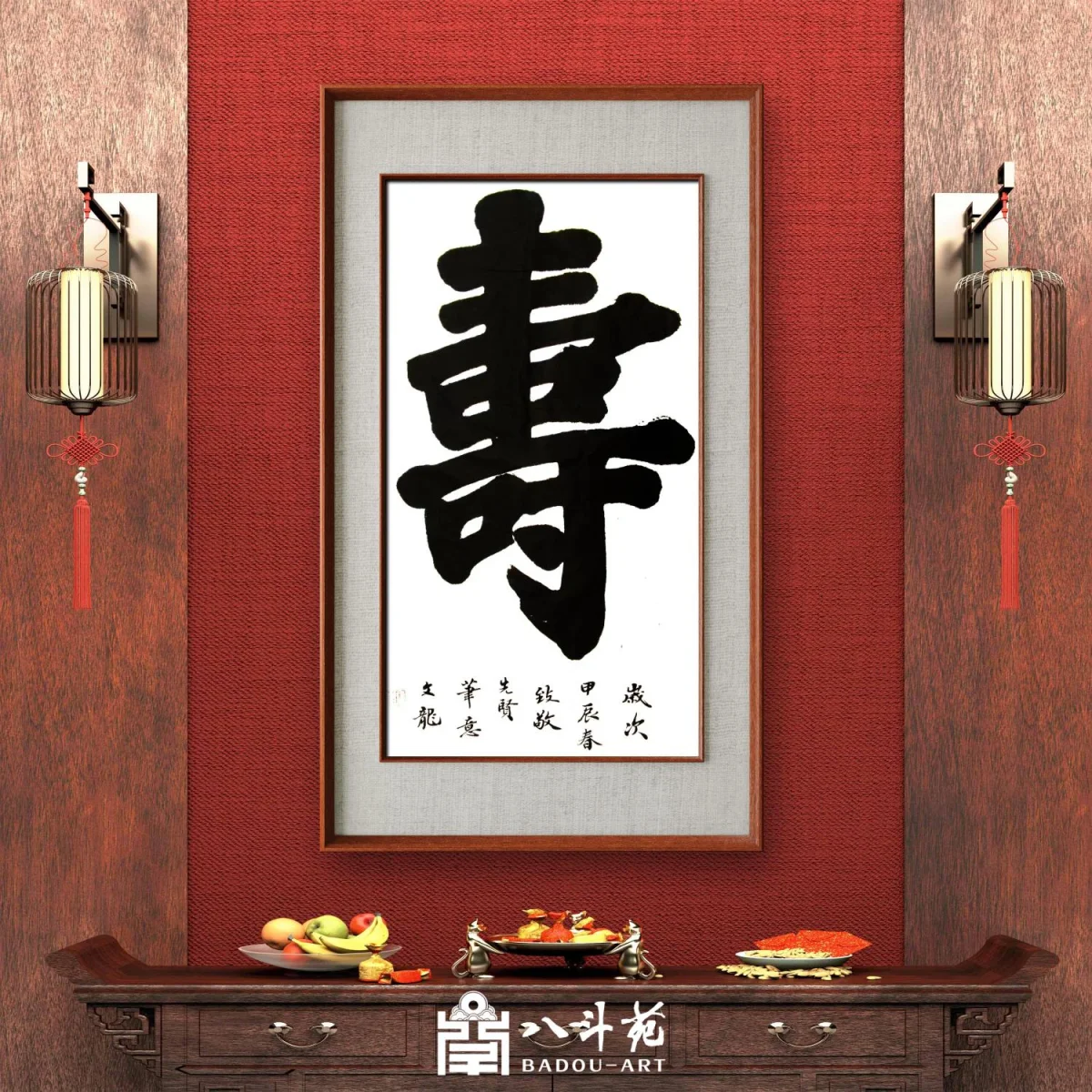
Zhong Wenlong Calligraphy | 壽
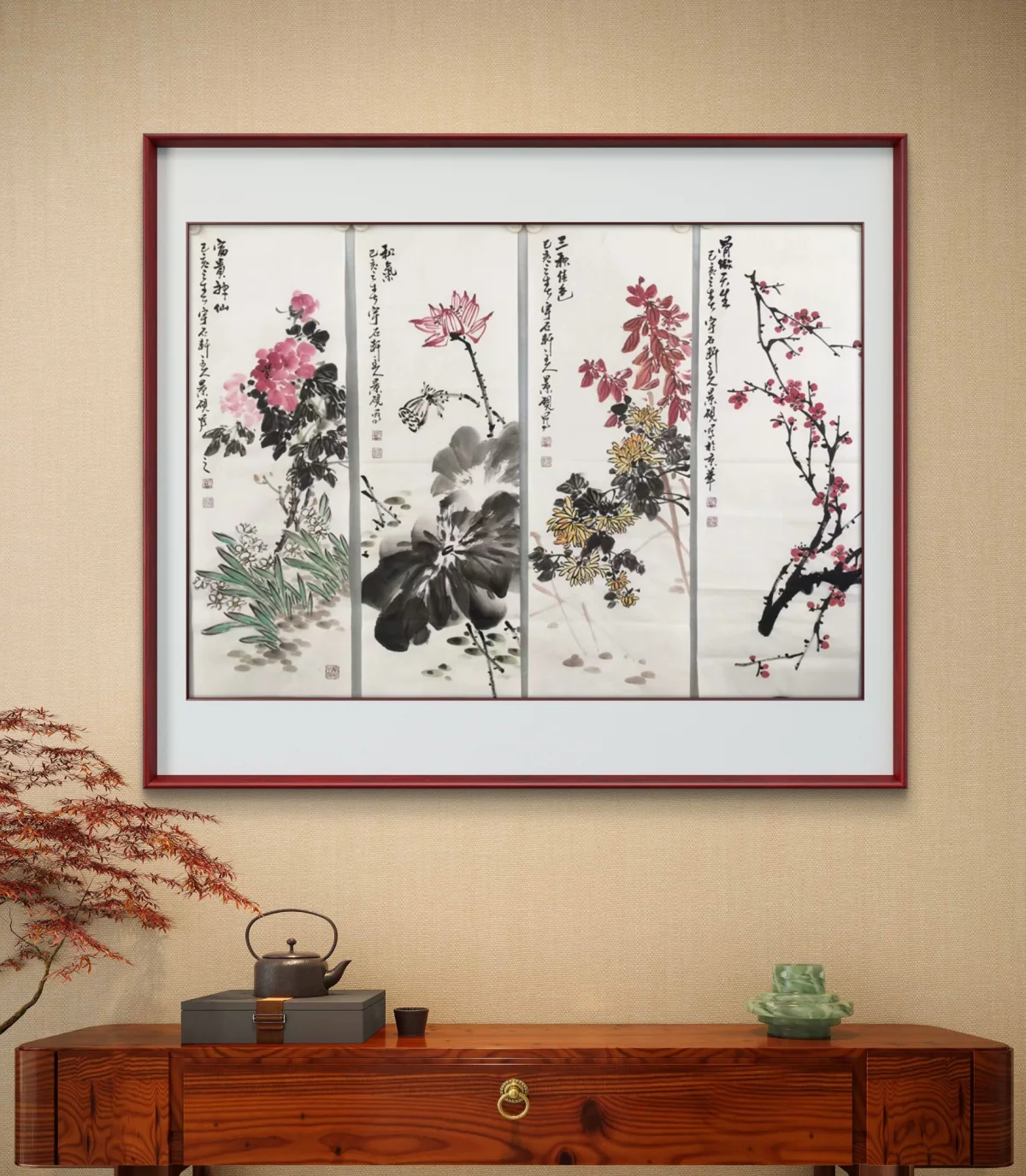
Wu Jingyan Chinese Freehand Painting・Four‑Panel Flower‑and‑Bird Screens(花鸟四条屏)
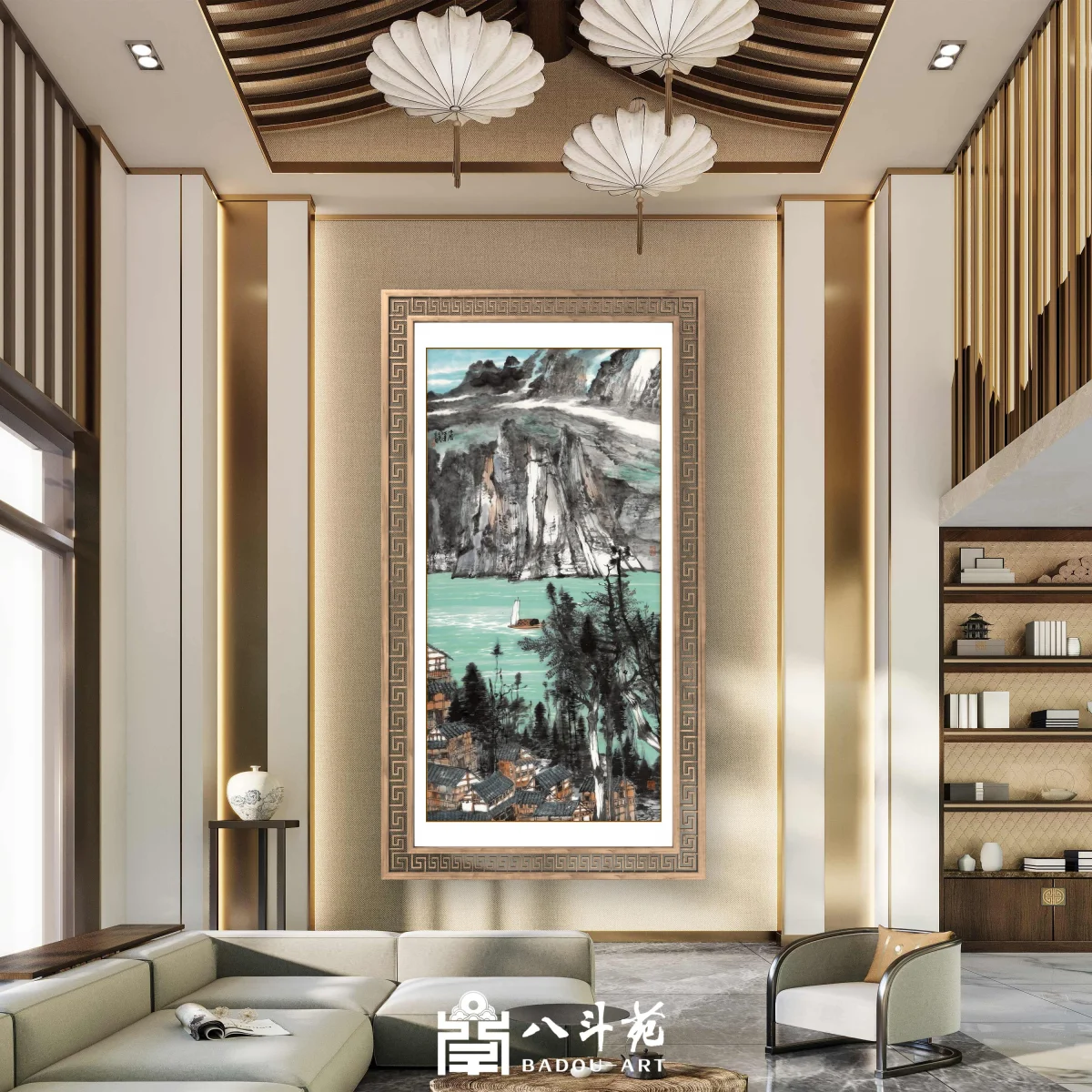
Liu Liyong Landscape Painting | Riverside Mountain Hamlet (山居江远)
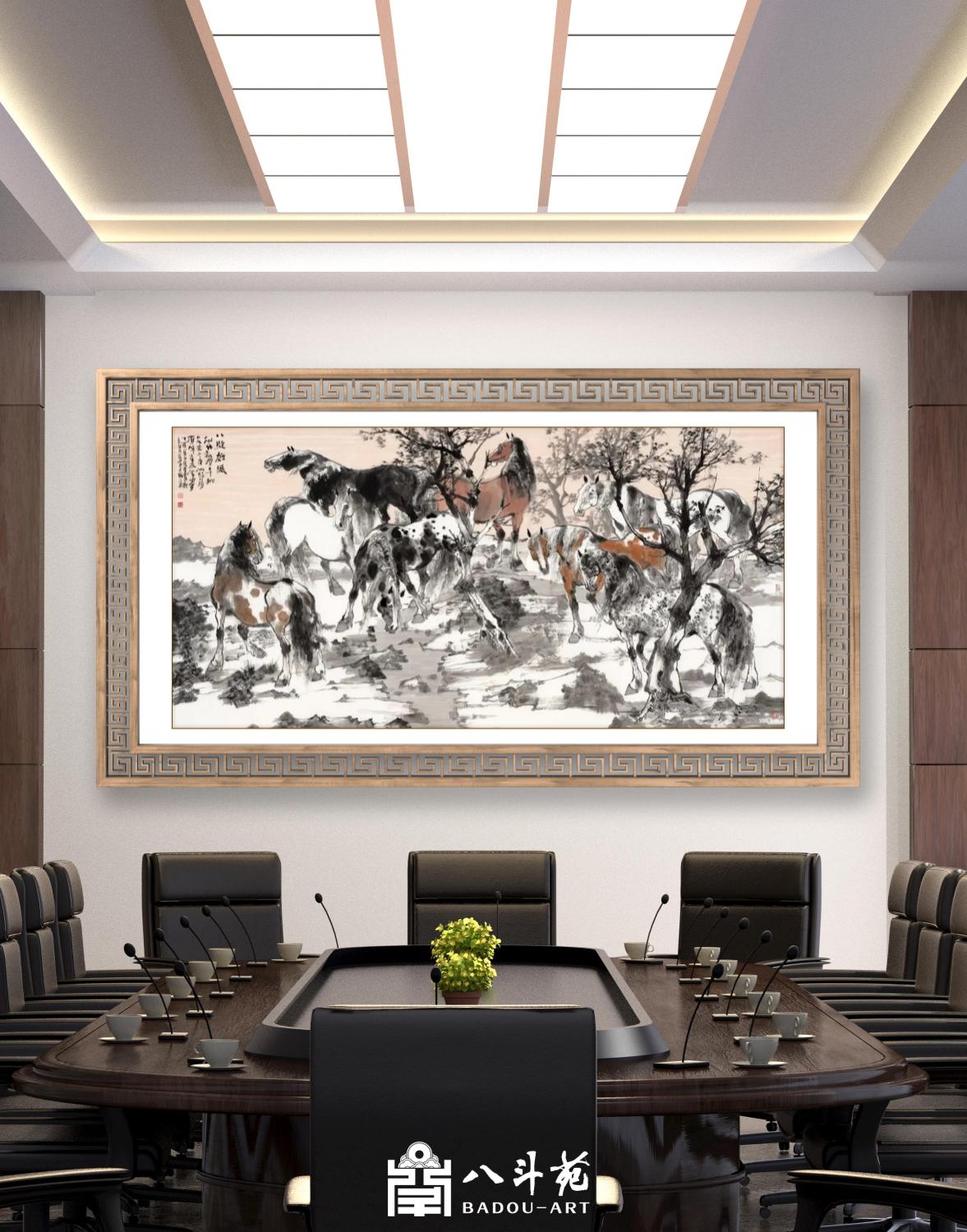
Liu Liyong Animal Painting | Eight Steeds (八骏图)
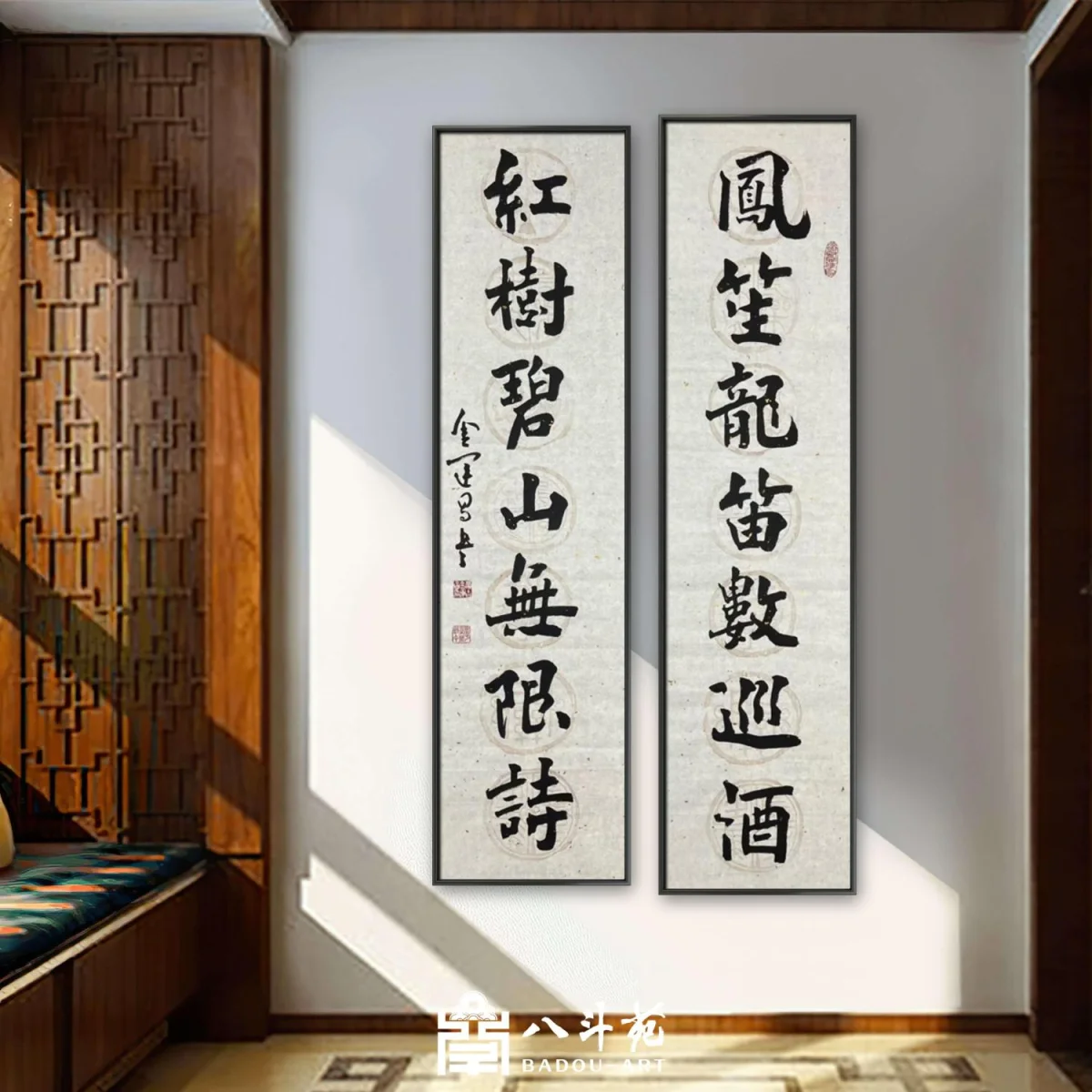
Jin Yunchang Calligraphy | 鳳笙龍笛數巡酒
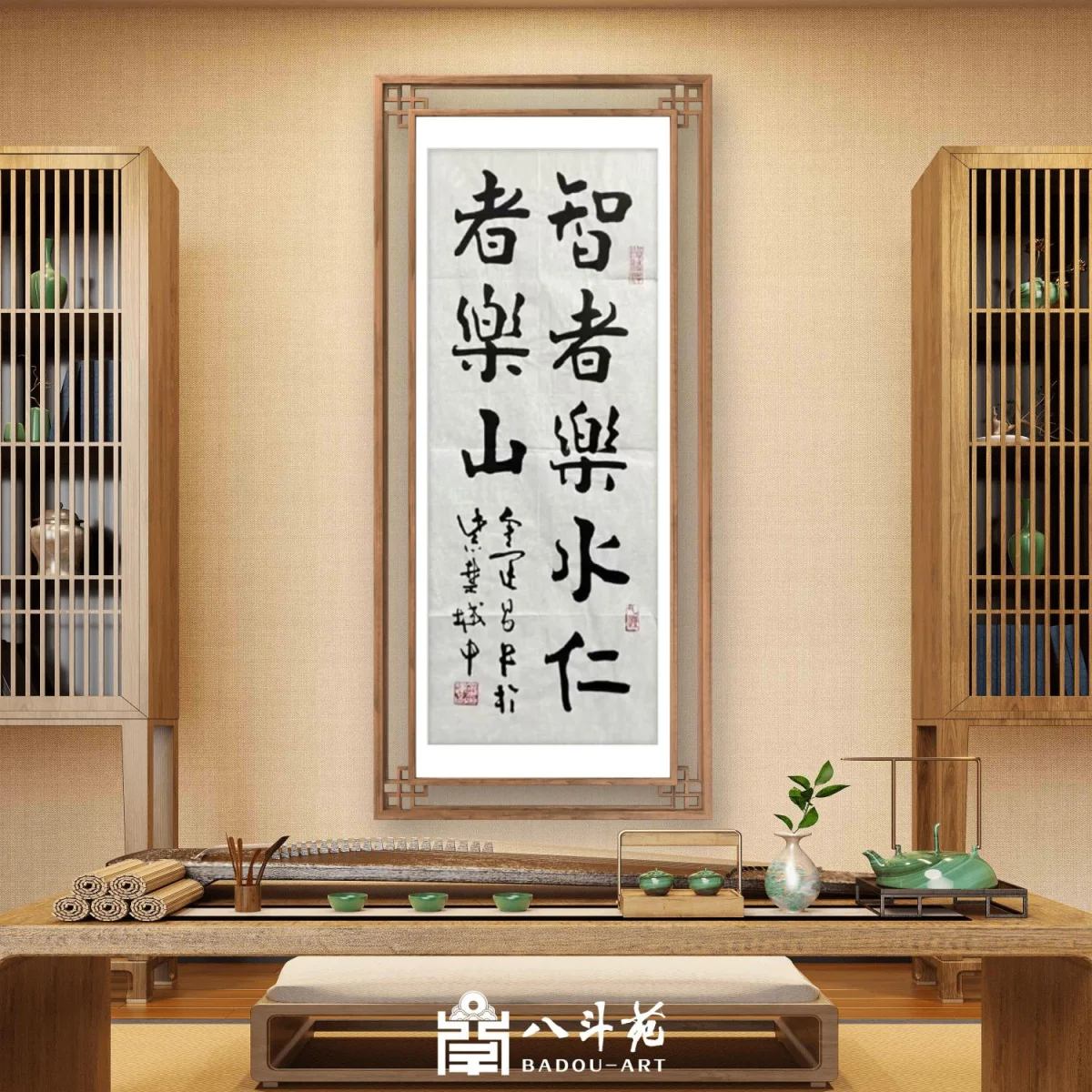
Jin Yunchang Calligraphy | 智者樂水仁者樂山
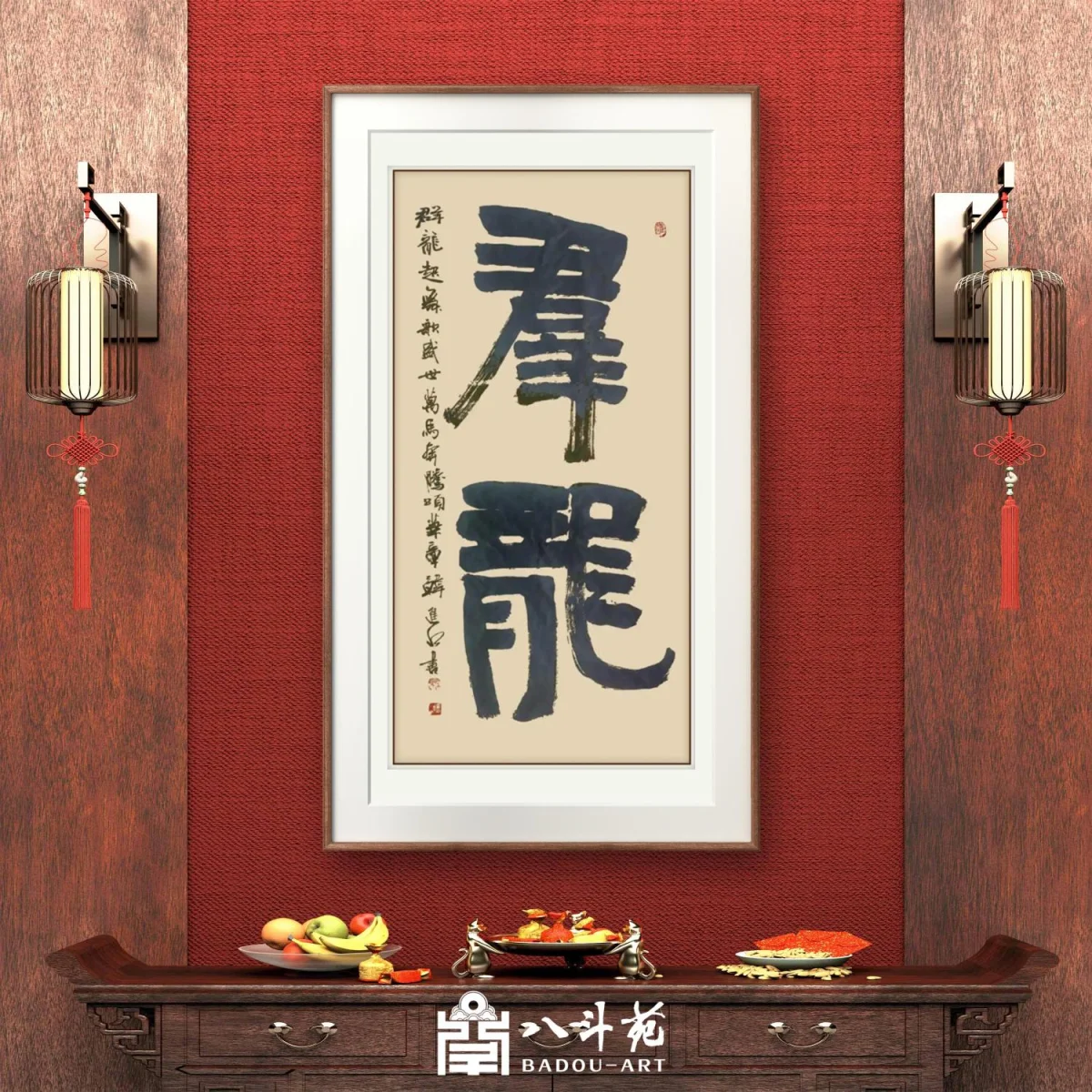
Han Jinshui Calligraphy | 羣龍 (A Group of Dragons)
Plaque Calligraphy for Scenic Spots: Culture Meets Travel
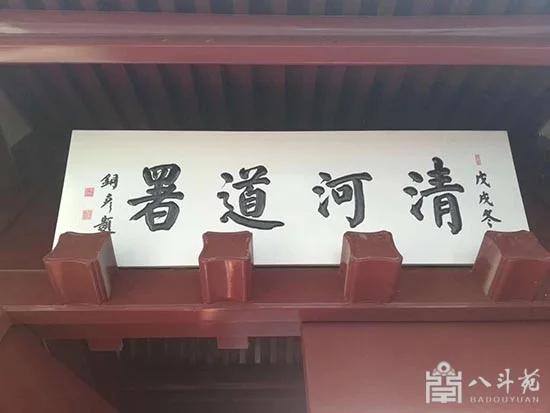
Plaque Calligraphy for Scenic Spots: Culture Meets Travel
Travelers who visit China’s famous mountains, temples, and gardens often notice something beyond the scenery: elegant boards of calligraphy hanging over gates, halls, and pavilions. Known as paibian (inscribed plaques), these carved inscriptions are one of China’s oldest traditions of public art. In the era of “cultural tourism,” visitors look for human stories and artistic traces as much as natural views. This article explains why plaque calligraphy matters at scenic spots — and how you can commission a plaque of your own.
Calligraphy as Part of the Landscape
Chinese culture has always paired calligraphy and painting with natural beauty. Artists once traveled “ten thousand miles of road” to draw inspiration from mountains and rivers, and their brushwork later found a home in the very places that inspired it. At Mount Tai, stone inscriptions in small seal script (xiaozhuan) echo the grandeur of the First Emperor’s unification of China more than two thousand years ago. In Qufu, the Han dynasty stele corridor carries visitors back to an age of dignified, powerful script. The small-script sutra carvings at Fangshan’s Yunju Temple and the bird-and-flower screen windows of Suzhou’s classical gardens show the same partnership: art and scenery enrich each other.
Why Inscribed Plaques Elevate a Destination
For travelers, these cultural traces weigh as much as the scenery itself. A well-placed plaque turns a visit into a cultural experience, adding layers of history and taste. Chinese tourism managers increasingly commission master calligraphers to write plaques and couplets for scenic areas — a refined touch that raises a site’s cultural level and draws more visitors. One celebrated example is Shao Huaze, a former president of the People’s Daily, who inscribed “Mei Jiu He” (Wine River) for the riverside at Moutai. Calligraphers such as Zhang Tongyan, Li Shaoqing, and Deng Lingying have likewise created bold plaques and couplets for temples, cultural venues, and scenic spots.
Commissioning a Calligraphy Plaque
Commissioned calligraphy goes far beyond scenic sites. Master calligraphers are asked to write plaques for memorial occasions, cultural landmarks, brand signage, film and book titles, advertising, and private collections. Choosing the right calligrapher matters, and so does the script: dignified clerical script (lishu) or regular script (kaishu) suits traditional architecture, while freer running script (xingshu) feels livelier and more contemporary.
Custom Plaques from Badou Art
Badou Art (Badou Yuan, 八斗苑), the commission studio behind the Wubentang brand, works with a screened roster of celebrated calligraphers and painters — including Zhang Tongyan, Lu Zhongnan, Li Shaoqing, Deng Lingying, and Fan Zeng. Every plaque, couplet, and painting is hand-written, never printed. Whether you need a single inscribed board for a heritage hotel, a pair of couplets for a temple gate, or a hand-painted landscape for a lobby, the studio tailors style, scale, and pricing to each request.
If you’re considering an inscribed plaque for a property, business, or cultural project, Badou Art’s specialists are happy to guide you through style, wording, and sizing.