Our Featured Collection
Hand‑picked premium works for you
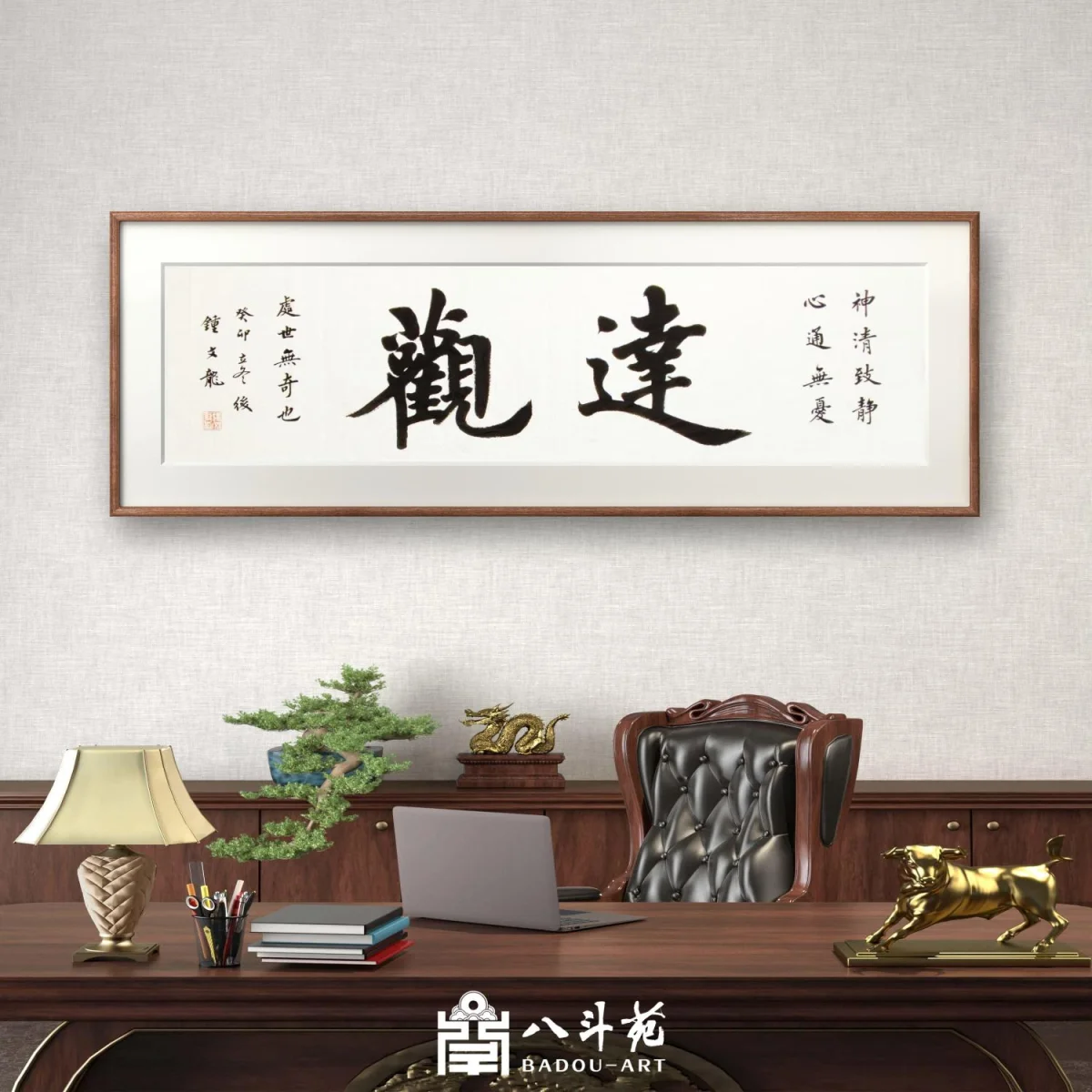
Zhong Wenlong Calligraphy | 达观
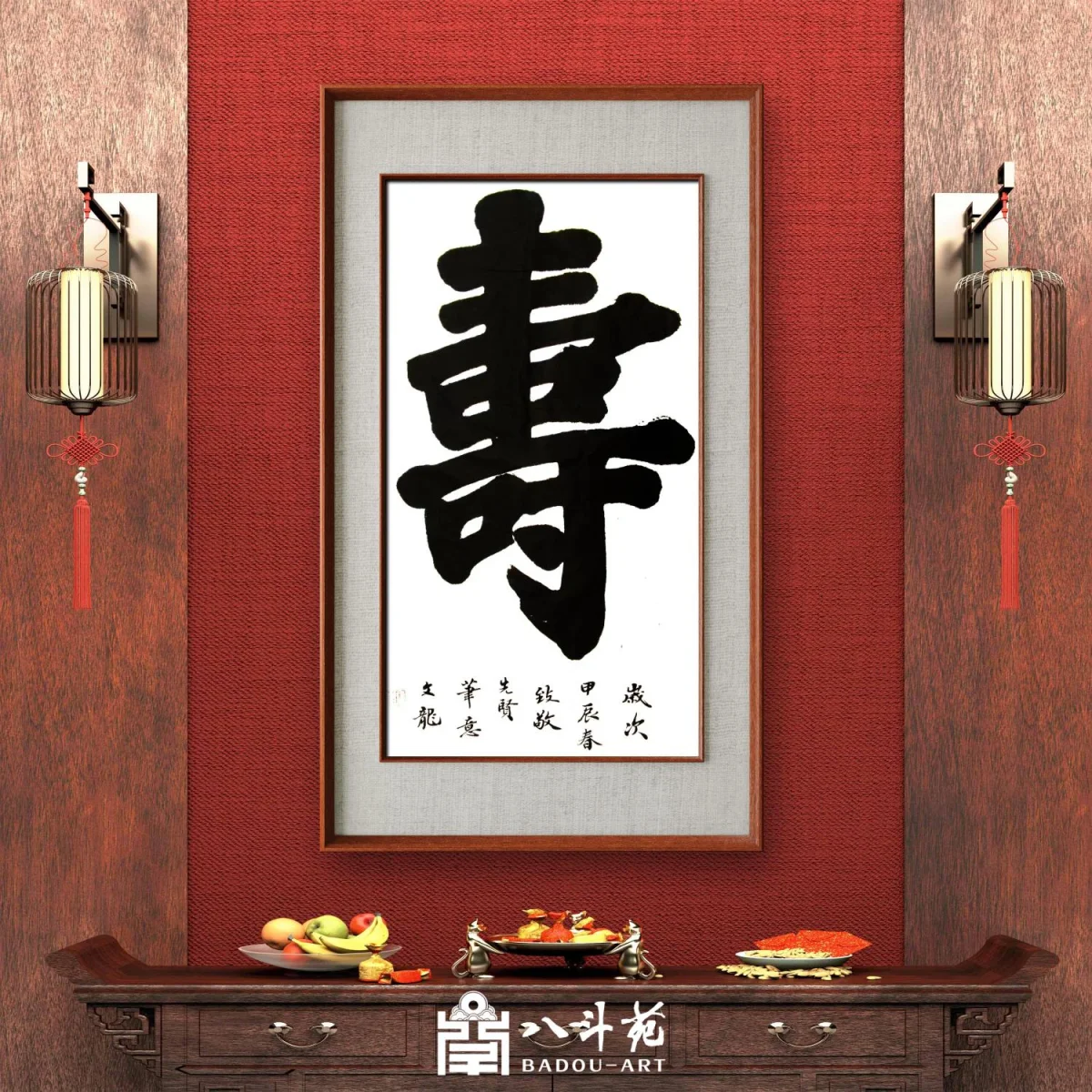
Zhong Wenlong Calligraphy | 壽
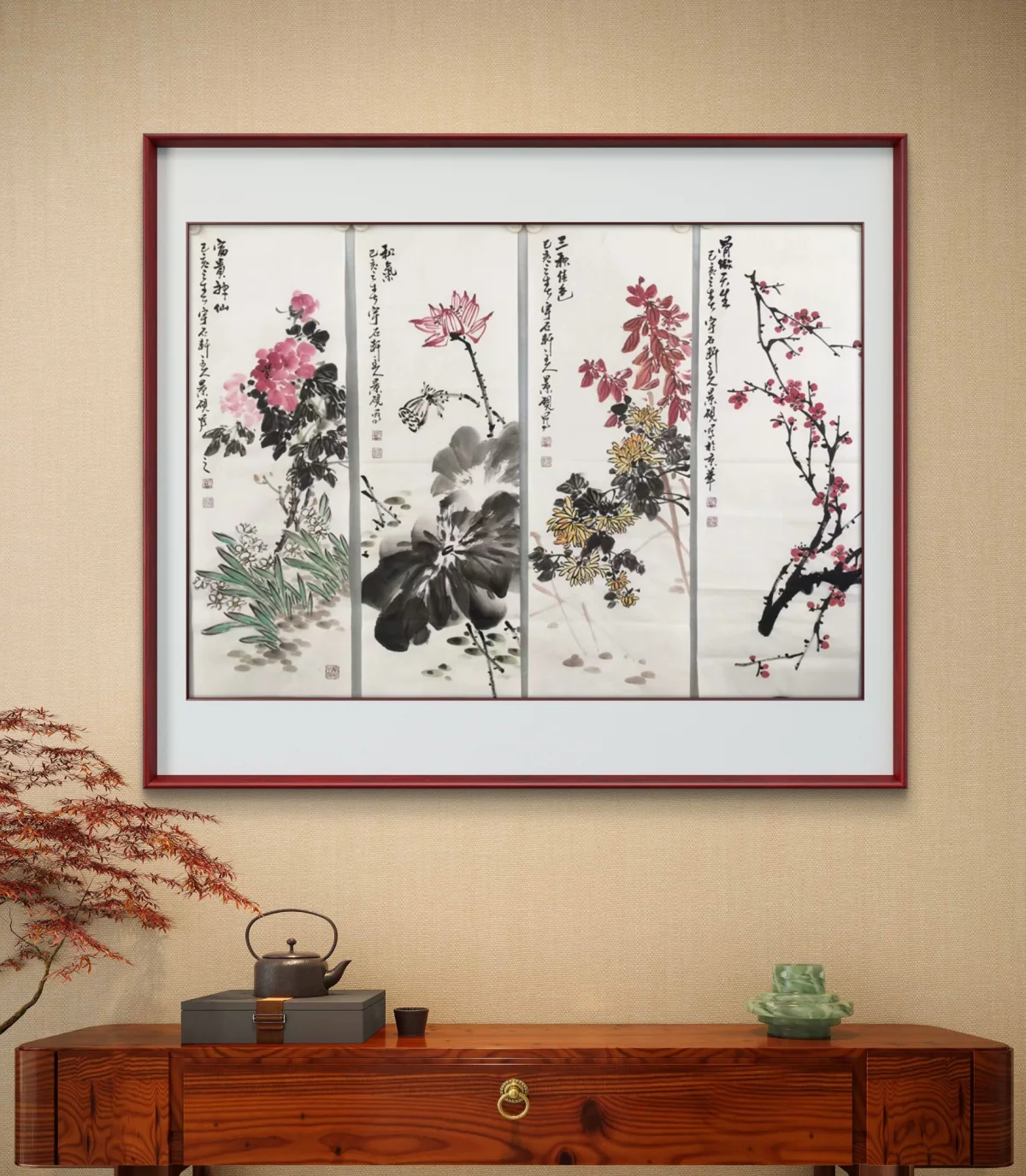
Wu Jingyan Chinese Freehand Painting・Four‑Panel Flower‑and‑Bird Screens(花鸟四条屏)
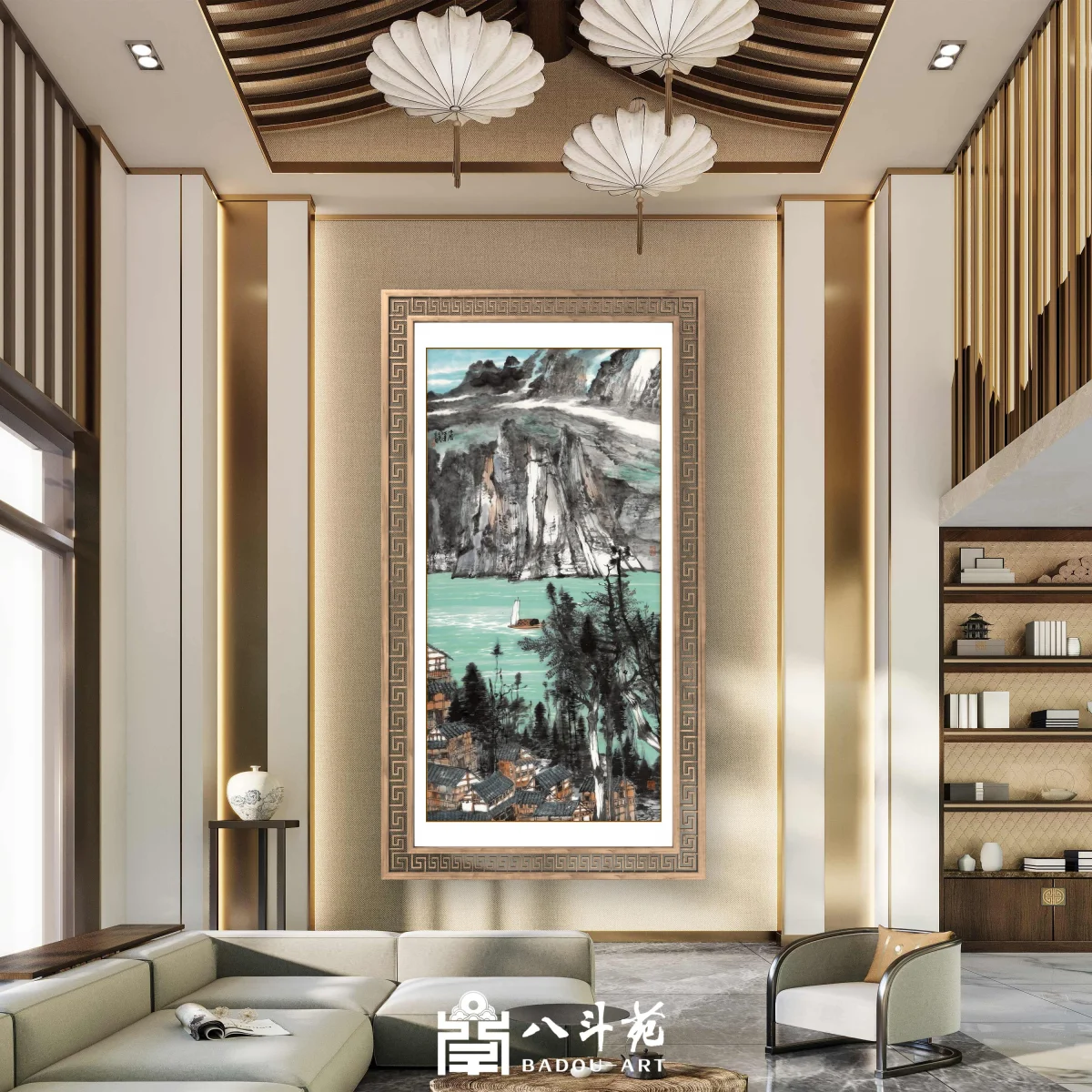
Liu Liyong Landscape Painting | Riverside Mountain Hamlet (山居江远)
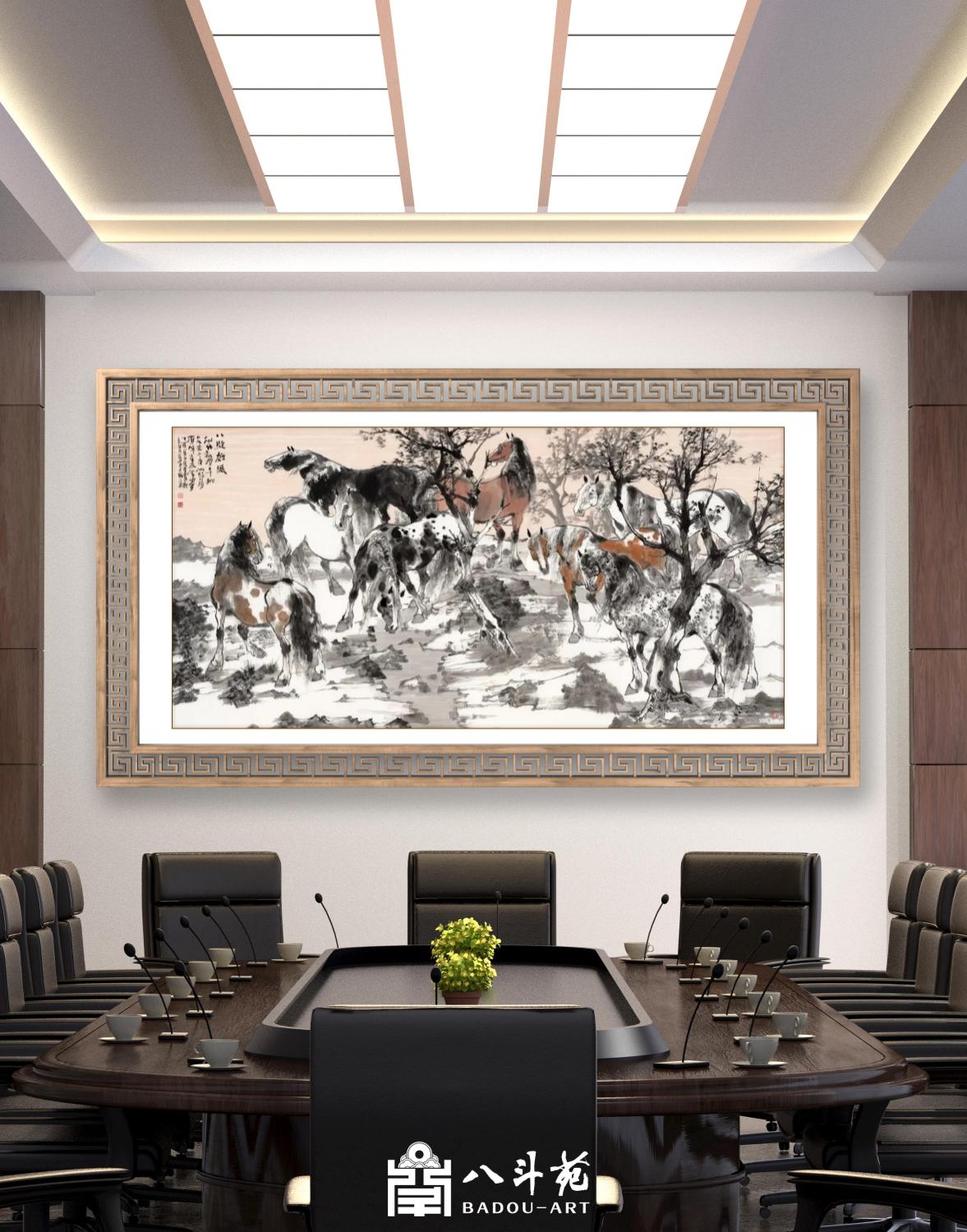
Liu Liyong Animal Painting | Eight Steeds (八骏图)
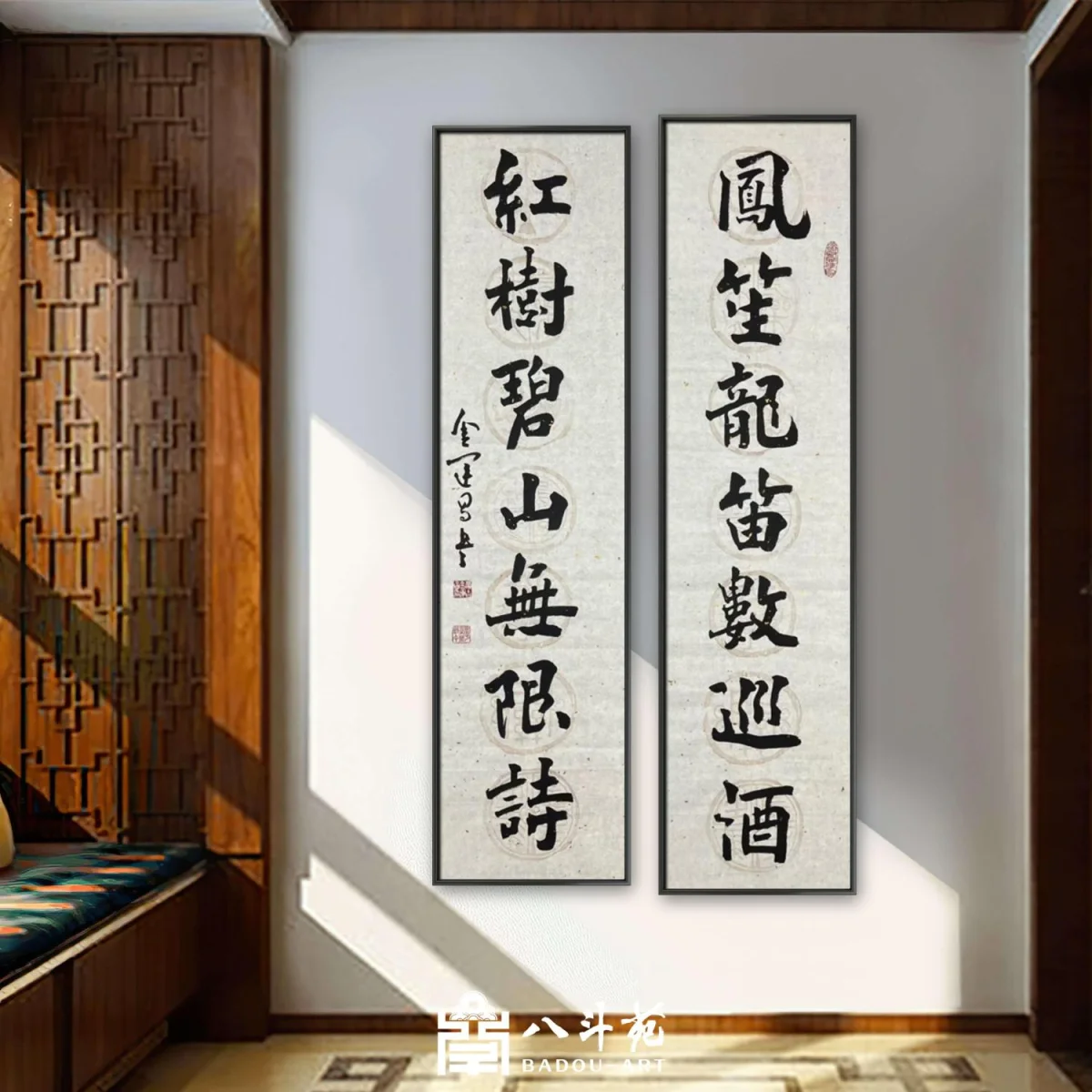
Jin Yunchang Calligraphy | 鳳笙龍笛數巡酒
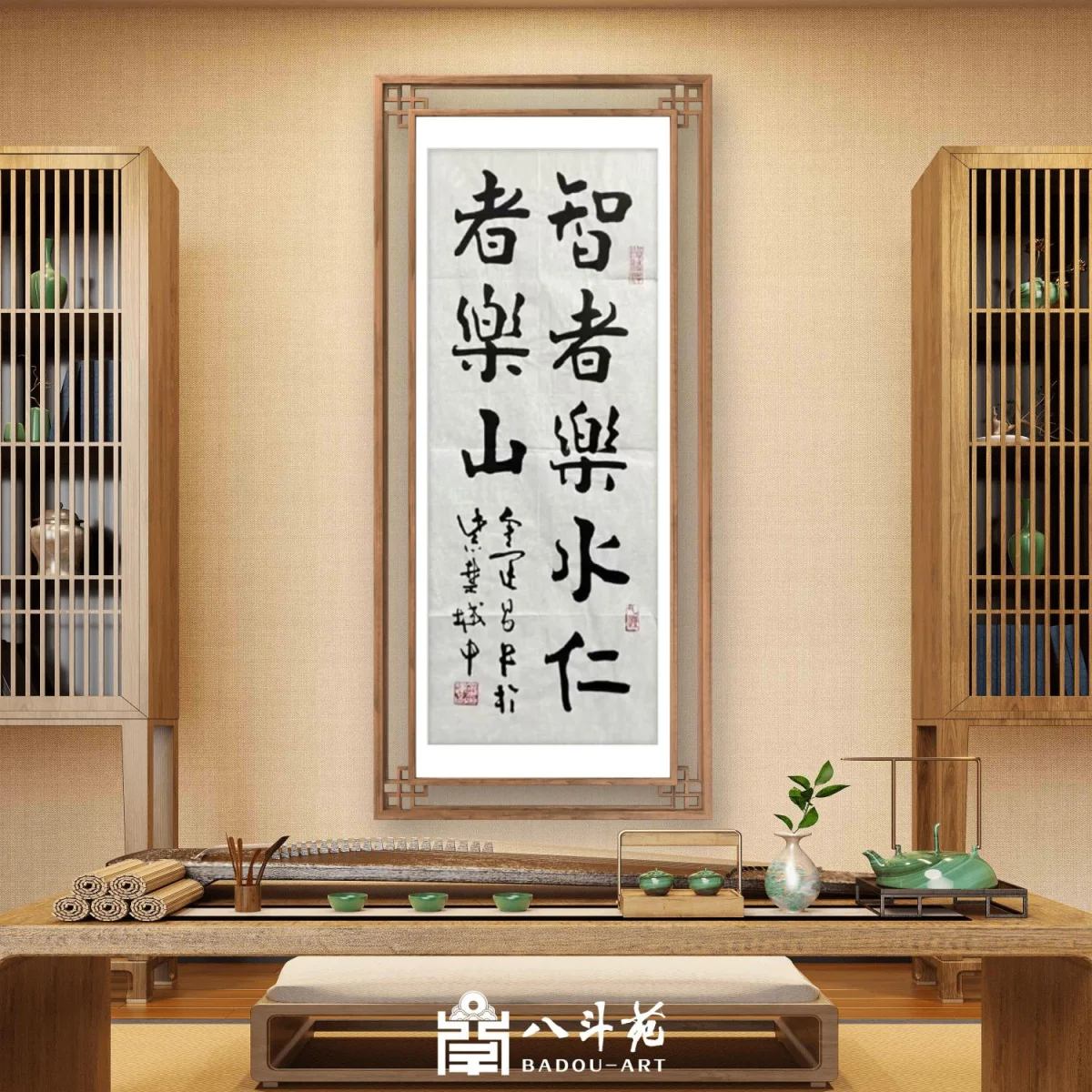
Jin Yunchang Calligraphy | 智者樂水仁者樂山
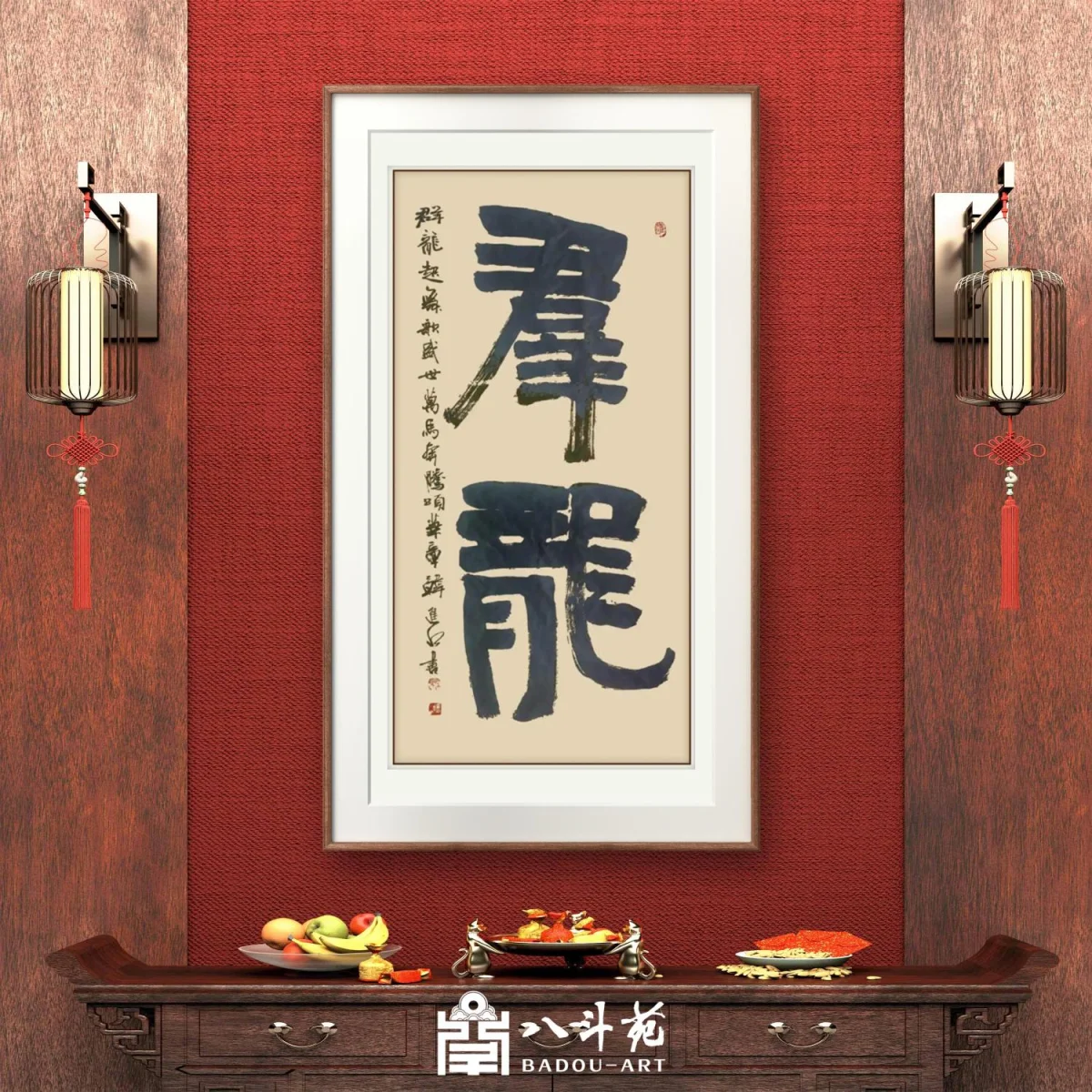
Han Jinshui Calligraphy | 羣龍 (A Group of Dragons)
Qi Baishi’s Price List: Stories Behind the Master’s Runge
Qi Baishi’s Price List: Stories Behind the Master’s Runge
For over a century, Chinese artists have published a *runge* (润格) — an official price list for their calligraphy, paintings, and carved seals. It is a tradition of transparent pricing that long predates modern art markets. Few figures illustrate it better than Qi Baishi (齐白石, 1864–1957), China’s most beloved modern painter, whose price lists are now part of art legend.
The Runge Tradition
By the Republican era (1912–1949), publishing a runge was a common social practice. Historians identified five types of people who set price lists: professional painters who lived by their brush; retired officials who priced their work high to signal incorruptibility; serving officials who traded on their names; learned scholars who refused to join mainstream politics and supported themselves through art; and eccentric recluses who posted prices but answered only when the mood struck.
A Master’s Early Price Tags
Qi Baishi began as a carpenter, so he never felt ashamed to charge for his art. His earliest price list, set in 1902 by the poet Fan Fanshan, fixed seal-carving fees at three gold pieces per character for common name seals, with small seals at ten. Later, the master Wu Changshuo set his painting rates: 12 yuan for a four-chi work (a chi is a Chinese foot of about 33 cm), 18 for five chi, 24 for six chi, 30 for eight chi, and 6 yuan for an album leaf or folding fan.
“Please Pay According to the Price List”
After settling in Beijing, Qi Baishi set his own prices and hung this notice in his living room in 1920: “When I sell paintings, friendship does not apply. A gentleman keeps his dignity — please pay according to the price list.” Another notice added: “Ten yuan extra for each insect in a flower painting; twenty yuan extra for each bee.” No bargaining, no credit. Even when he asked famous friends for inscriptions or prefaces, he paid their rates in full — “good friends, clear accounts.”
Money Never Trumped Freedom
Qi Baishi refused any commission that compromised his standards: no portraits, no meticulous work on demand, no rushed pieces, no seals on crystal, jade, or ivory, no vulgar inscriptions. During the Japanese occupation of the 1940s, he posted a bold notice on his door: “Officials, Chinese or foreign, who wish to buy my paintings should send a representative. Officials never enter a civilian’s home — it brings the owner no good.” He was not refusing to sell; he was refusing to deal with the occupiers’ agents.
The Legend of Two Shrimp
One visitor’s money could buy only one and a half shrimp, yet he wanted two. Qi Baishi took the payment and painted a shrimp playing at the water’s edge — then a second shrimp half-hidden behind layered ripples. Two shrimp for the price of one and a half, with his price list never bent. He knew money mattered, but so did dignity, humor, and artistic freedom.
Understanding how masters like Qi Baishi priced their work makes every commission more meaningful. If you’re considering a commissioned piece, Badou Art’s specialists are happy to guide you.
Source: https://www.cntizi.com/5971.html