Our Featured Collection
Hand‑picked premium works for you
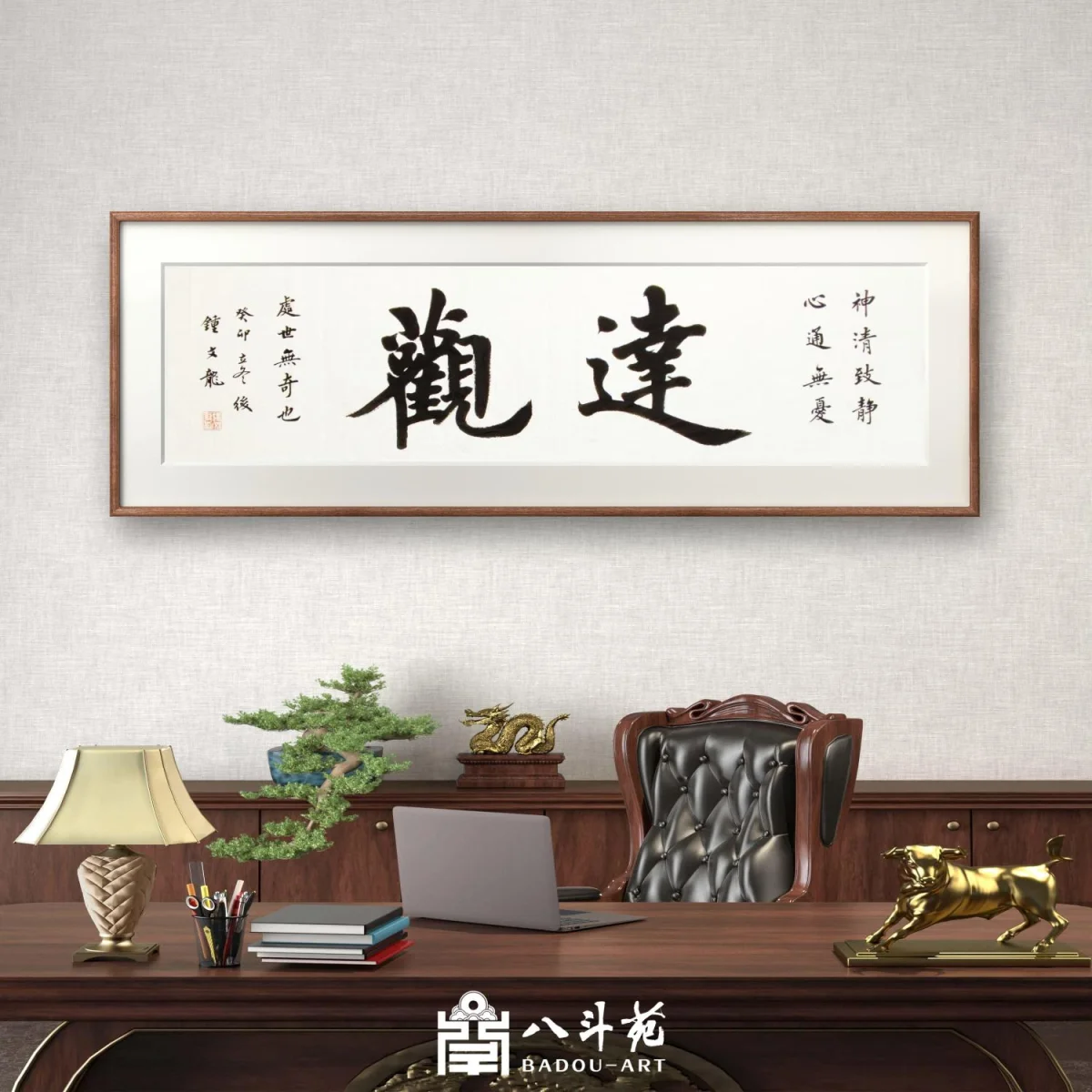
Zhong Wenlong Calligraphy | 达观
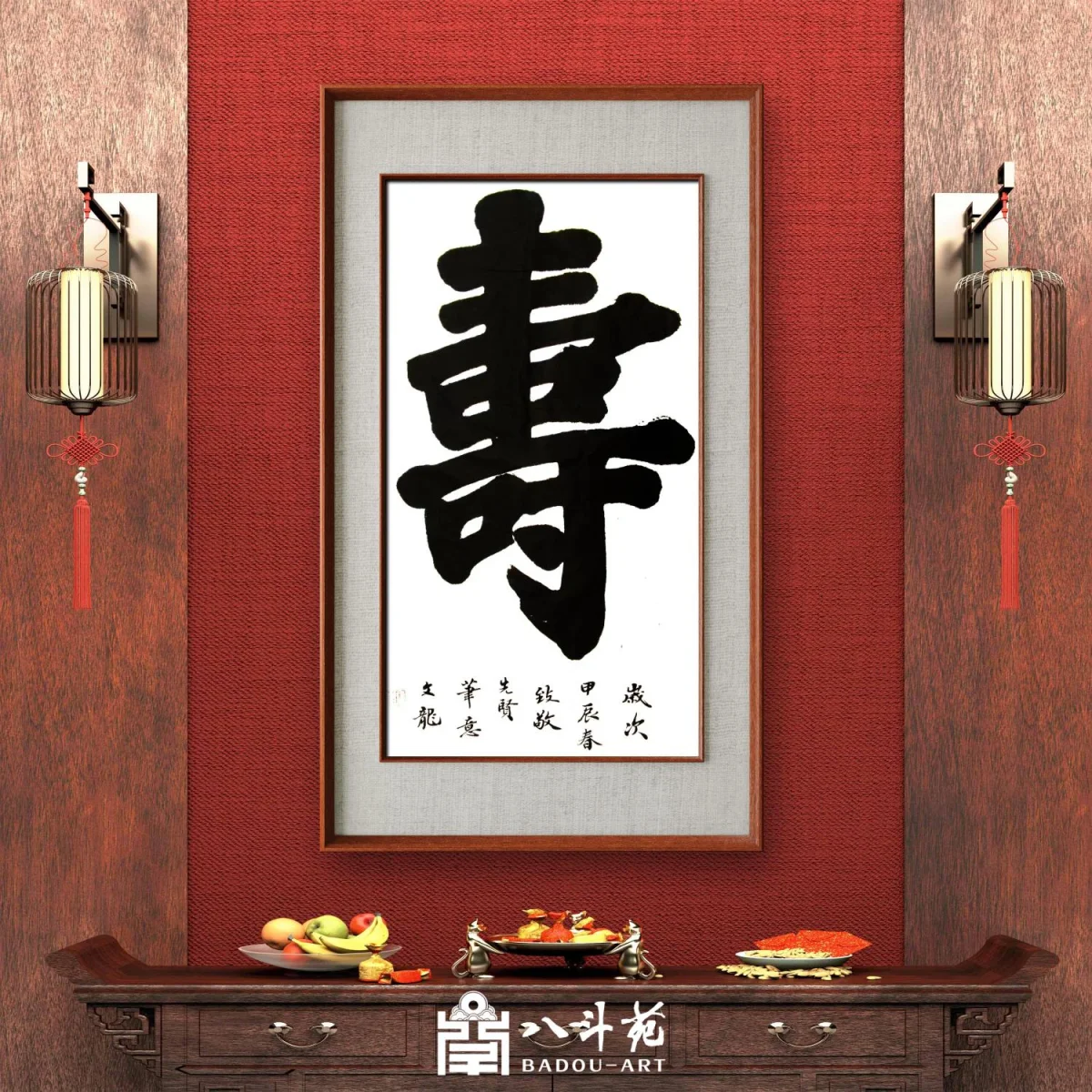
Zhong Wenlong Calligraphy | 壽
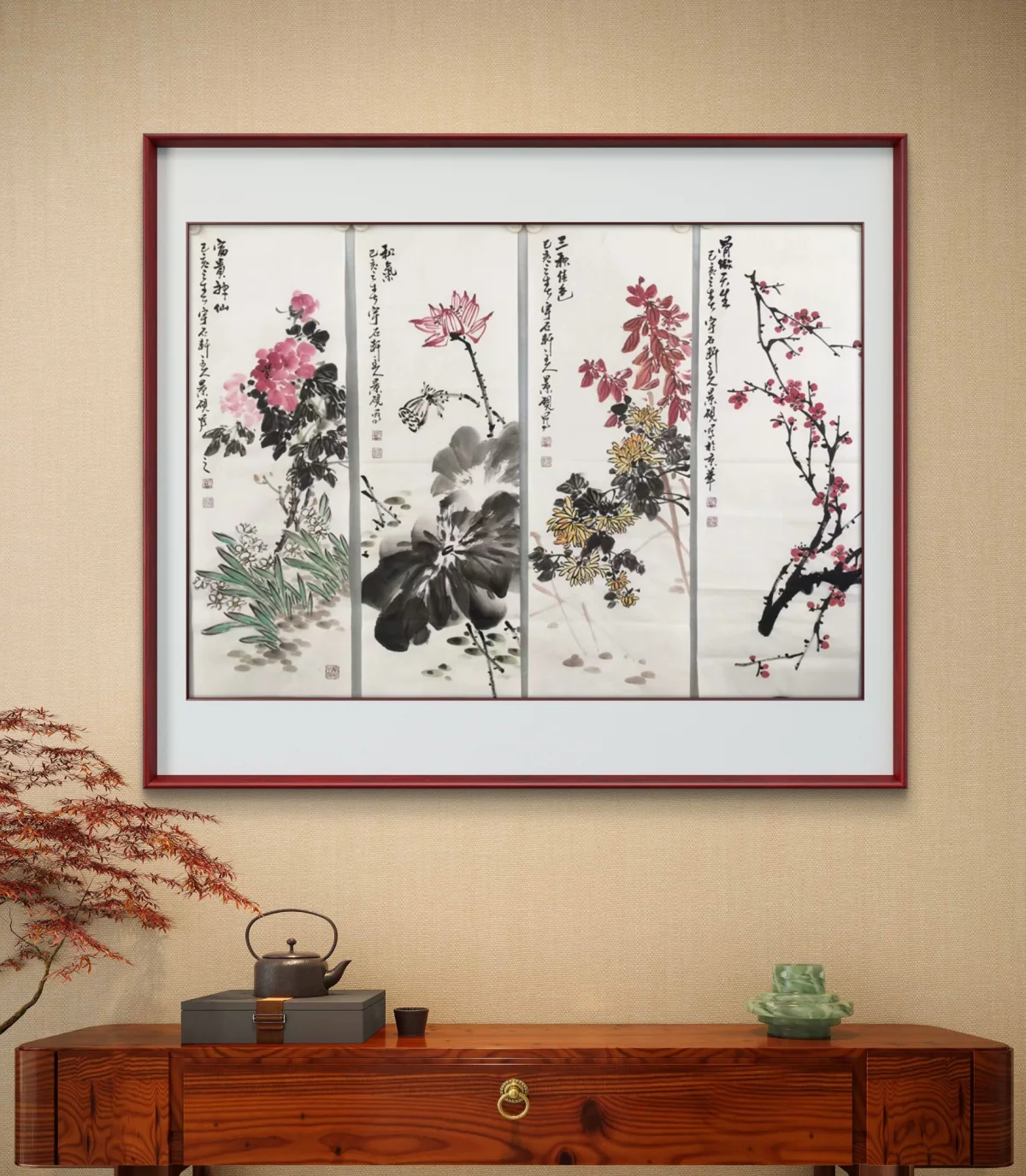
Wu Jingyan Chinese Freehand Painting・Four‑Panel Flower‑and‑Bird Screens(花鸟四条屏)
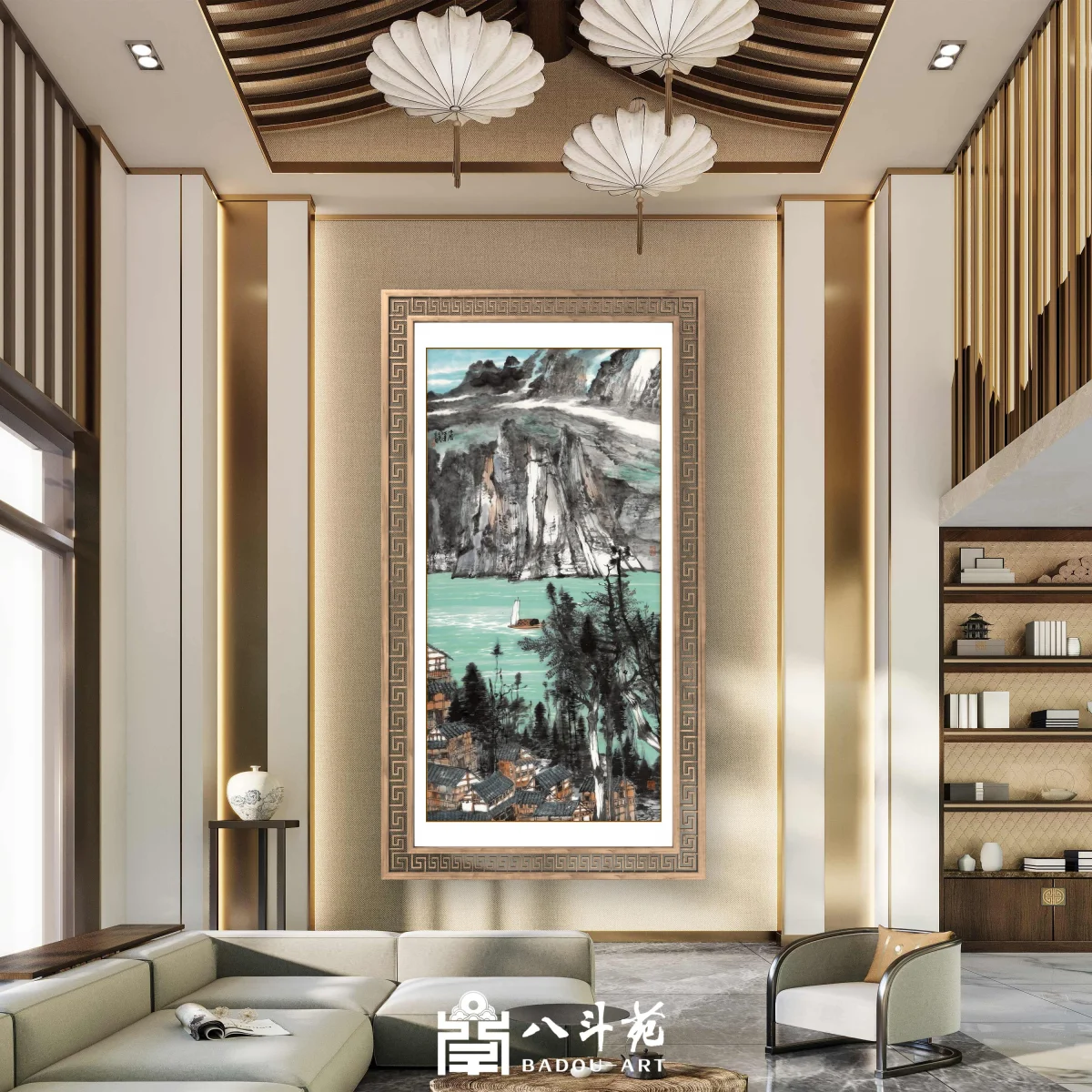
Liu Liyong Landscape Painting | Riverside Mountain Hamlet (山居江远)
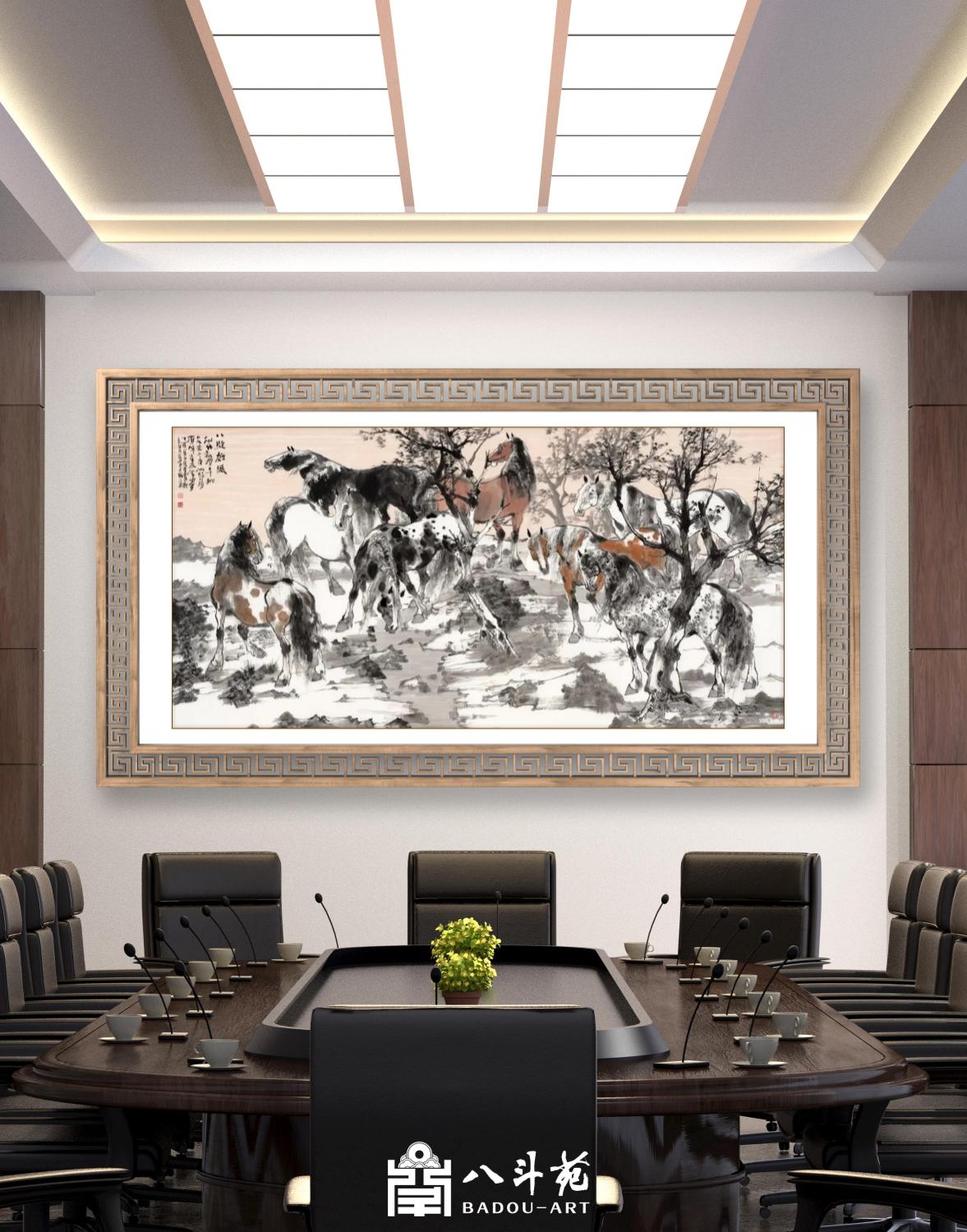
Liu Liyong Animal Painting | Eight Steeds (八骏图)
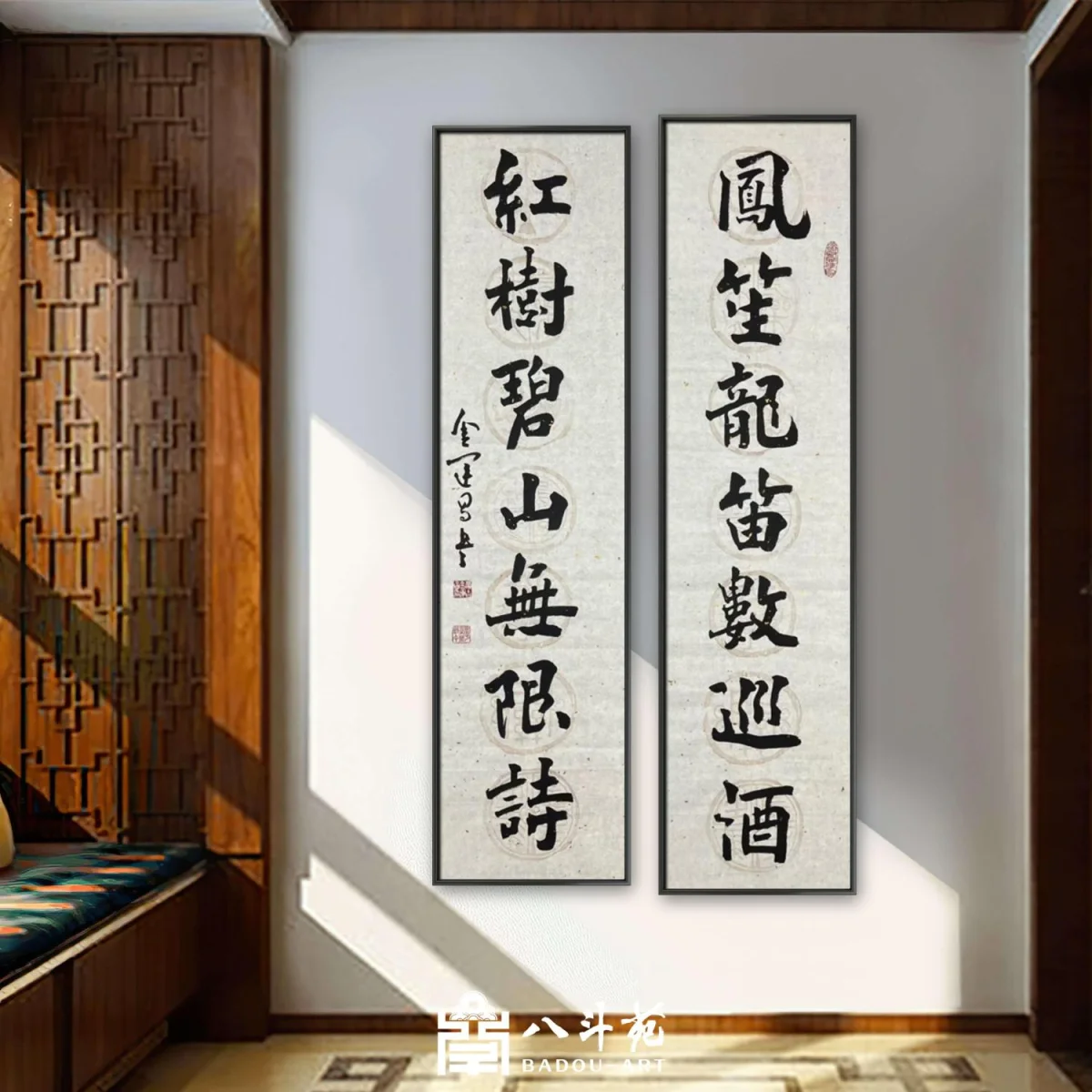
Jin Yunchang Calligraphy | 鳳笙龍笛數巡酒
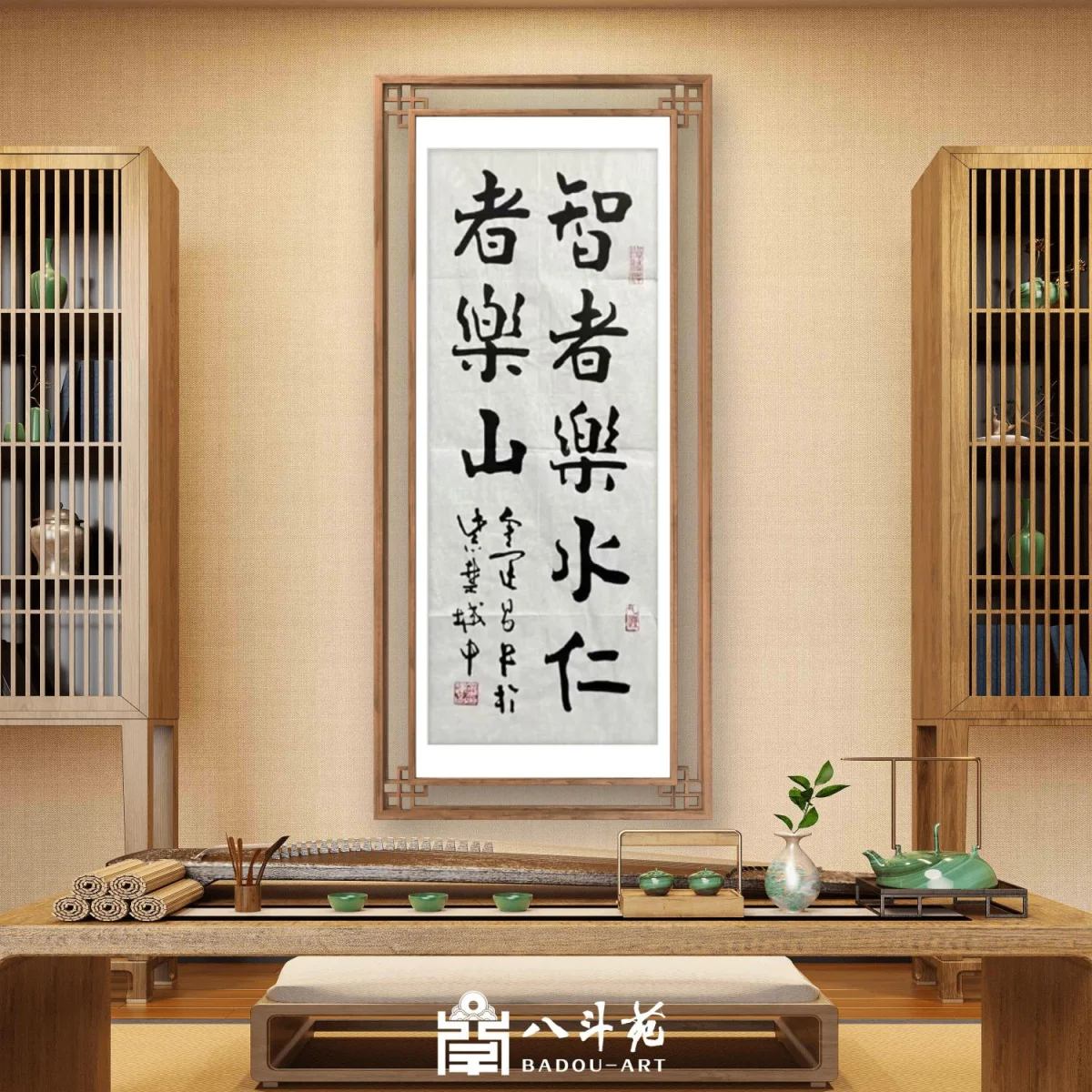
Jin Yunchang Calligraphy | 智者樂水仁者樂山
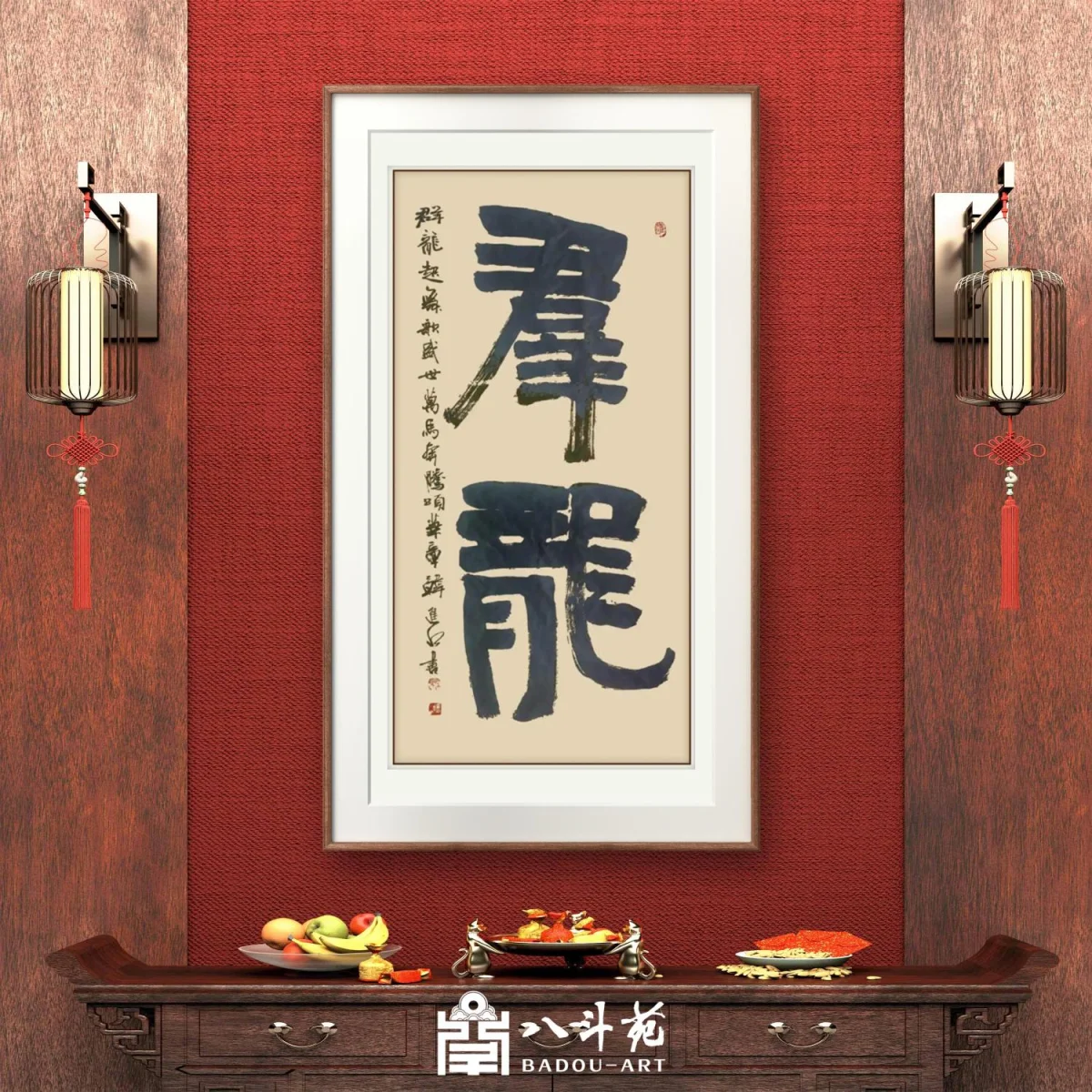
Han Jinshui Calligraphy | 羣龍 (A Group of Dragons)
Qi Baishi’s Gift Seal and Mao’s Wrapping-Paper Painting
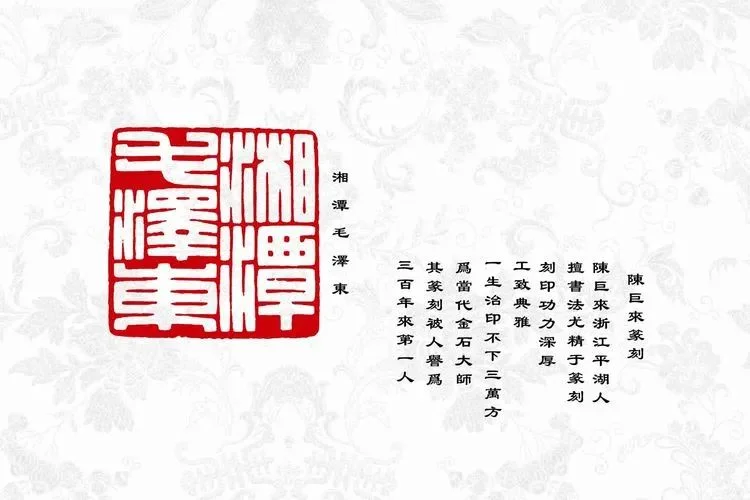
Qi Baishi’s Gift Seal and Mao’s Wrapping-Paper Painting
Some of the best stories in Chinese art begin with a mistake. In the 1950s, the great painter Qi Baishi (1863–1957) sent a gift to Chairman Mao Zedong: a seal he had carved — the engraved personal stamp that serves as a Chinese artist’s signature. What Qi did not realize was that he had wrapped the seal in one of his own paintings. That “mistake” became the subject of one of the most charming anecdotes in modern Chinese art.
An Unexpected Gift
When Mao invited Qi Baishi to his home for tea, with the poet-scholar Guo Moruo as company, he thanked the artist warmly — for both the seal and a painting. Qi was startled: he had sent no painting. Mao asked his secretary to bring out an ink work: a lush plum tree full of lively birds, with a gentle ox on the ground gazing up at them. Qi laughed in embarrassment — he had used the sketch as wrapping paper without a thought. “It is nothing,” he said. “Let me paint you a proper one.” Mao waved it off: “I like this one very much.” Then Guo Moruo spoke up: “This work was clearly meant for me — my name is on it!”
Three Names on One Painting
The others saw no writing at all. Guo explained: “Count the birds in the tree — there are five.” In Chinese, “up in the tree are five birds” (*shu shang you wu*) echoes his former name, Shangwu — “advocate of the martial.” Mao immediately joined in: “Then you’d better let go of it — my name is here too. Master Qi, what tree is it?” “A plum tree,” Qi replied. A plum tree — *li shu* — gave Mao his wartime alias, Li Desheng. Both men had found their names in the same picture, and the room dissolved in laughter.
Words Added, Painting Kept
Qi Baishi, delighted, asked the two honored guests to add inscriptions. Mao wrote: “Dan qing yi zao ben wu fa” — “Painting and color are made beyond any rule.” Guo wrote: “Hua sheng xiong zhong chang you shi” — “In the painting sage’s heart, poetry always lives.” Seeing the work now enriched with their calligraphy, Qi Baishi cheerfully announced he would take it home — after all, they had just praised him in writing. The three men parted in high spirits.
The story is treasured not only for its humor but for what it reveals: the spontaneity of Qi Baishi’s genius, the warmth between artist and leader, and the place of the seal — and of poetry — at the heart of Chinese artistic life. (Adapted from a story by Wang Yushan, originally published by the Liaoning Senior Cadre University.)
If you’d like a seal of your own — or a painting to match it — Badou Art’s specialists are happy to guide you.
Source: https://www.cntizi.com/7979.html