Our Featured Collection
Hand‑picked premium works for you
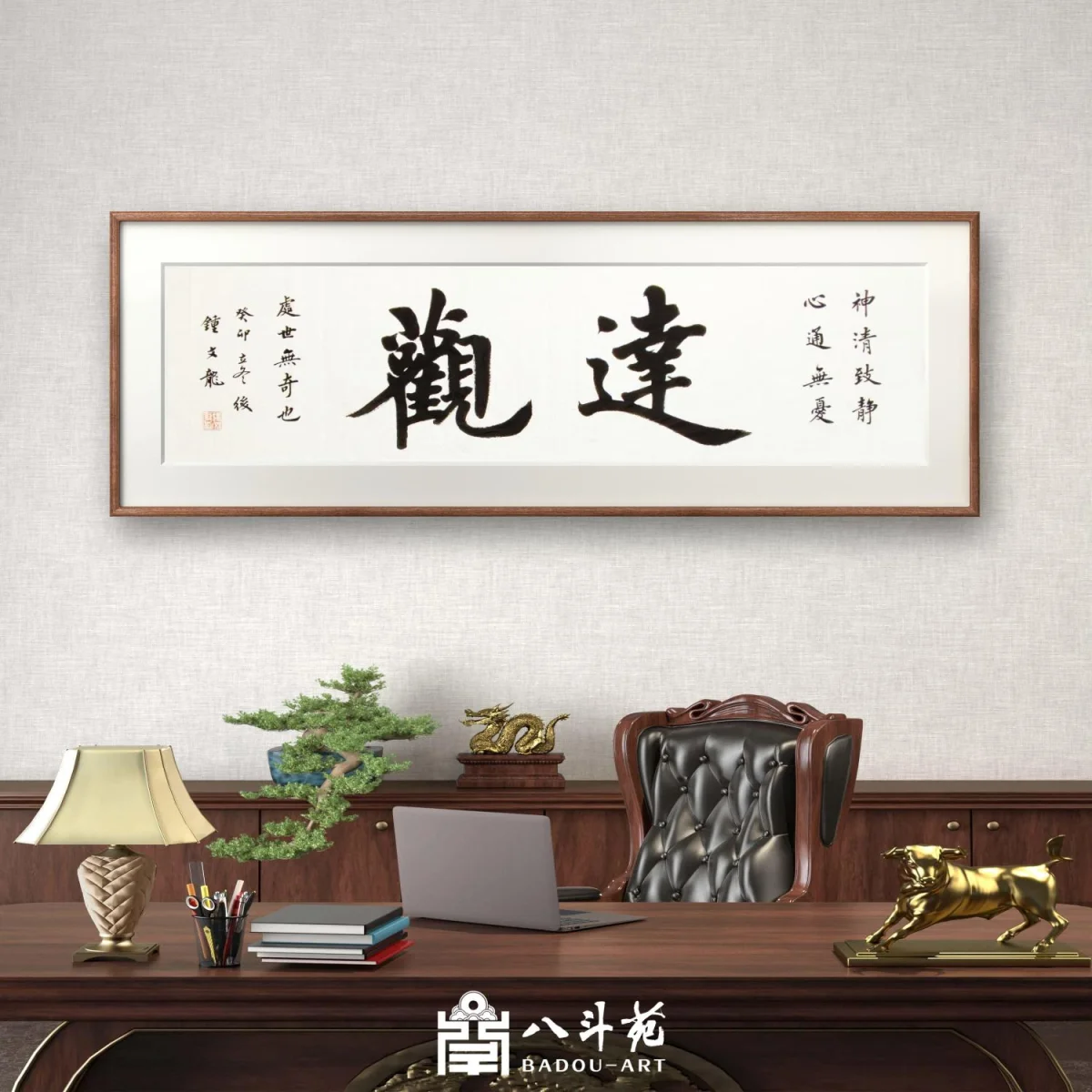
Zhong Wenlong Calligraphy | 达观
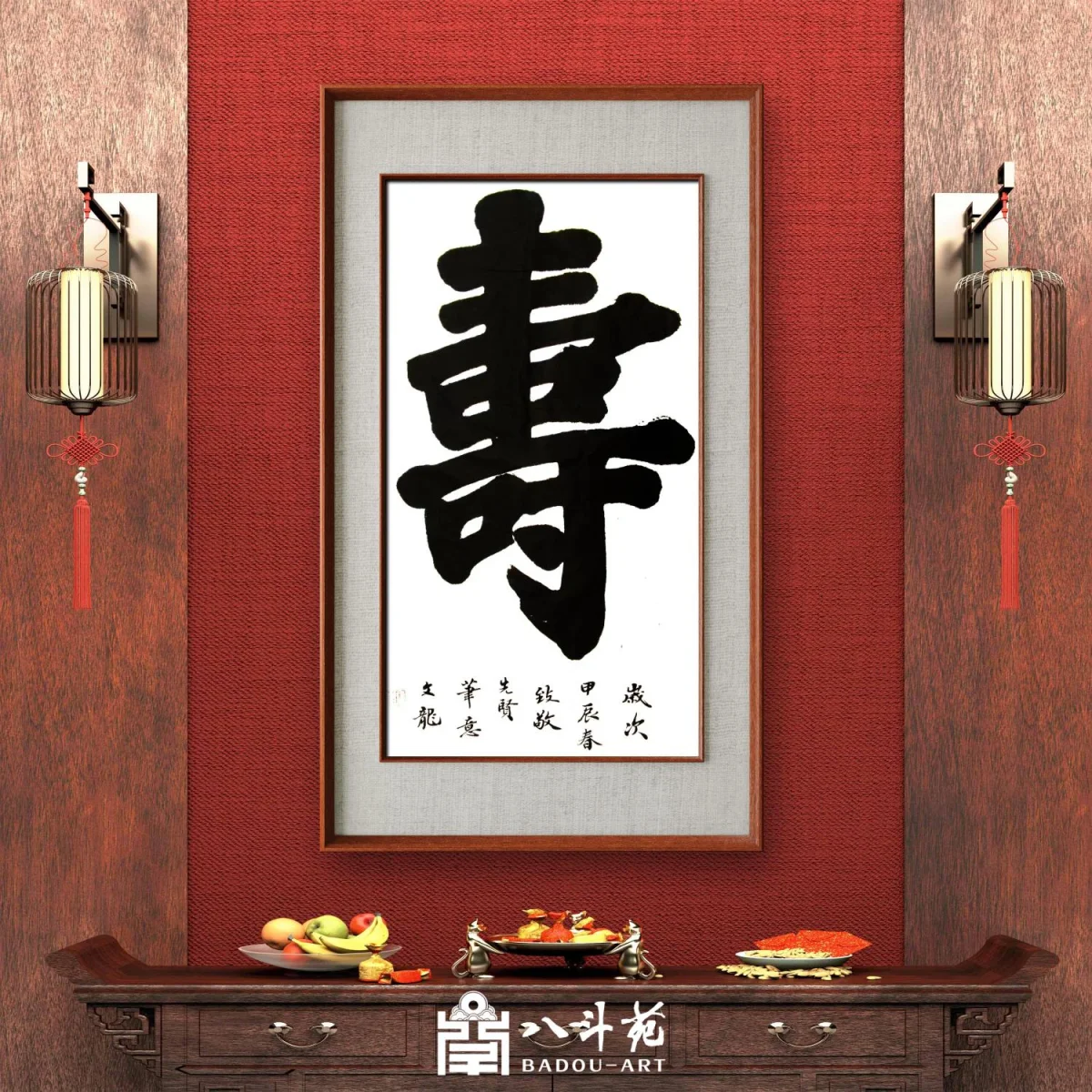
Zhong Wenlong Calligraphy | 壽
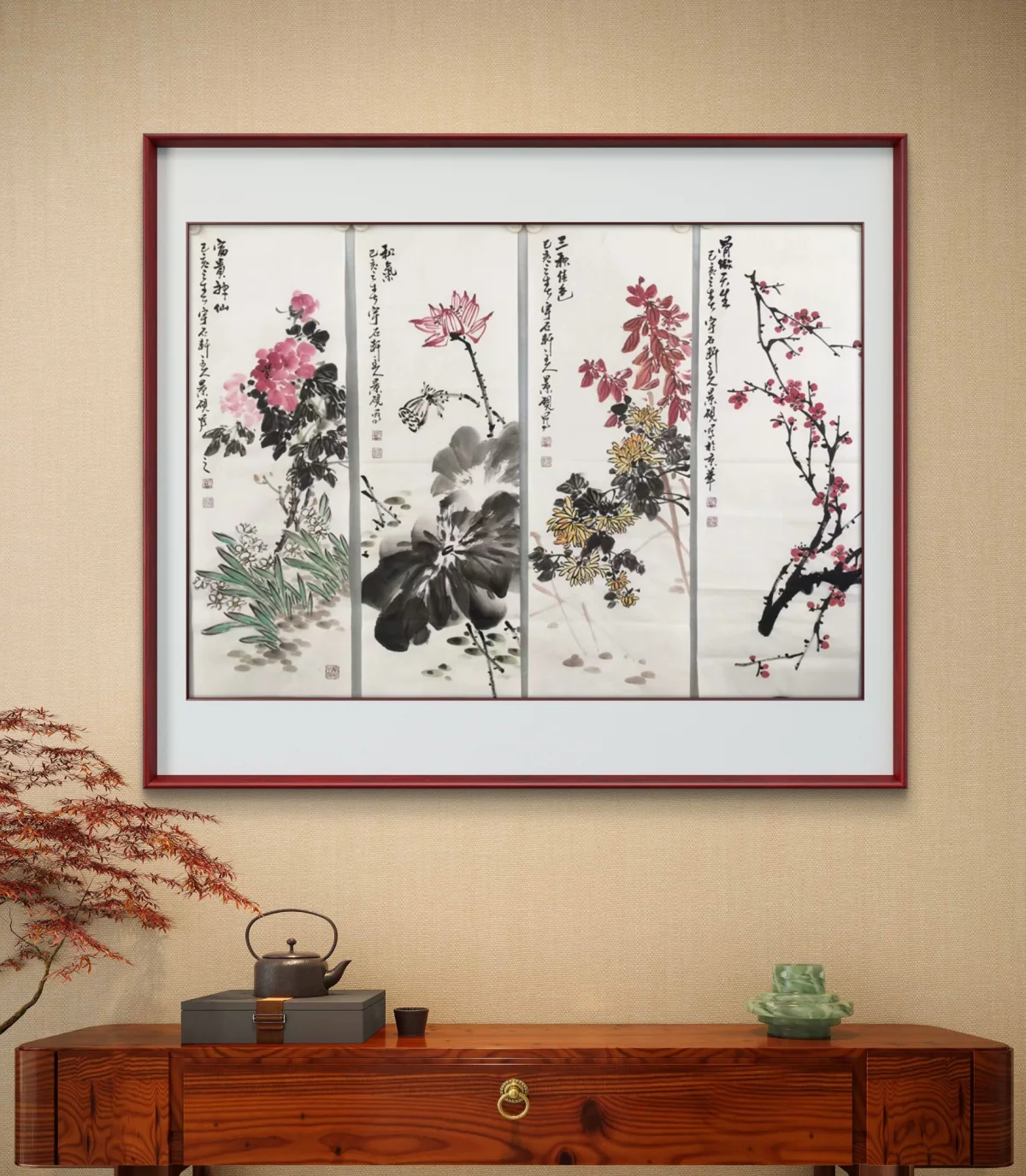
Wu Jingyan Chinese Freehand Painting・Four‑Panel Flower‑and‑Bird Screens(花鸟四条屏)
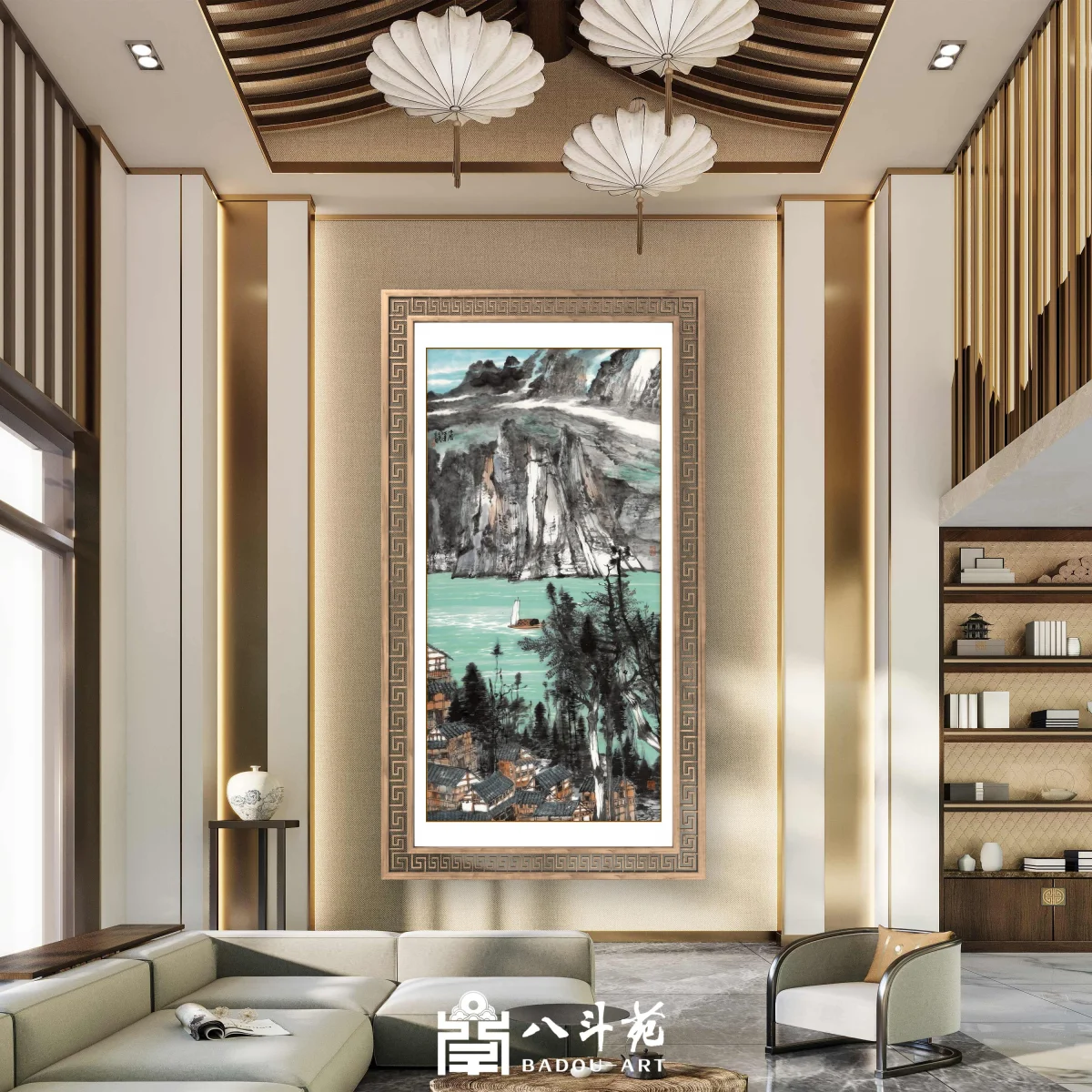
Liu Liyong Landscape Painting | Riverside Mountain Hamlet (山居江远)
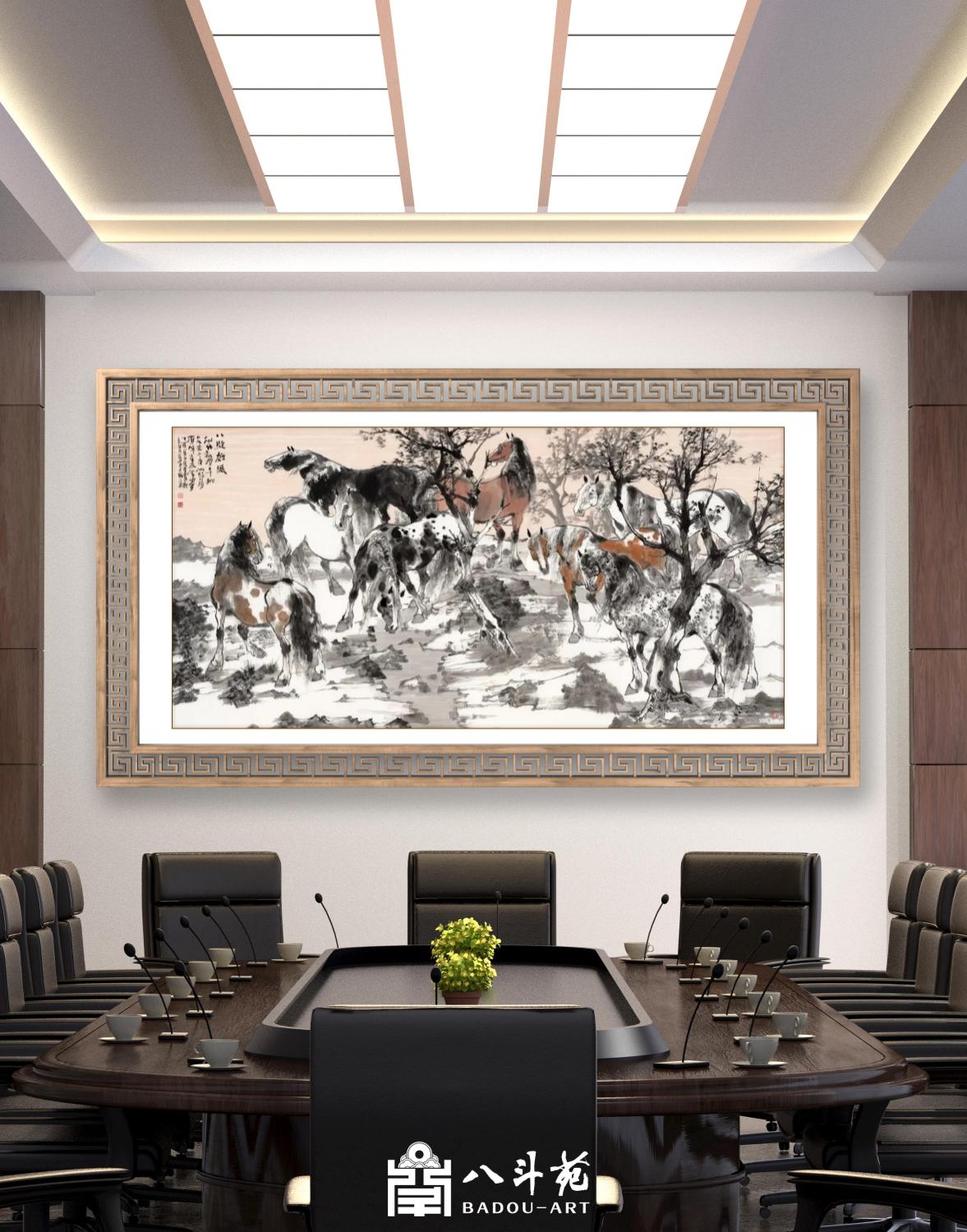
Liu Liyong Animal Painting | Eight Steeds (八骏图)
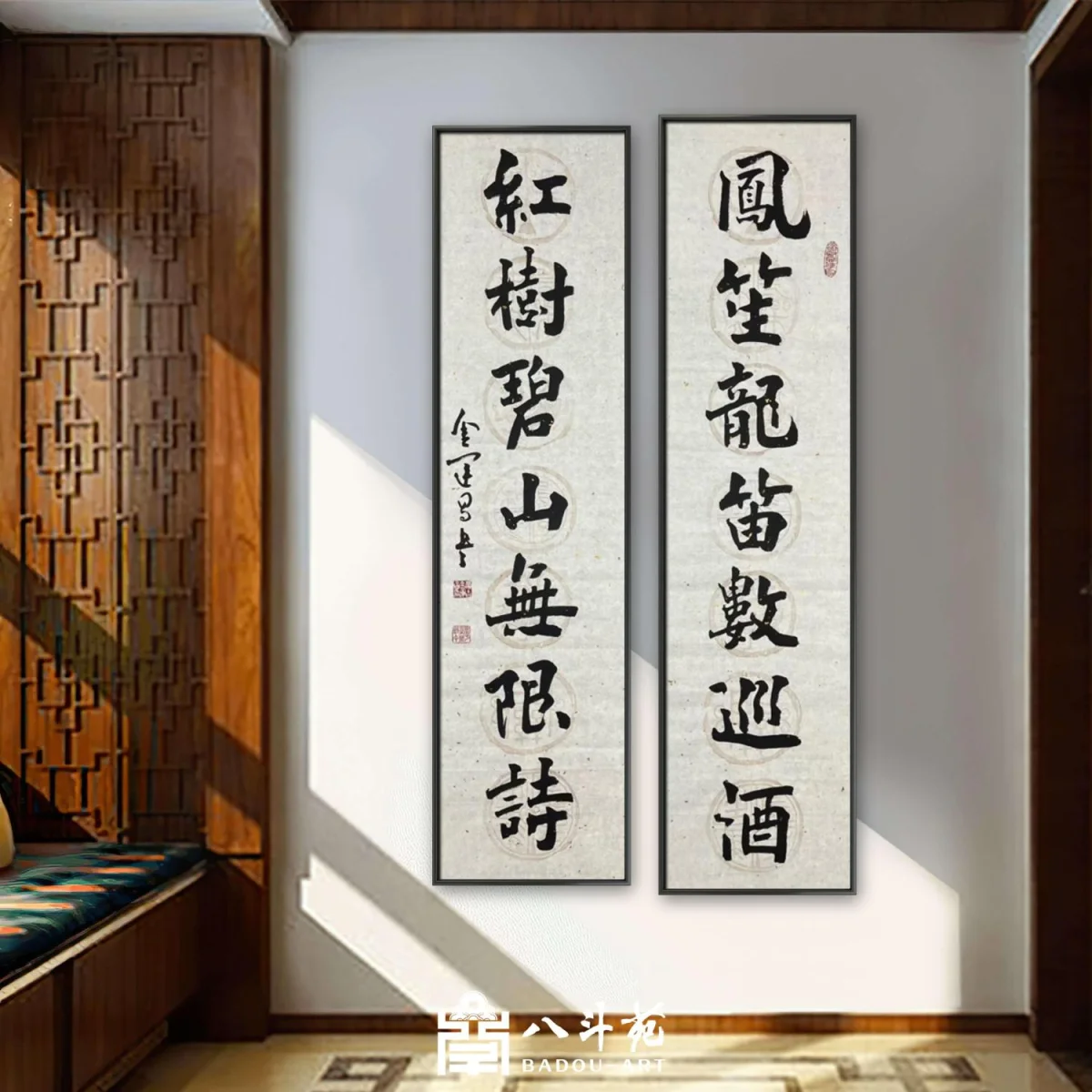
Jin Yunchang Calligraphy | 鳳笙龍笛數巡酒
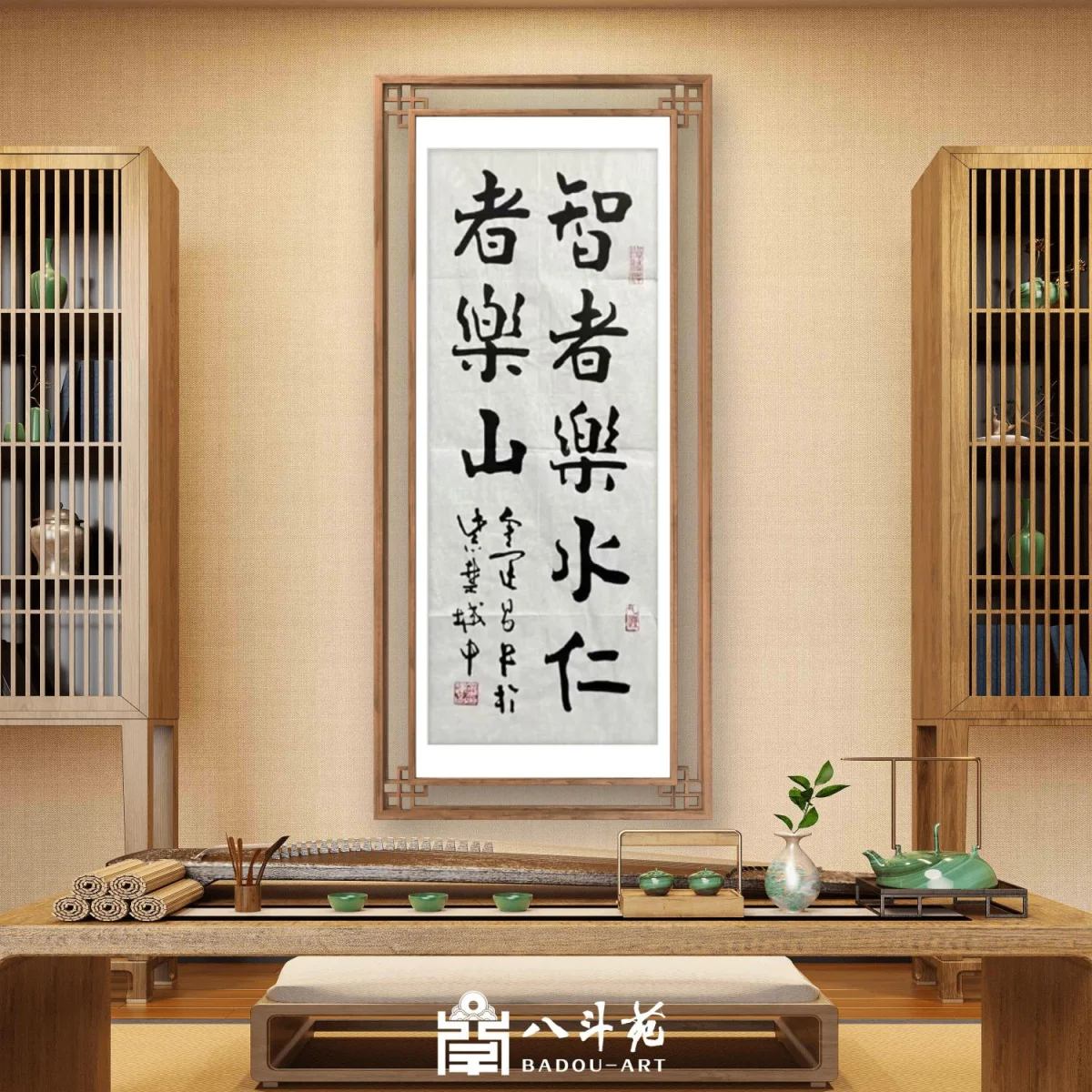
Jin Yunchang Calligraphy | 智者樂水仁者樂山
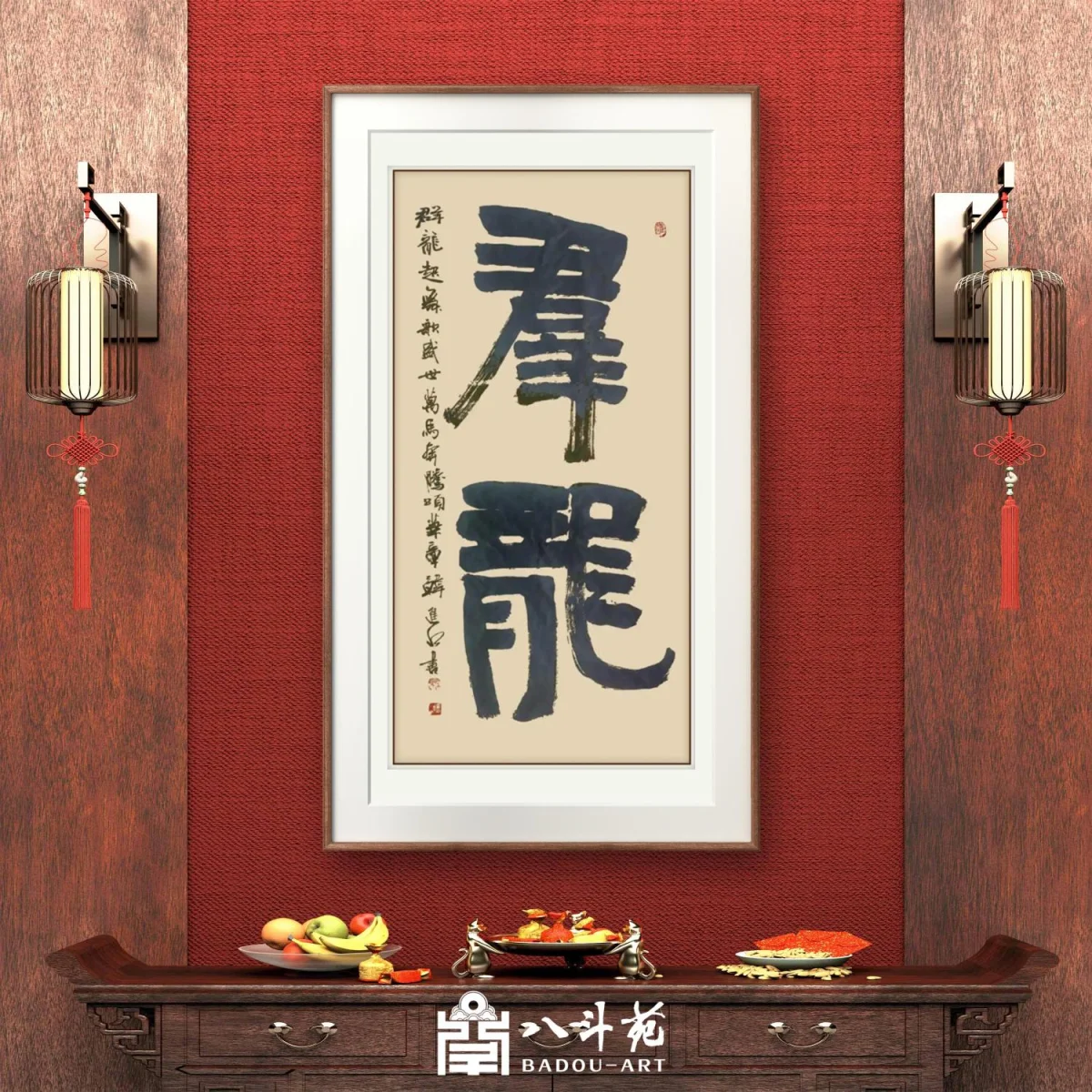
Han Jinshui Calligraphy | 羣龍 (A Group of Dragons)
Rice Paper Types: Raw, Cooked, Half-Cooked Explained
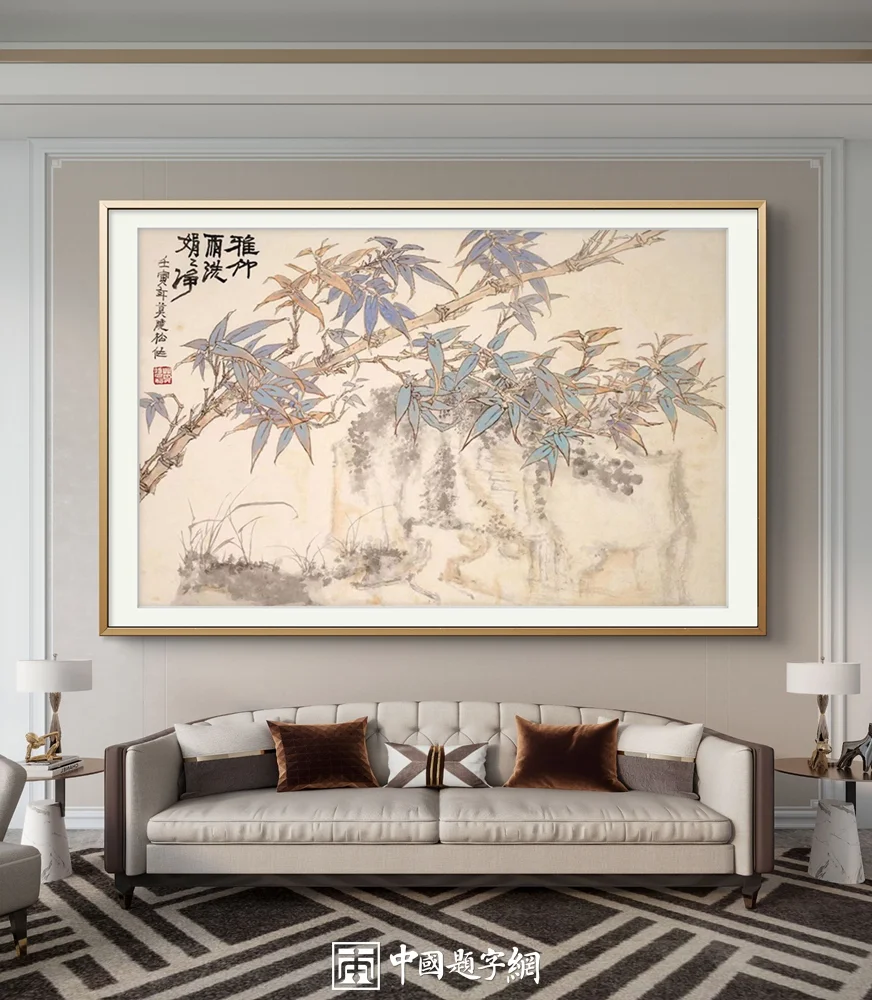
Rice Paper Types: Raw, Cooked, Half-Cooked Explained
Rice paper (xuan paper) is the traditional ground of Chinese calligraphy and ink painting — prized for centuries for its delicate texture and lively response to brush and ink. Choosing the right type can transform your work: the same stroke blooms softly on one paper and stays razor-sharp on another. Here is how the three main types differ, and how to pick the right one for your style.
The Three Types at a Glance
| Type | Absorbency | Best for | Watch out for |
|---|---|---|---|
| Raw (sheng xuan) | High — ink spreads quickly | Xieyi (freehand) painting, cursive script | Blotting if moisture is not controlled |
| Cooked (shu xuan) | Very low — ink holds its shape | Gongbi (meticulous) painting | A stiff, flat look |
| Half-cooked (ban sheng shu) | Moderate | Small freehand, mixed styles, beginners | A compromise on both extremes |
Raw Xuan: For Bold Ink Effects
Raw xuan is the paper exactly as it comes from the maker — untreated and highly absorbent. Ink and water sink in and spread at once, producing the rich gradations of tone (the “ink play”) that define xieyi (freehand) painting and cursive calligraphy. Paint a misty landscape on raw xuan and the washes melt into soft, atmospheric effects no other paper can match.
The catch: because the paper drinks ink so eagerly, moisture is hard to control, and beginners often end up with blurred, muddy shapes. Raw xuan rewards experience and a confident hand.
Cooked Xuan: Precision for Gongbi
Cooked xuan is raw xuan treated with alum, which seals the fibers so the surface barely absorbs. Ink and color stay exactly where you put them — which is why this paper is made for gongbi (meticulous) painting, the finely detailed style of bird-and-flower and figure painting that demands crisp outlines and even color washes. On cooked xuan, a hair-thin line stays hair-thin.
Its limitation is the flip side of that precision: it lacks the organic ink-blending of raw xuan and can look stiff and flat for freehand work.
Half-Cooked Xuan: The Balanced Choice
Half-cooked xuan sits between the two: moderately absorbent, it allows a pleasant degree of ink spread while keeping strokes largely under control. It suits small freehand paintings, calligraphy that wants a little life without much risk, and artists who like to experiment across styles.
It cannot rival raw xuan in richness of ink effects, nor cooked xuan in fine detail — but for versatility it is hard to beat, and it remains the classic recommendation for beginners.
How to Choose
Match the paper to the project — and to your level:
- **Xieyi painting or cursive calligraphy** → raw xuan, if you can control moisture; otherwise practice on half-cooked first.
- **Gongbi painting** → cooked xuan, always.
- **Beginners and mixed styles** → half-cooked xuan as a forgiving, all-round start.
Understanding how each paper behaves lets you work with the medium instead of against it. The right sheet makes the brush feel almost cooperative — and that is when the real joy of Chinese art begins.
If you would like to try your hand — or commission a finished work on expertly chosen rice paper — Badou Art’s artists are happy to help.