Our Featured Collection
Hand‑picked premium works for you
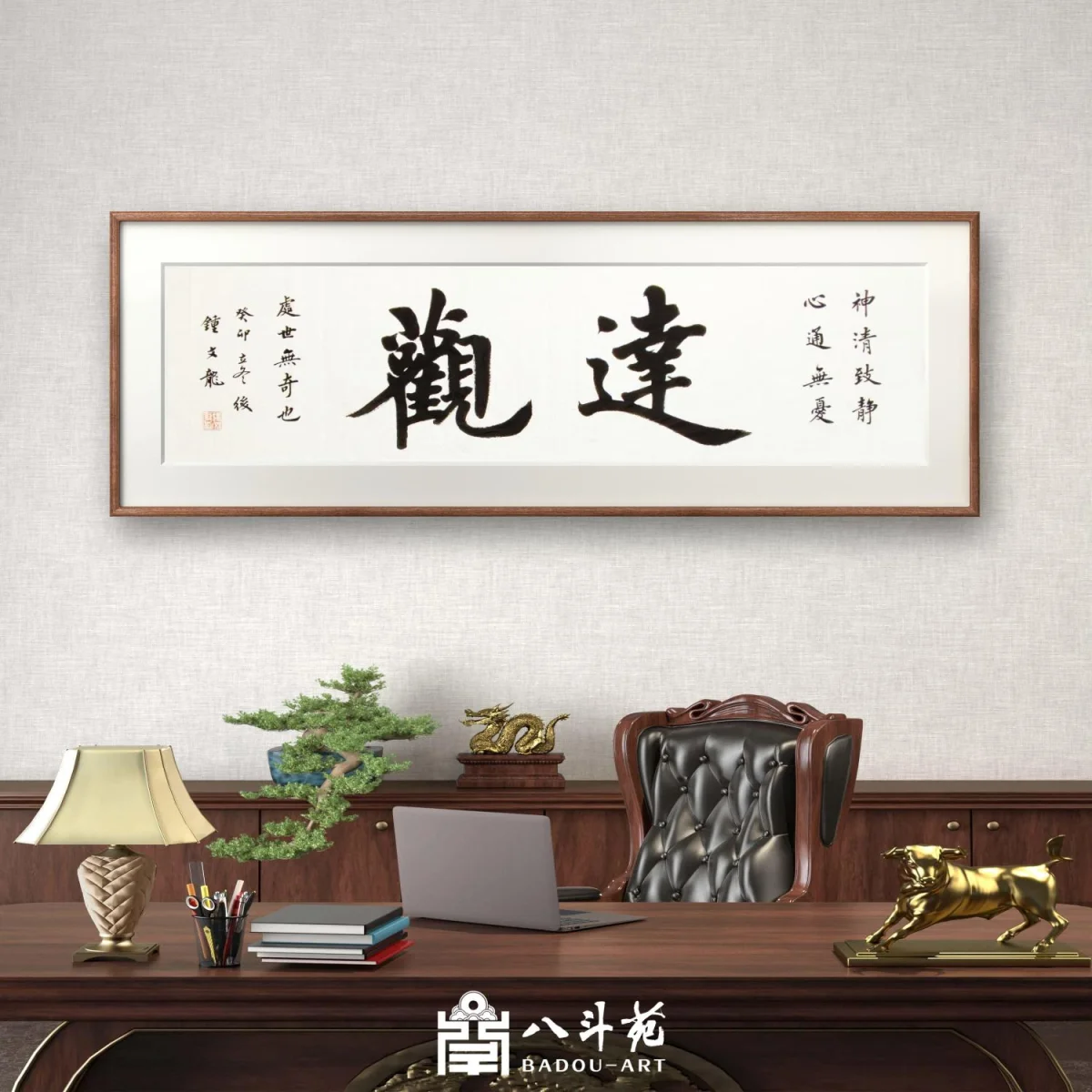
Zhong Wenlong Calligraphy | 达观
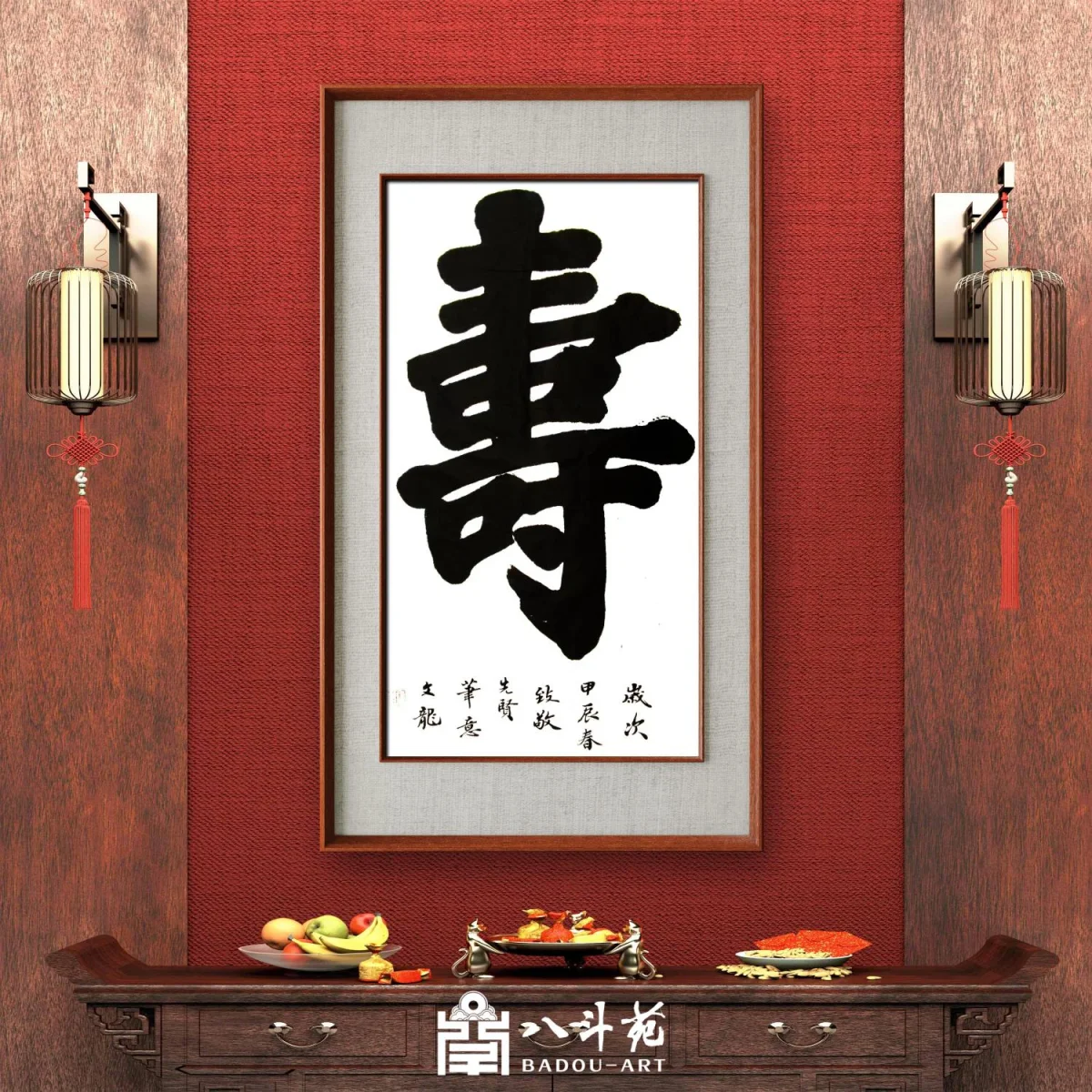
Zhong Wenlong Calligraphy | 壽
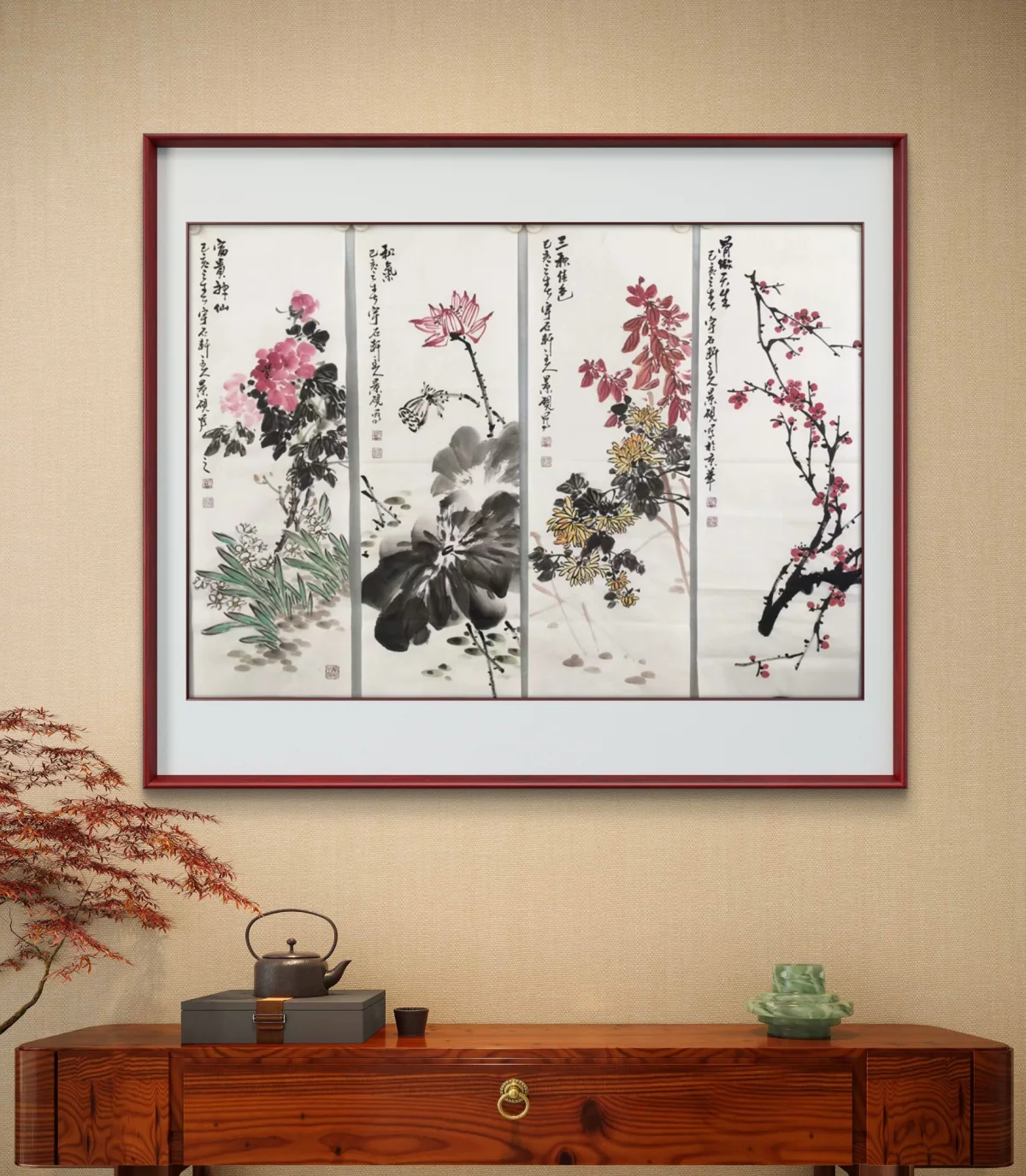
Wu Jingyan Chinese Freehand Painting・Four‑Panel Flower‑and‑Bird Screens(花鸟四条屏)
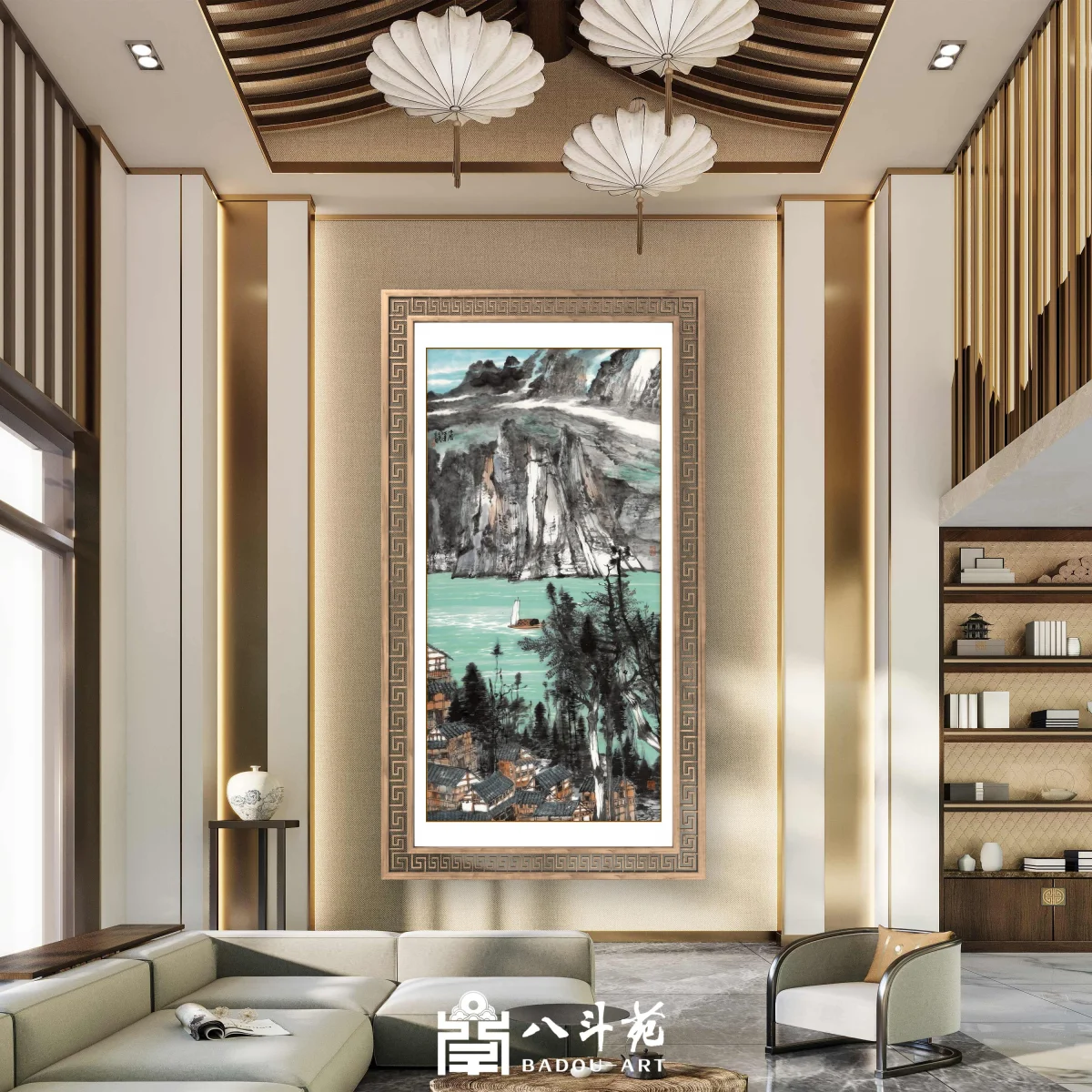
Liu Liyong Landscape Painting | Riverside Mountain Hamlet (山居江远)
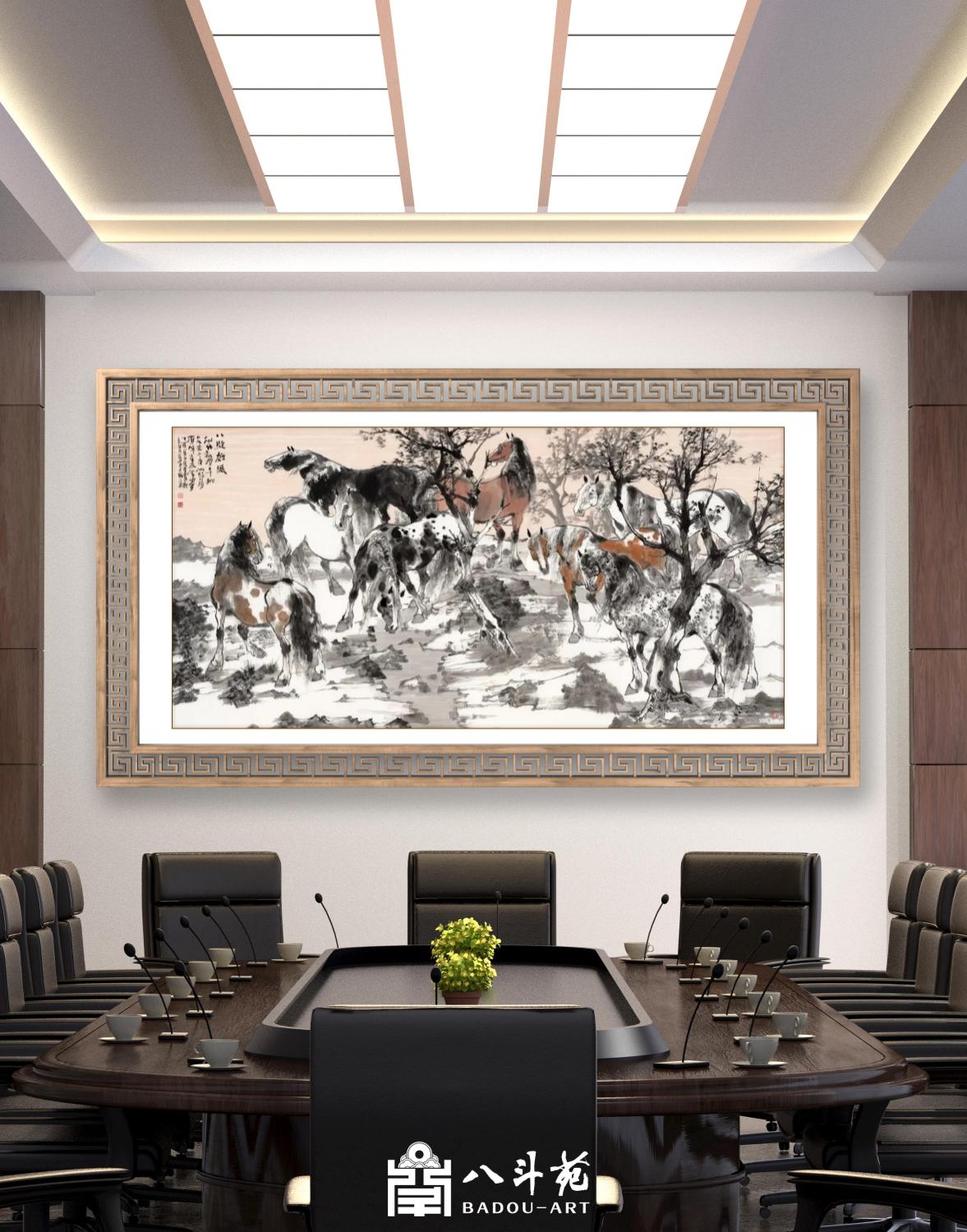
Liu Liyong Animal Painting | Eight Steeds (八骏图)
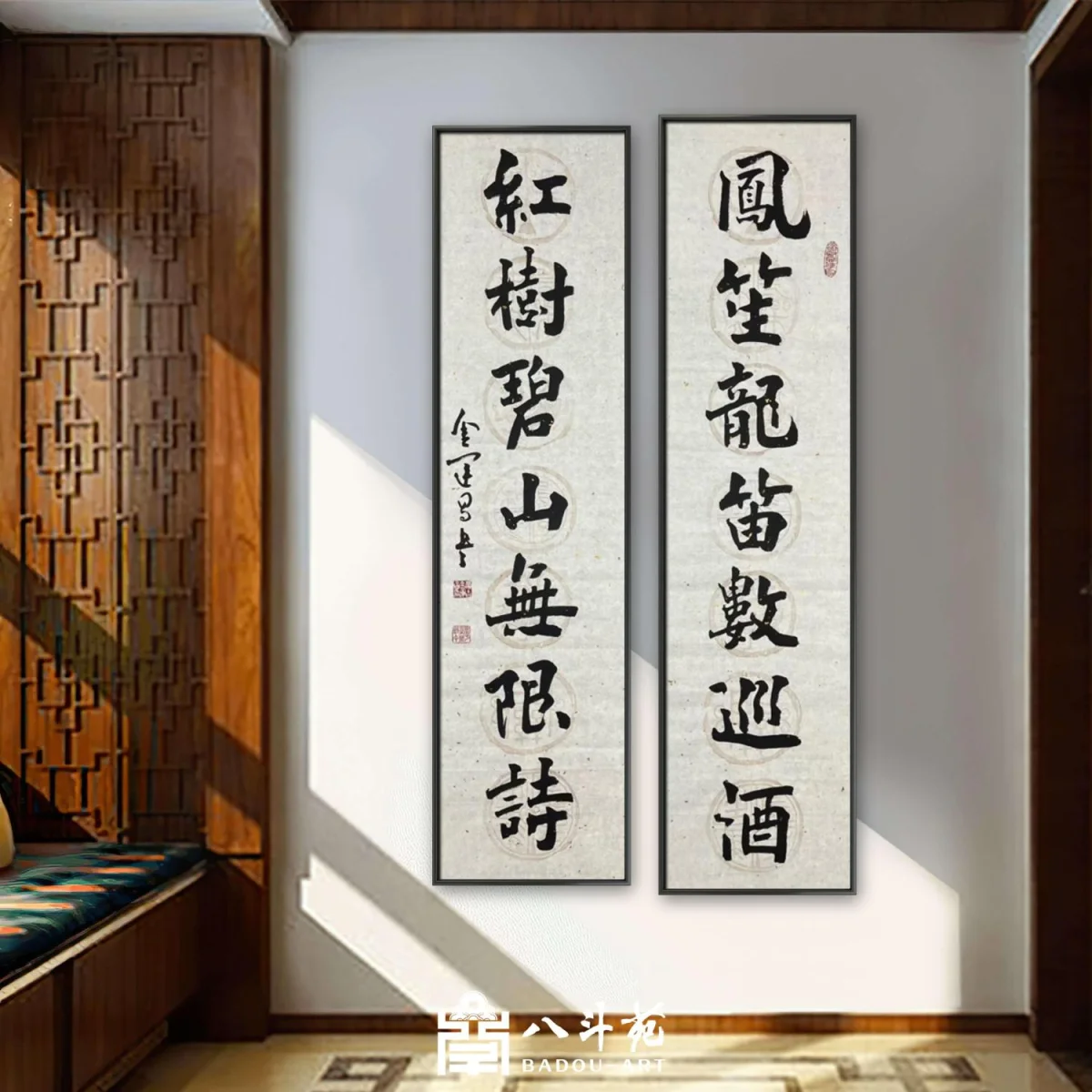
Jin Yunchang Calligraphy | 鳳笙龍笛數巡酒
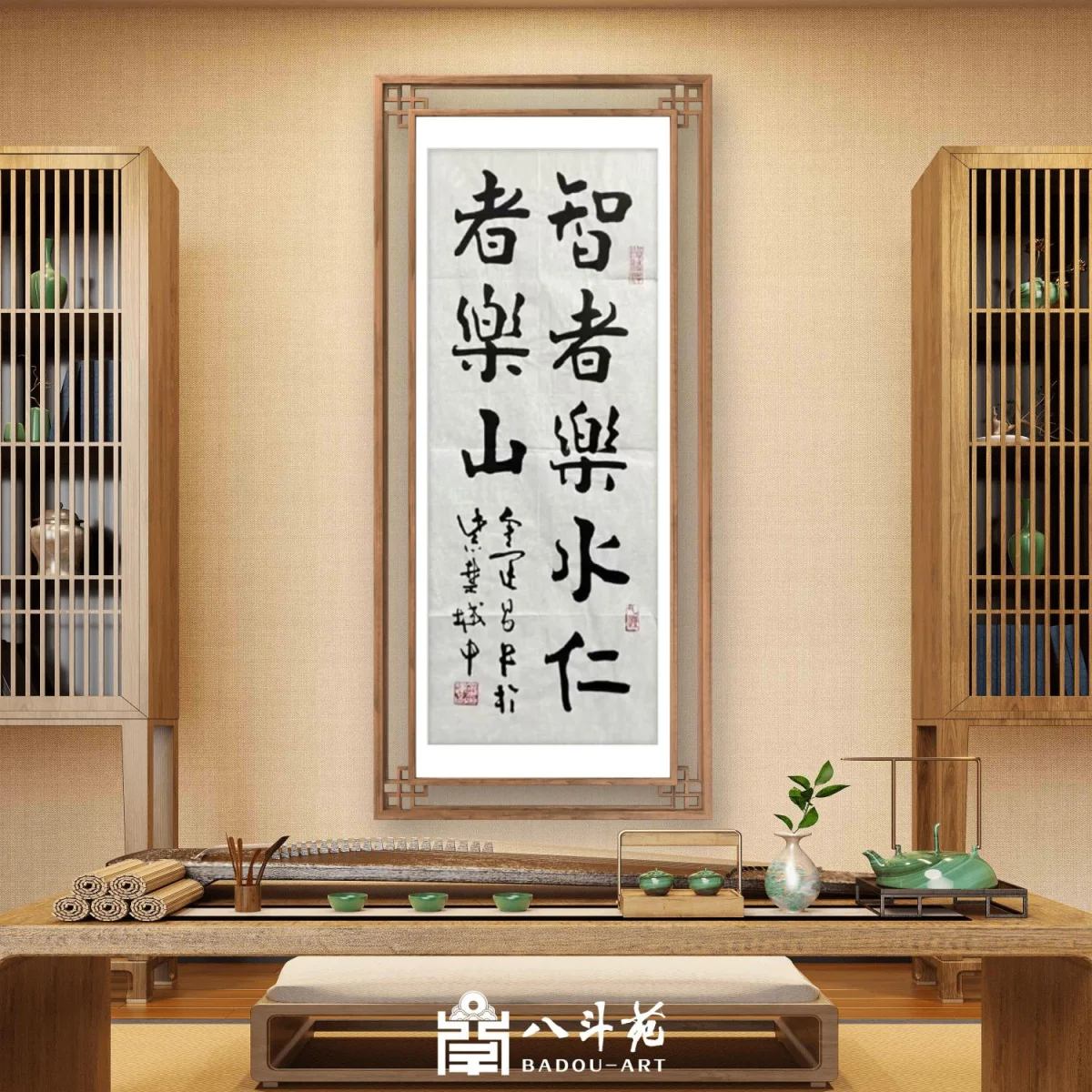
Jin Yunchang Calligraphy | 智者樂水仁者樂山
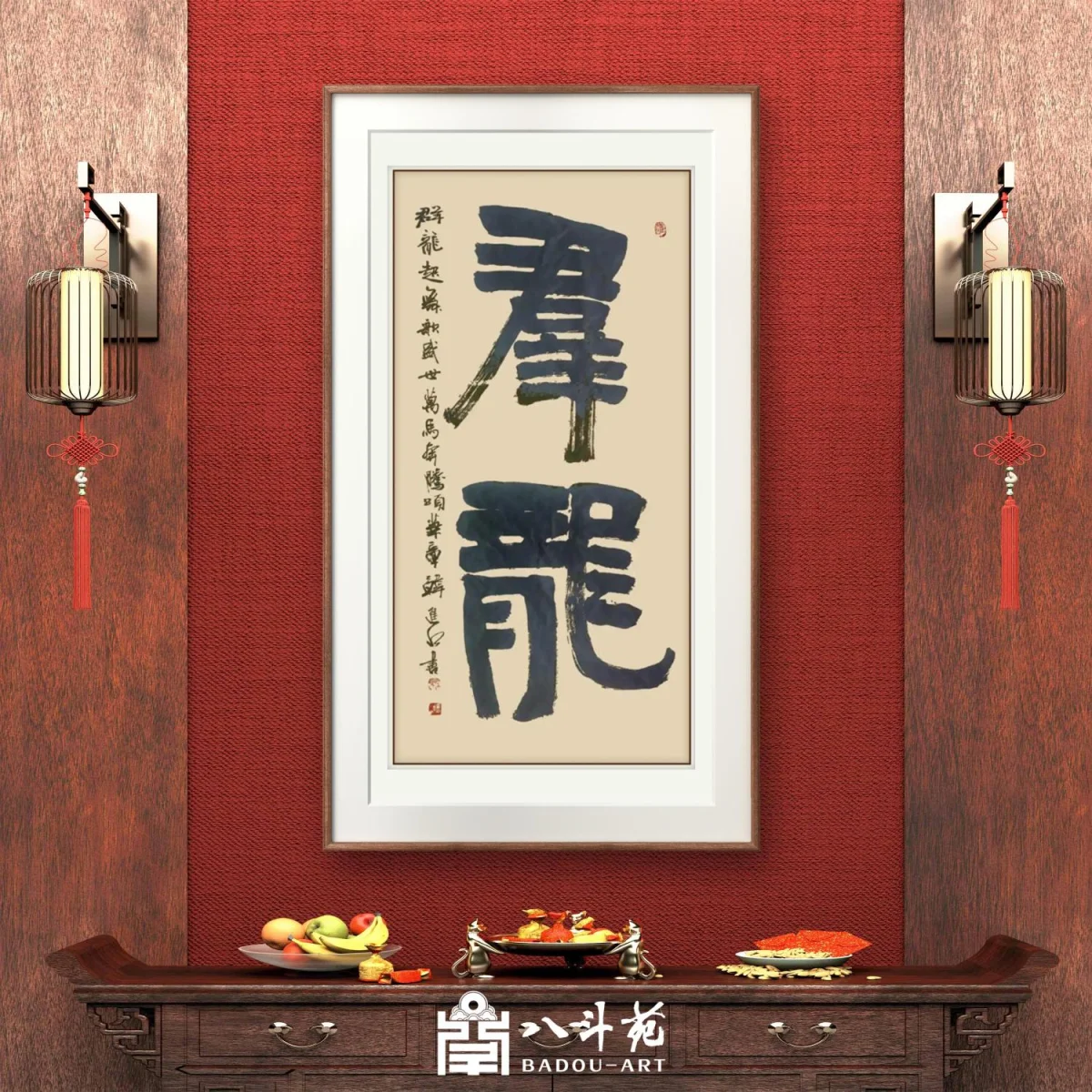
Han Jinshui Calligraphy | 羣龍 (A Group of Dragons)
China’s 10 Sacred Calligraphy Sites Every Fan Must Visit
China’s 10 Sacred Calligraphy Sites Every Fan Must Visit
For anyone who practices Chinese calligraphy, or simply admires it, certain places in China carry an almost sacred weight. They are where the classics were written, carved, and preserved: the steles every student still copies, the cliffs where masters left their names, and the pavilion where the most famous work in Chinese calligraphy was composed. Here are ten of the most revered sites.
The Ten Sacred Sites
**1. Xiling Seal Society, Hangzhou.** Founded in 1904 by Zhejiang-school seal carvers Ding Fuzhi, Wang Fu’an, Wu Yin, and Ye Weiming, with Wu Changshuo as first president, it is dedicated to “preserving epigraphy, studying seal art, and embracing calligraphy and painting” and known as “the world’s finest society.”
**2. Xi’an Stele Forest (Beilin).** Built in 1087 to house the Tang-dynasty Thirteen Classics, the Xi’an Stele Forest holds the oldest and richest collection of inscribed stones in China, including the “Shengjiao Xu,” a Buddhist preface assembled from Wang Xizhi’s characters.
**3. Qufu Han-Wei Stele Hall.** In the Confucius Temple at Qufu, the sage’s hometown, this hall preserves Han, Wei, and Northern Dynasties steles, including the Zhang Menglong Stele, a cornerstone of wei-bei (Northern Wei) calligraphy.
**4. Wuxi Stele Forest, Yongzhou.** In 761, poet Yuan Jie wrote the “Ode on the Revival of the Great Tang”; Yan Zhenqing (709–785) transcribed it onto a riverside cliff, earning the site its “three wonders” of text, script, and stone. Over 250 later visitors added inscriptions, from Mi Fu (1051–1107) and Huang Tingjian (1045–1105) to four Qing-dynasty envoys from Vietnam.
**5. The Four Buddhist Cliff Carvings.** The cliff inscriptions at Geshan, Yishan, Tieshan, and Gangshan are among China’s most important Buddhist stone carvings, rare religious documents with a distinguished place in calligraphic history.
**6. Longmen Grottoes, Luoyang.** A UNESCO World Heritage Site carved over 400 years from the Northern Wei onward, Longmen stretches a kilometer along the Yi River with 2,345 niches, over 100,000 statues, and some 2,800 inscriptions. Its “Twenty Pieces of Longmen” are the essence of wei-bei calligraphy, and Chu Suiliang’s stele at the Yique shrine exemplifies early Tang regular script.
**7. Yunfeng Mountain, Laizhou.** Sixteen Northern Wei cliff carvings survive here, the most treasured being the Zheng Wengong Stele by the governor Zheng Daozhao, praised as “the peak between clerical and regular script.”
**8. Qiantang Zhizhai, Xin’an.** China’s only epitaph museum holds 1,419 inscribed stones, 1,191 of them from the Tang dynasty. Built by the revolutionary elder Zhang Fang, it is nicknamed “Tang history written in stone.”
**9. Hangzhou Stele Forest.** Inside the Confucius Temple on Laodong Road, this collection preserves more than 500 steles from the Five Dynasties through the Qing, including 86 surviving slabs of the Southern Song Imperial Academy stone classics.
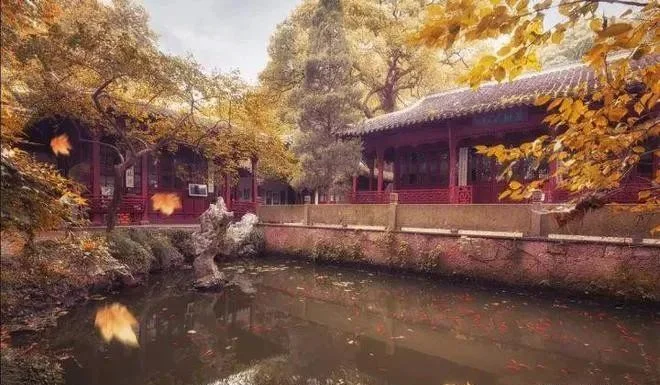
**10. Lanting, Shaoxing.** The most famous address in Chinese calligraphy: the mountain retreat where Wang Xizhi (303–361), the “Sage of Calligraphy,” wrote the “Preface to the Orchid Pavilion” amid “towering peaks, lush bamboo, and clear rushing streams.” Rebuilt in 1548, fully restored in 1980.
Why These Sites Matter
These ten places are living textbooks: every stroke you have practiced traces back to a stele or scroll preserved here, and several are world-class treasures besides. Group them by region when you travel: Xi’an and Luoyang for the great stele forests, Hangzhou and Shaoxing for southern elegance, Shandong for clerical and wei-bei classics. No time to travel? High-quality rubbings make worthy keepsakes.
If a hand-lettered scroll or plaque would complete your collection, Badou Art’s calligraphers are happy to create a commissioned work in the style of your favorite classic.
Source: https://www.cntizi.com/7654.html