Our Featured Collection
Hand‑picked premium works for you
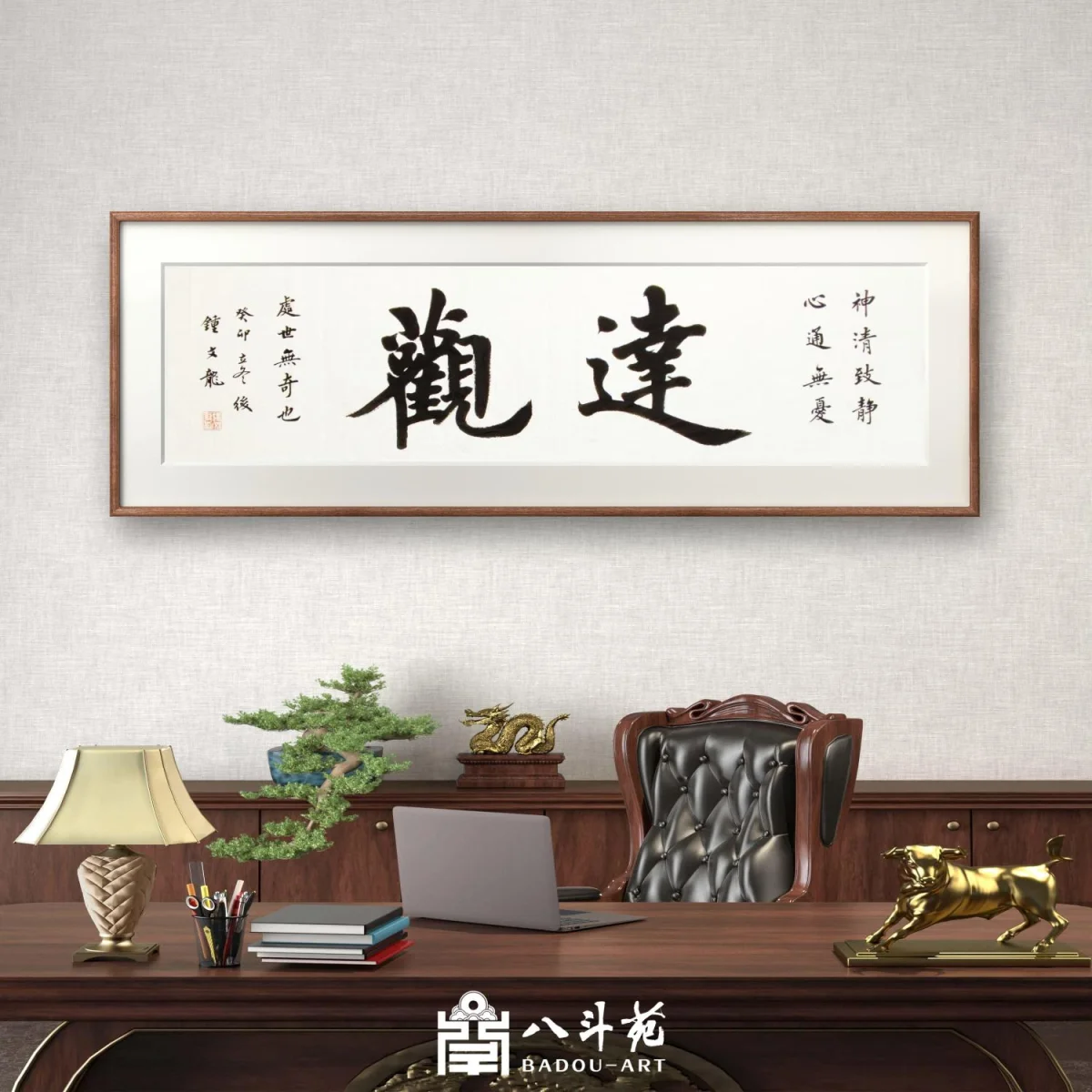
Zhong Wenlong Calligraphy | 达观
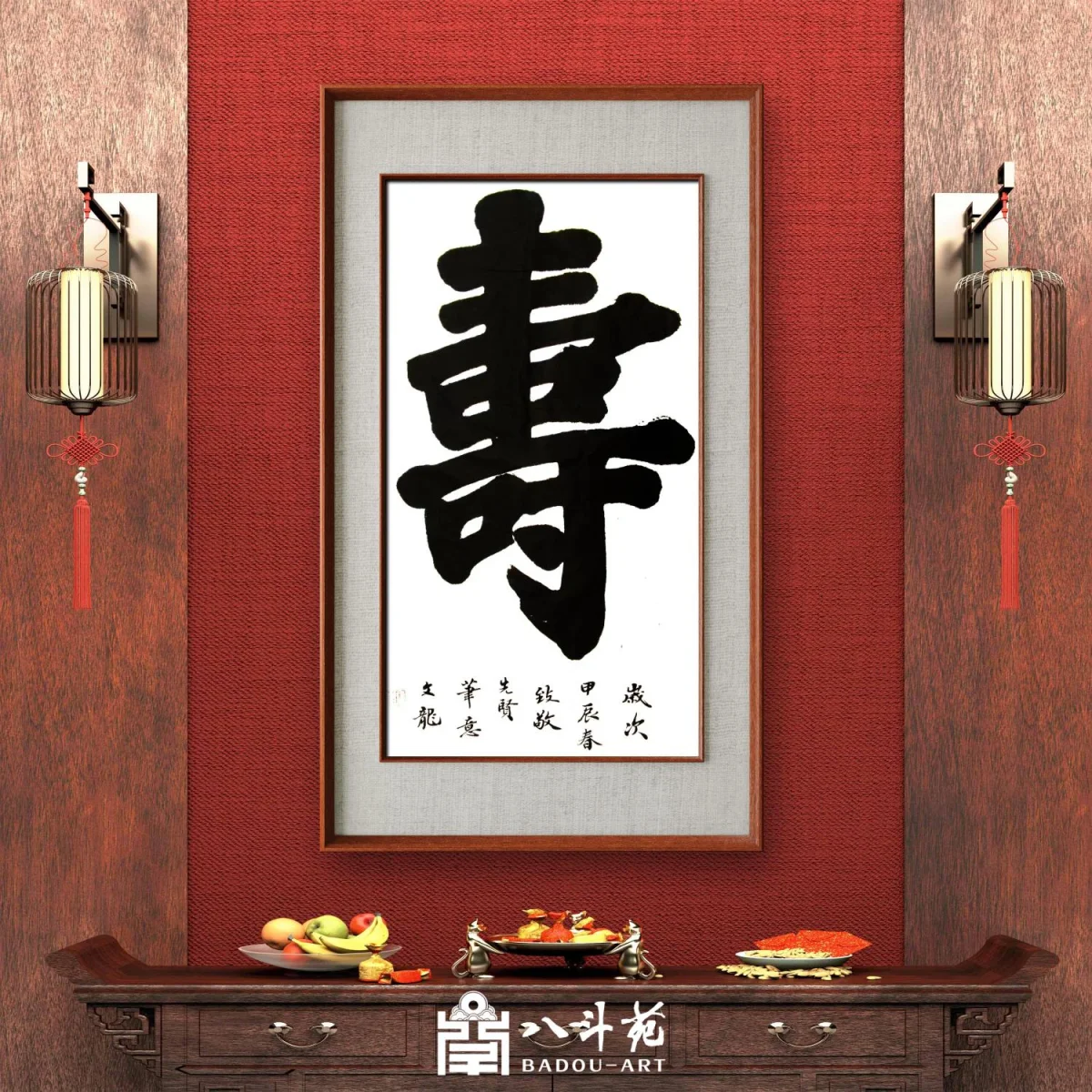
Zhong Wenlong Calligraphy | 壽
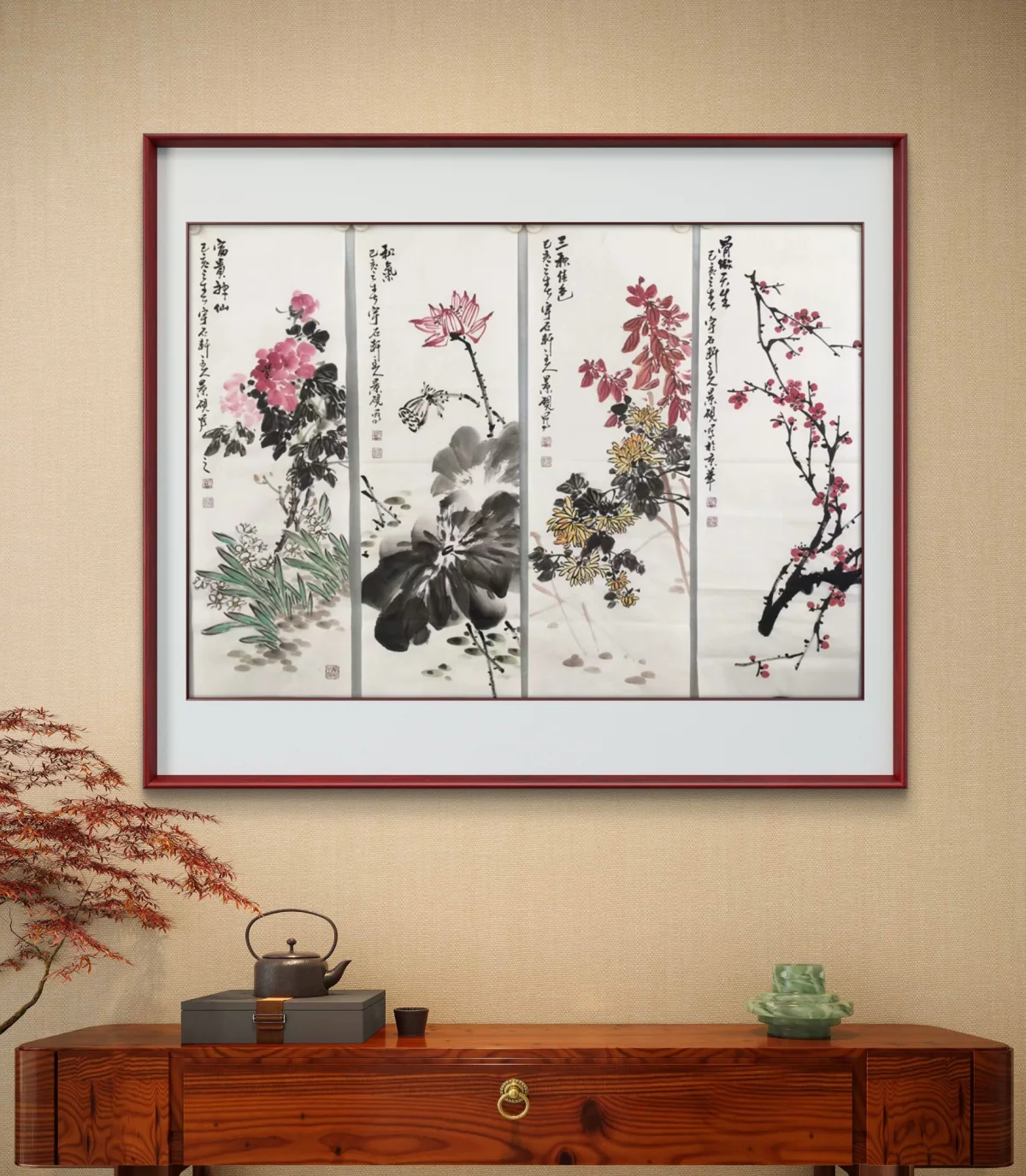
Wu Jingyan Chinese Freehand Painting・Four‑Panel Flower‑and‑Bird Screens(花鸟四条屏)
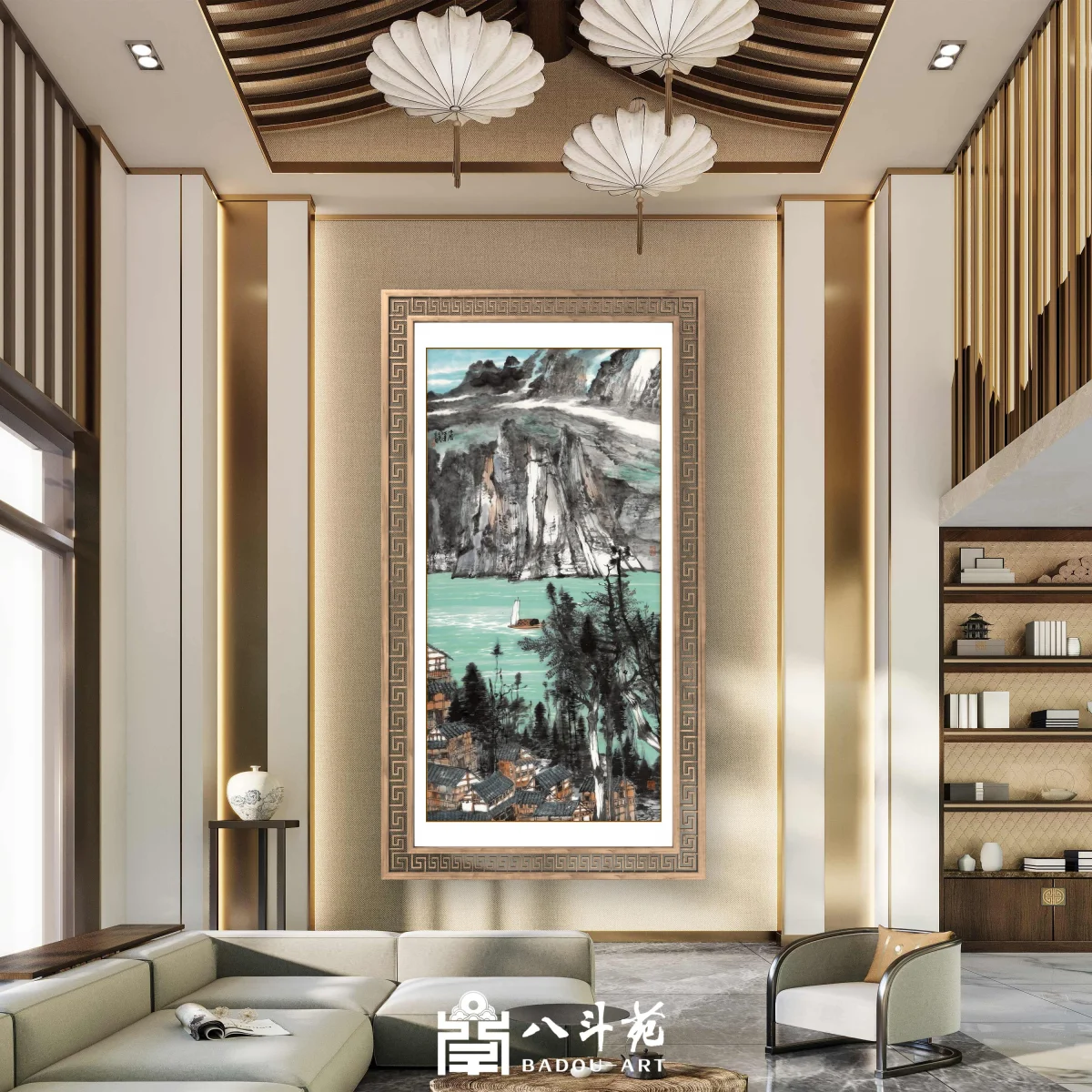
Liu Liyong Landscape Painting | Riverside Mountain Hamlet (山居江远)
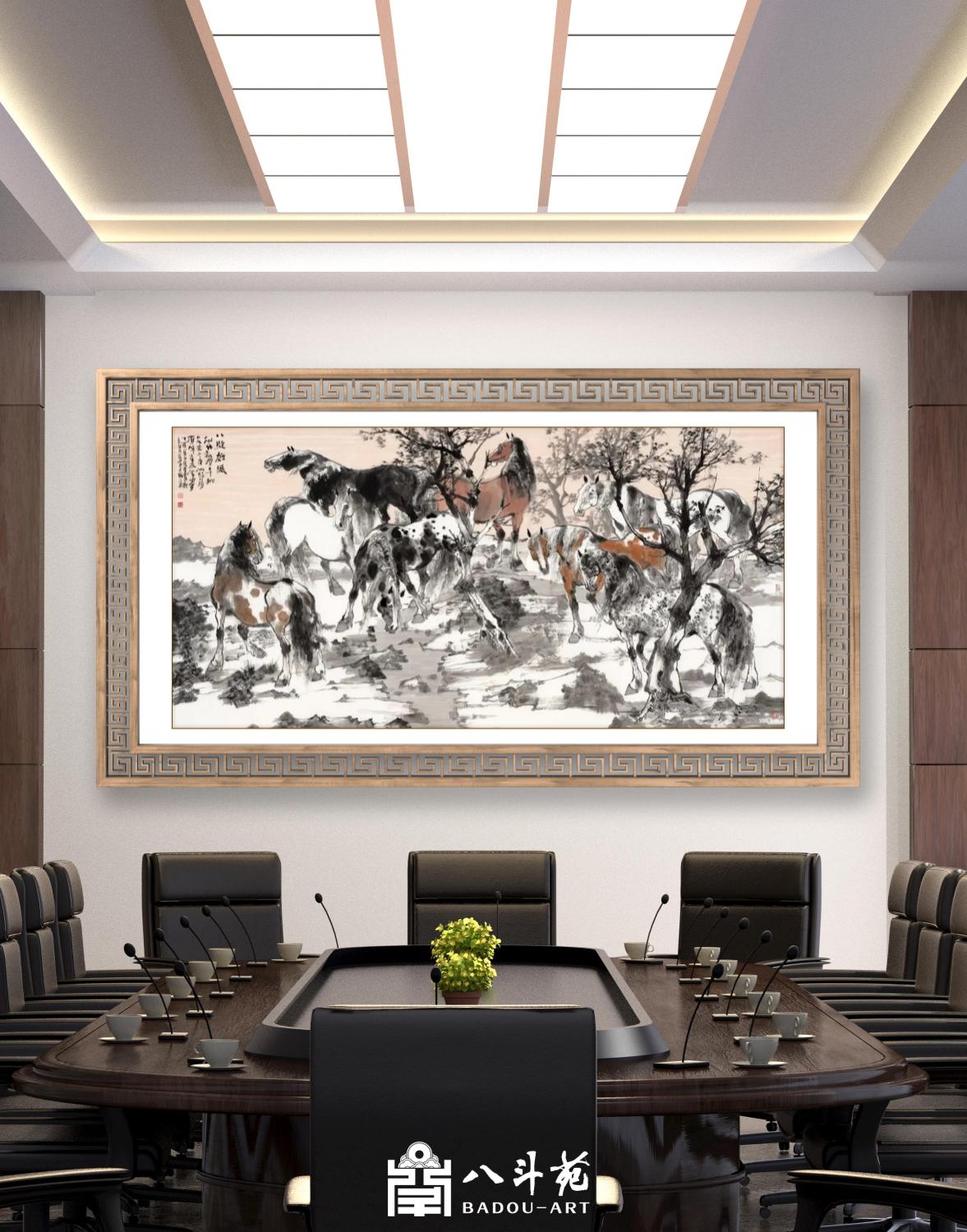
Liu Liyong Animal Painting | Eight Steeds (八骏图)
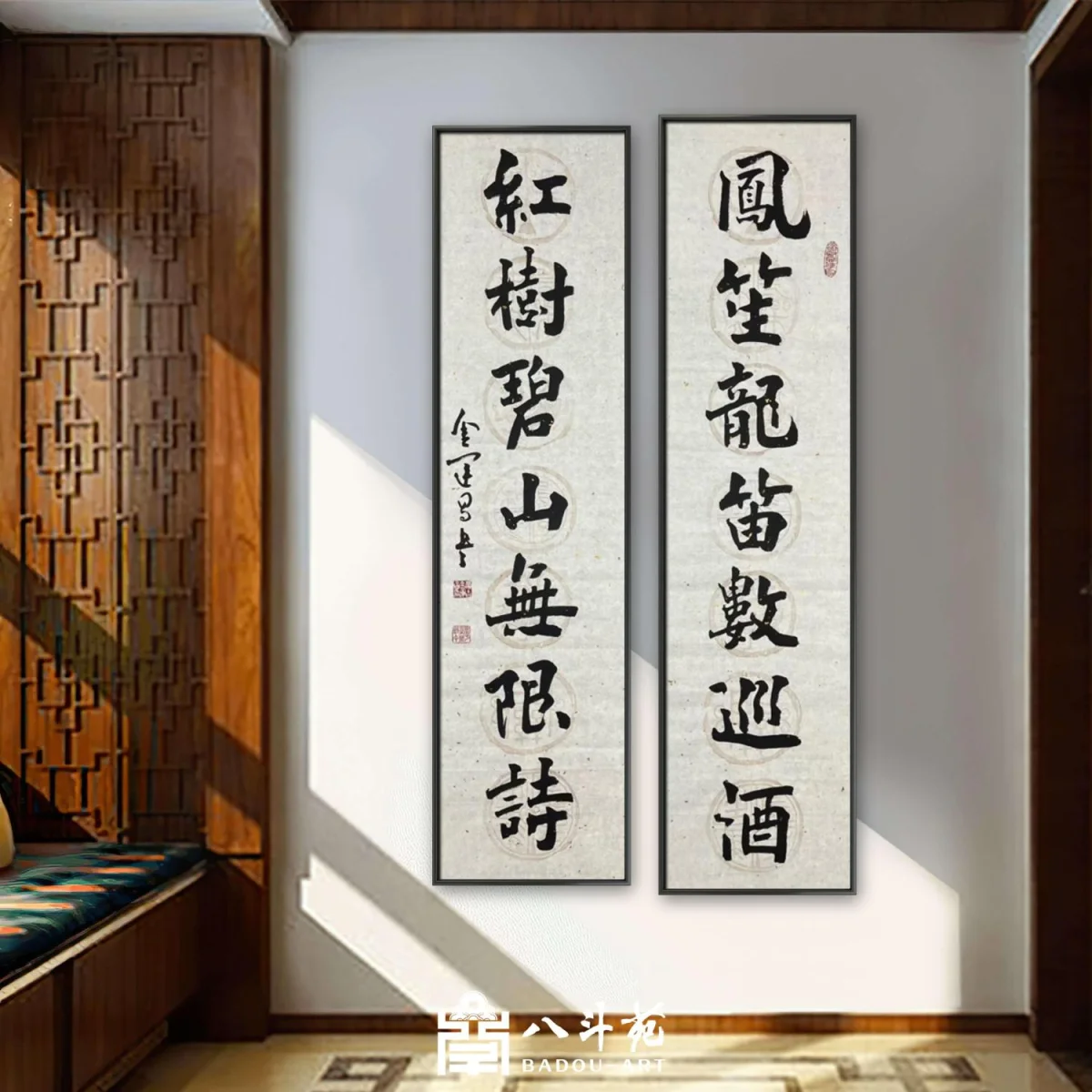
Jin Yunchang Calligraphy | 鳳笙龍笛數巡酒
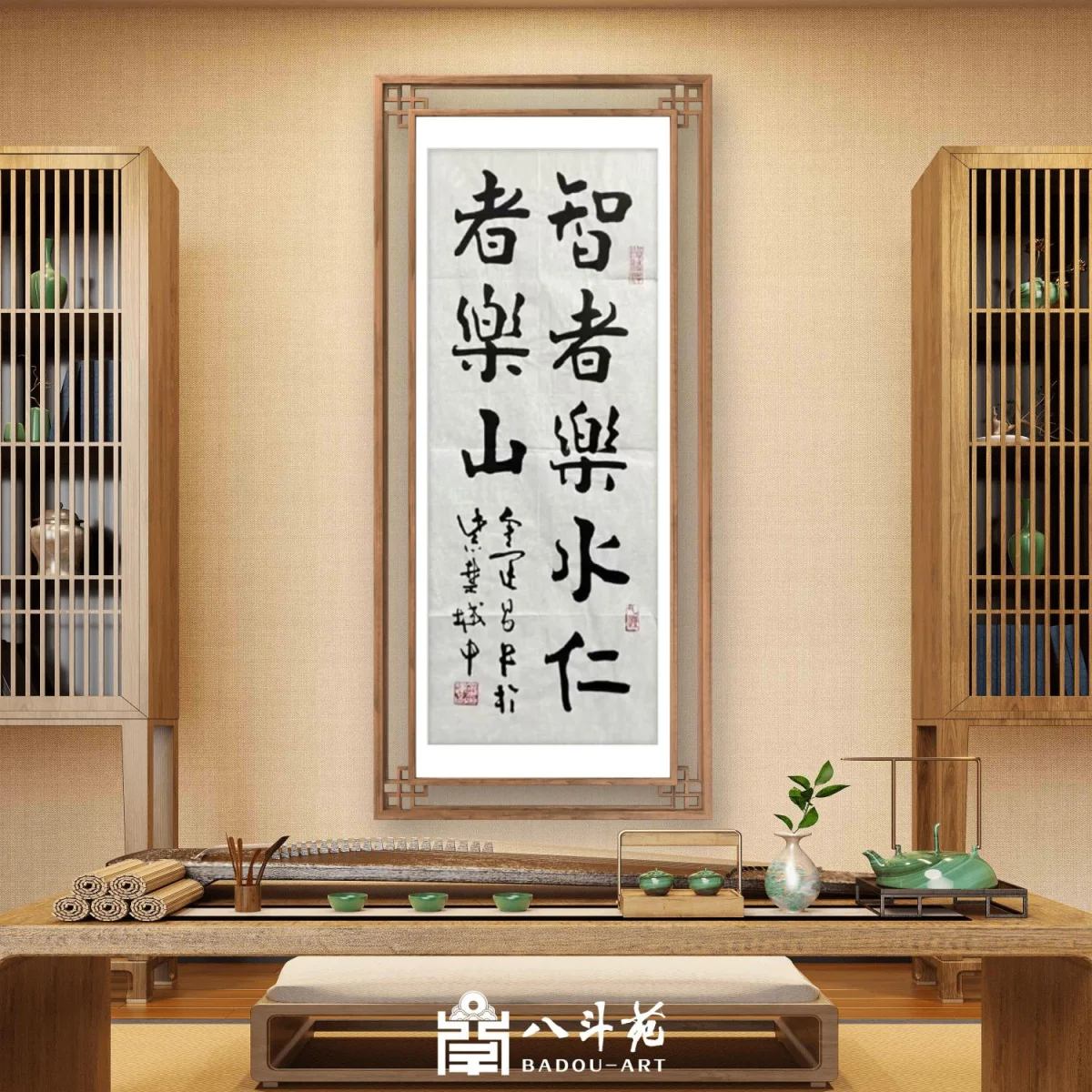
Jin Yunchang Calligraphy | 智者樂水仁者樂山
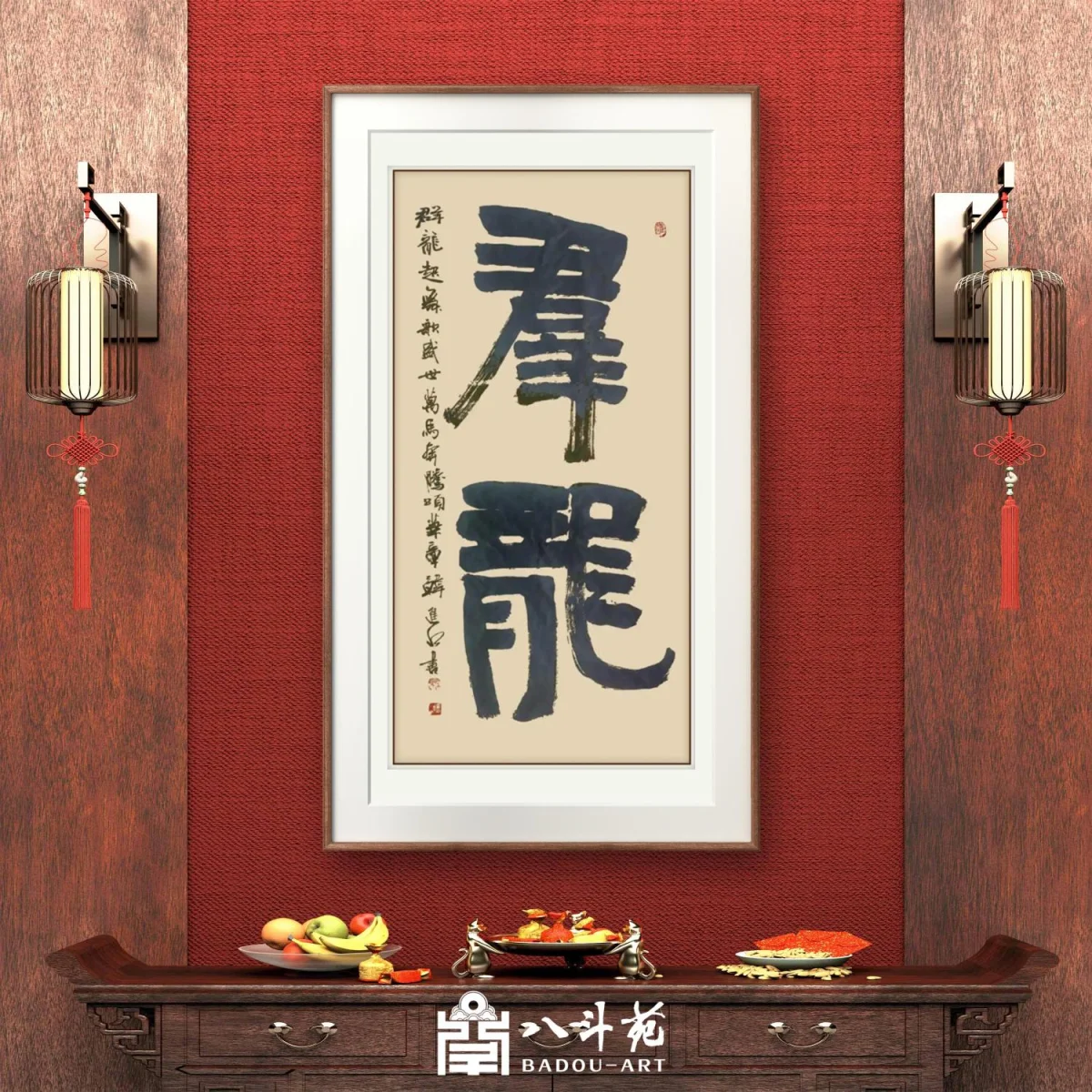
Han Jinshui Calligraphy | 羣龍 (A Group of Dragons)
Wanfa Guiyi: Sakya Monastery Exhibition at the Palace Museum
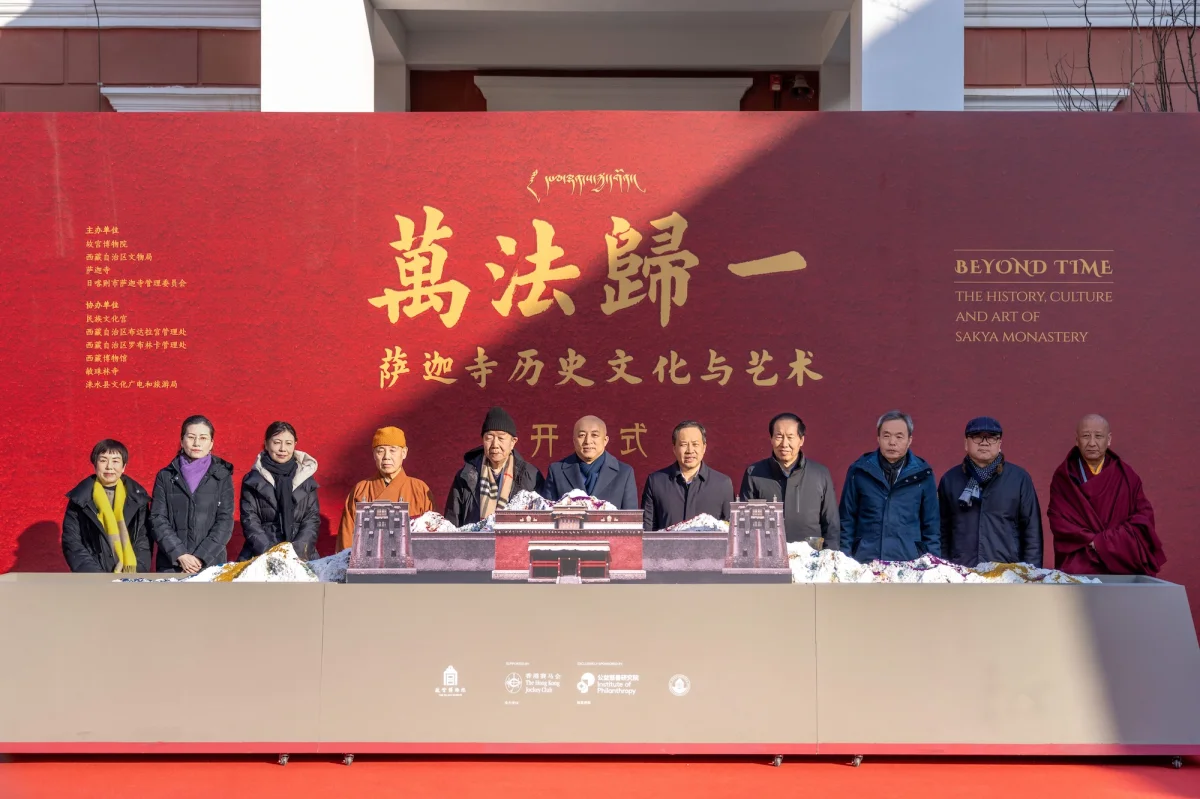
“Wanfa Guiyi: History, Culture and Art of Sakya Monastery” (万法归一:萨迦寺历史文化与艺术) opened on February 10, 2026, in the Meridian Gate (Wumen) main hall and East Wing Gallery of the Palace Museum in Beijing. Co-organized by the Palace Museum with the Tibet Autonomous Region Cultural Relics Bureau and other institutions, the exhibition presents more than 200 precious artifacts tracing nearly a millennium of history at one of Tibetan Buddhism’s most important monasteries.
Four Chapters
The exhibition is organized in four sections — “The History of Sakya Monastery,” “Unity Under Heaven (Jiuzhou Yitong),” “The Culture and Art of Sakya Monastery,” and “Treasures of Sakya Monastery” — showing the monastery’s artistic legacy and its role in the making of a unified multi-ethnic China. It runs through May 10, 2026.
A Thousand Years on the Tibetan Plateau
Sakya Monastery was founded in 1073 between the Himalayas and the Yarlung Tsangpo River, and is the birthplace of the Sakya school of Tibetan Buddhism. The school absorbed cultural elements from many ethnic groups and artistic traditions, writing a brilliant chapter in Chinese art history.
In the 13th century, the scholar-monk Sakya Pandita Kunga Gyeltsen and his nephew Phagpa met the Mongol prince Köden at the famous “Liangzhou Meeting” — a pivotal event in the formal incorporation of Tibet into the central administration of China and in shaping the pattern of a unified multi-ethnic state.
A Long-Standing Partnership
The opening ceremony was held on February 9 at Baoyun Lou, attended by Wang Xudong, director of the Palace Museum; Xu Zhitao, vice chairman of the Tibet Autonomous Region government; former Palace Museum director Zheng Xinmiao; Liu Yuzhu, chairman of the China Foundation for Cultural Heritage Conservation; Yanjue, president of the Buddhist Association of China; Song Xinchao, chairman of ICOMOS China; representatives of the Tibet regional government; Luozhuo Jiacuo, vice director of the Sakya Monastery management committee; and Ip Siu-yee of the Hong Kong Jockey Club, among others. Deputy director Wang Yuegong hosted the ceremony.
Since signing a strategic cooperation framework with Tibet in 2015, the Palace Museum has deepened collaboration on Tibetan heritage, including major exhibitions such as “Tashilhunpo Monastery Meets the Forbidden City” and “Auspicious Omens: Palace Museum and Tibet Cultural Relics Joint Exhibition,” alongside systematic survey, documentation, and research of Tibetan cultural relics.
Co-organizers include the Sakya Monastery Management Committee, Minzhulin Monastery, the Tibet Museum, the Potala Palace administrative office, the Norbulingka administrative office, the Ethnic Cultural Palace in Beijing, and the Laishui County Culture, Radio, Television and Tourism Bureau of Hebei Province.