
Our Featured Collection
Hand‑picked premium works for you
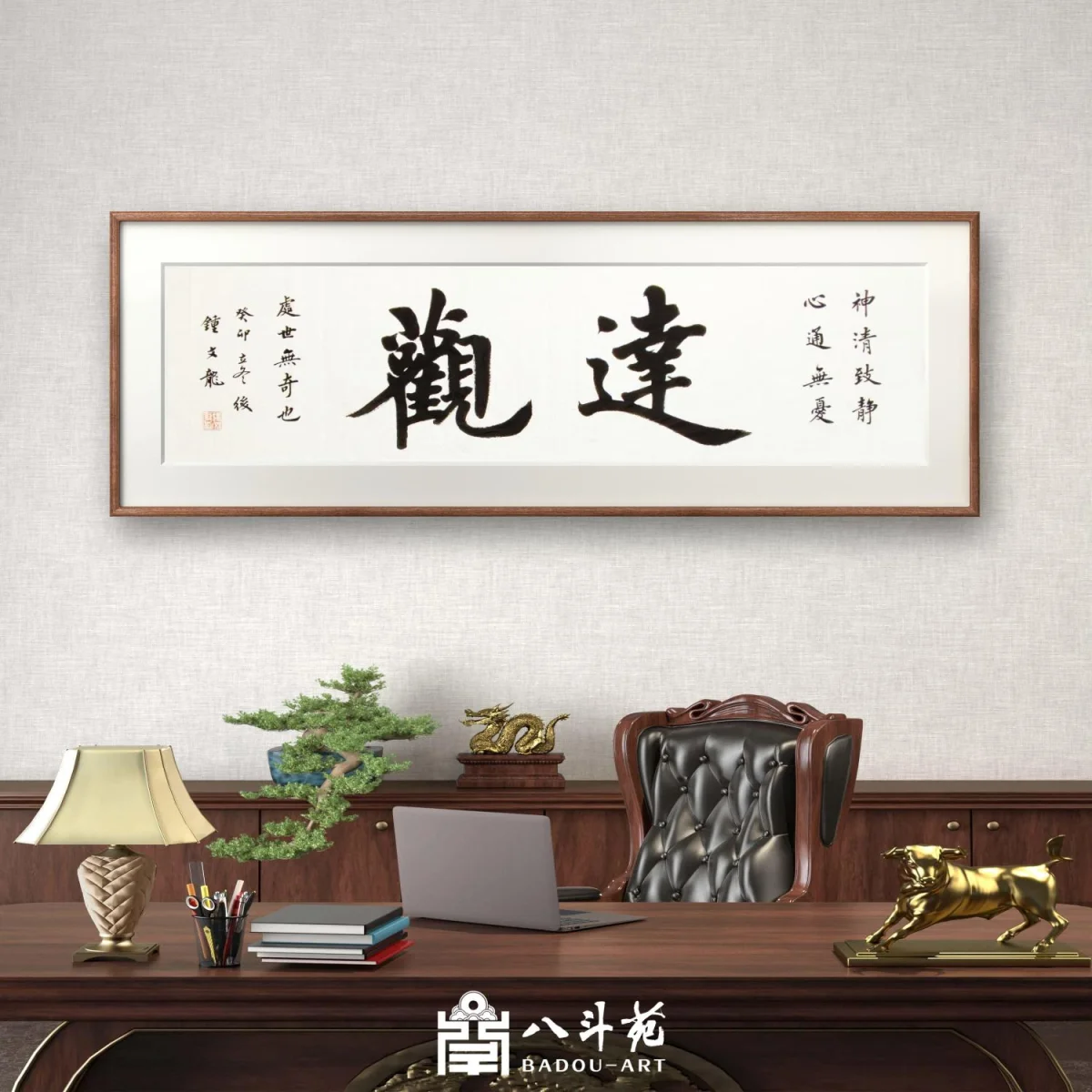
Zhong Wenlong Calligraphy | 达观
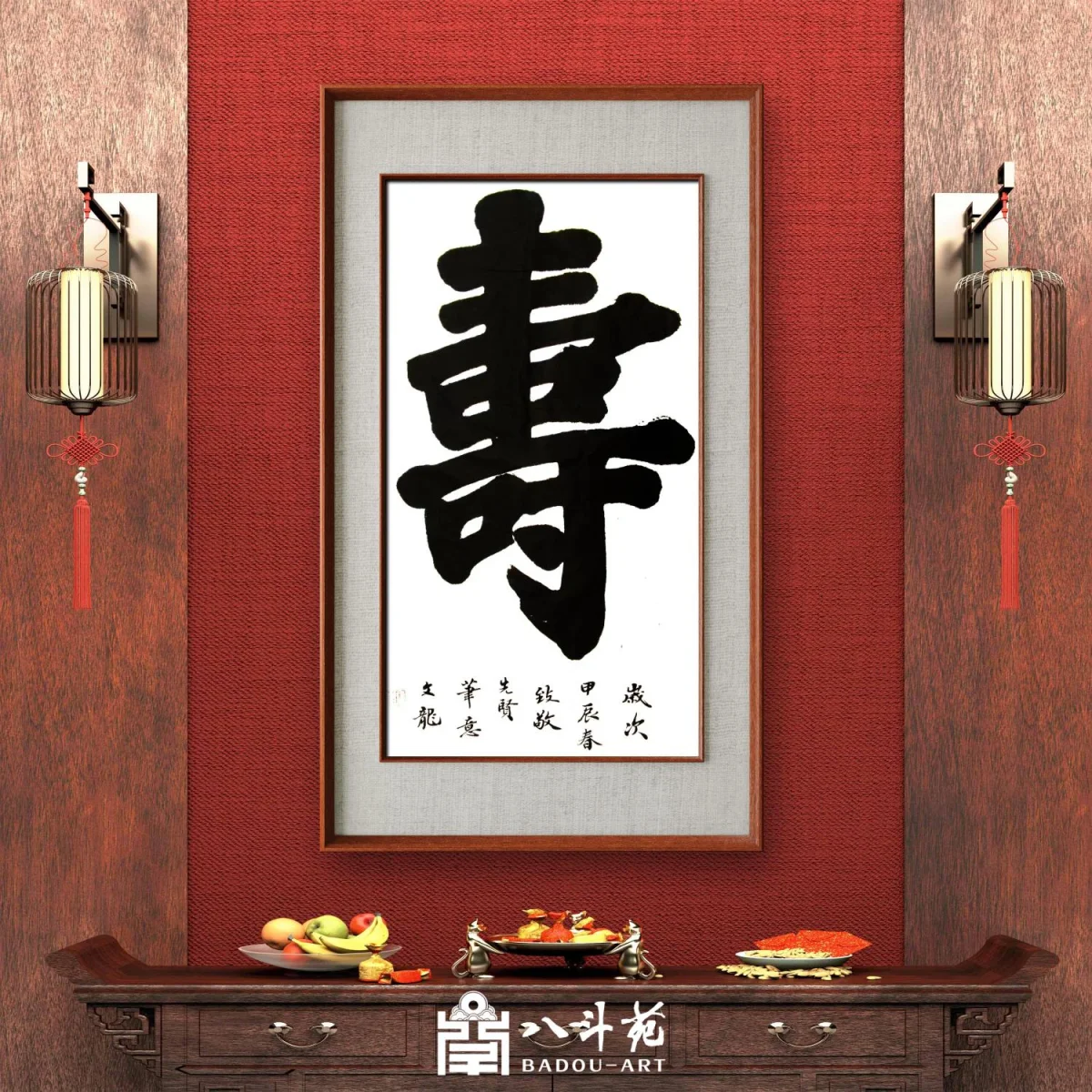
Zhong Wenlong Calligraphy | 壽
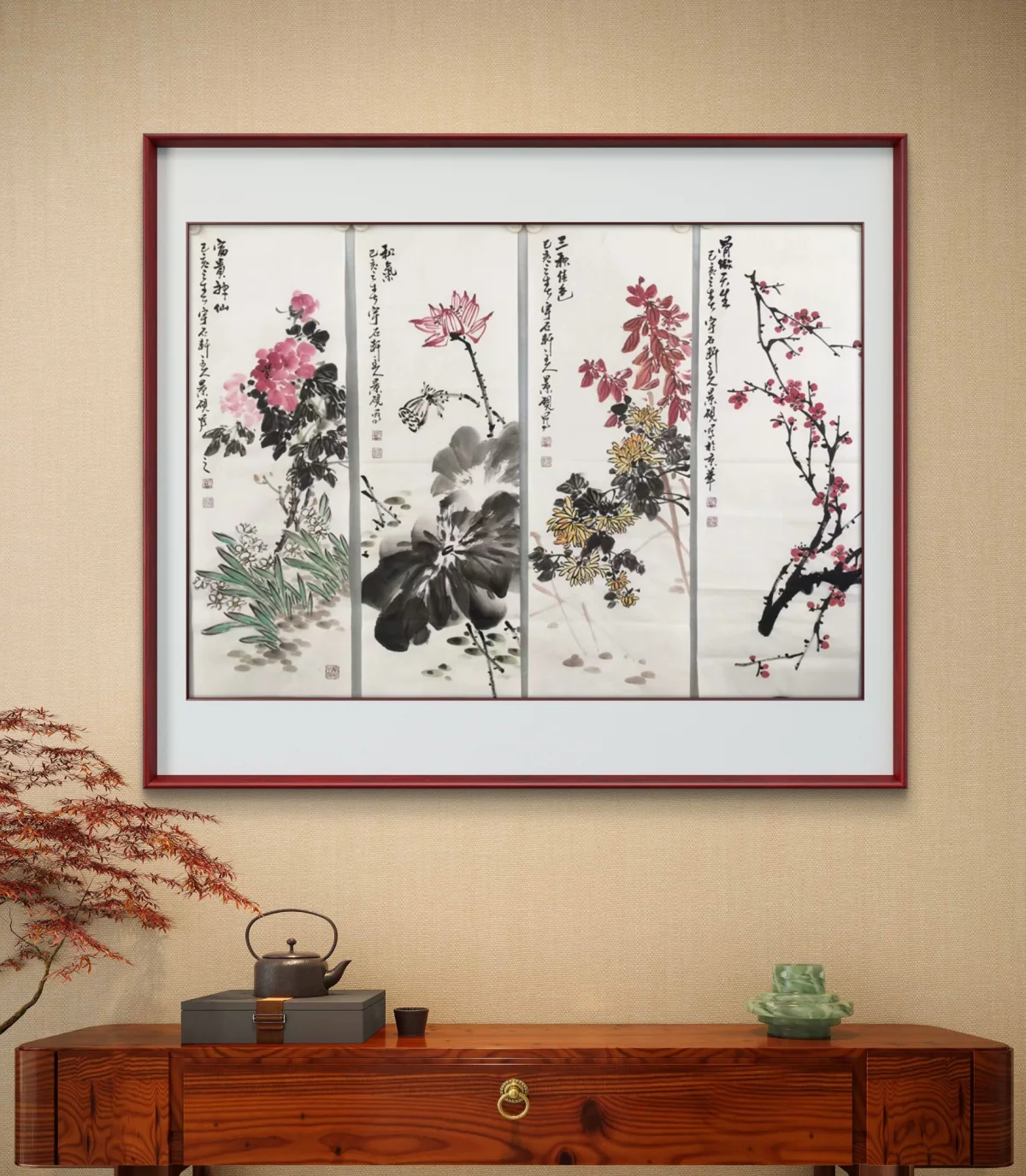
Wu Jingyan Chinese Freehand Painting・Four‑Panel Flower‑and‑Bird Screens(花鸟四条屏)
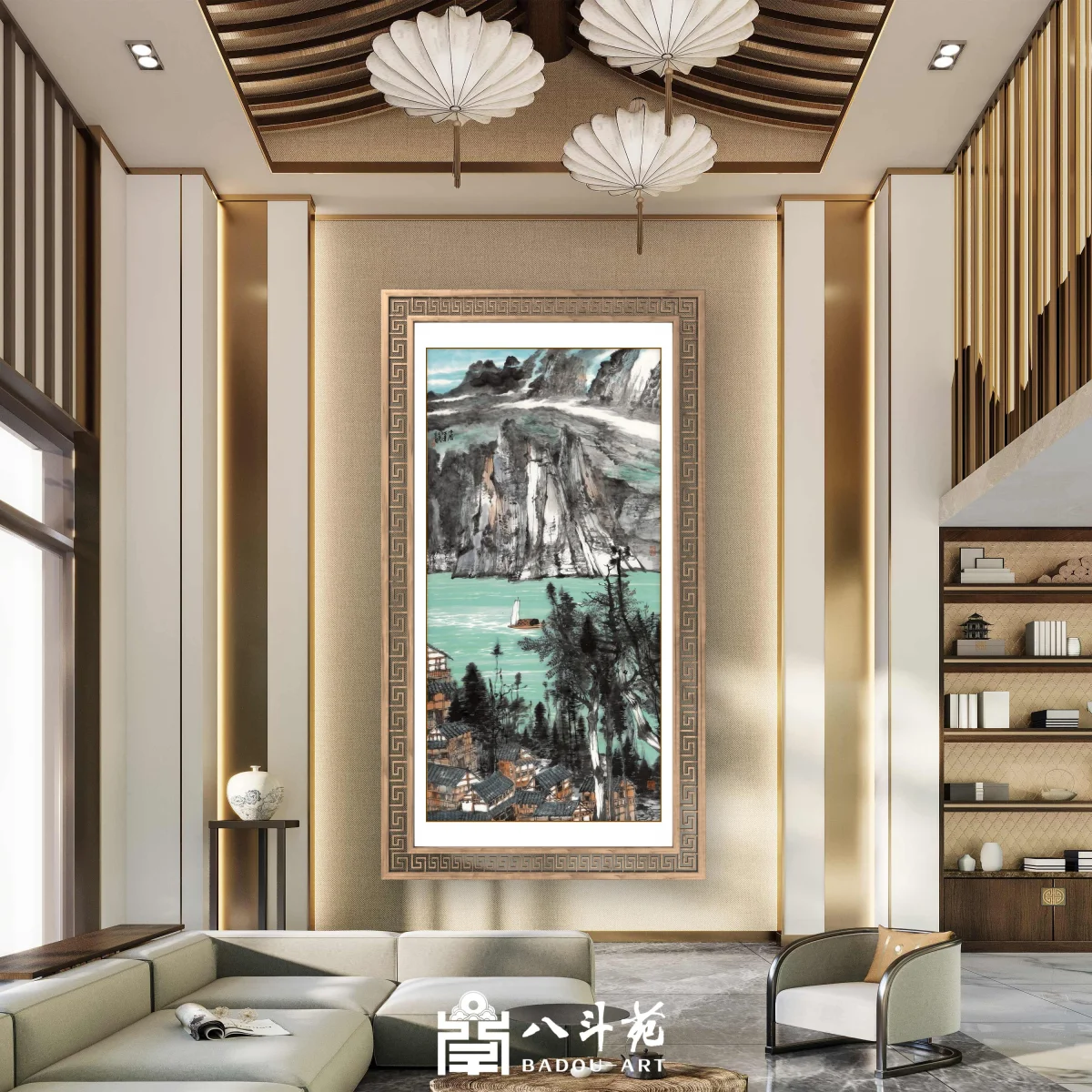
Liu Liyong Landscape Painting | Riverside Mountain Hamlet (山居江远)
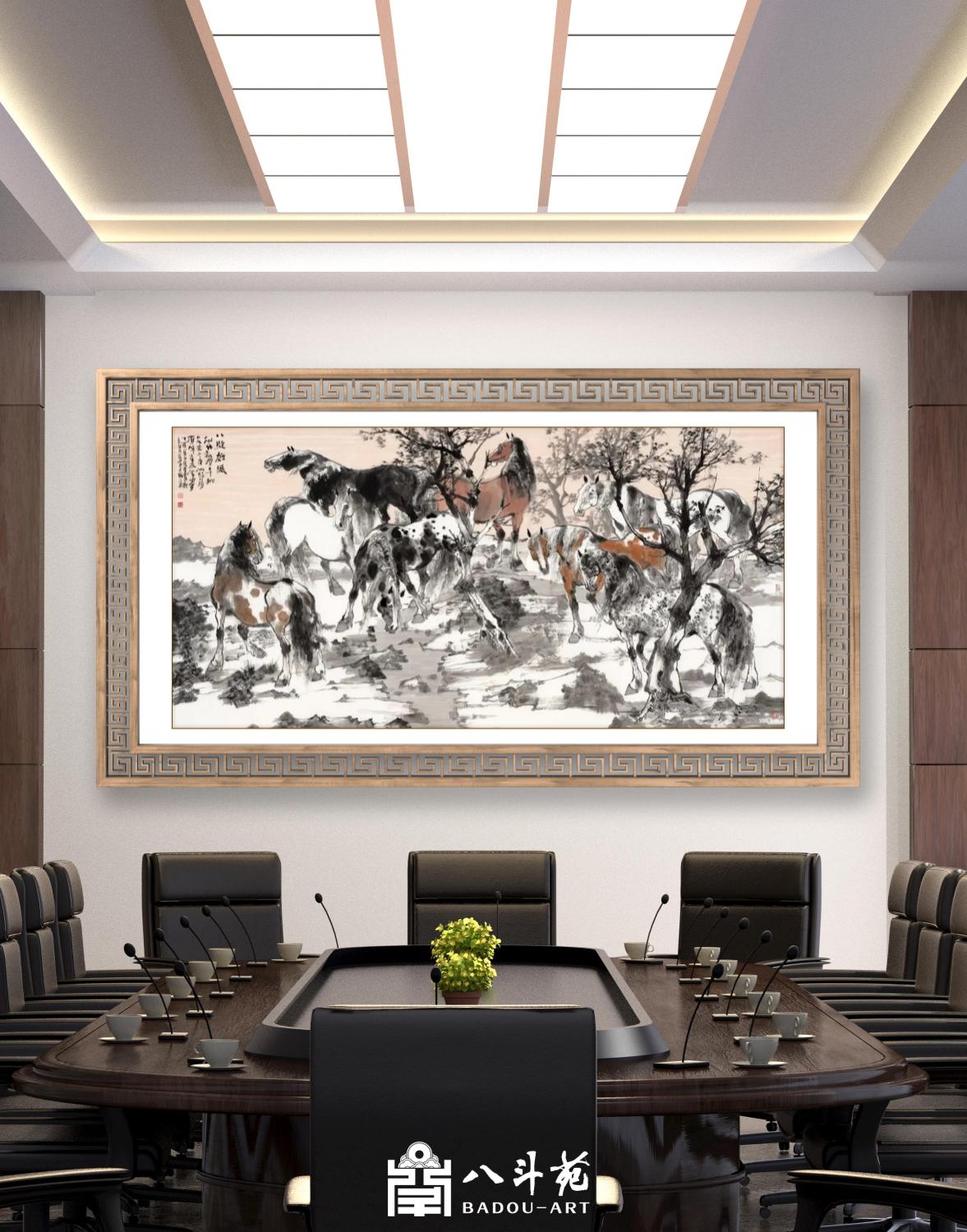
Liu Liyong Animal Painting | Eight Steeds (八骏图)
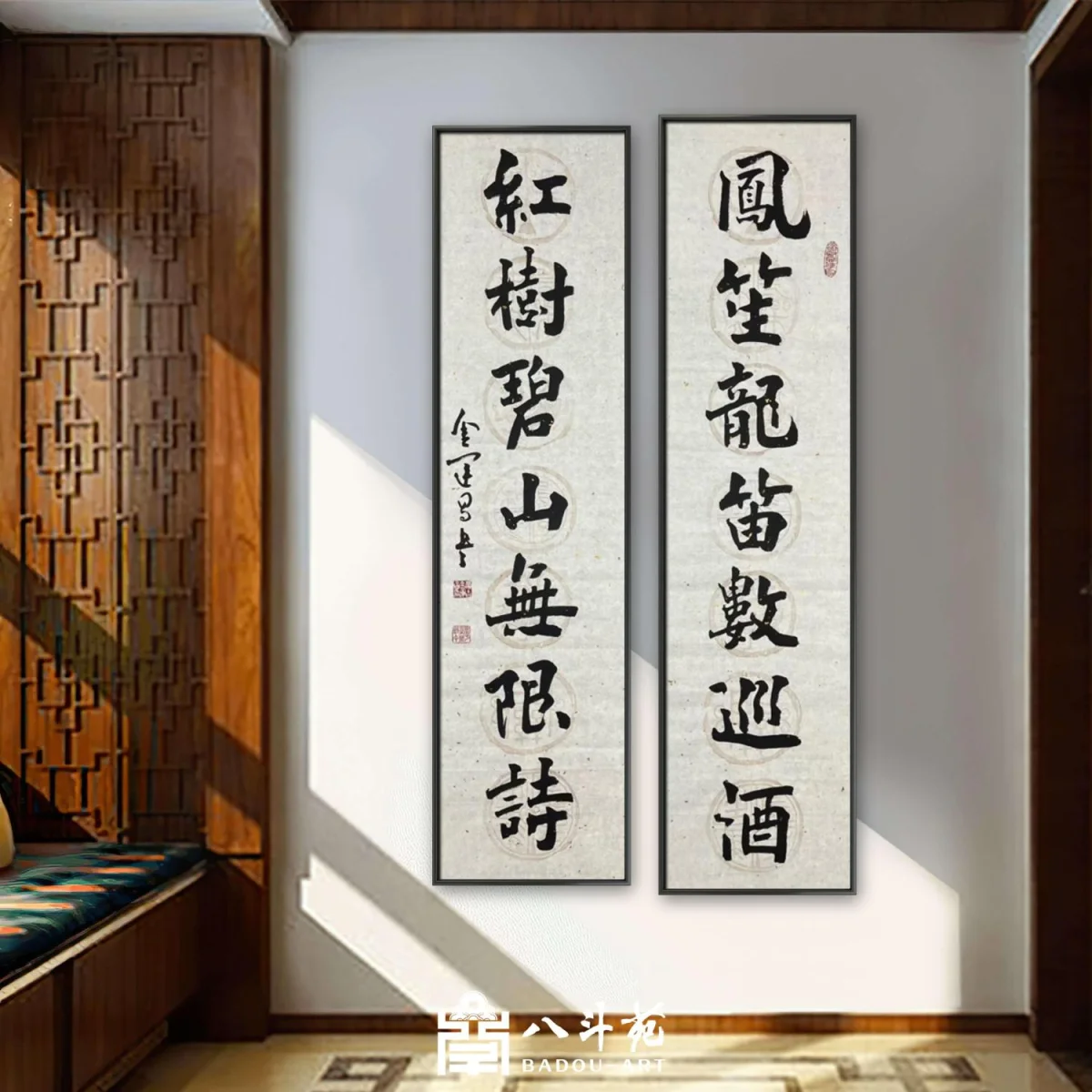
Jin Yunchang Calligraphy | 鳳笙龍笛數巡酒
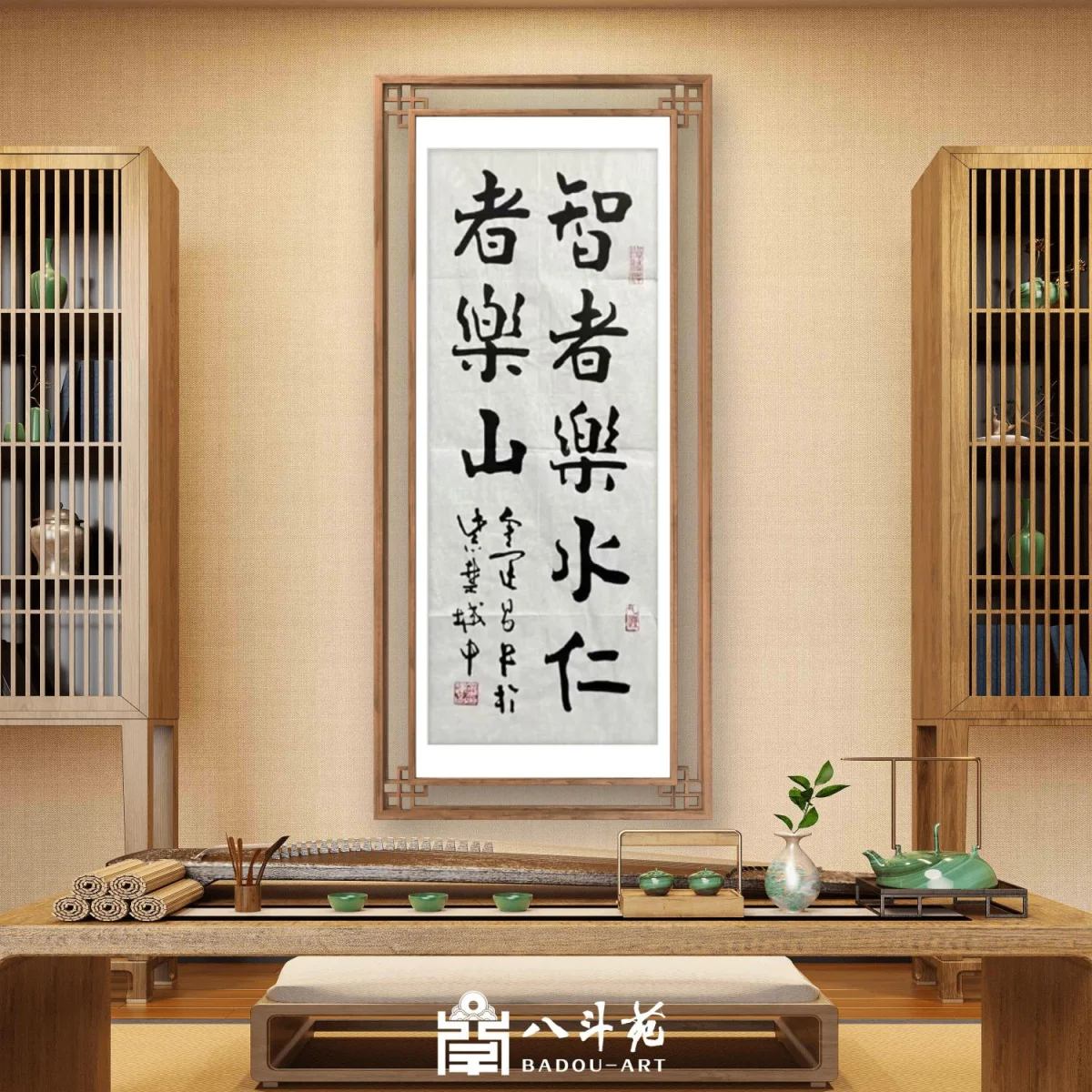
Jin Yunchang Calligraphy | 智者樂水仁者樂山
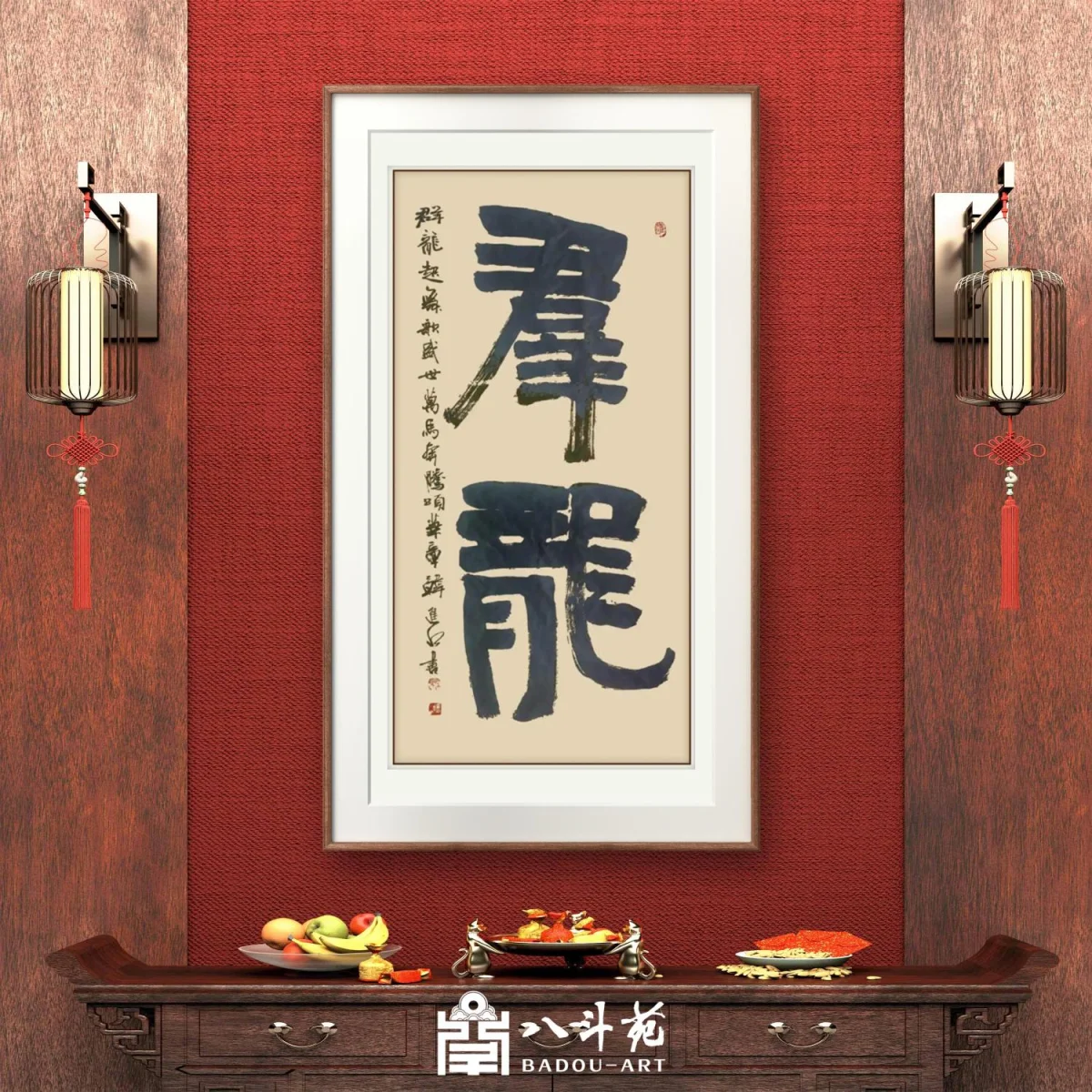
Han Jinshui Calligraphy | 羣龍 (A Group of Dragons)
Chinese Scroll Mounting Sizes: Complete Size Chart & Guide
Chinese Scroll Mounting Sizes: Complete Size Chart & Guide
Choosing a Chinese painting or calligraphy work for a room means choosing the right size — measured in *chi* (a Chinese foot, roughly 33 cm). Because works are normally mounted before hanging, the mounted size, not just the paper size, decides whether a piece fits your wall. Below is a reference chart of common formats, based on traditional practice, plus how to calculate a work’s area.
Common Sizes and Mounted Dimensions
| Format | Unmounted (cm) | Mounted (cm) |
|---|---|---|
| Three-chi full sheet | 100 × 55 | 128 × 65 |
| Four-chi full sheet | 138 × 69 | 174 × 83 |
| Six-chi full sheet | 180 × 97 | 220 × 110 |
| Eight-chi full sheet | 248 × 129 | 285 × 145 |
| Zhang-er (12-chi) full sheet | 367 × 144 | 400 × 158 |
For most homes and offices, the four-chi full sheet is the most common choice — large enough to anchor a wall, yet easy to hang in a living room or study. Three-chi works suit bedrooms and corridors; six-chi and above are usually reserved for halls and public spaces.
Calculating Area in Square Chi
Chinese dealers quote prices by area in “square chi.” Two traditional formulas are common: multiply length by width by 0.0009 — e.g., a four-chi sheet of 136 × 68 cm gives about 8.32 square chi — or divide length by width by 0.1089, giving about 8.4 square chi. Use either consistently; they are two accepted conventions.
Mounting Styles
- **Vertical scroll (*lizhou*):** for tall, narrow compositions; common in three-, four-, and six-chi formats.
- **Strip (*tiaofu*):** for horizontal compositions; under one chi long still counts as one chi, beyond that charged by actual area.
- **Horizontal scroll (*hengpi*):** for short, wide compositions; typically one chi tall and up to four chi wide.
- **Fan formats:** round or large round fans, priced by diameter.
- **Handscroll (*shoujuan*):** priced by length; usually 1.5 to 2 times the rate of other formats.
Glossary of Formats
Unmounted rice paper is a “soft sheet” (*ruanpian*). Backed with a single layer of paper it becomes a “mirror core” (*jingxin*); with mounting borders, a “framed mirror” (*jingpian*); and inside a frame, *jingkuang*. Add top and bottom rods and it is a vertical scroll; horizontal forms are *hengpi*, and long narrow ones are handscrolls. Album leaves are counted in *kai*; fan-shaped mountings are *shanpian*, and with folding ribs, *chengshan*. Round fans are *tuanshan* (a large round fan is *yuanguang*). Letters written on notepaper are *xinzha*, counted in *tong*.
Whether you need a large centerpiece for a lobby or a small scroll for a study, the right format makes all the difference. If you’re choosing a commissioned work, Badou Art’s specialists are happy to help you match size, format, and room.
Source: https://www.cntizi.com/9189.html