Our Featured Collection
Hand‑picked premium works for you
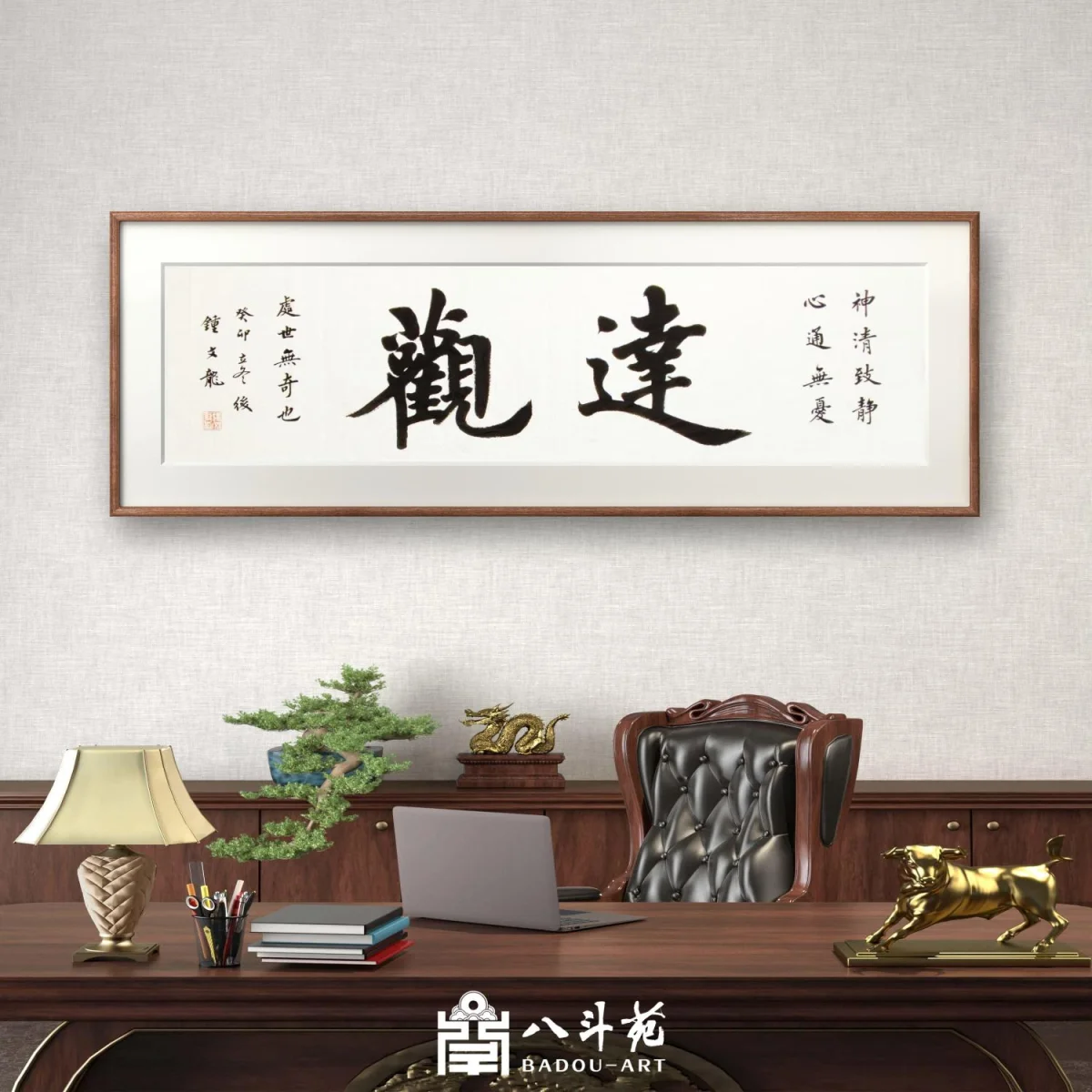
Zhong Wenlong Calligraphy | 达观
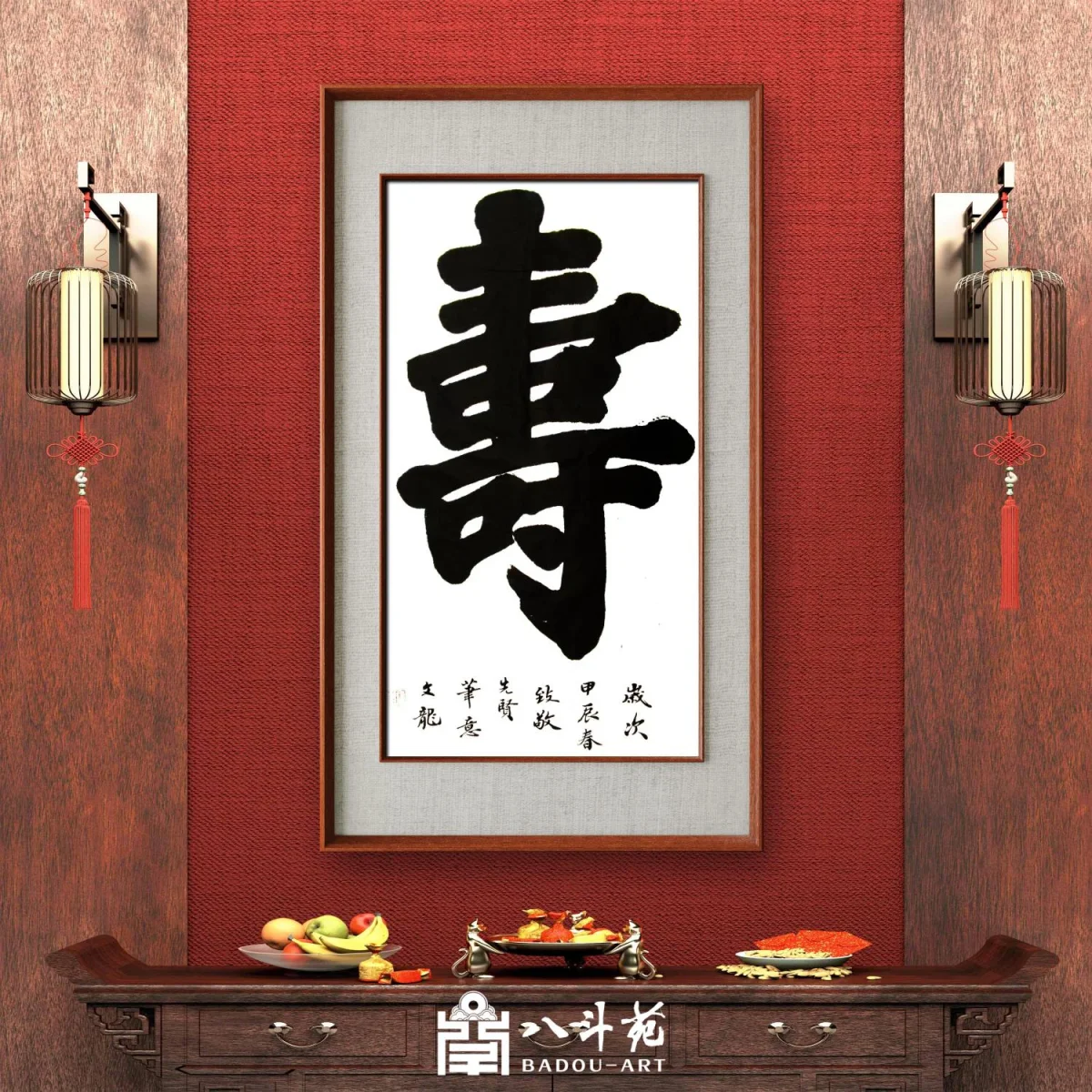
Zhong Wenlong Calligraphy | 壽
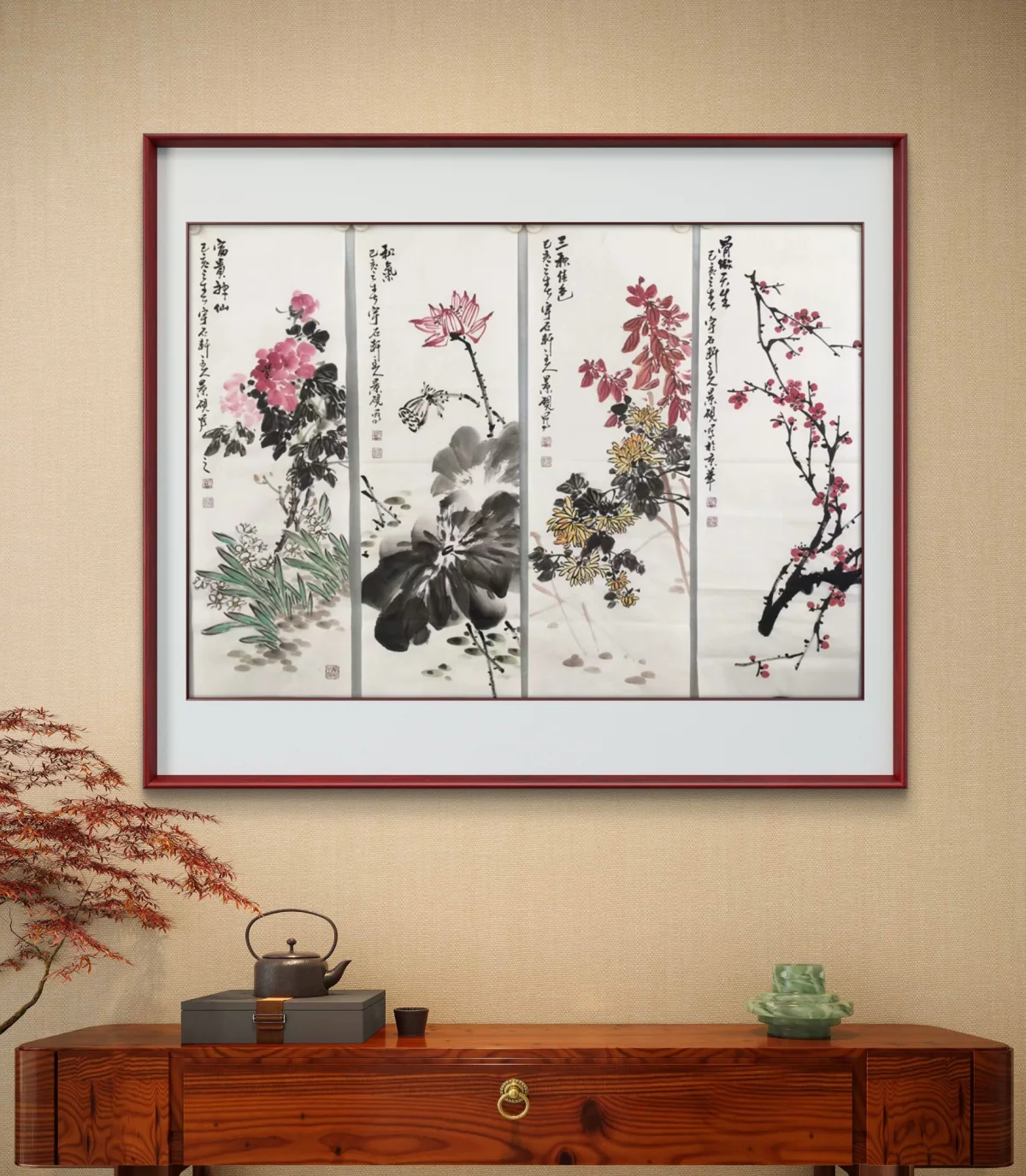
Wu Jingyan Chinese Freehand Painting・Four‑Panel Flower‑and‑Bird Screens(花鸟四条屏)
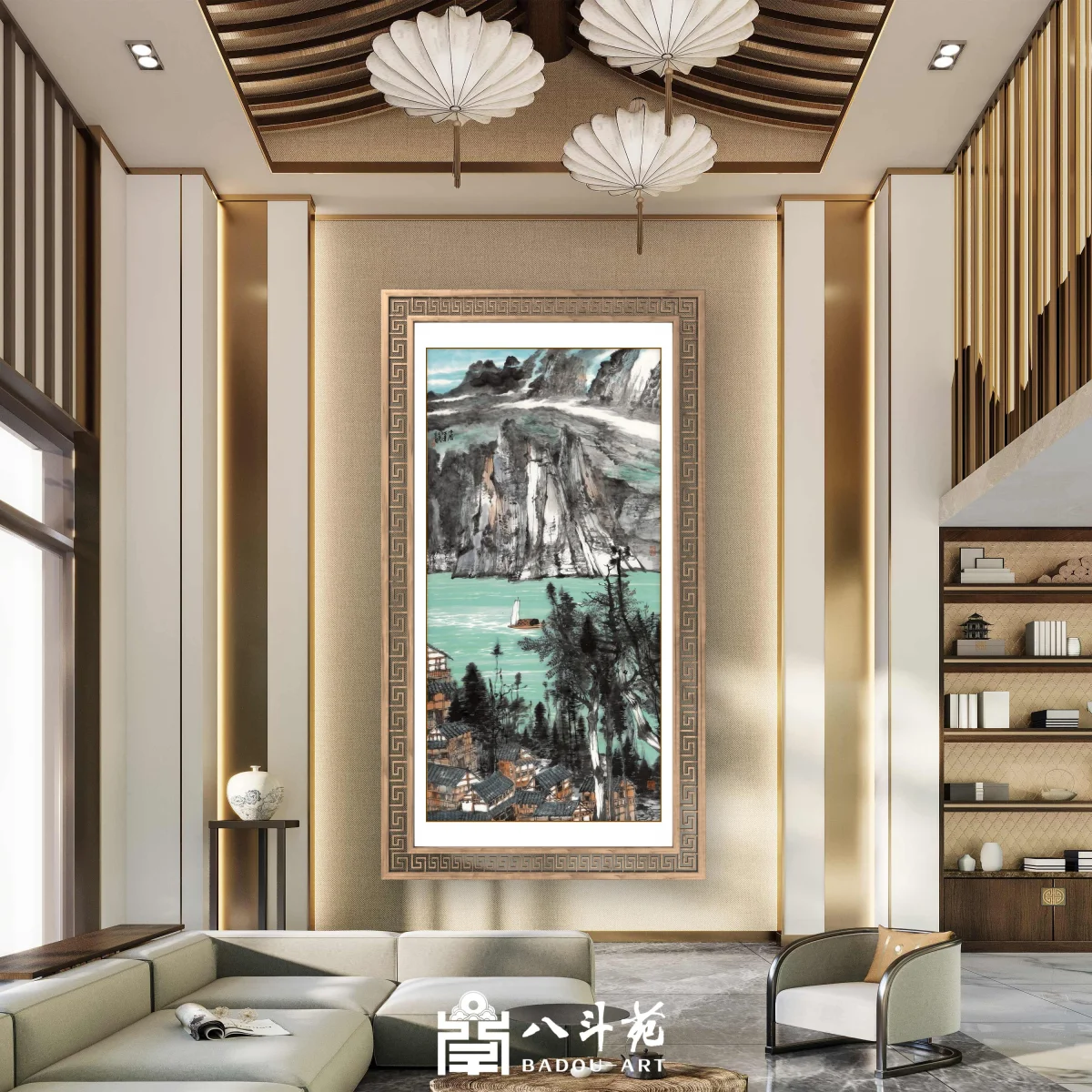
Liu Liyong Landscape Painting | Riverside Mountain Hamlet (山居江远)
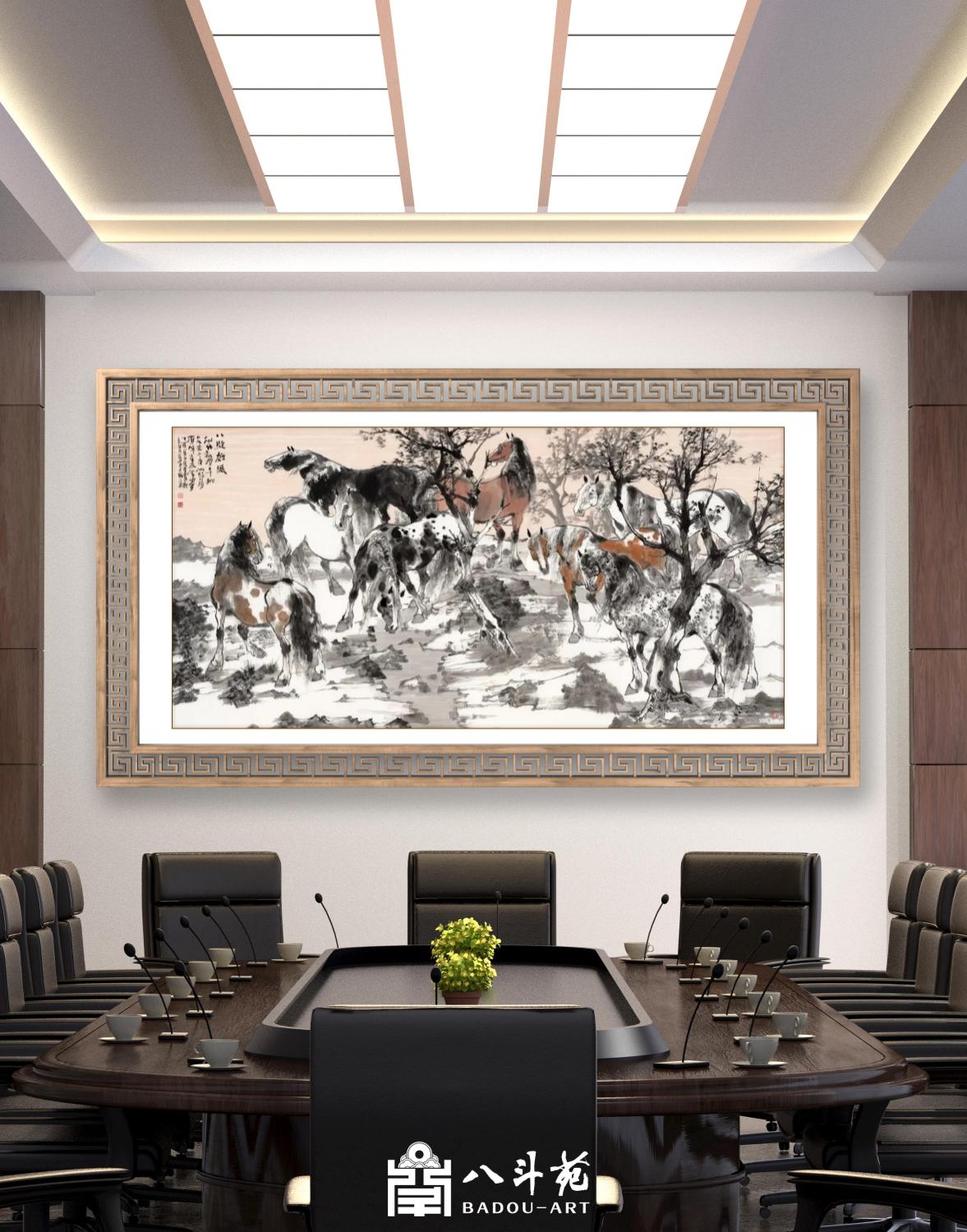
Liu Liyong Animal Painting | Eight Steeds (八骏图)
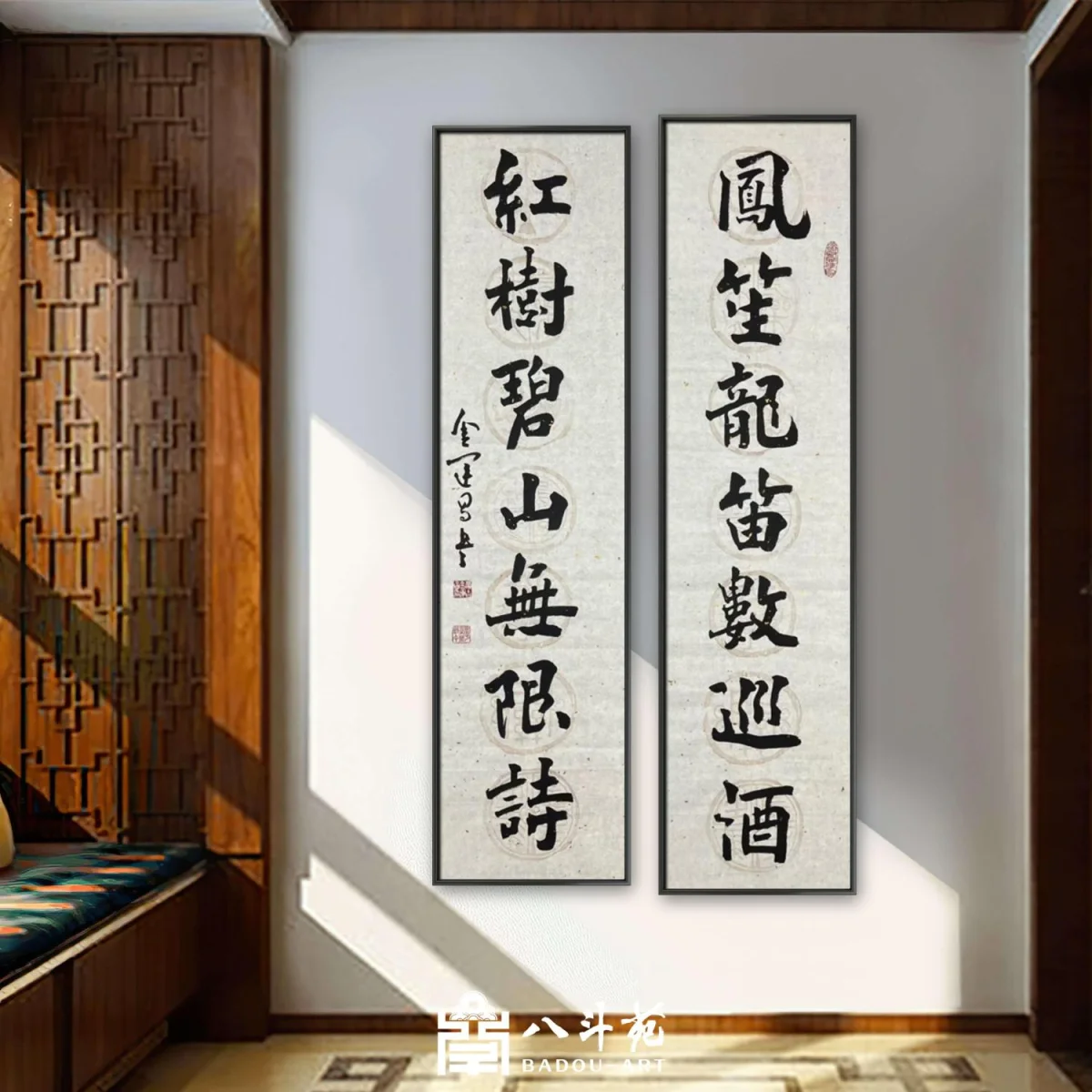
Jin Yunchang Calligraphy | 鳳笙龍笛數巡酒
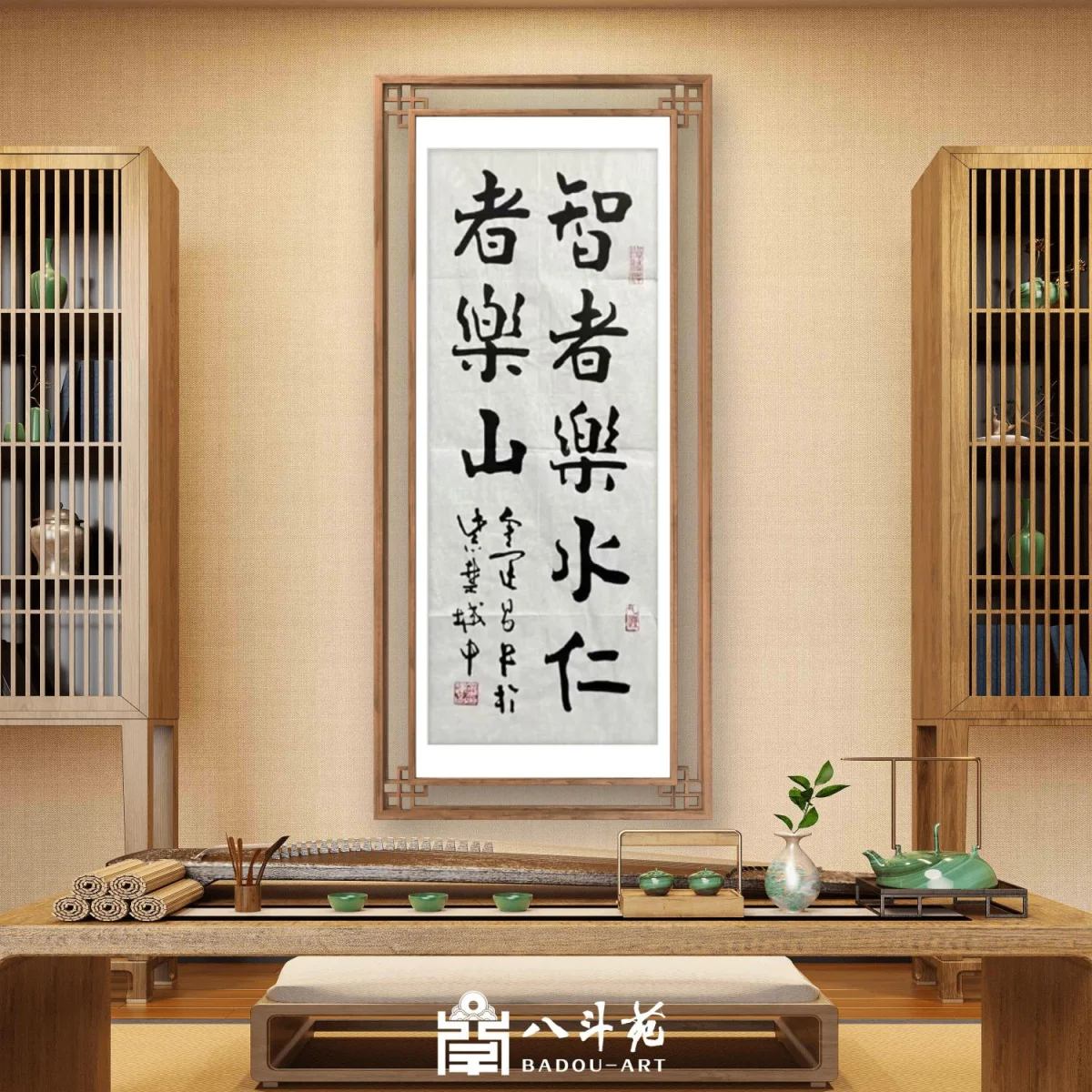
Jin Yunchang Calligraphy | 智者樂水仁者樂山
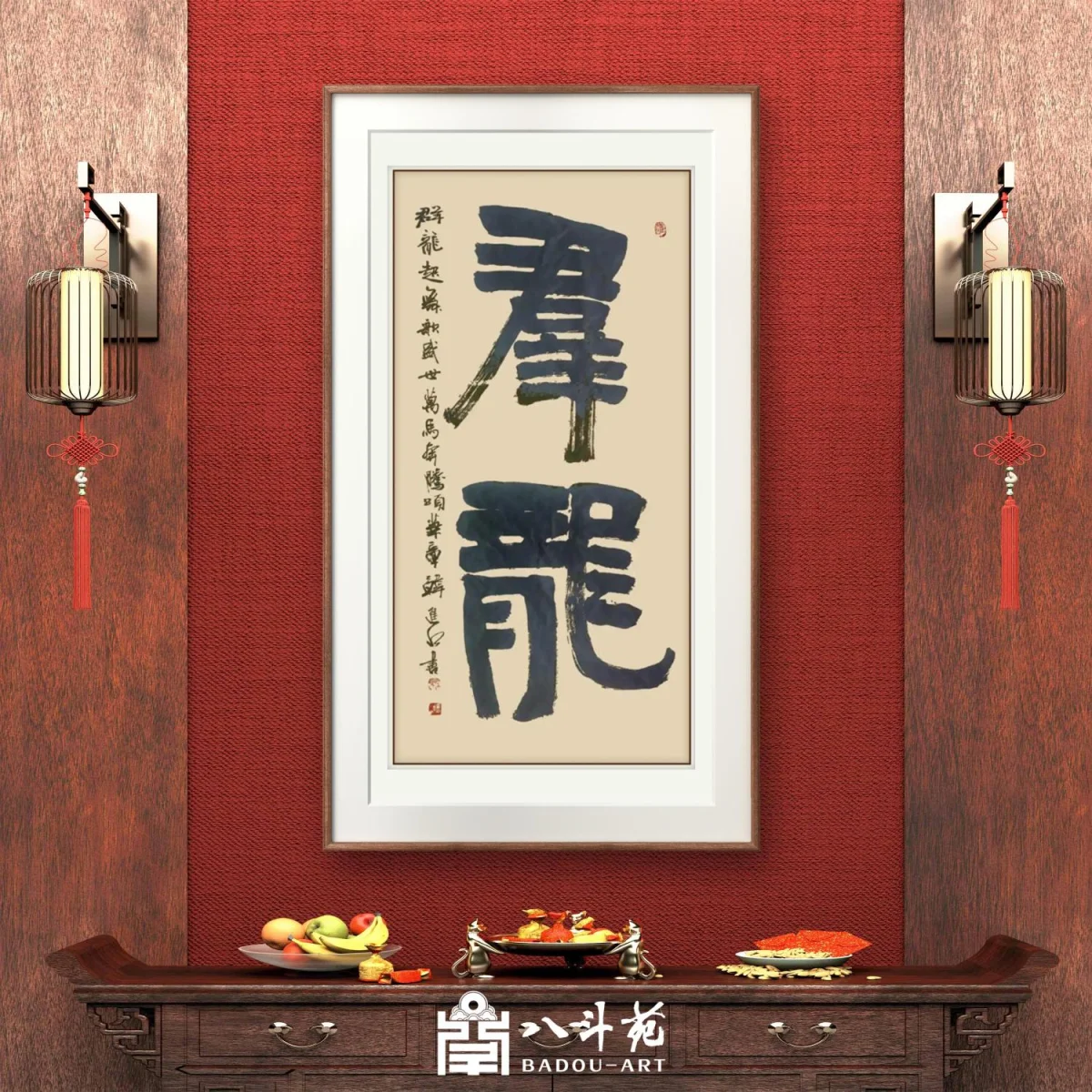
Han Jinshui Calligraphy | 羣龍 (A Group of Dragons)
Seal Carving Gifts: Etiquette and Traditional Phrases
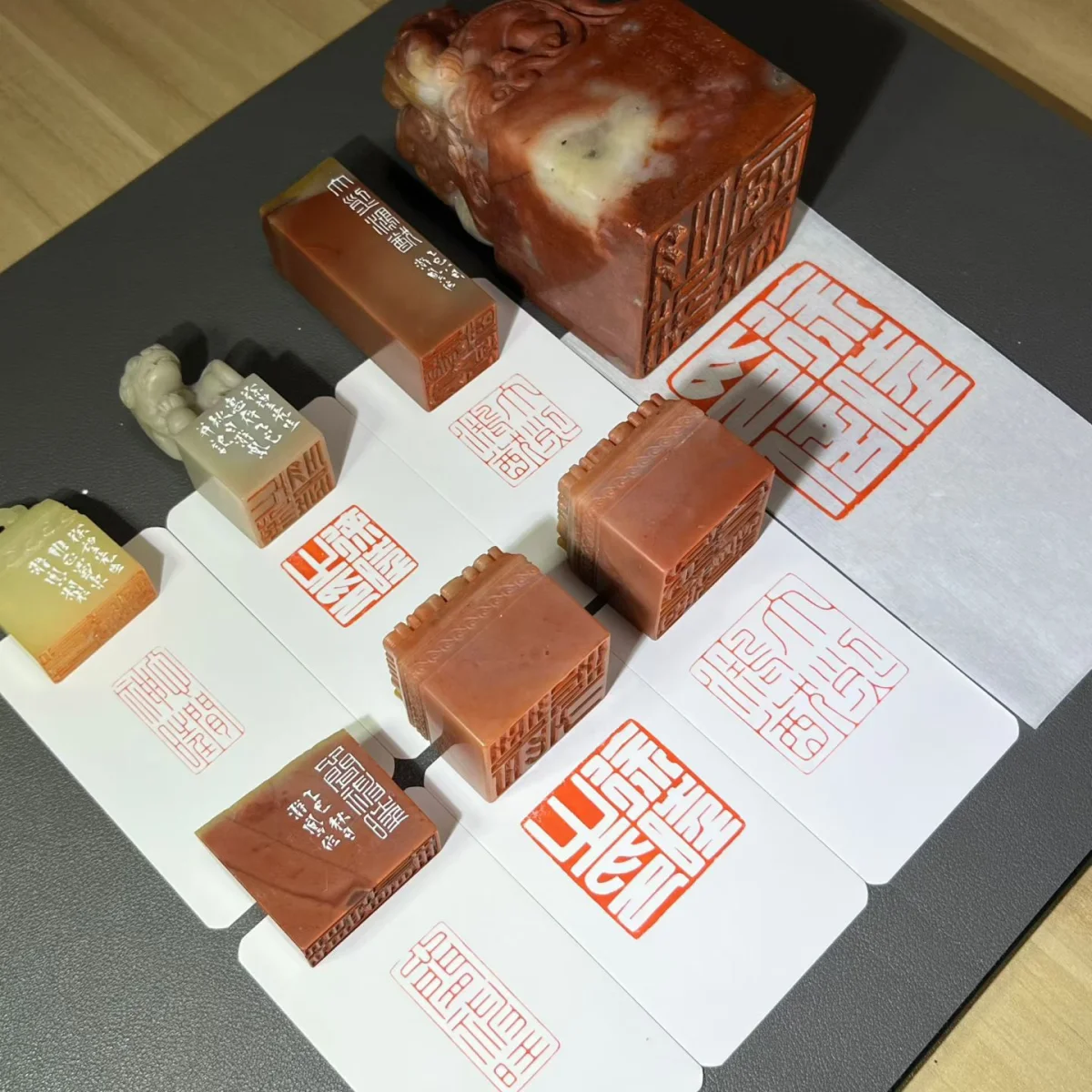
Seal Carving Gifts: Etiquette and Traditional Phrases
When holidays and business occasions come around, the seal — an engraved personal stamp, the traditional Chinese signature — has become a favorite gift among those who value culture. A fine seal is tasteful, meaningful, and never vulgar; with a good stone or a master carver, it can even become a collector’s item. But seal gifting has its own etiquette. Get it right, and the gift is remembered for a lifetime.
Match the Seal to the Person
- For a leader or important client: choose a stone of genuine quality and collectible value. If the recipient knows seal carving, commission a highly skilled carver; if not, the carver’s fame matters less.
- For a painter or calligrapher: always seek a professional carver of recognized skill — artists have a sharp eye for seals.
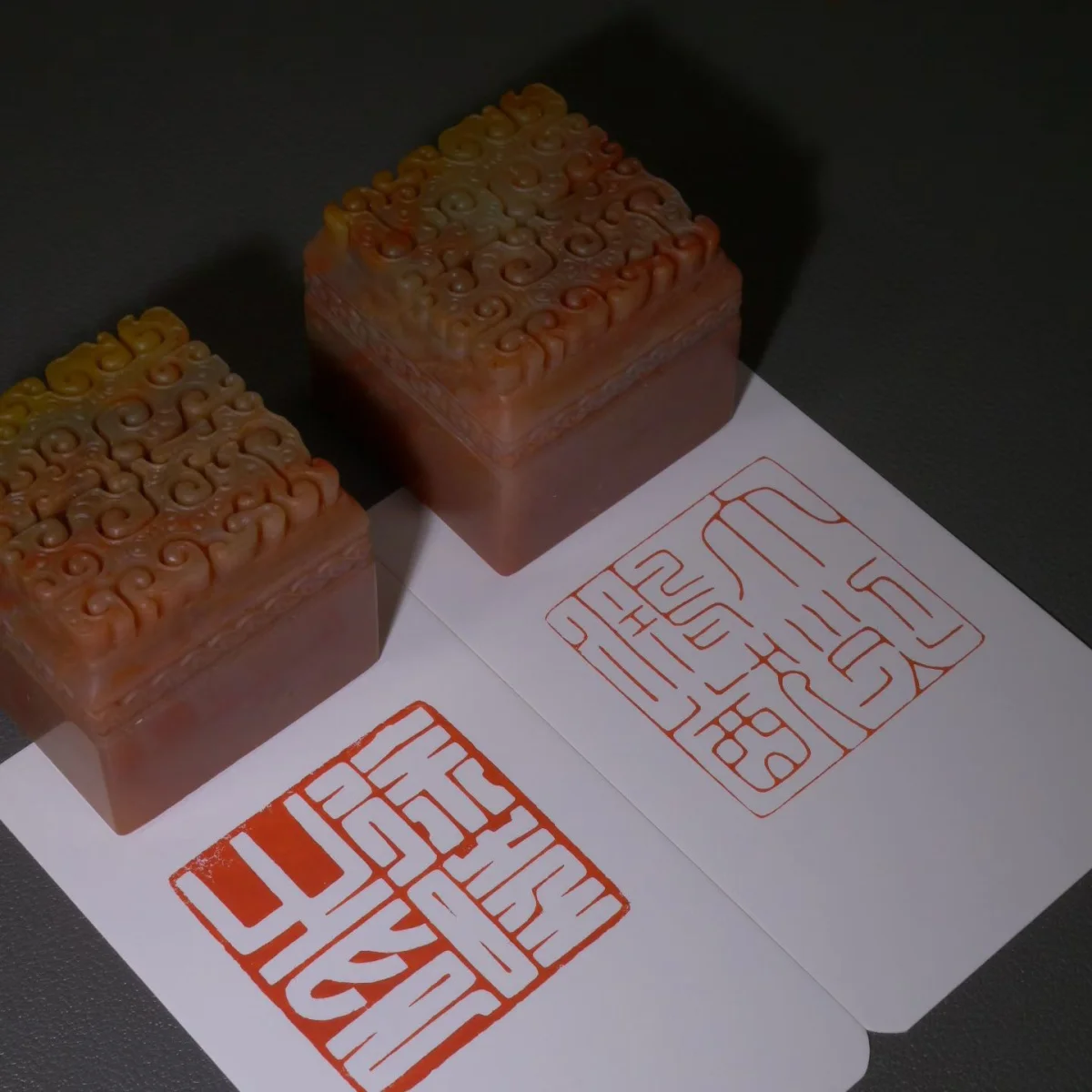
- For a foreign friend: pick a stone with classical Chinese charm — carved dragons or mythical beasts — rich in old-world character even if modest in price.
- For a couple: a pair of matching seals (duizhang) cut from the same stone, identical in size with mirrored grain — a symbol of two hearts as one.
What to Carve
The most common gift is a name seal (name plus the character yin, “seal”). For a devoted reader, a book-collector’s seal (cangshuzhang) is a thoughtful choice. For artists, add a leisure seal (xianzhang) — the opening seal, corner seal, or waist seal used on paintings — an essential accessory of the brush artist’s studio.
Size and Craft
A practical name seal measures about 2–3.5 cm (0.8–1.4 in); anything larger is mainly decorative, such as a desk-top seal. Carving should always be done by hand, in seal script (zhuanshu). Machine-engraved “seals” — characters typeset by software and cut by a mill — carry no artistic value at all.
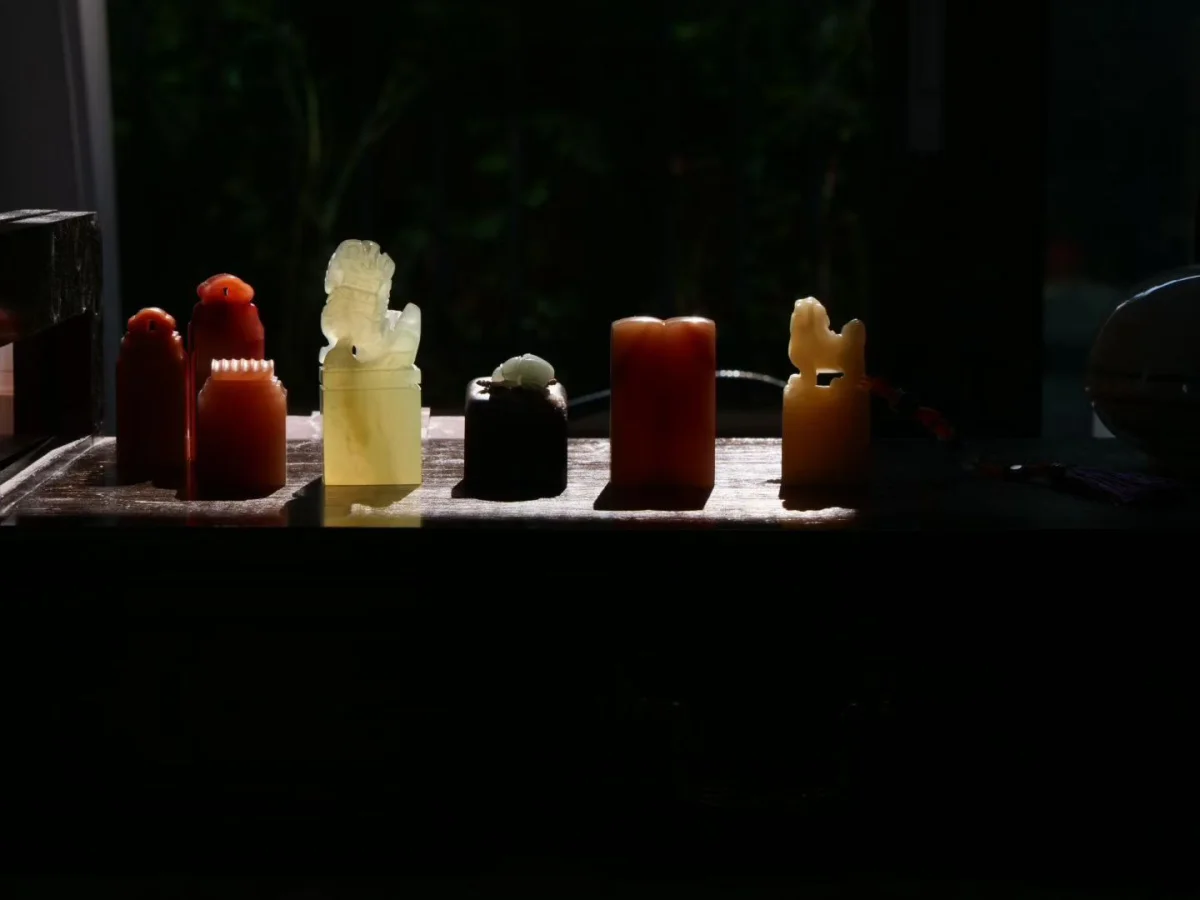
Traditional Phrases for Every Occasion
Classical seal inscriptions condense a wish into four characters. Here are time-honored phrases, with translations:
- Engagement: 誓约同心 (shiyue tongxin — pledged to one heart)
- Wedding: 百年好合 (bainian haohe — harmony for a hundred years); 永结同心 (yongjie tongxin — joined in heart forever); 珠联璧合 (zhulian bihe — pearls strung and jade united, a perfect match)
- Birthday: 寿比南山 (shou bi nanshan — long life like the southern mountains); 福如东海 (fu ru donghai — blessings vast as the eastern sea); 松鹤延年 (songhe yannian — pine and crane, years extended)
- New baby: 弄璋志喜 (nongzhang zhixi — joy of a son); 掌上明珠 (zhangshang mingzhu — a pearl in the palm, for a daughter)
- New home: 美奂美轮 (meihuan meilun — magnificent and splendid); 出谷迁乔 (chugu qianqiao — moving to a finer place)
- Business opening: 大展鸿图 (dazhan hongtu — may your great plans unfold); 生财有道 (shengcai youdao — wealth gained by the right way)
- Graduation: 前程似锦 (qiancheng sijin — a future bright as brocade); 鹏程万里 (pengcheng wanli — a roc’s journey of ten thousand li)
A word of caution: classical phrases are tied to specific occasions, so choose the characters with care — a wedding seal and a birthday seal tell very different stories.
If you are choosing a seal for someone special, Badou Art’s master carvers hand-carve name seals, leisure seals, and matched pairs in fine stones, with the inscription of your choice.
Source: https://www.cntizi.com/7855.html