Our Featured Collection
Hand‑picked premium works for you
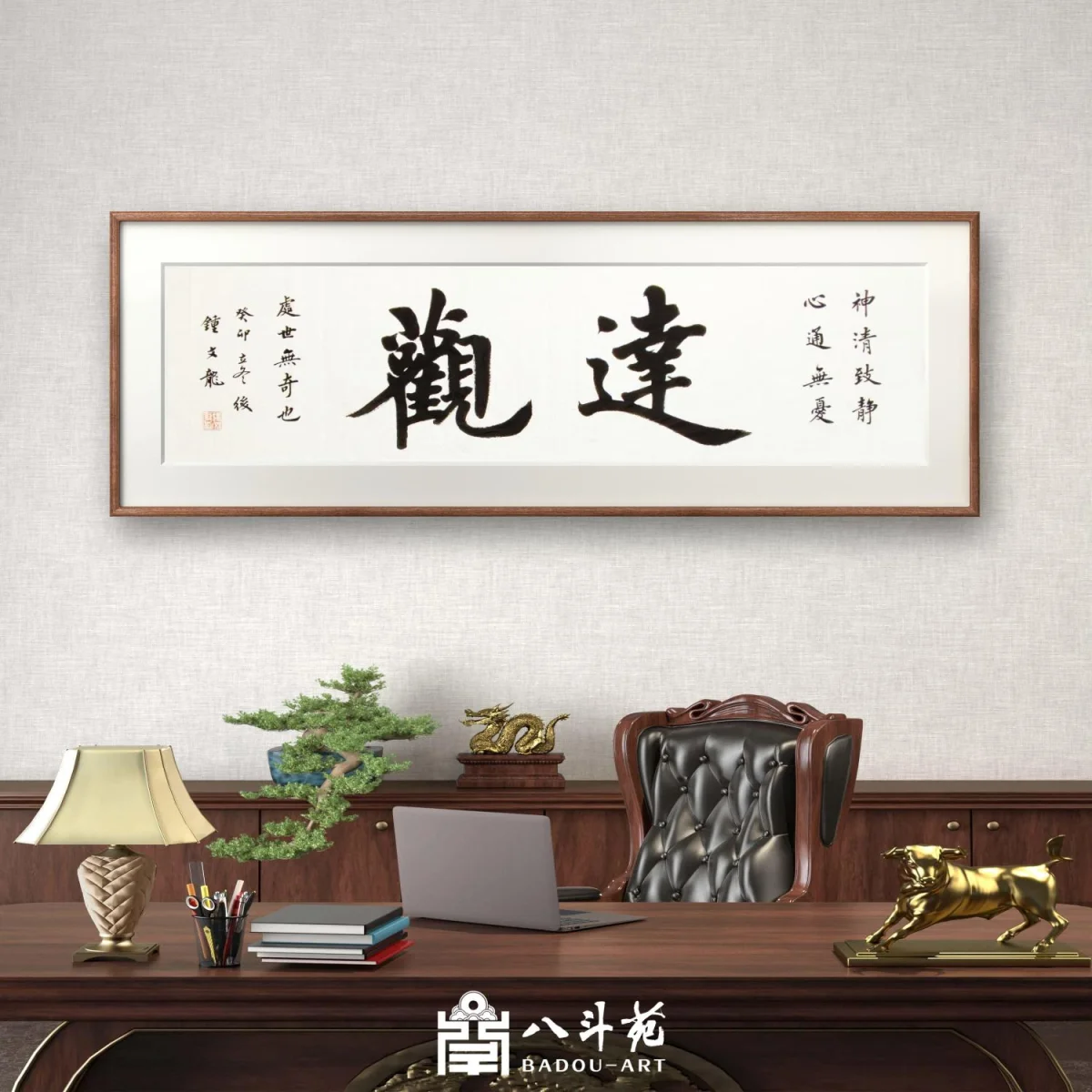
Zhong Wenlong Calligraphy | 达观
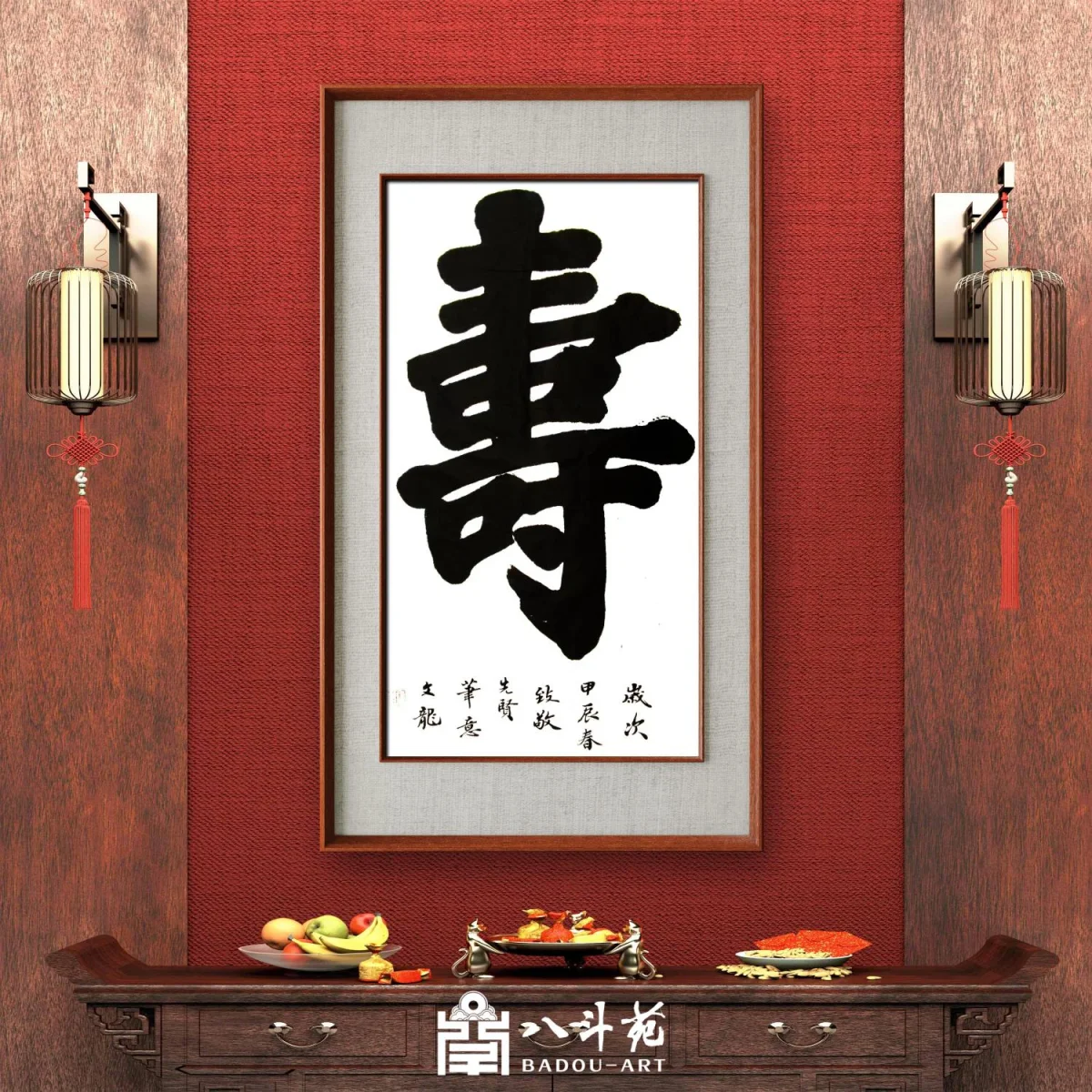
Zhong Wenlong Calligraphy | 壽
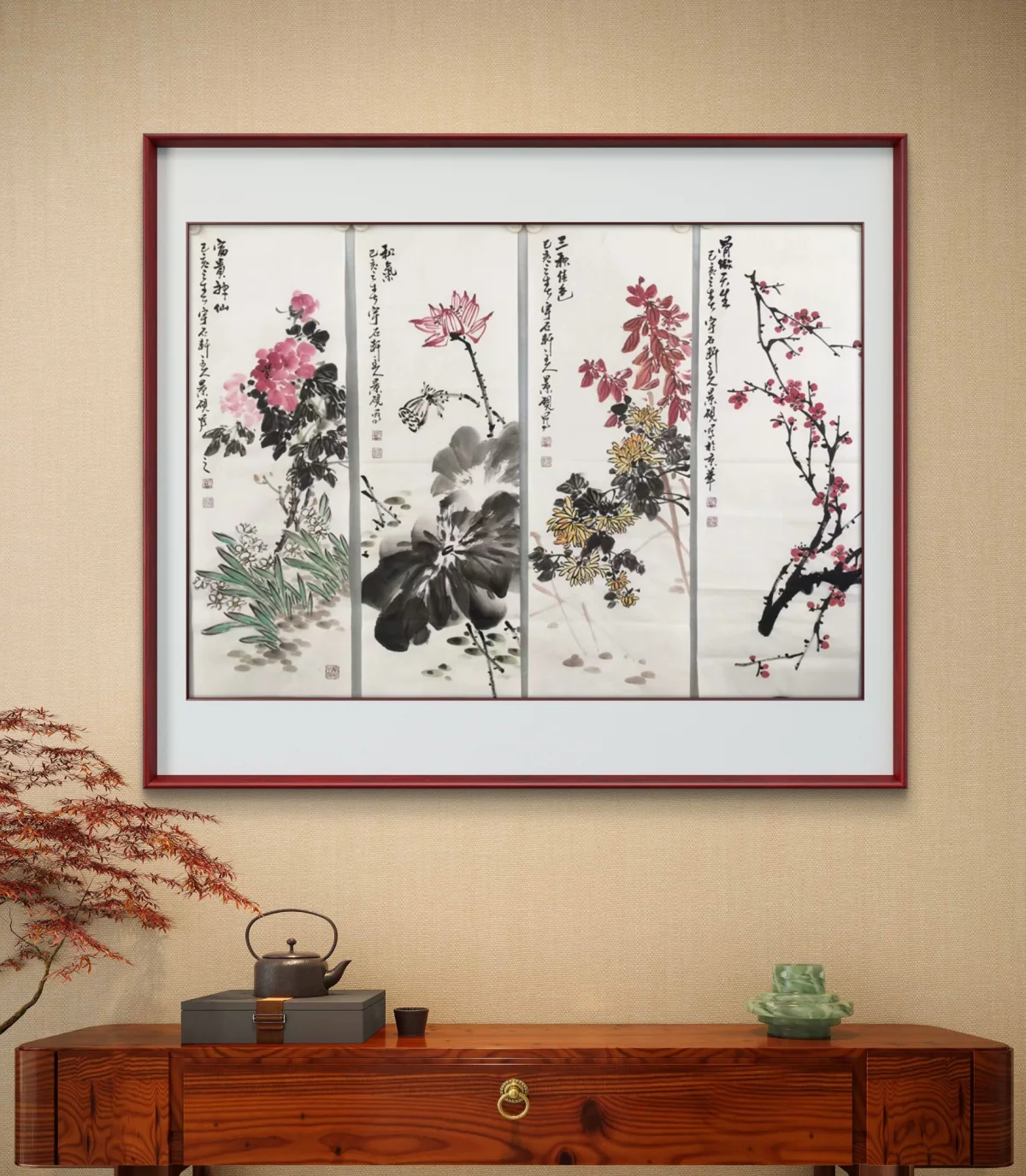
Wu Jingyan Chinese Freehand Painting・Four‑Panel Flower‑and‑Bird Screens(花鸟四条屏)
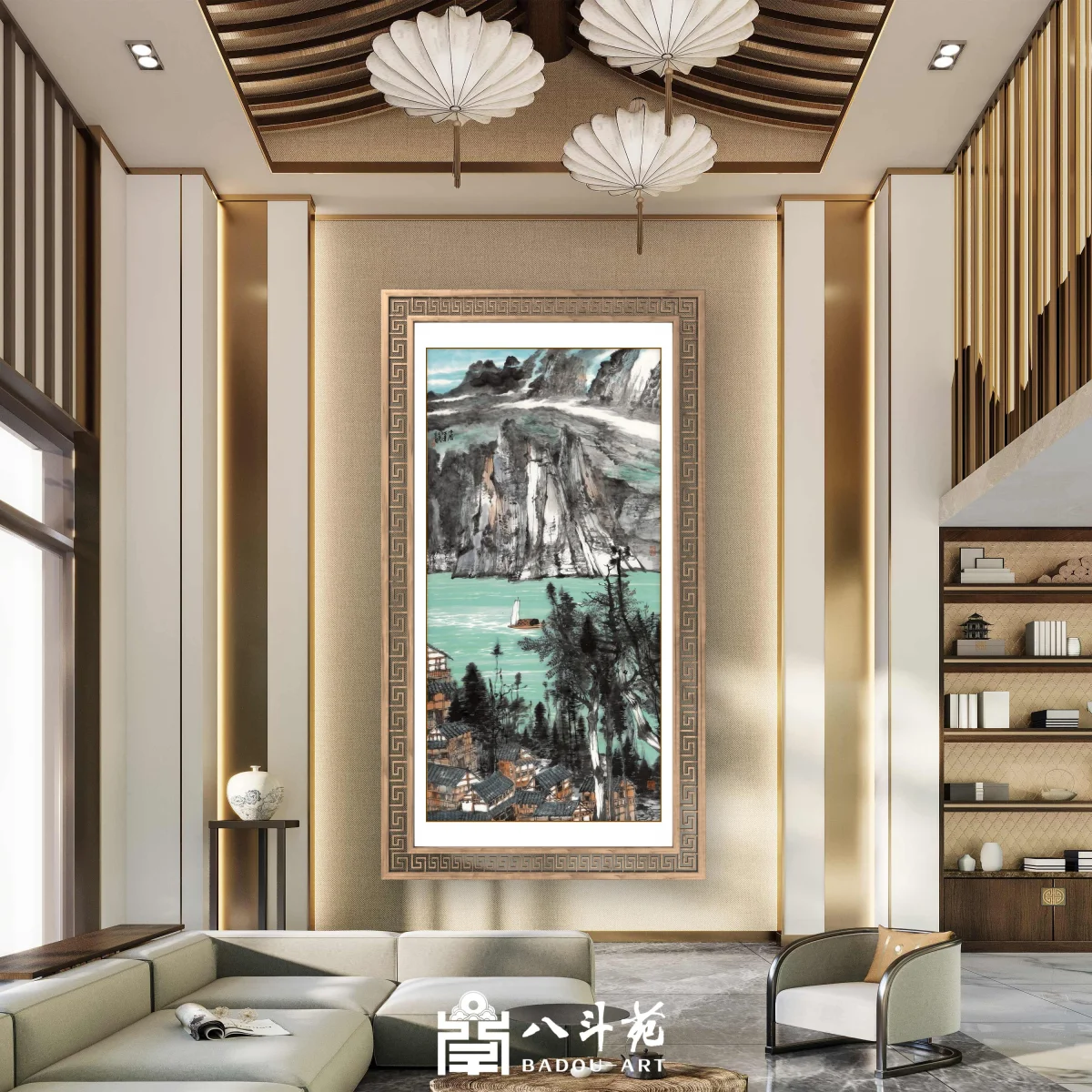
Liu Liyong Landscape Painting | Riverside Mountain Hamlet (山居江远)
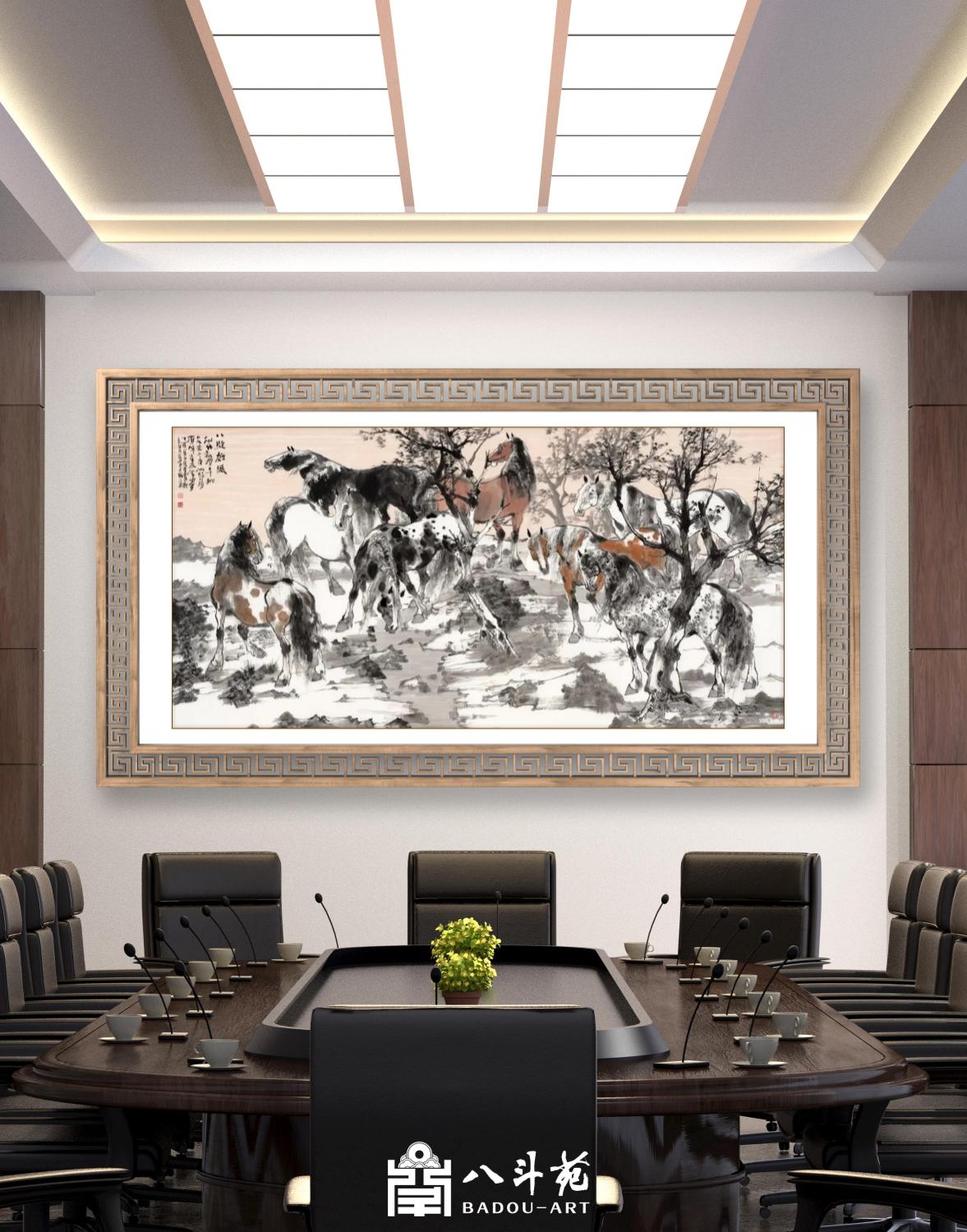
Liu Liyong Animal Painting | Eight Steeds (八骏图)
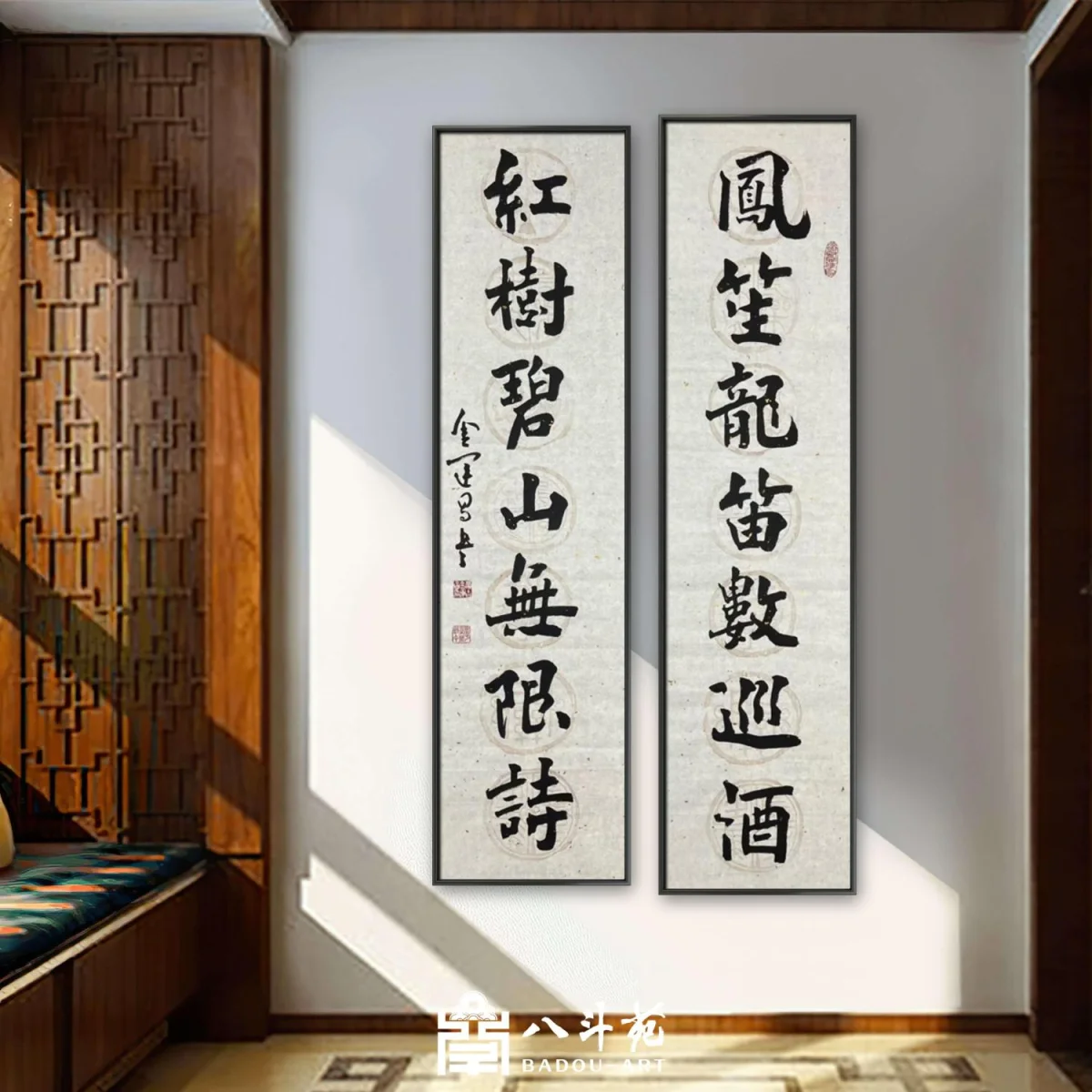
Jin Yunchang Calligraphy | 鳳笙龍笛數巡酒
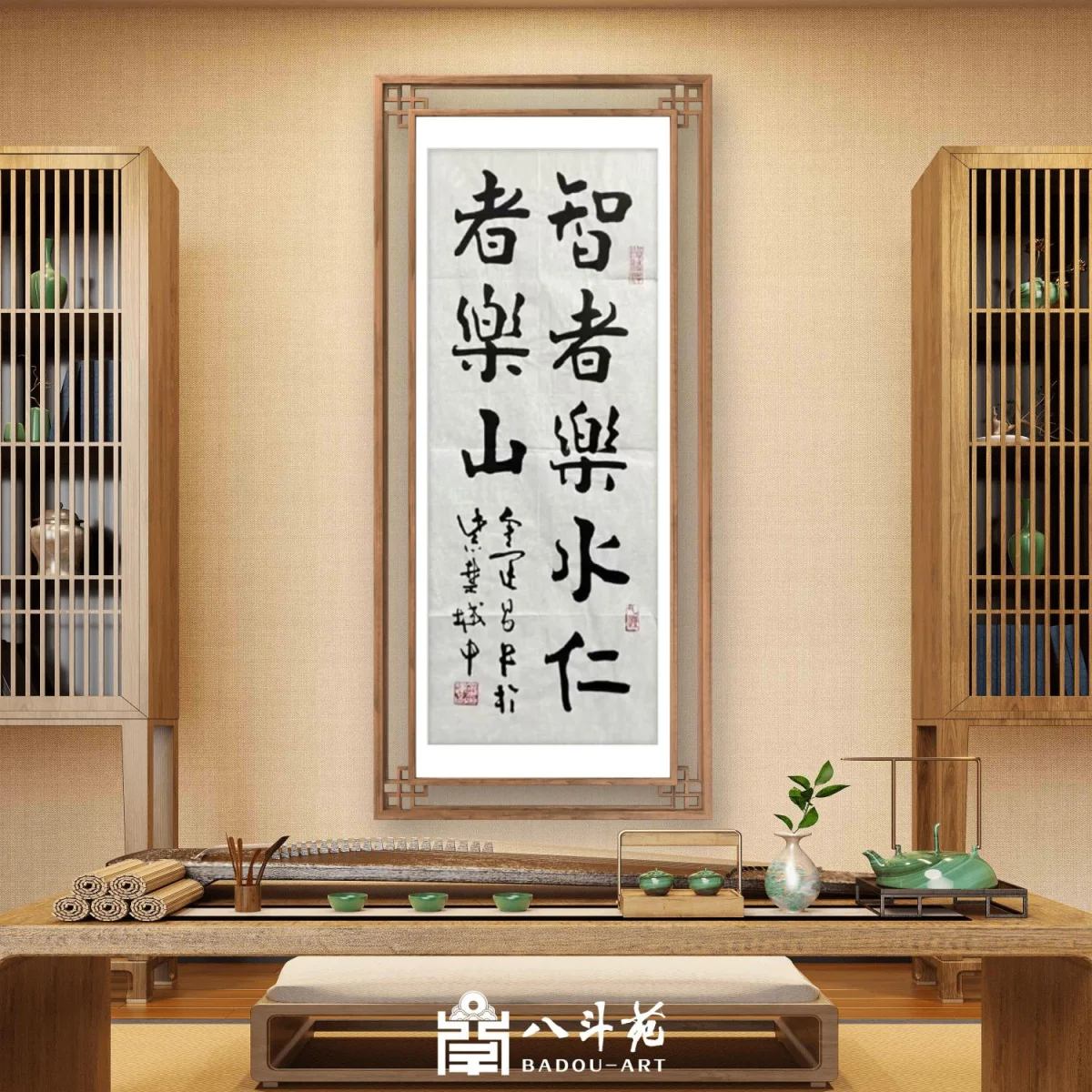
Jin Yunchang Calligraphy | 智者樂水仁者樂山
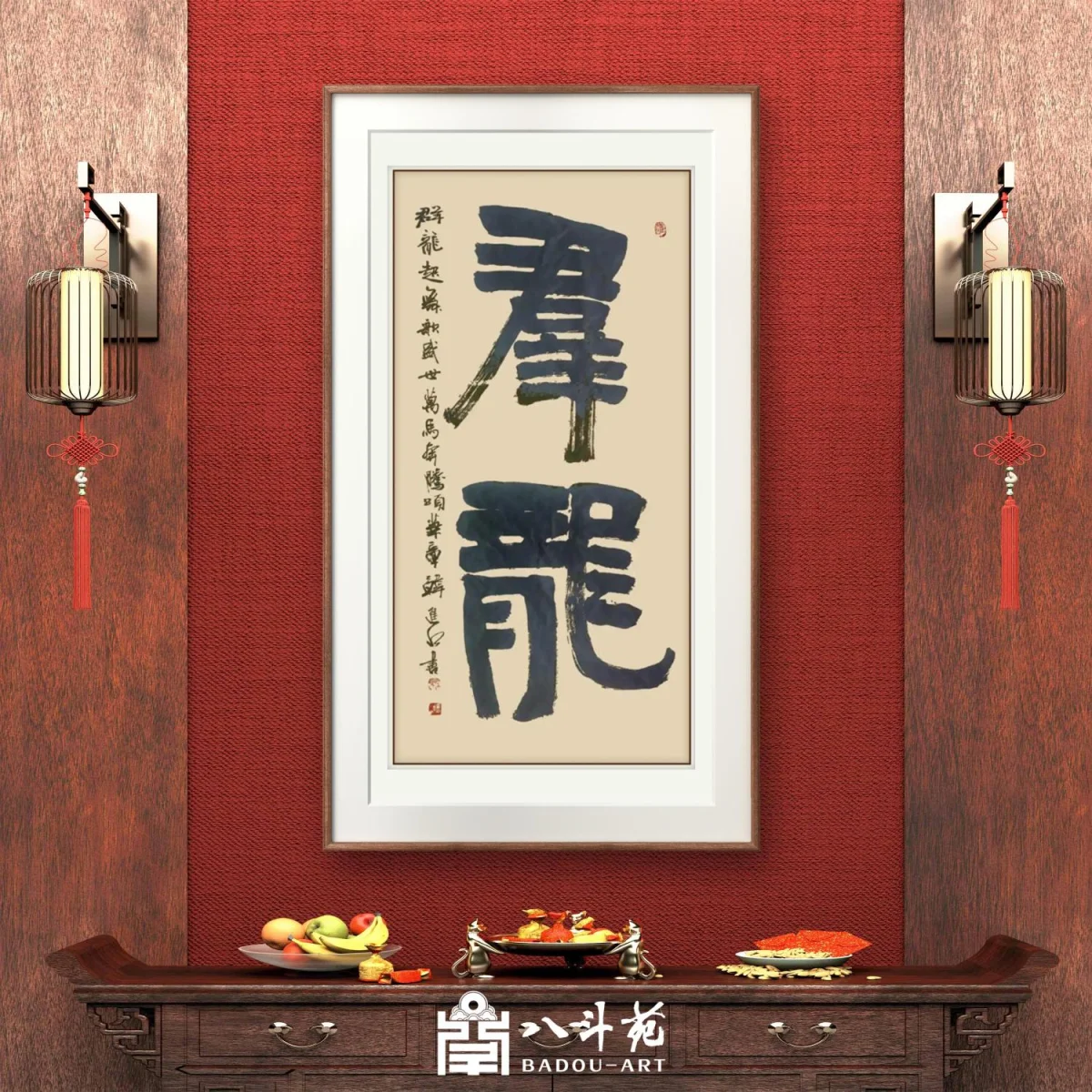
Han Jinshui Calligraphy | 羣龍 (A Group of Dragons)
Weng Fangyou: Roots in Tradition, a Modern Brush
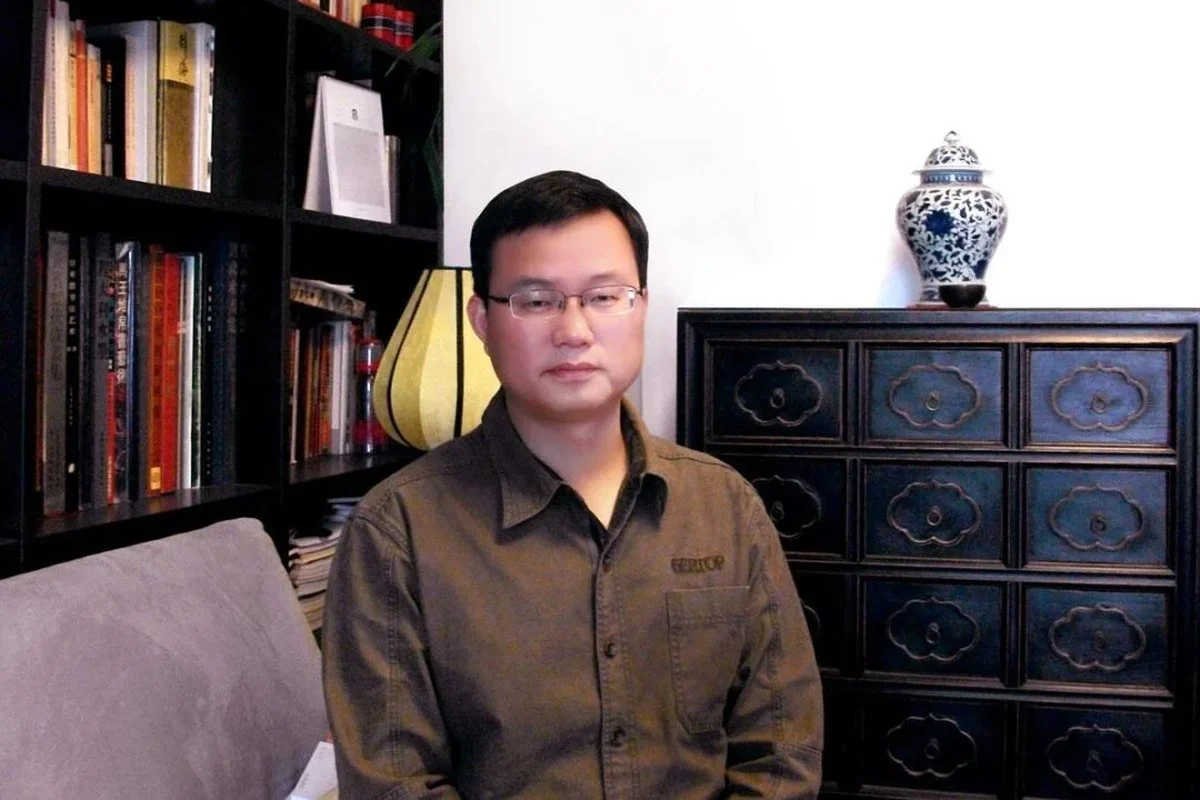
Weng Fangyou: Roots in Tradition, a Modern Brush
Weng Fangyou works in the teaching department of the China National Academy of Painting, where he also runs the studio class of the painter Cheng Dali. A graduate of Peking University’s first calligraphy graduate program and a member of the Shen Peng studio elite class, he has edited more than fifty volumes of the academy’s teaching documents and art books since 2006, while publishing over 600,000 characters of art criticism. His works have been shown in solo exhibitions in Beijing, Shenzhen and Los Angeles.
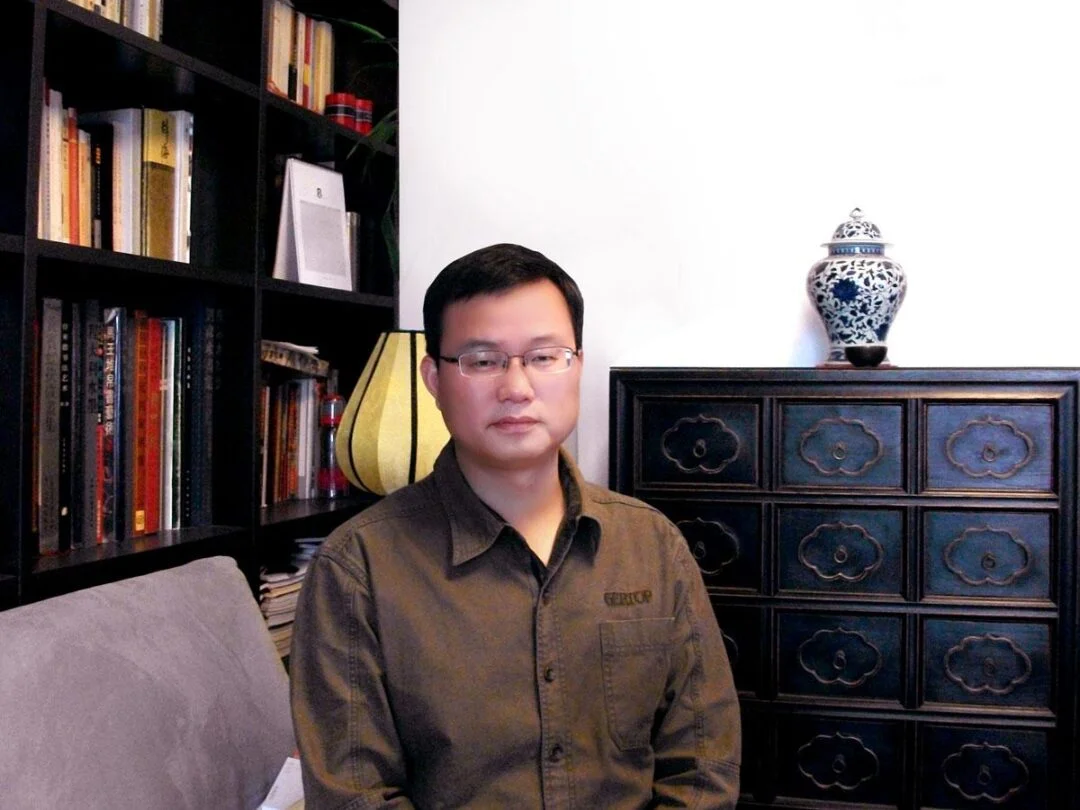
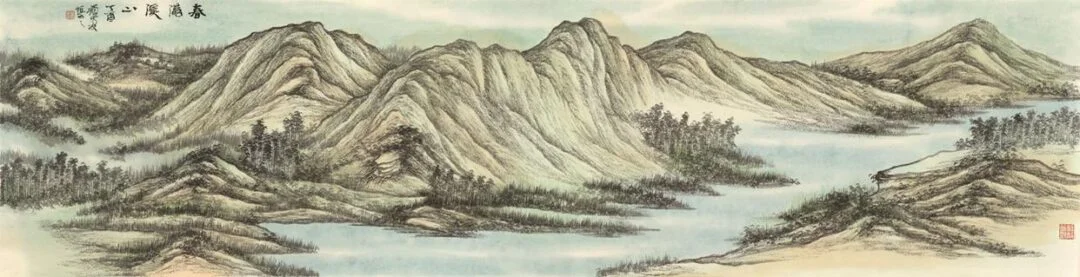
*Full Streams in Spring Mountains — 46 × 170 cm*
A Reverent Temperament
The critic Chen Kenian, writing about Weng, starts not with technique but with attitude: ambition measured by culture and art rather than by status or market. In their few exchanges, he sensed a reverence and sincerity rare in today’s calligraphy-and-painting circle — along with a brush that is both lively and disciplined, already distinctive in painting and calligraphy alike.
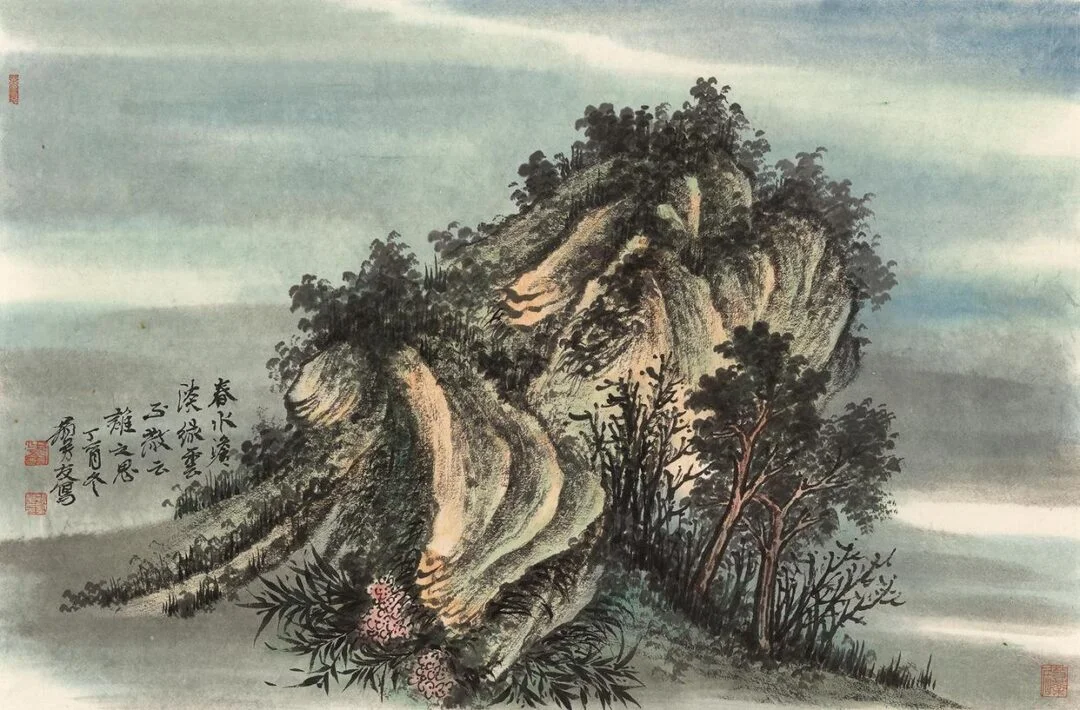
*Rippling Spring Waters — 45 × 68 cm*
Calligraphy: The Root
Weng’s calligraphy rests on training that began in childhood and matured at Peking University, with further guidance from the calligrapher Zeng Laide. “Art needs not only personality and style but difficulty,” he has written — the depth of brush skill few artists pursue, which he sees as the reason many painters turn mediocre and the essence of Wei-Jin calligraphy fades. His lines show that control: every lift and press deliberate, in the flowing, graceful manner of the tie (model-letter) tradition — spring blossoms scattered by an easy hand.
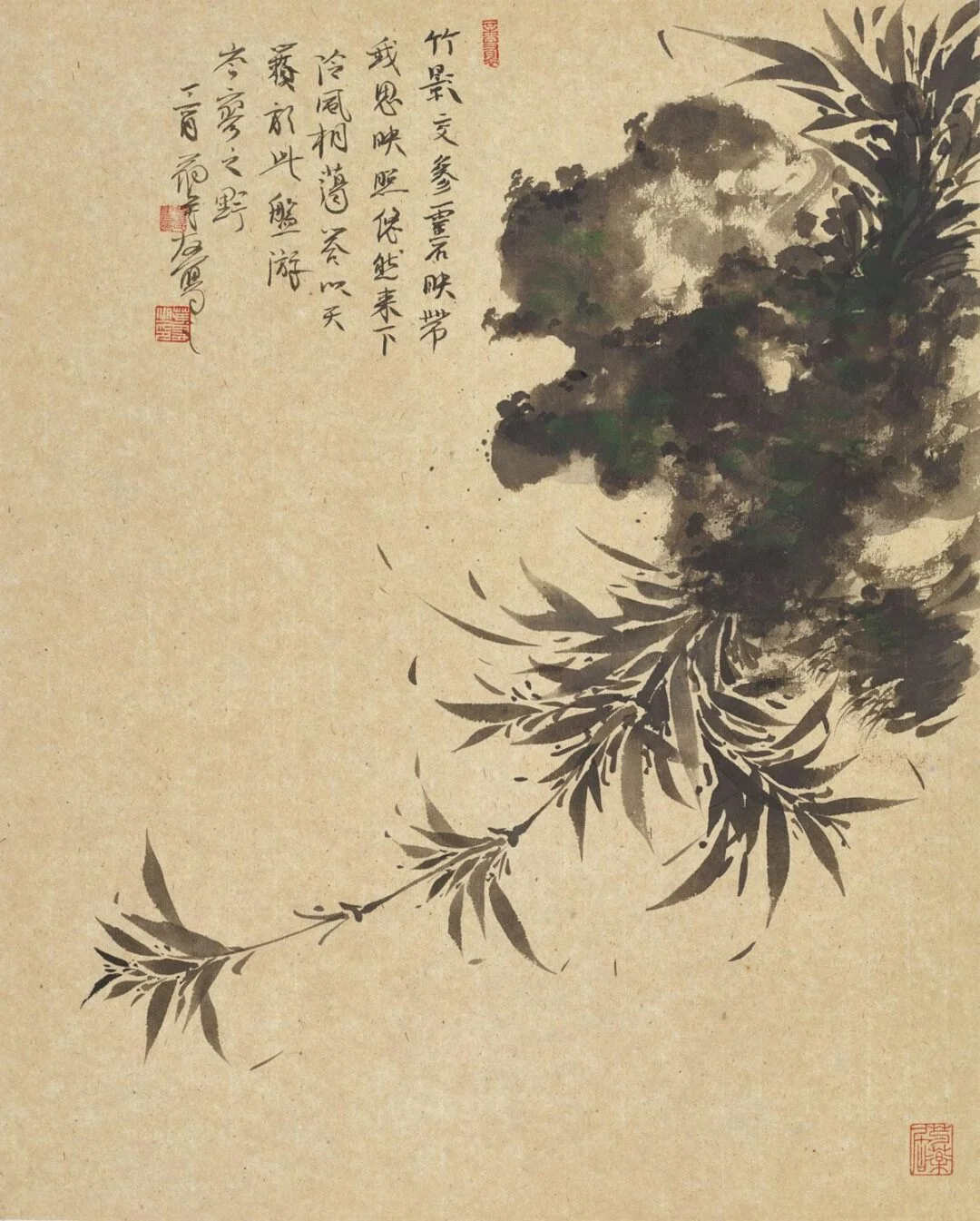
*Bamboo and Rock — 48 × 38 cm*
Painting: Continuing the Lineage
Painting asks even more of him. Studying with Cheng Dali, whose teaching urges “continuing the orthodox lineage of tradition and advancing the art of brush and ink,” Weng found his direction: dense, refined brushwork and the pursuit of poetry as a lofty aesthetic ideal — “rooted in the classics, yet reaching beyond them,” as he puts it. He declines fashionable manners and keeps to tradition and daily life instead, which is why his works, large or small, reward long looking.
Three Marks of His Work
Chen Kenian finds three qualities in Weng’s landscapes. First, *liqi* — principle and vital energy. The Qing critic Qin Zuyong wrote that only when “principle and energy meet” can a painting transcend technique and become a wonderful realm; Weng’s mountains and streams, every stroke deliberate, meet that test. Second, literary grace: no broad axe-strokes, but a gentle, scholarly rendering — ancient in face, modern in feeling, the work of a reader who thinks quietly. Third, life itself: art distills experience rather than copying it, and Weng’s paintings carry that lived weight. “Brush-and-ink art has its own aesthetic meaning,” he has written; “the calligrapher must have real skill in brush and ink before the painting can be exquisite.”
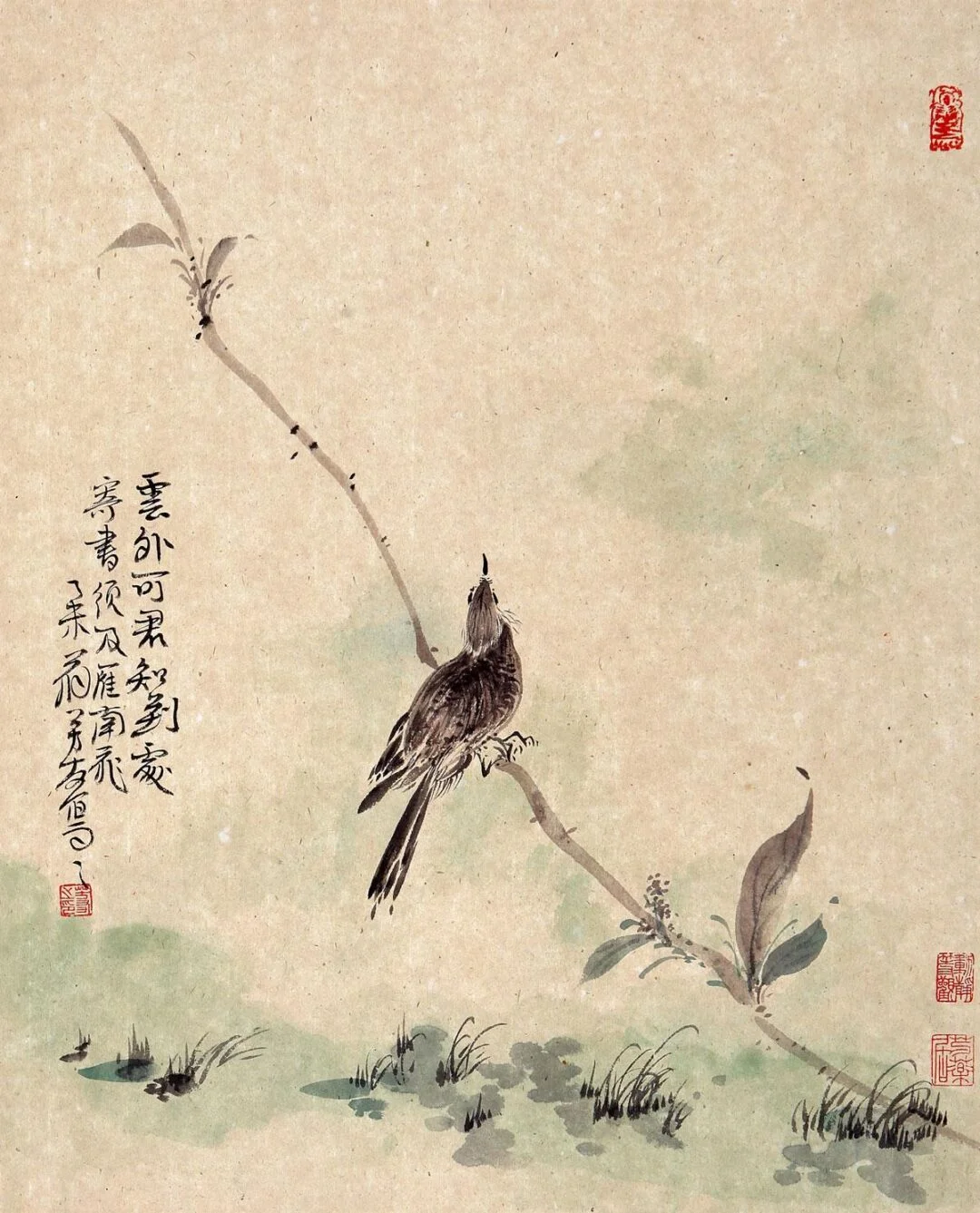
*Beyond the Clouds, Who Knows — 48 × 38 cm*
Now past forty and based at the National Academy, Weng lets theory guide creation and creation test theory, while observing nature and searching the heart’s source in equal measure — the road he has walked for years, and one still lengthening.
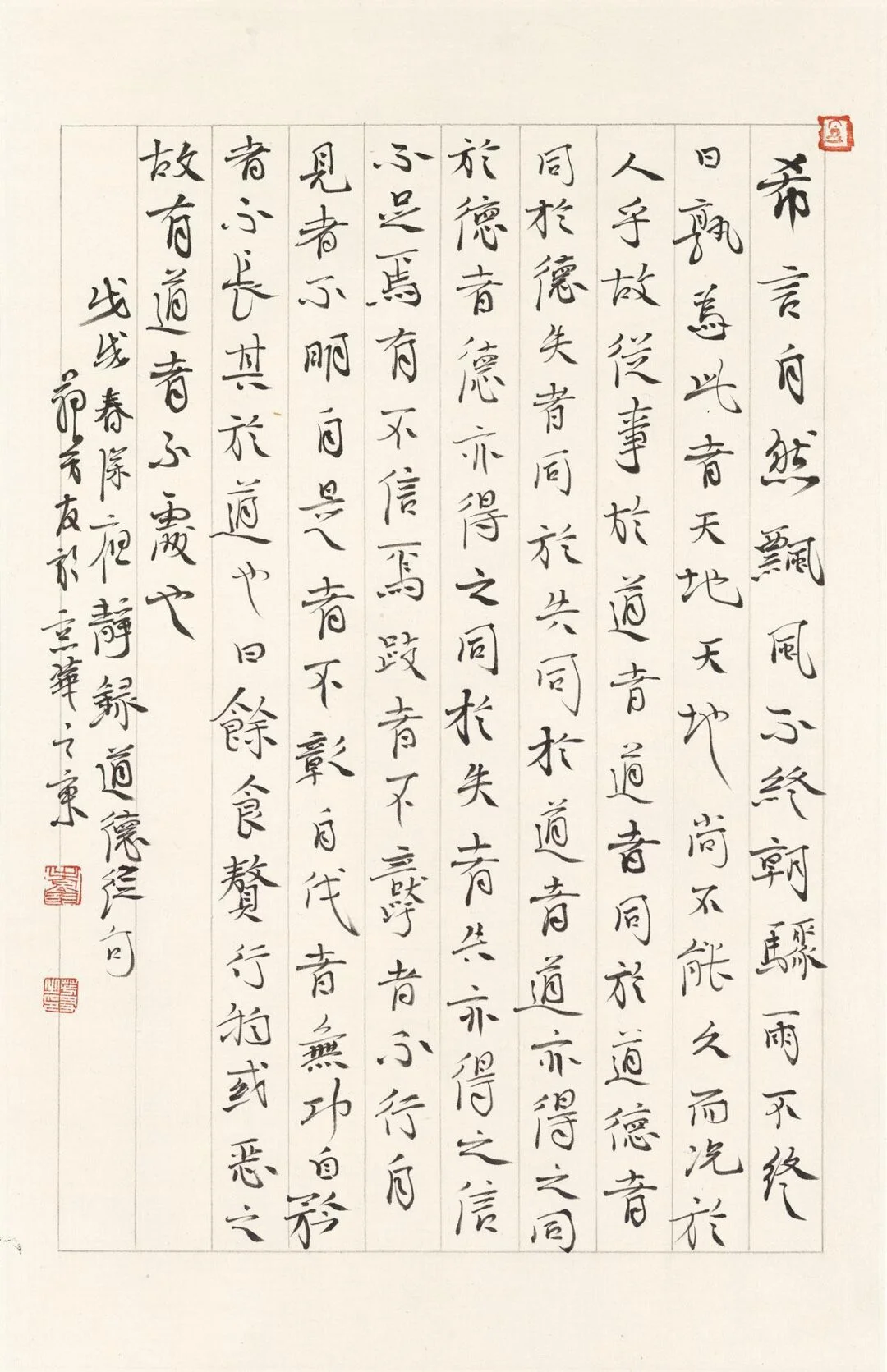
*A Passage from the Dao De Jing — 35 × 50 cm*
*— Based on the essay by Chen Kenian, member of the Chinese Calligraphers Association*
If Weng’s literati manner appeals to you, Badou Art’s specialists are happy to guide you through commissioning a work in this tradition.