Our Featured Collection
Hand‑picked premium works for you
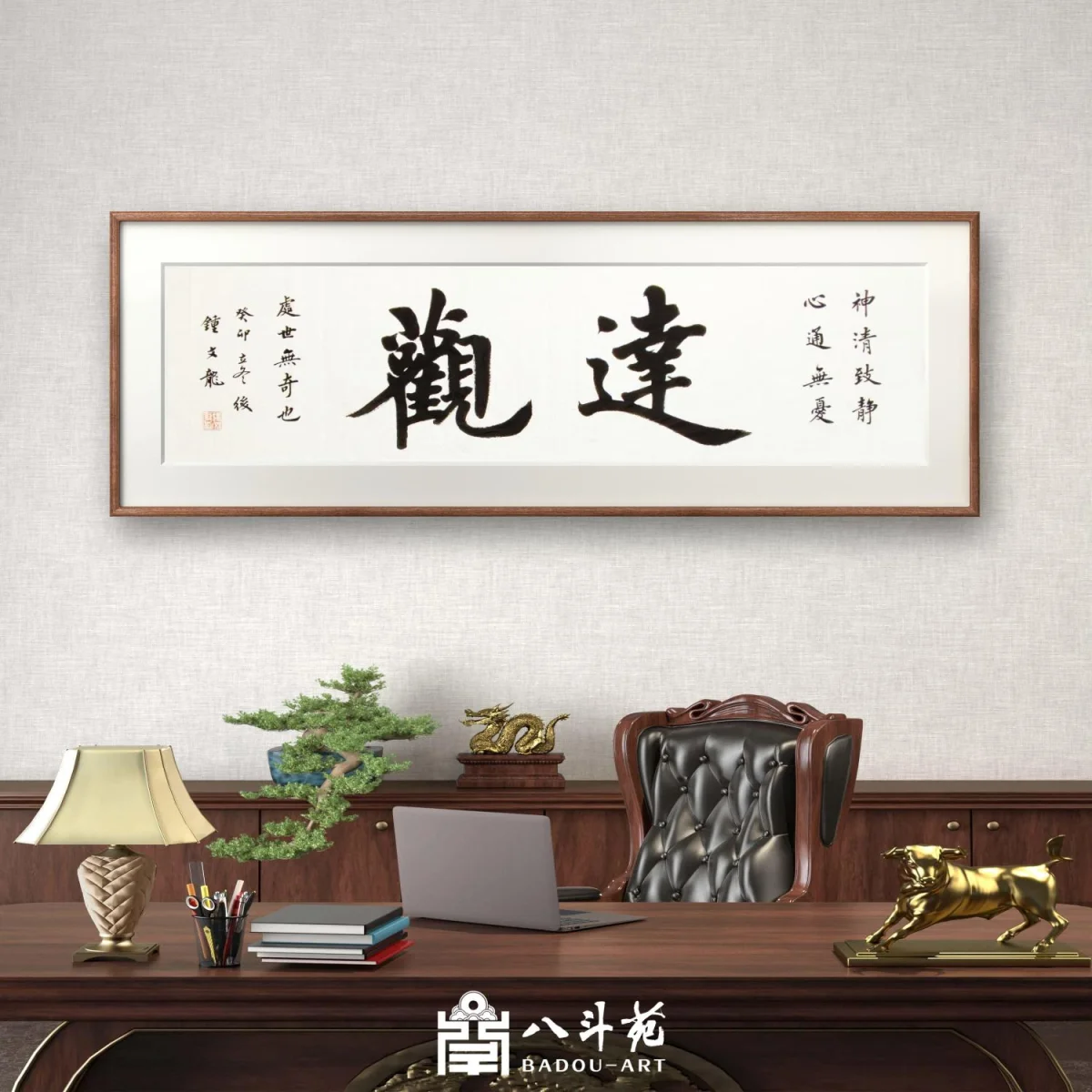
Zhong Wenlong Calligraphy | 达观
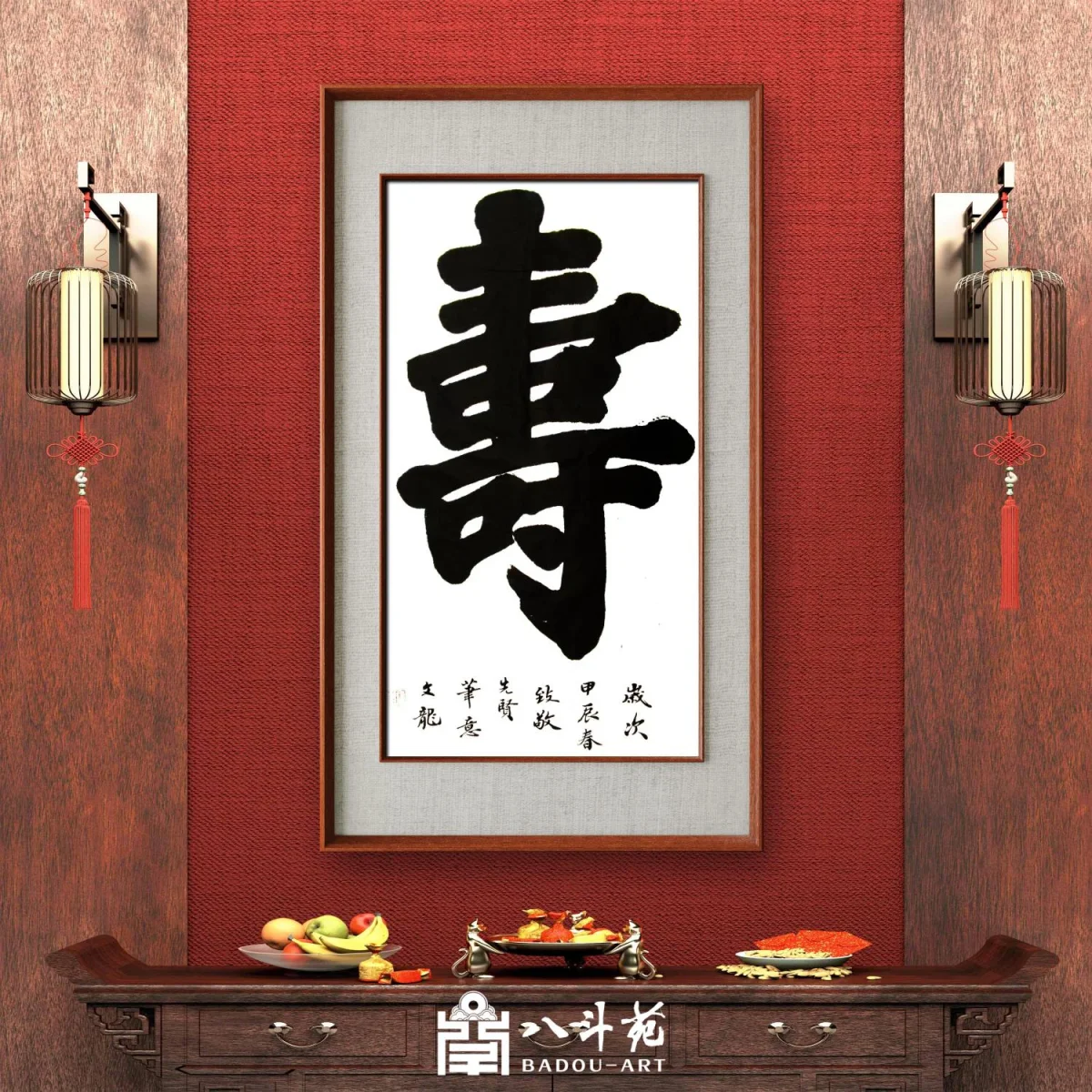
Zhong Wenlong Calligraphy | 壽
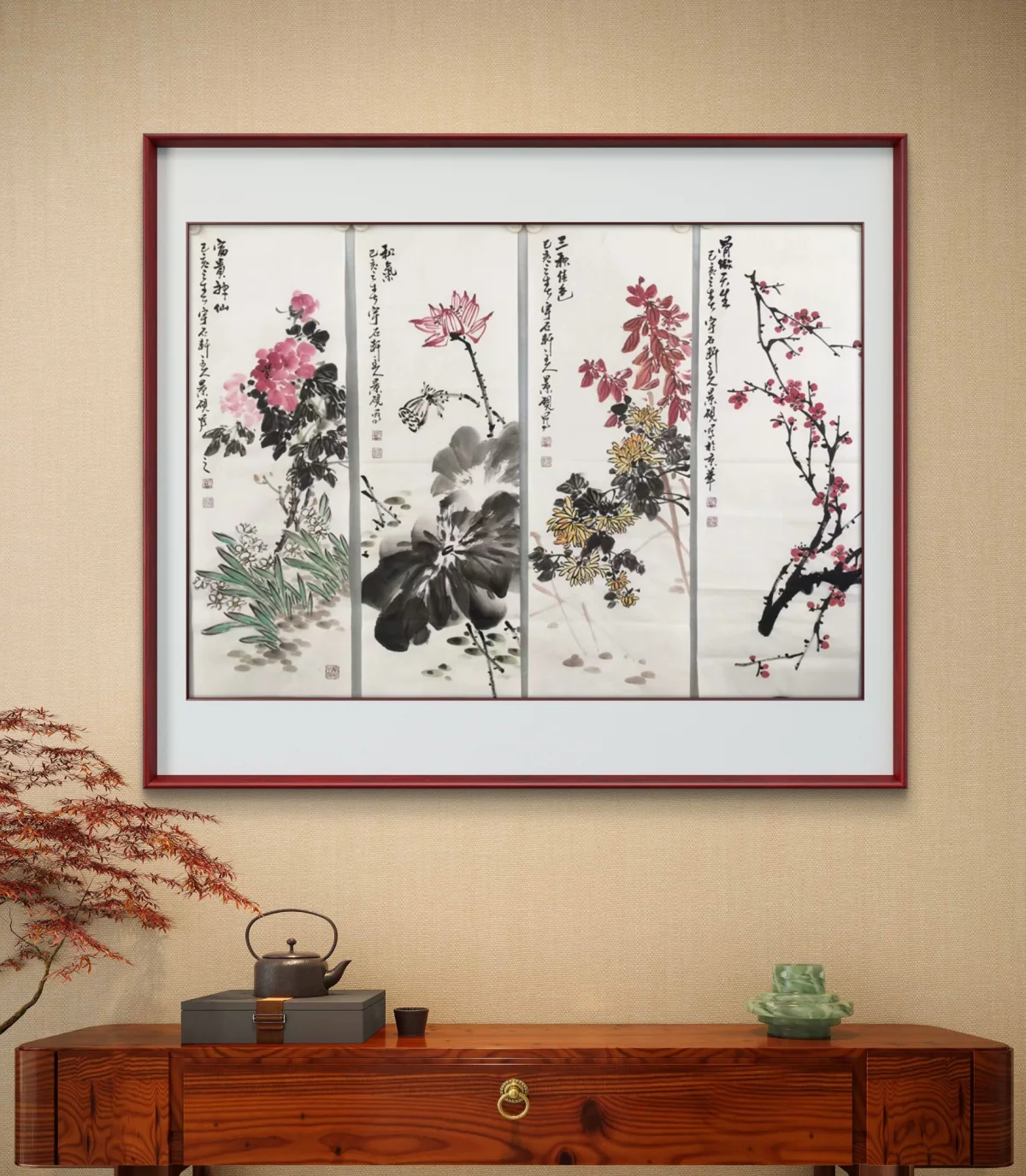
Wu Jingyan Chinese Freehand Painting・Four‑Panel Flower‑and‑Bird Screens(花鸟四条屏)
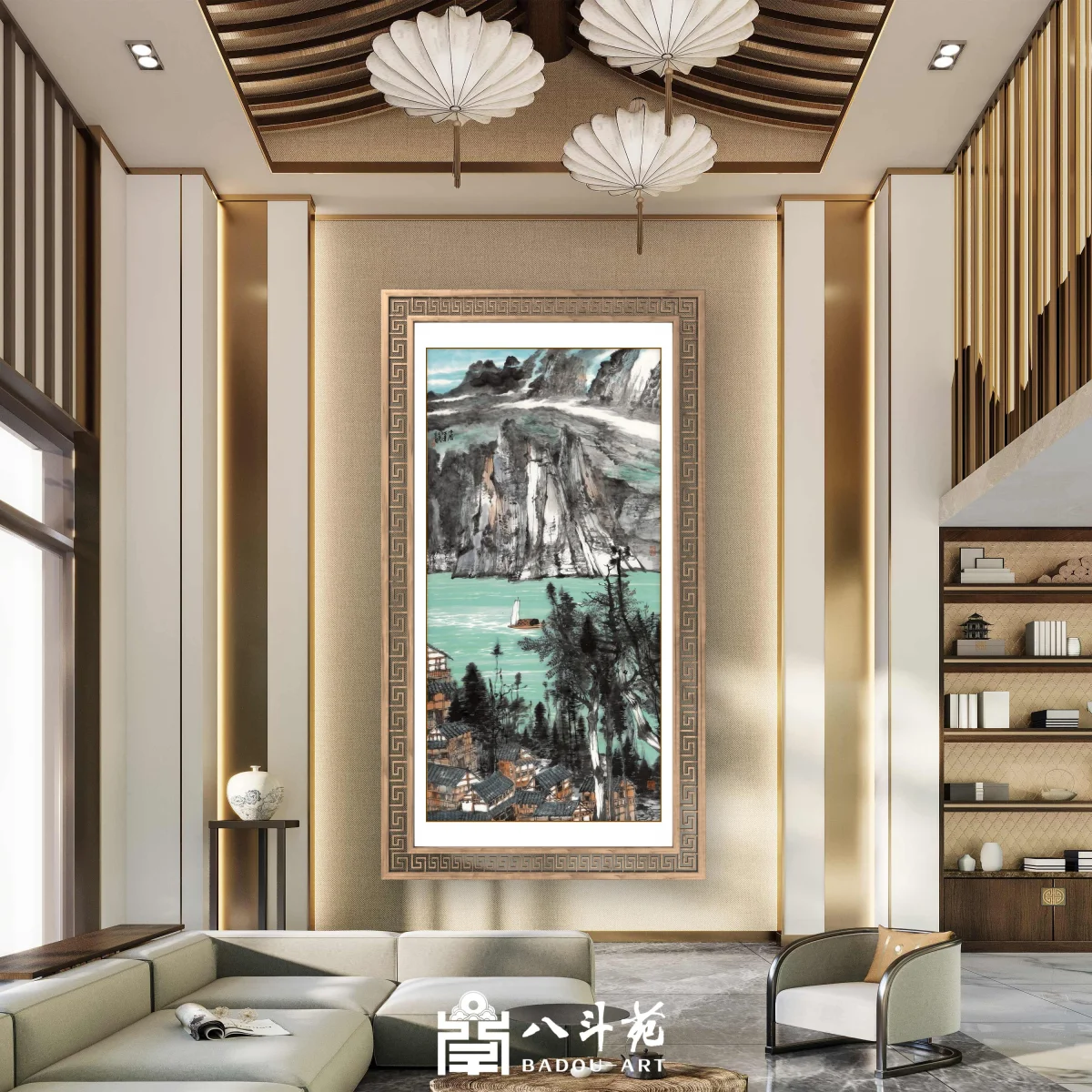
Liu Liyong Landscape Painting | Riverside Mountain Hamlet (山居江远)
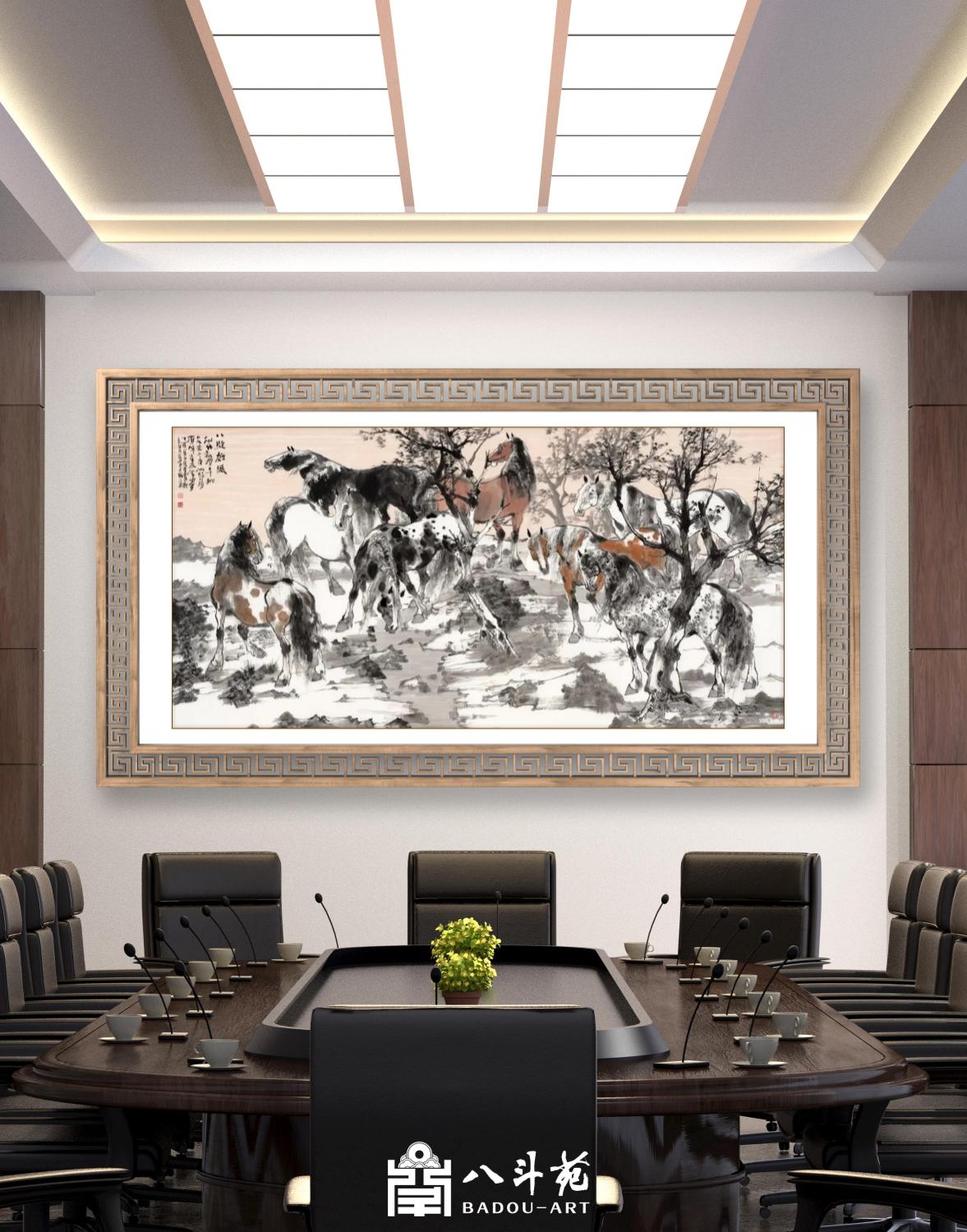
Liu Liyong Animal Painting | Eight Steeds (八骏图)
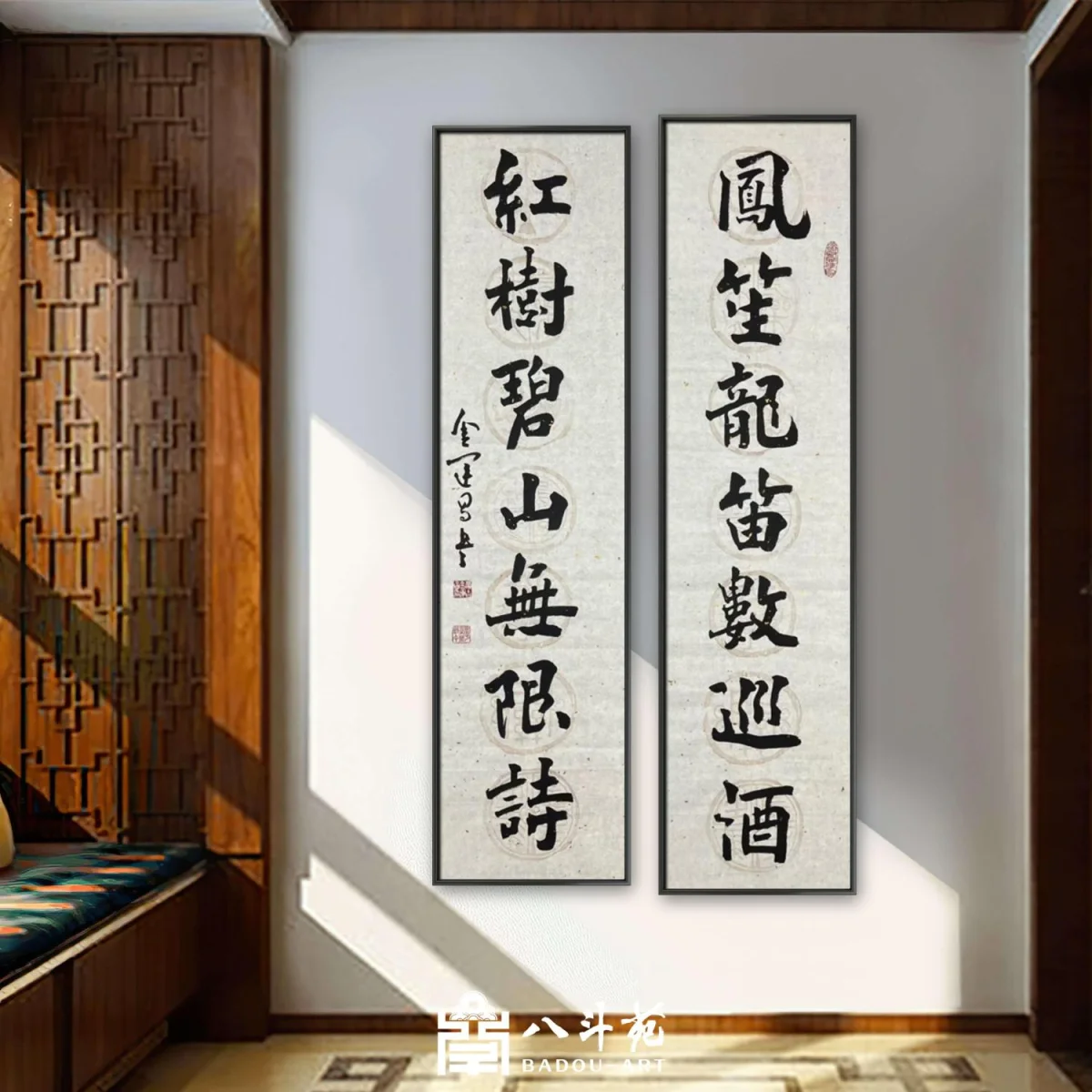
Jin Yunchang Calligraphy | 鳳笙龍笛數巡酒
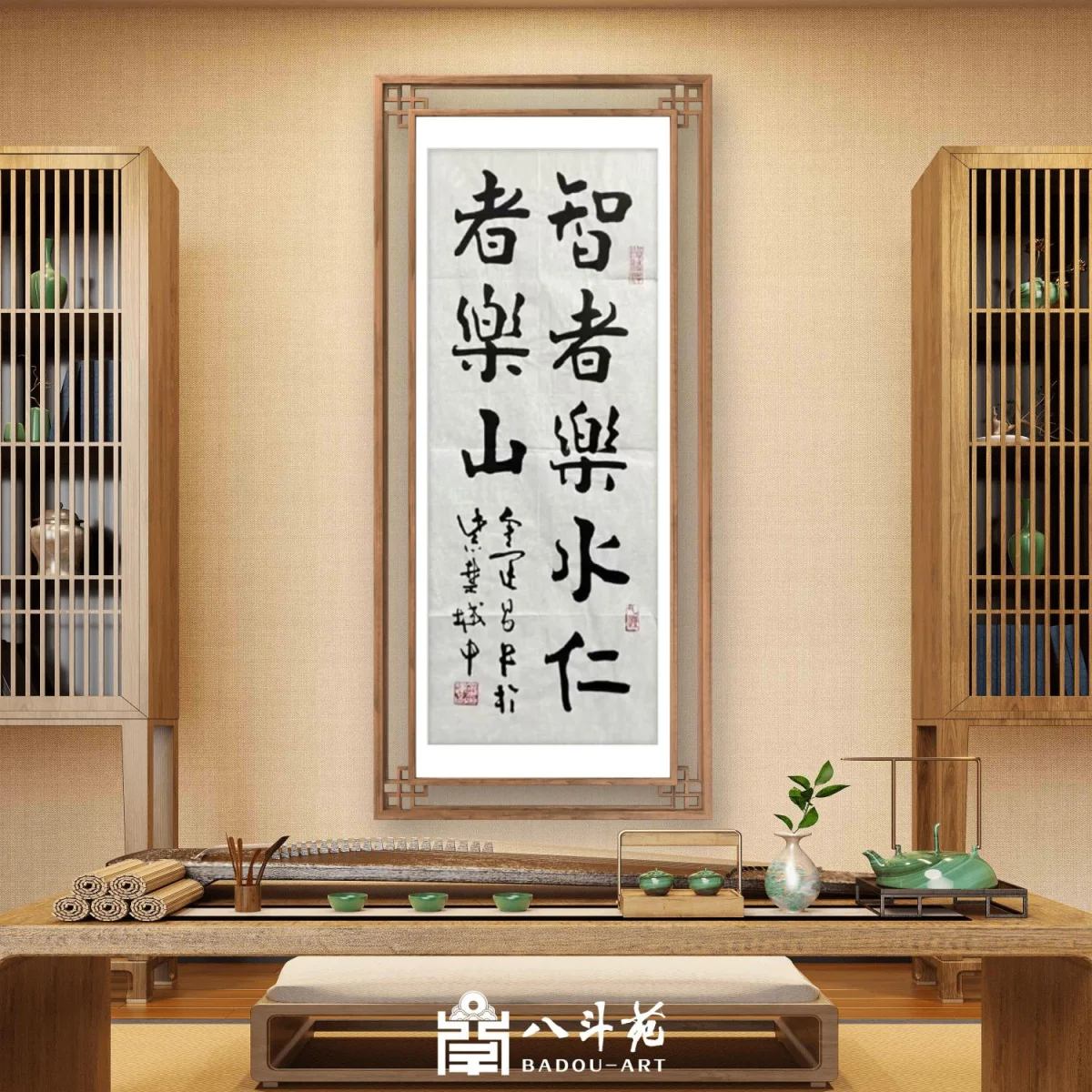
Jin Yunchang Calligraphy | 智者樂水仁者樂山
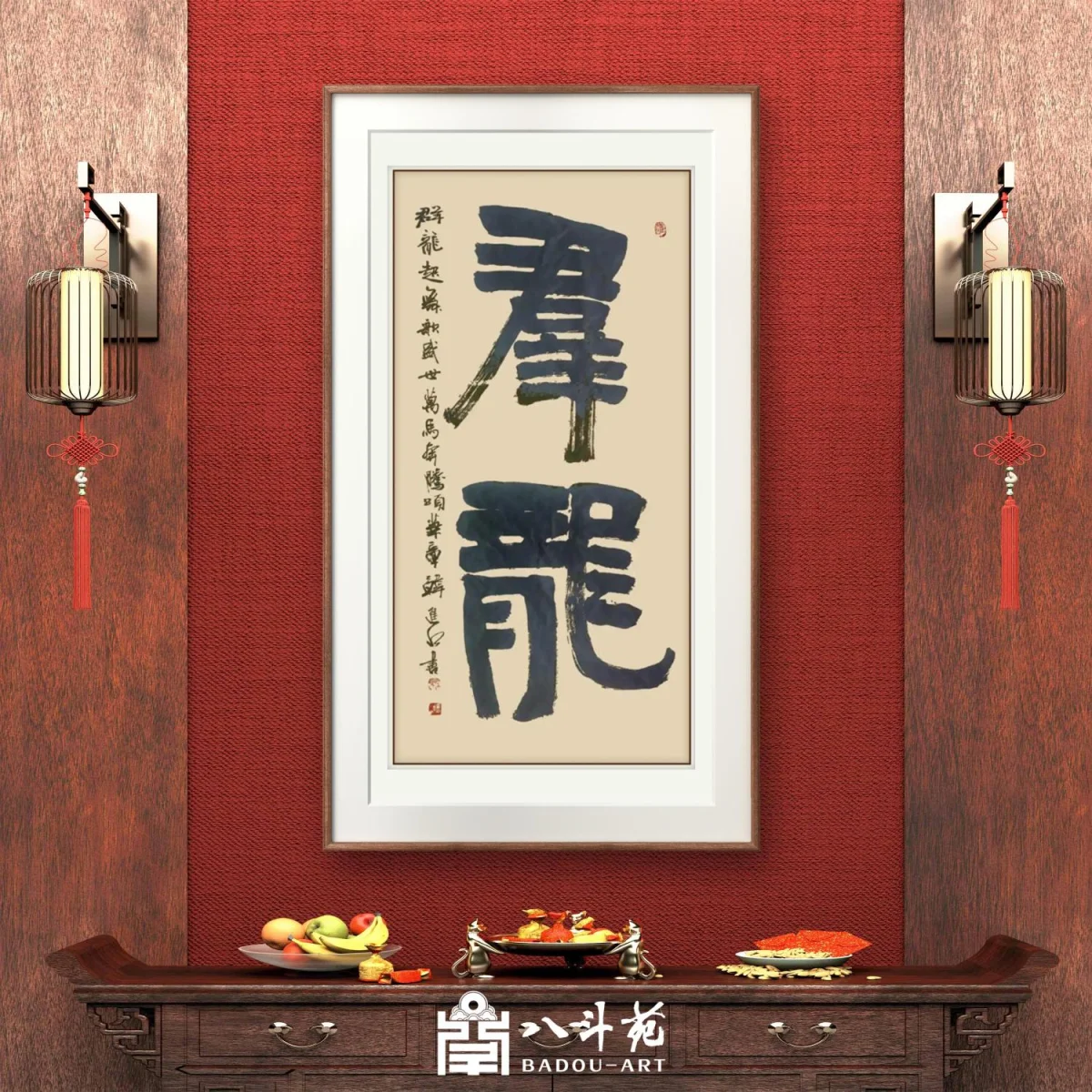
Han Jinshui Calligraphy | 羣龍 (A Group of Dragons)
What Is Guoxue? A Guide to Traditional Chinese Studies
What Is Guoxue? A Guide to Traditional Chinese Studies
Guoxue (traditional Chinese studies) is the umbrella term for the scholarship, classics, and schools of thought that grew out of five thousand years of Chinese civilization. For anyone exploring Chinese culture — its philosophy, art, and calligraphy — understanding guoxue is the natural starting point.
What Does Guoxue Cover?
Guoxue literally means “the learning of the nation.” It is built on three layers: the pre-Qin classics and the Hundred Schools of Thought, such as the I Ching (Yijing), the Tao Te Ching (Daodejing), the Analects (Lunyu), and the Book of Songs (Shijing); the canonical studies (jingxue) of later dynasties, including the Confucian classics; and the official and folk scholarship of each historical period, such as the Twenty-Four Histories.
The core of guoxue is organized into four bibliographic categories: jing (classics), shi (histories), zi (masters), and ji (literary collections). Together they cover everything from philosophy and government to poetry, opera, and song. This is why guoxue is often called the essence of Chinese traditional thought, learning, and culture.
The Schools of Thought
Traditional Chinese scholarship was shaped by several competing schools:
- **Confucianism**, founded by Confucius (Kongzi, 551–479 BCE), centers on ren (benevolence) and li (rites), building a complete moral system of ritual, righteousness, and integrity. Later thinkers such as Mencius and Xunzi developed it further. Confucianism became the dominant ideology of imperial China.
- **Daoism**, founded by Laozi in the Spring and Autumn period, holds that the Dao (“the Way”) is the source of all things. “All things carry yin and embrace yang,” Laozi wrote, “and blend their breath into harmony.” Daoist ideas deeply influenced philosophy, medicine, and the arts.
- **Mohism**, associated with Mozi, championed universal love (jian’ai), opposition to offensive war, and frugality — a strikingly egalitarian voice in ancient China.
- **Legalism**, represented by Shang Yang and Han Fei in the Warring States period, argued that strict laws and clear rewards and punishments, not virtue alone, govern a state.
- **The military school**, best known through Sun Tzu’s Art of War (Sunzi Bingfa), shaped strategy and statecraft for more than two thousand years.
Why Guoxue Still Matters
Although Confucianism was the state orthodoxy for centuries, guoxue was always broader — a living conversation among many schools, from Legalist administrators to Daoist mystics. Its classics remain the foundation of Chinese education, moral values, and aesthetic taste, and they continue to inspire contemporary calligraphy, painting, and design.
Whether you are commissioning an inscription for your office or simply curious about the culture behind Chinese art, a little guoxue goes a long way. If you would like a calligraphy or painting commission inspired by these classics, Badou Art’s specialists are happy to help you choose an inscription with authentic cultural meaning.