Our Featured Collection
Hand‑picked premium works for you
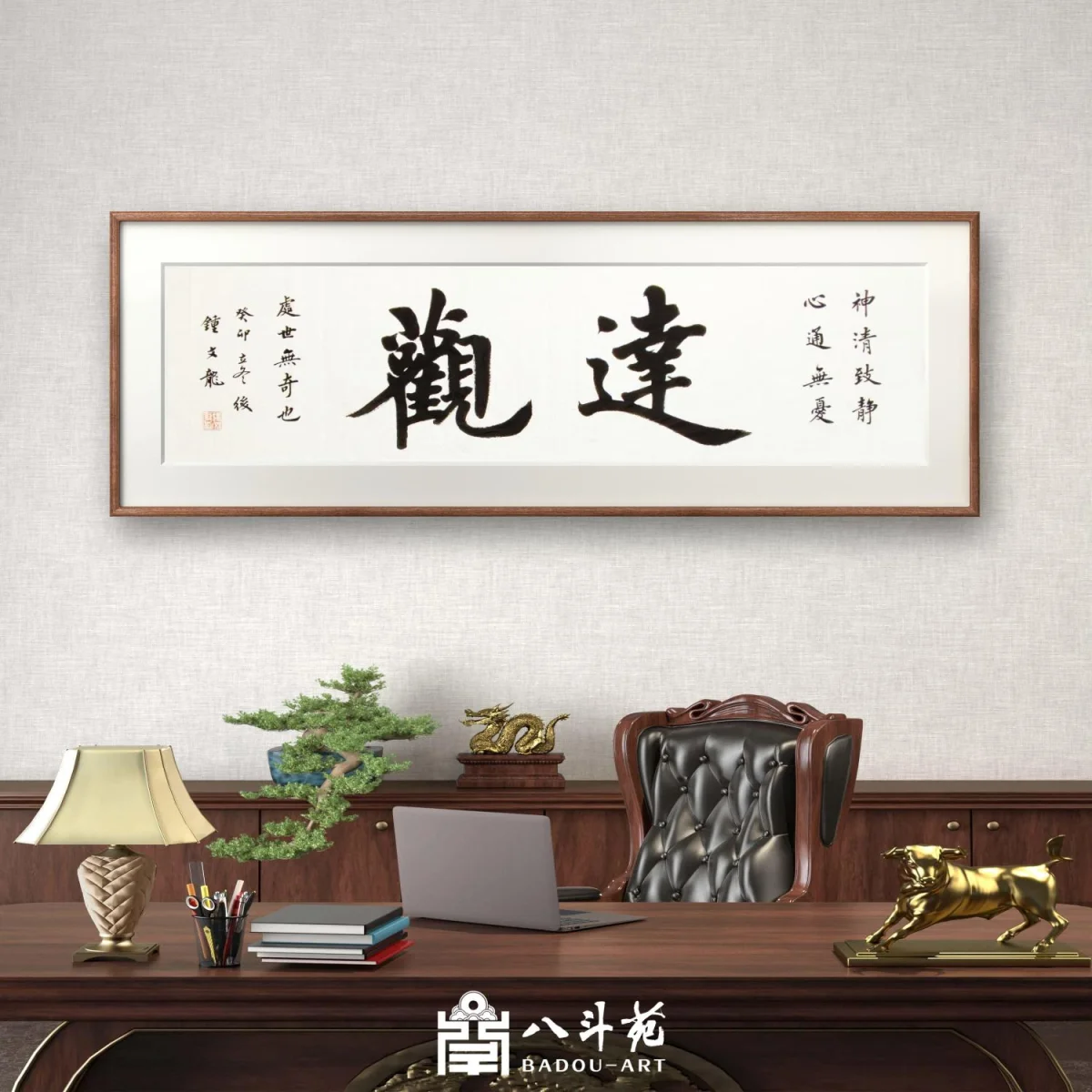
Zhong Wenlong Calligraphy | 达观
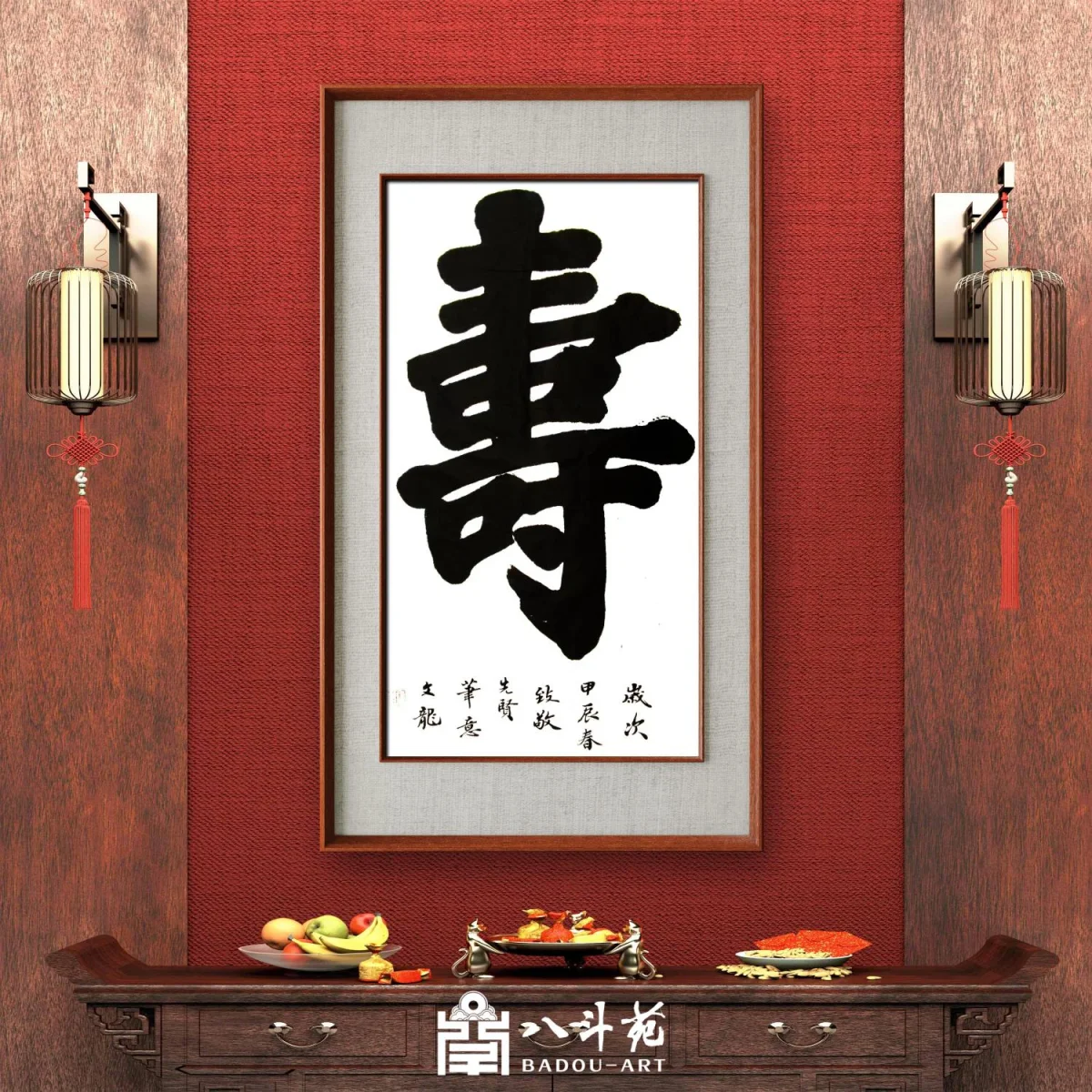
Zhong Wenlong Calligraphy | 壽
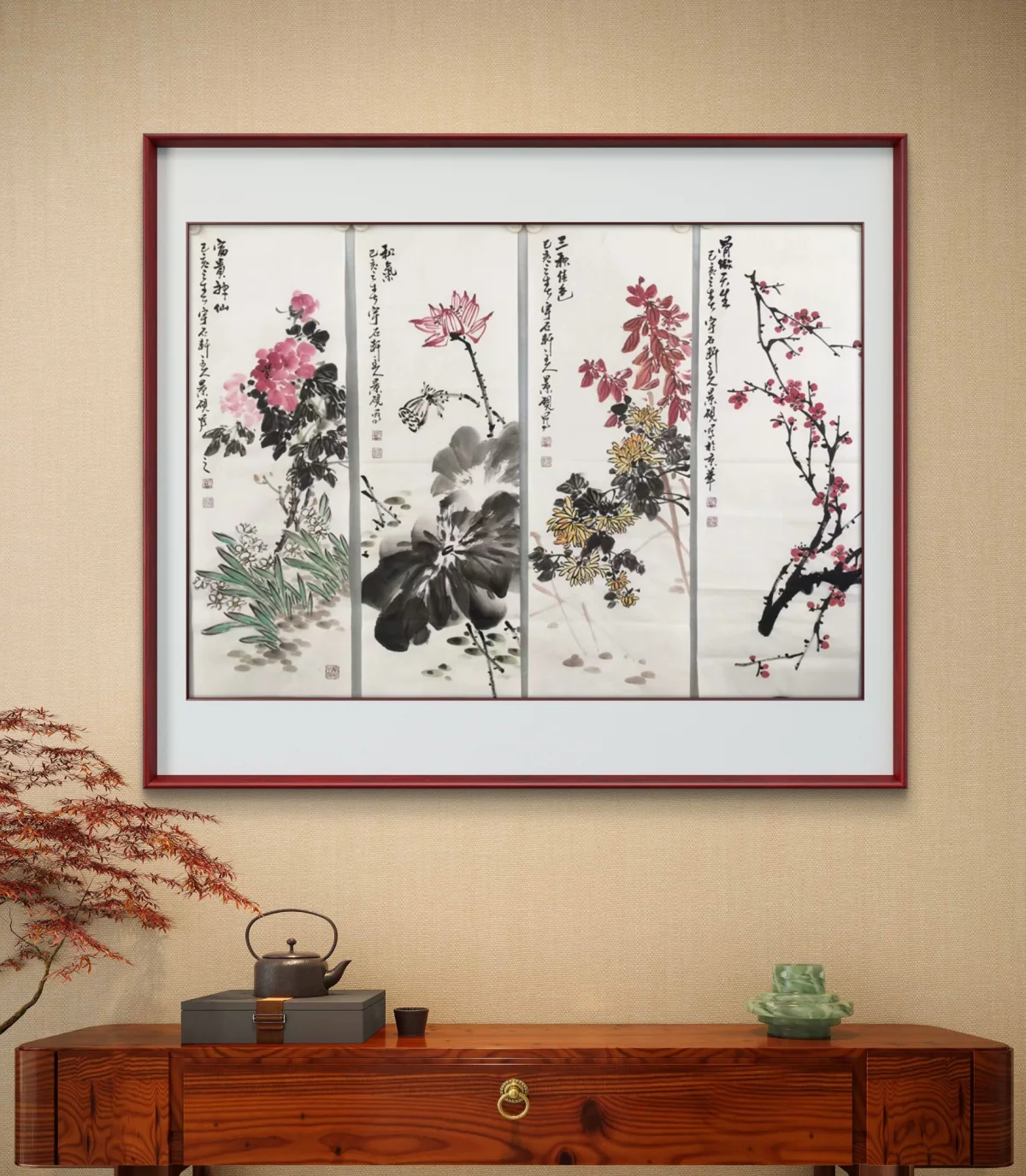
Wu Jingyan Chinese Freehand Painting・Four‑Panel Flower‑and‑Bird Screens(花鸟四条屏)
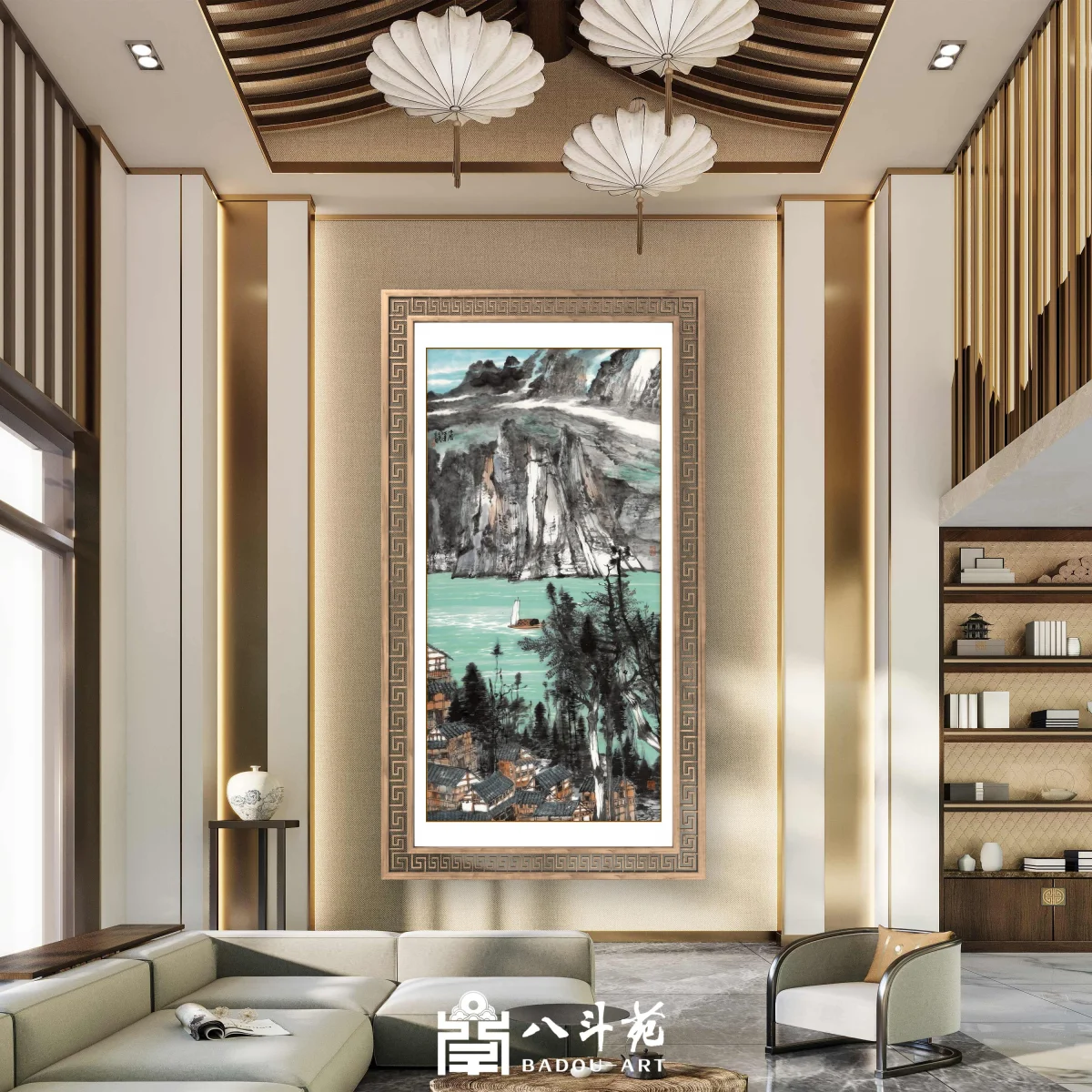
Liu Liyong Landscape Painting | Riverside Mountain Hamlet (山居江远)
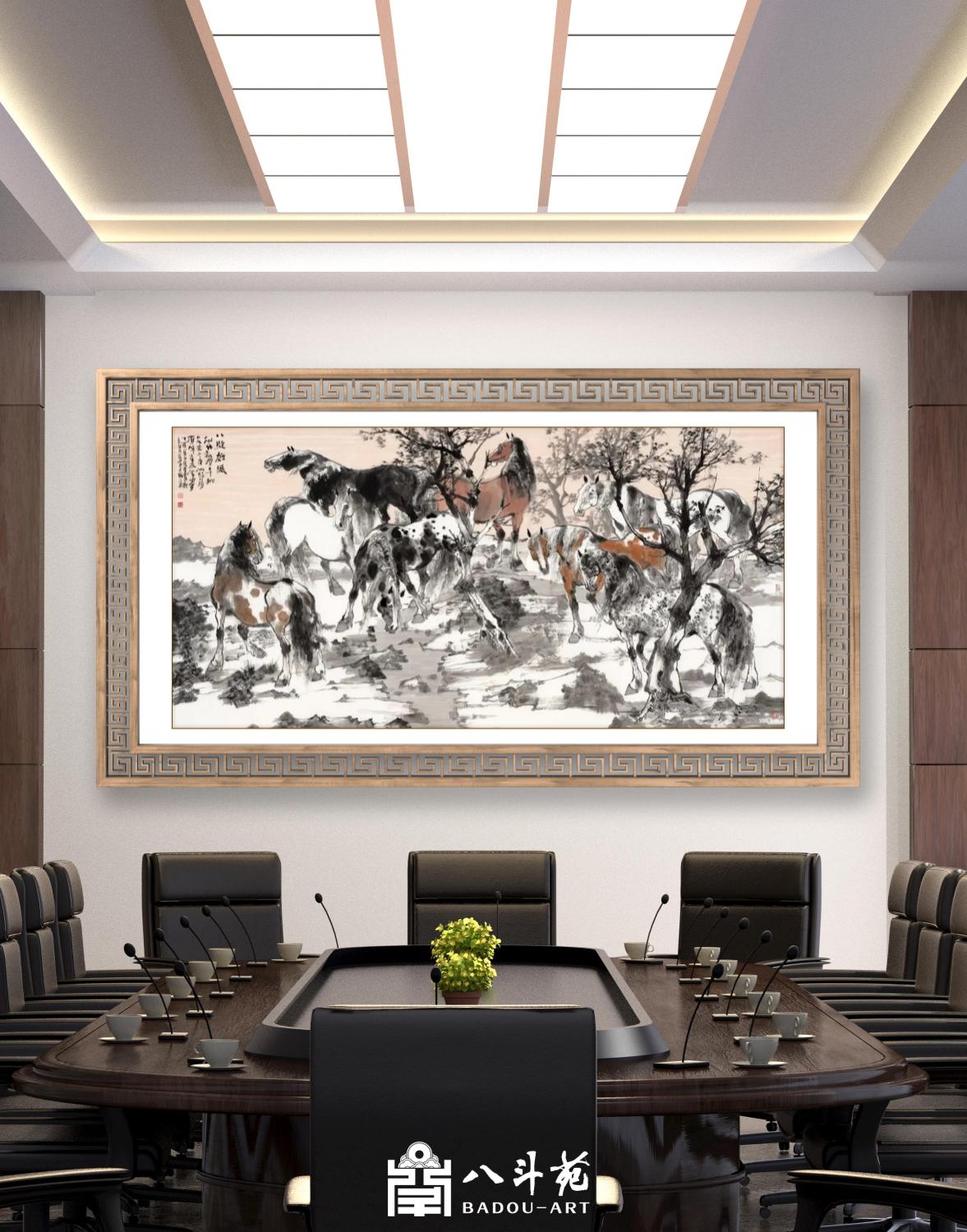
Liu Liyong Animal Painting | Eight Steeds (八骏图)
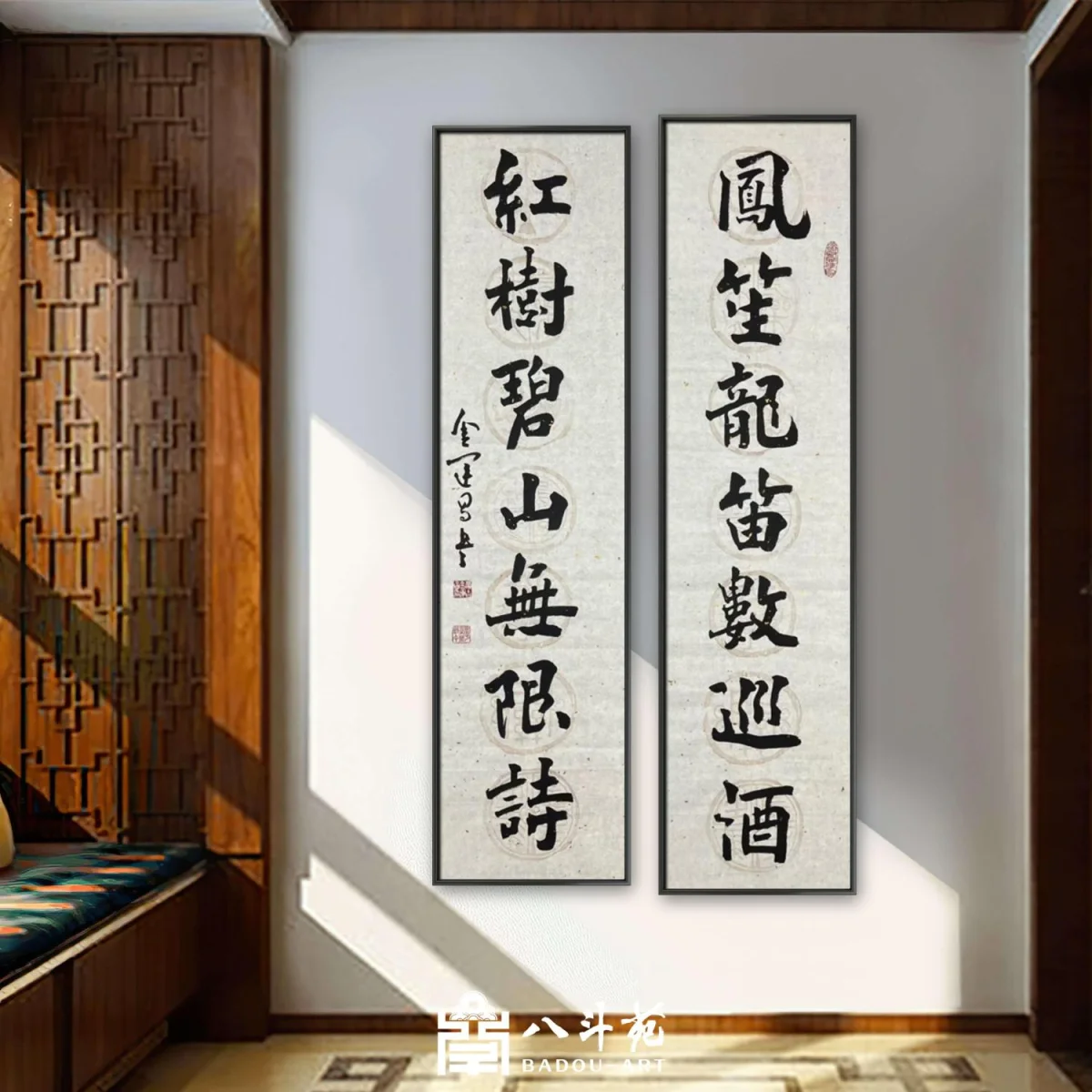
Jin Yunchang Calligraphy | 鳳笙龍笛數巡酒
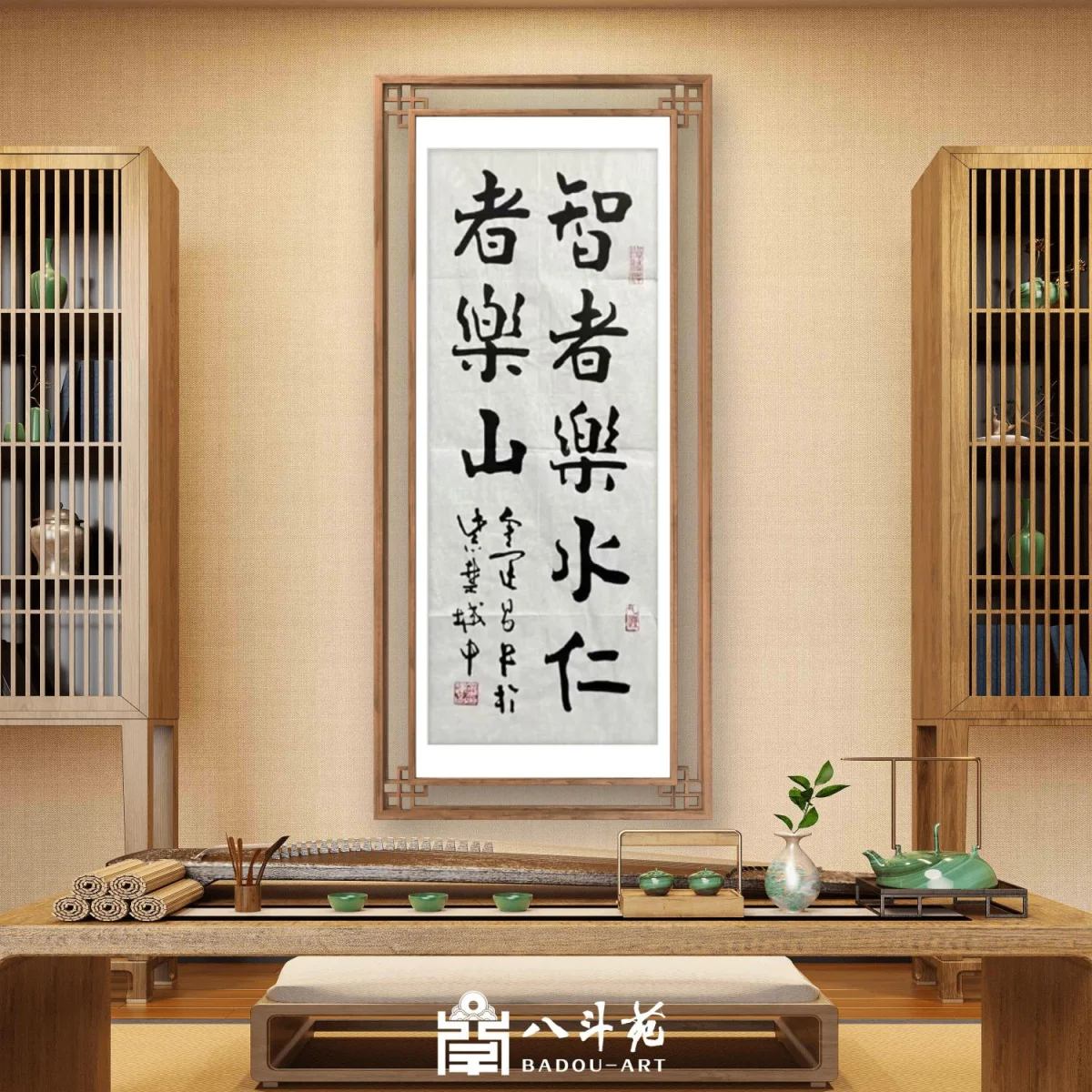
Jin Yunchang Calligraphy | 智者樂水仁者樂山
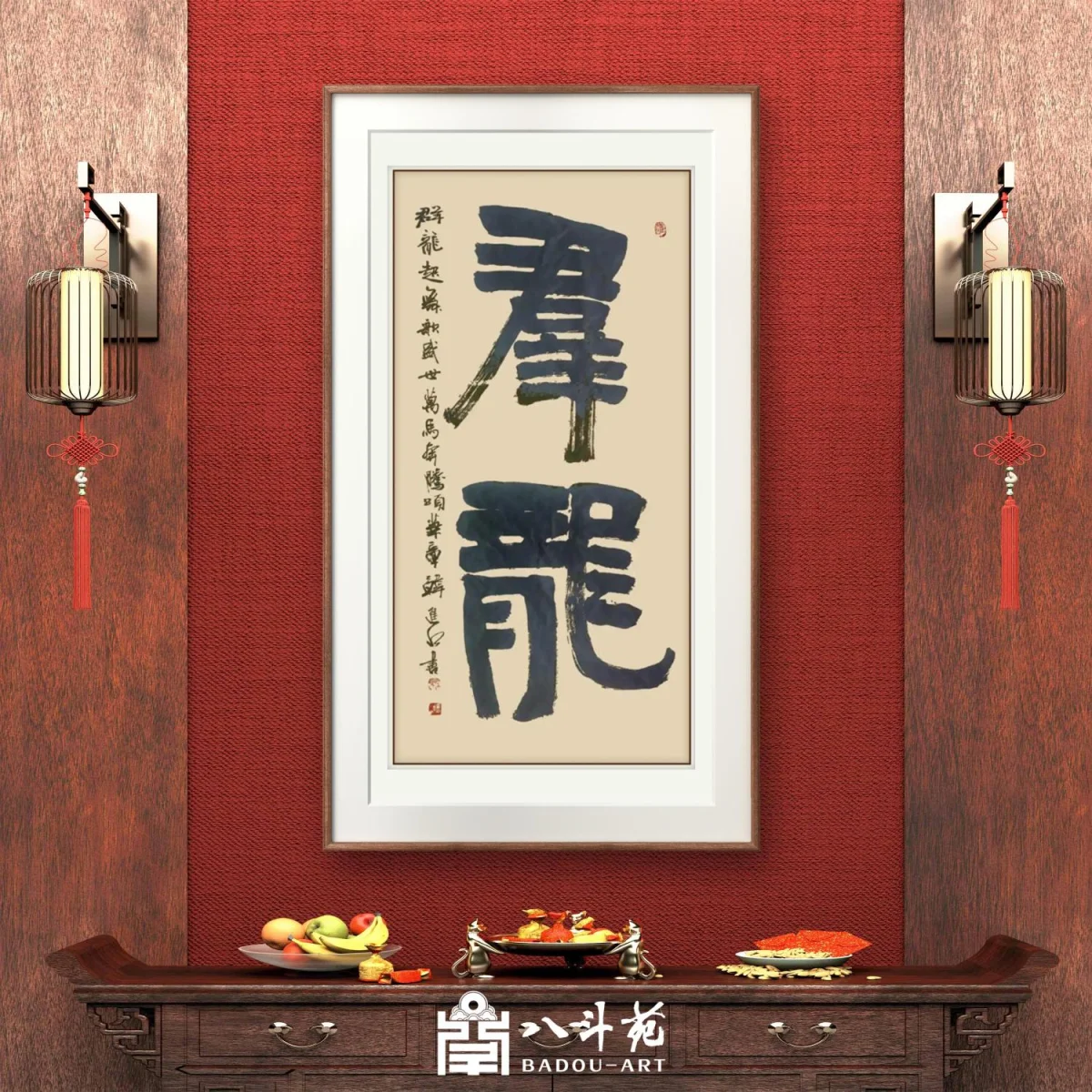
Han Jinshui Calligraphy | 羣龍 (A Group of Dragons)
Yao Mingjing: Zen Atmosphere in Chinese Ink Landscapes
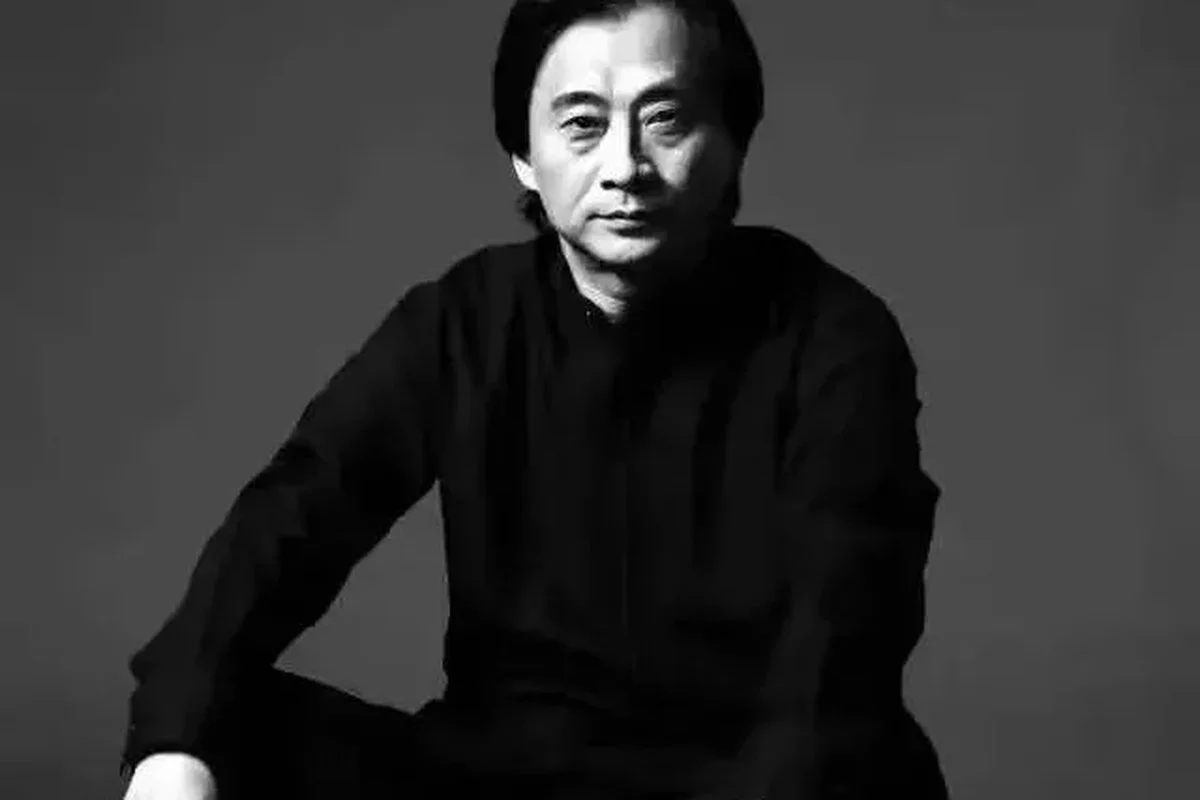
Yao Mingjing: Zen Atmosphere in Chinese Ink Landscapes
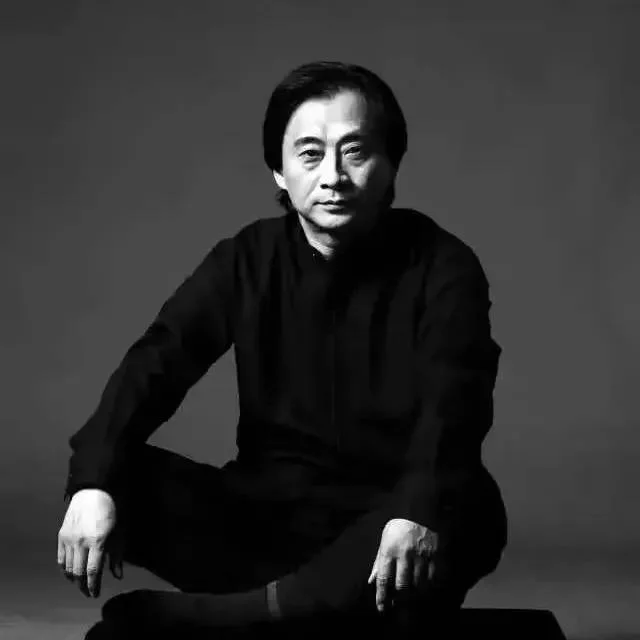
Yao Mingjing (born 1959 in Beijing, with family roots in Wuxi, Jiangsu) is one of the most distinctive figures in contemporary Chinese landscape painting. A professor and graduate supervisor at the Central Academy of Fine Arts (CAFA), he formerly served as deputy dean of its School of Chinese Painting. He is also vice president of the Li Keran Academy of Painting and a researcher at the China National Academy of Painting — a career built around one question: what happens to brushwork when the painter also meditates?
Landscapes from a Sketching Life
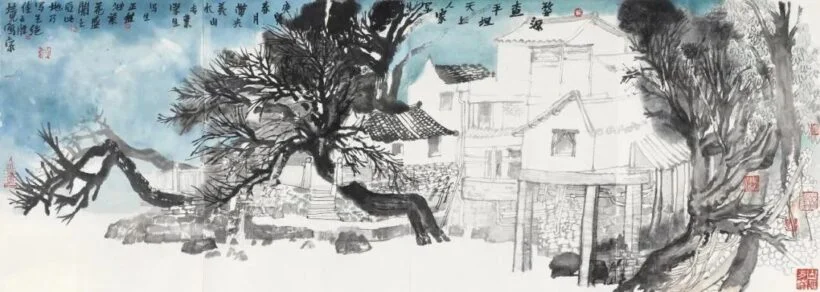
*Sketch from Chatian, Wuyuan — 60 × 166 cm*
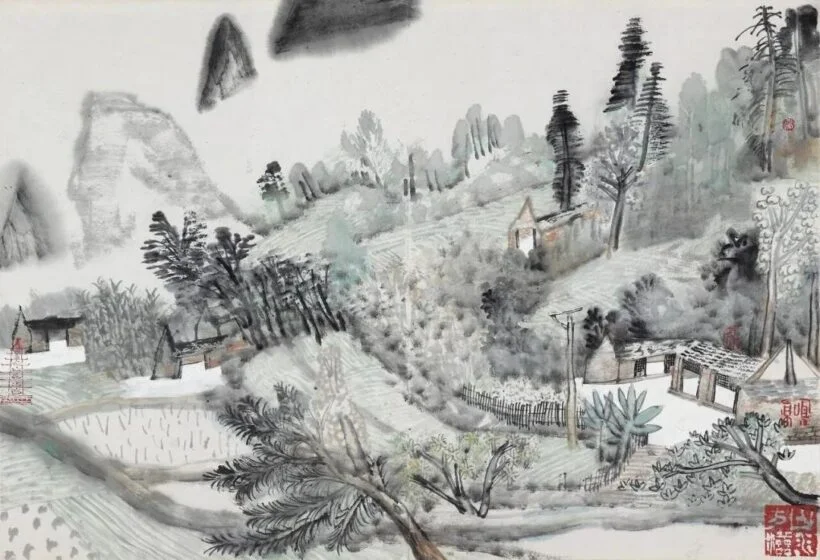
Yao’s dreamlike mountains grow out of direct observation. Each year he travels to regions such as Wuyuan in Jiangxi Province to draw from life, then reshapes those studies in the studio into floating, half-imagined worlds.
In Conversation: What Is “Zen Atmosphere”?
Viewers and critics consistently use one word for his work: *chanjing* — the atmosphere of Zen. In an interview with *Art Business* magazine, Yao explained where it comes from.
For Yao, the answer begins with discipline, not theory. He has kept a vegetarian diet for twenty-two years, and he draws a careful line between study and practice: research produces words, he says, while practice transforms the person. He recalls his first meditation sessions — two and a half hours of sitting, the first month nothing but aching limbs and restlessness, glancing at the clock after what felt like an hour and finding that barely a minute had passed. Later the sitting entered a finer realm: eyes close, eyes open, and the time is simply gone.
In that state, he says, there are no words and no time. The meditator must verify it firsthand; nothing secondhand counts. The reward, he believes, is a changed mind and heart — and a direct taste of emptiness that turns an ordinary state of mind into something beyond the ordinary.
When Practice Changes the Painting
Asked whether Buddhism or Taoism weighs more in his art, Yao answers that the two have merged. He admits he knows no more of the scriptures and technical terms than any educated reader. What matters is a saying a senior monk once shared with him: studying Buddhism is one thing; practicing it is the true Buddha-way.
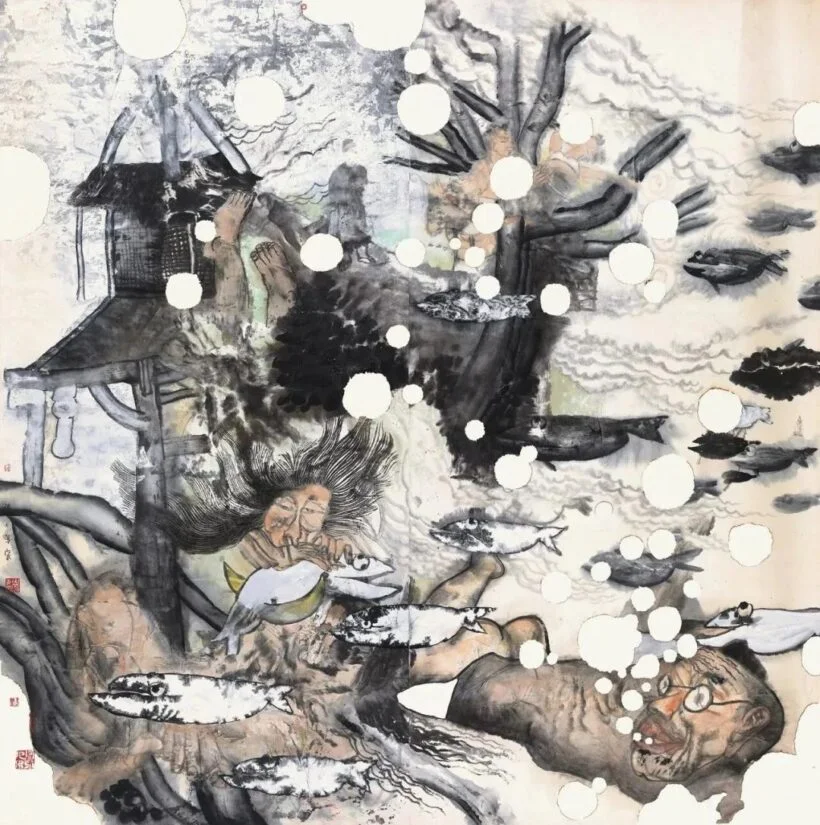
Once daily life — walking, sitting, eating, painting — becomes the practice itself, the work must change. If the paintings stayed exactly as before, he reasons, the practice would not have gone deep. His did. His recent landscapes feel freer, and viewers respond the moment they see them, entering the picture as if it were already a friend. Of Taoism he is more reserved: without a formal lineage and a teacher to hand down the method, he considers his own grasp “no more than the surface.”
Selected Works
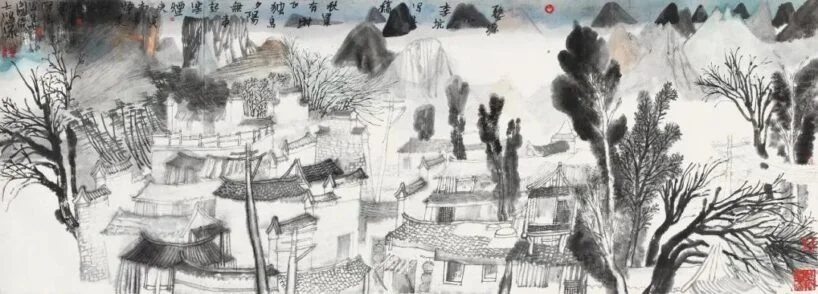
*Sketch from Xiaolikeng, Wuyuan — 59.5 × 165 cm*
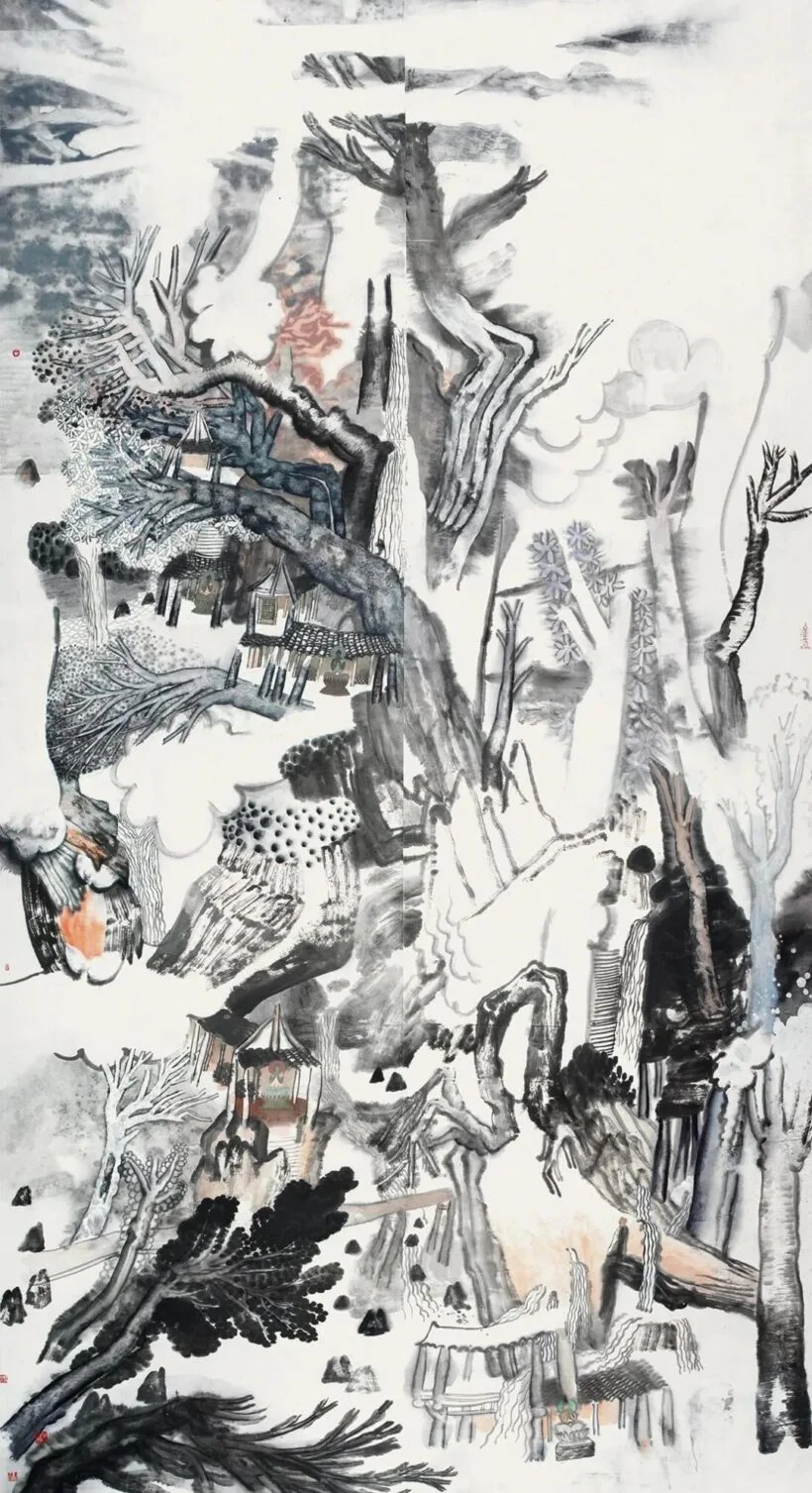
*Veiled Spaces — 188 × 430 cm*
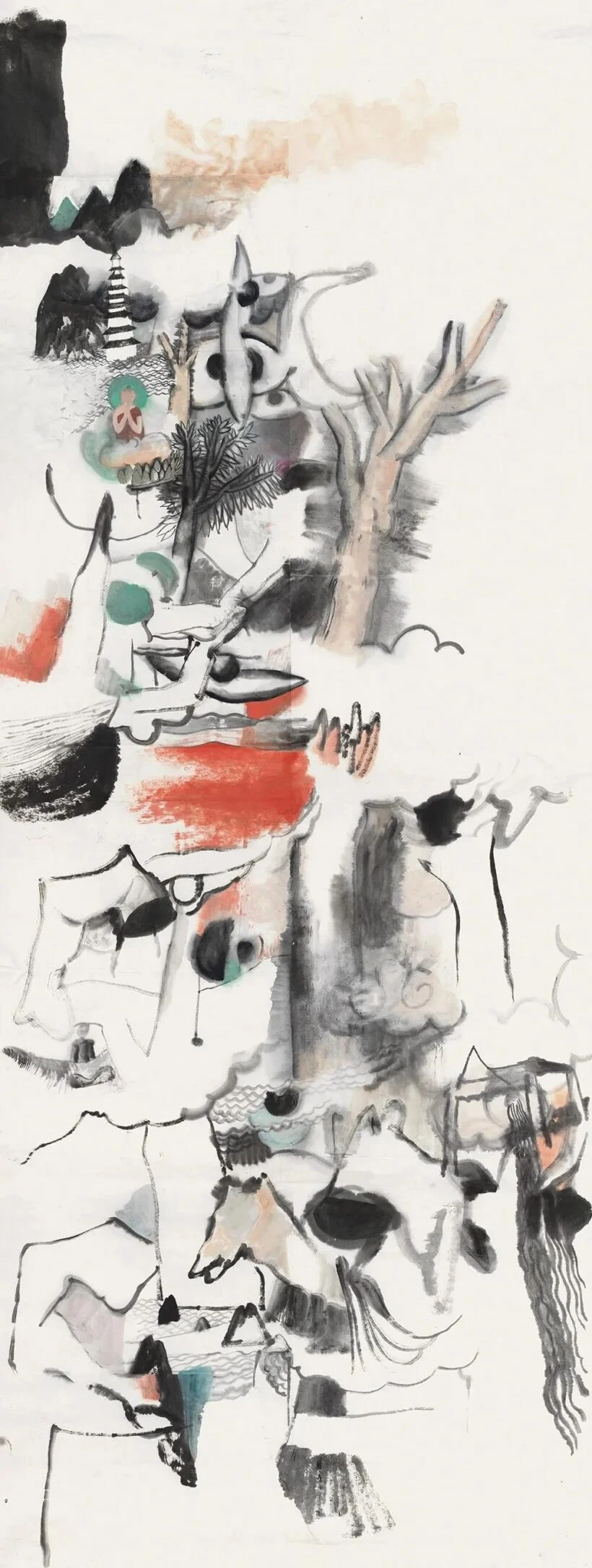
*Landscape Dreamscape — 135 × 367.5 cm*
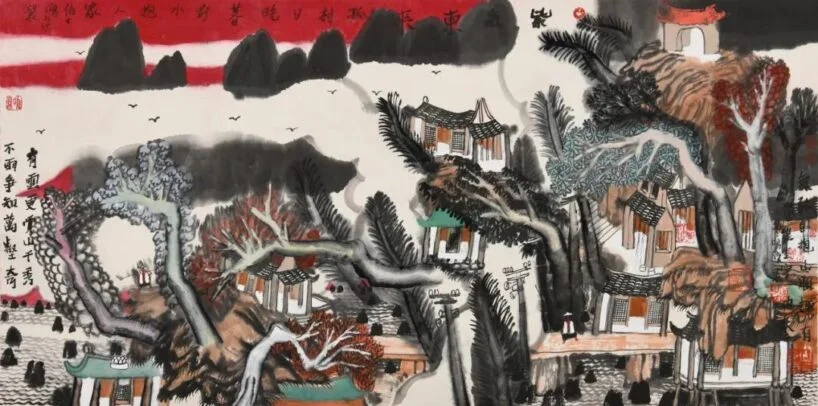
*Purple Mist from the East — 137.5 × 68 cm*
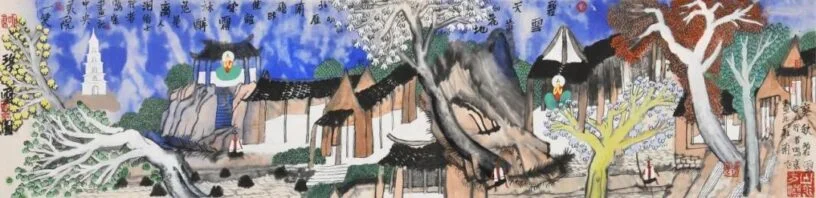
*Crisp Autumn, Azure Clouds — 33.5 × 136 cm*
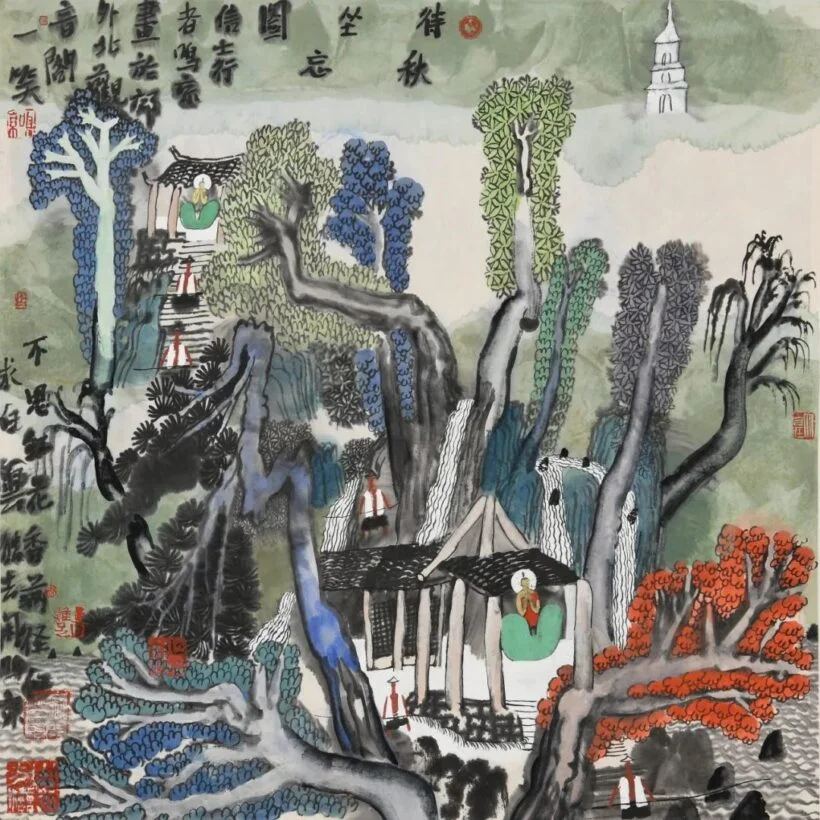
*Awaiting Autumn, Sitting in Forgetfulness — 68 × 68 cm*
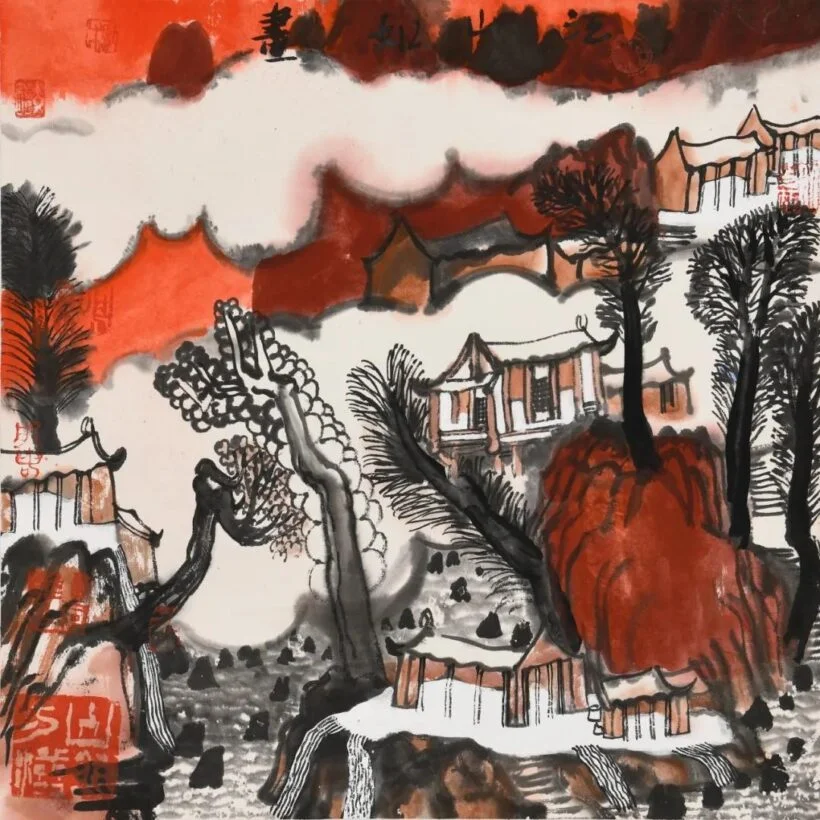
*A Land Like a Painting — 34 × 34 cm*
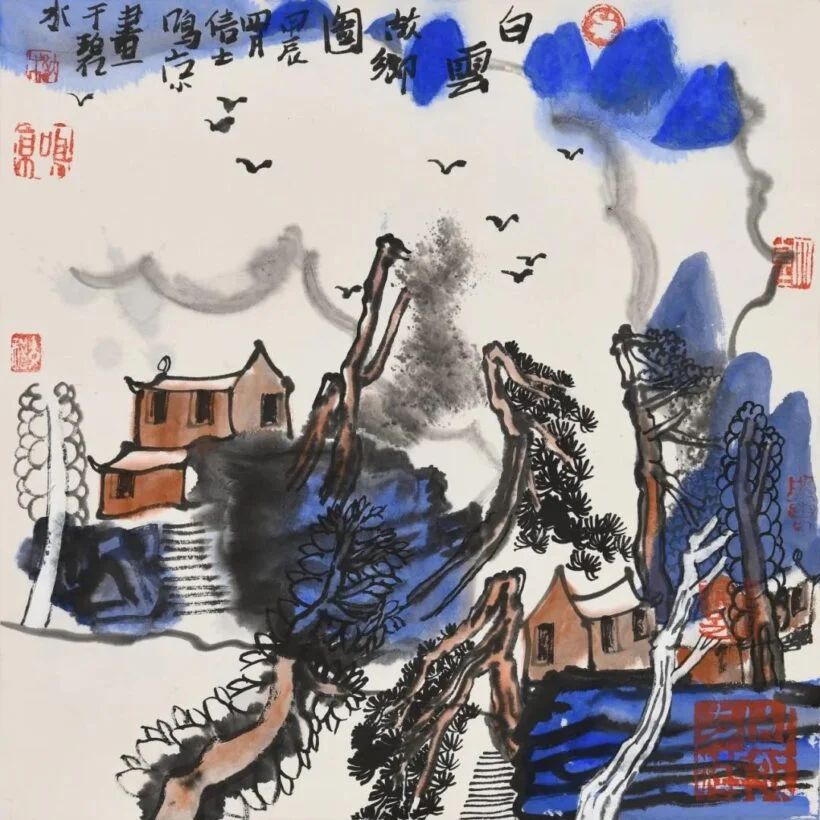
*Homeland of White Clouds — 34 × 34 cm*
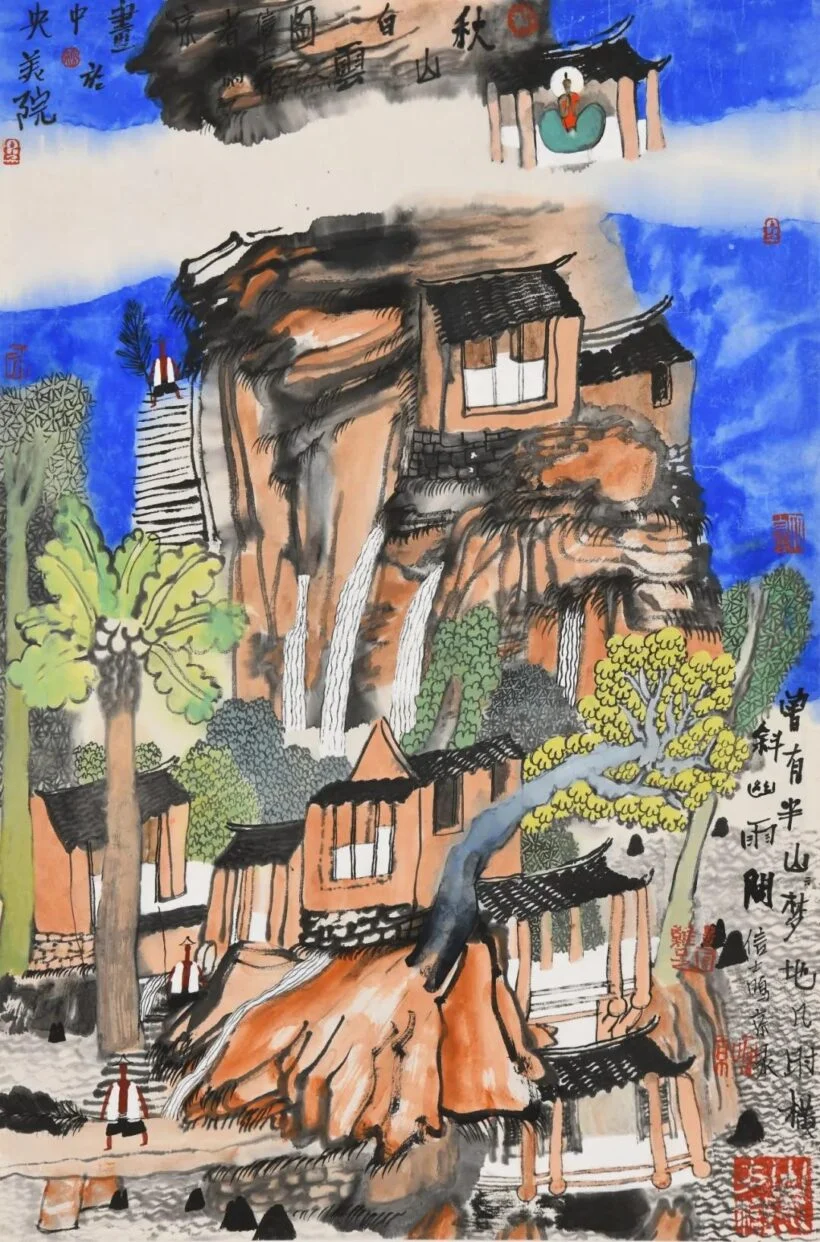
*Autumn Mountains, White Clouds — 68 × 45 cm*
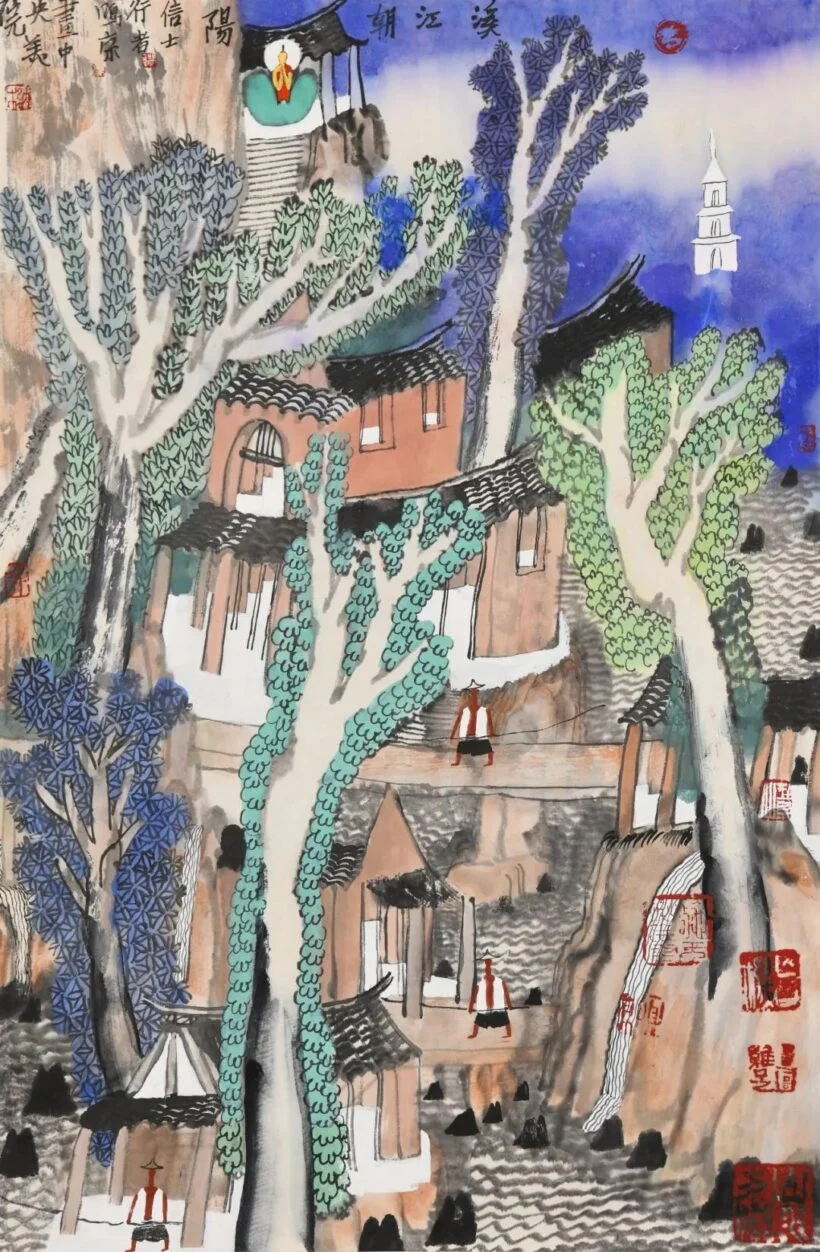
*Morning Sun over the Stream — 68 × 45 cm*
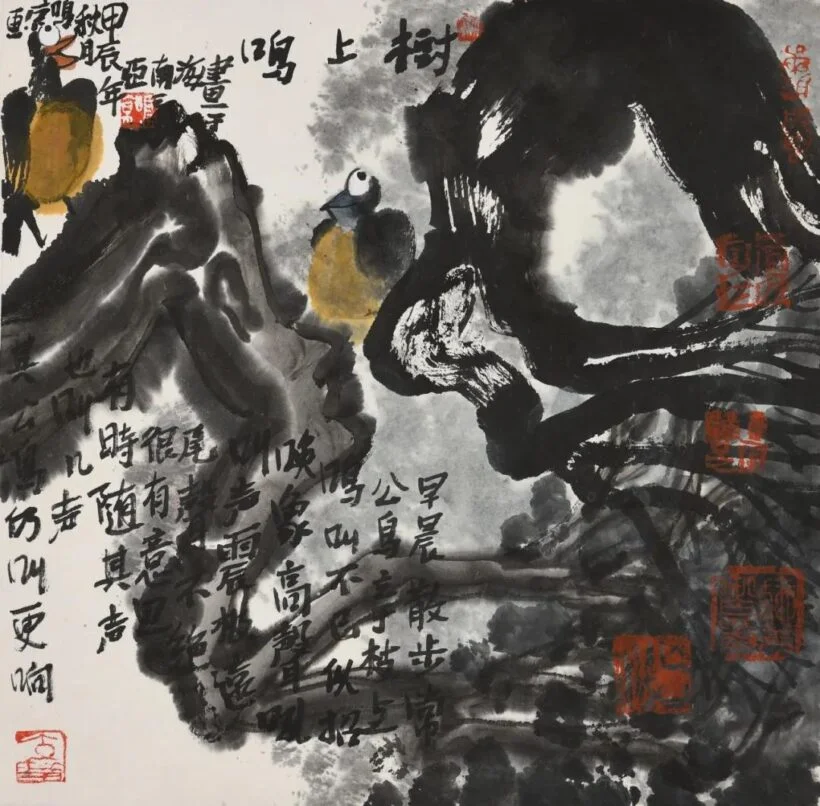
*Singing in the Trees — 35 × 34 cm*
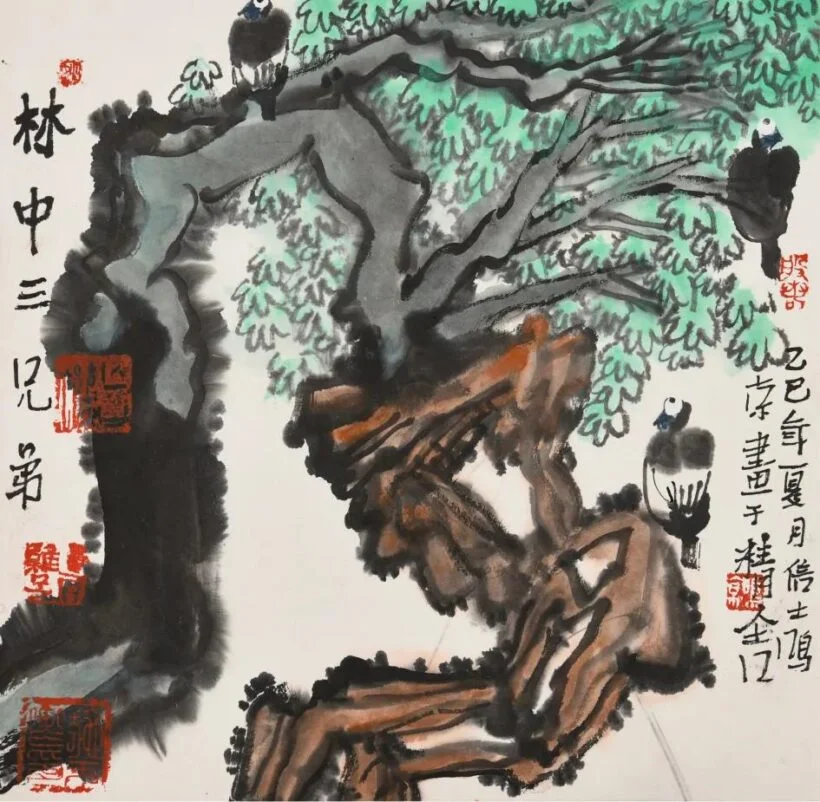
*Three Brothers in the Woods — 34 × 35 cm*
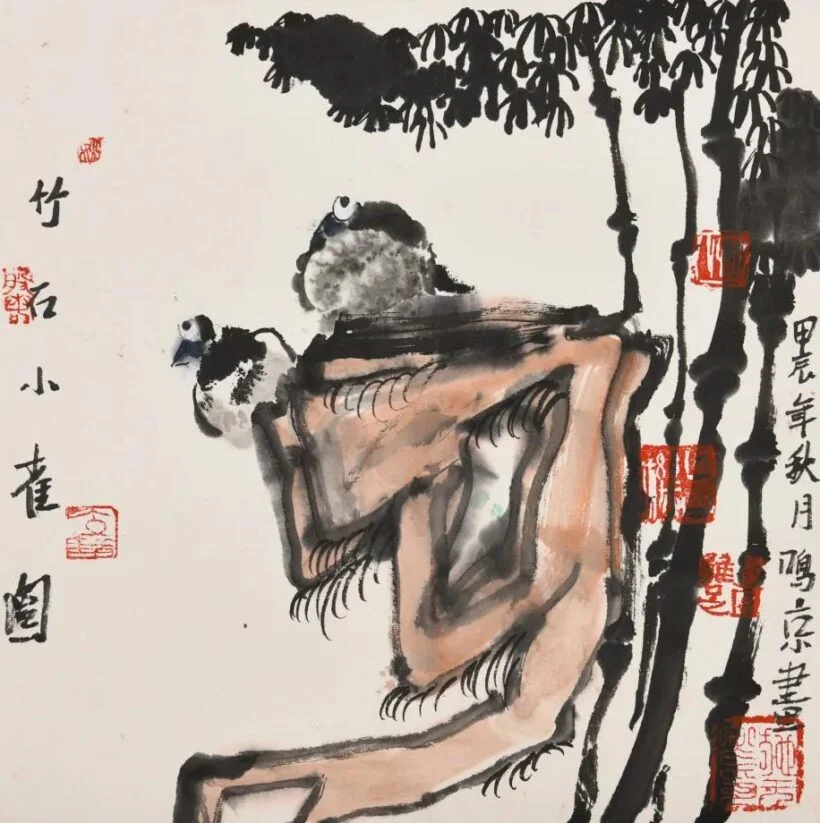
*Small Birds among Bamboo and Rock — 34 × 34 cm*
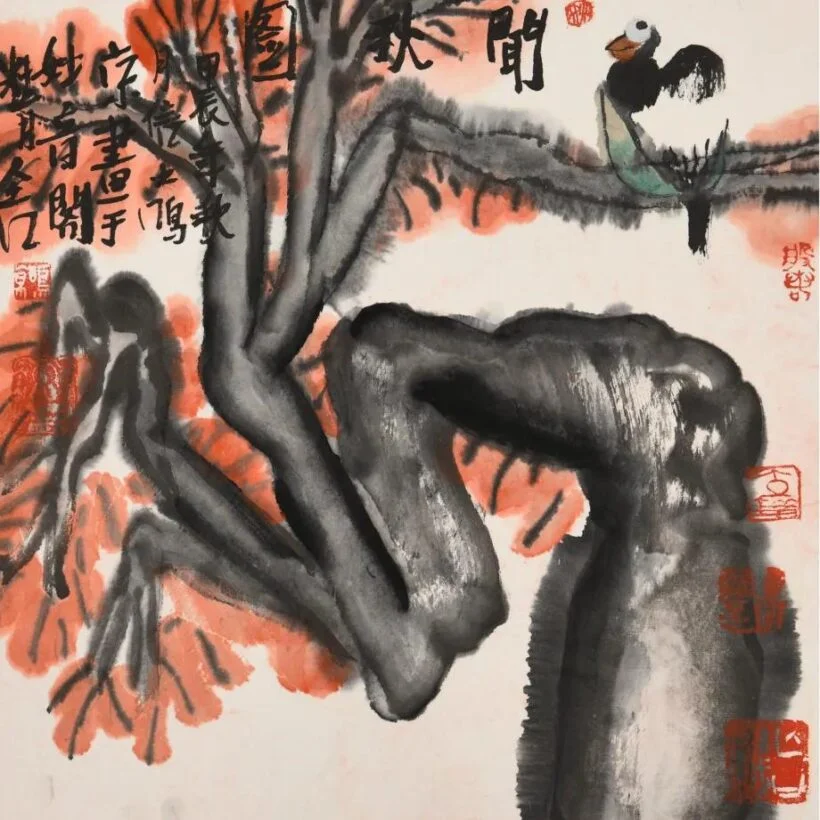
*Listening to Autumn — 33 × 33 cm*
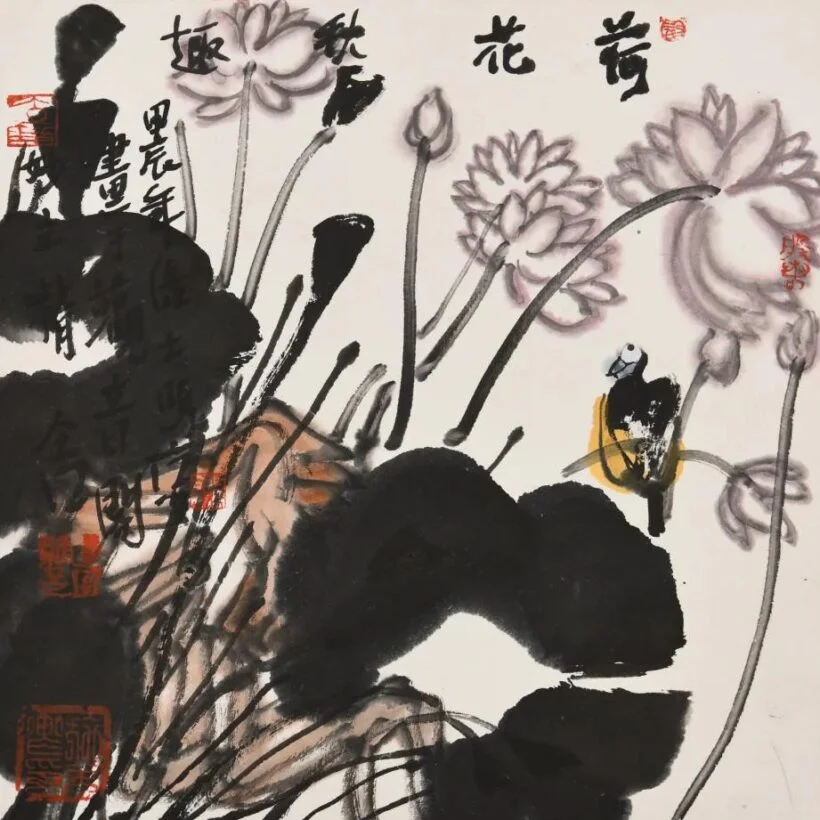
*Autumn Delight among the Lotus — 34 × 34 cm*
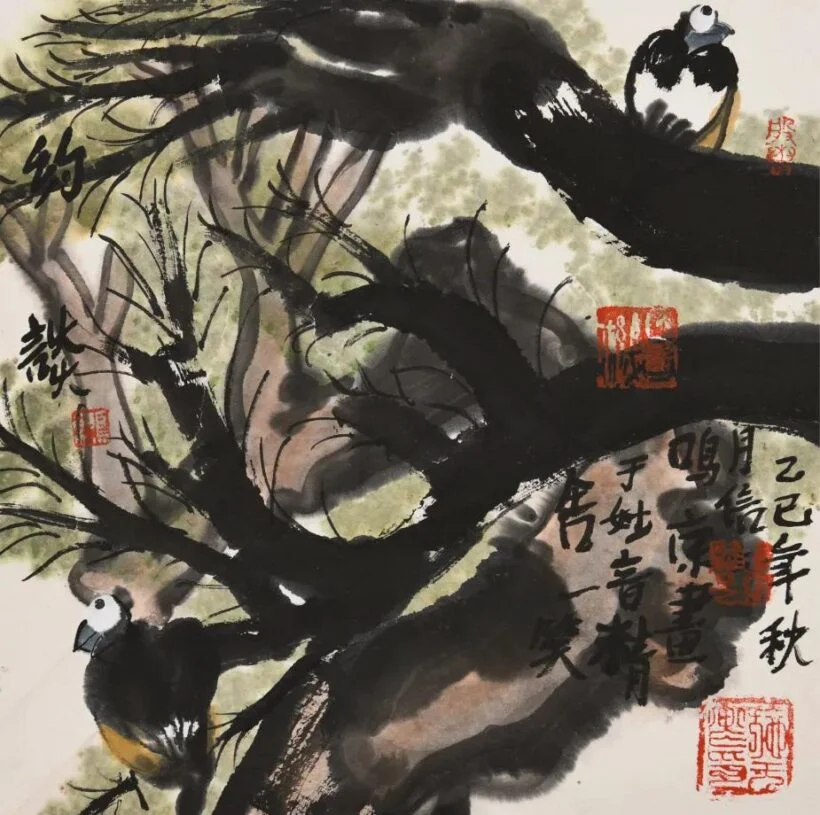
If this quiet, dreamlike manner of landscape speaks to you, Badou Art’s specialists are happy to guide you through commissioning a work in this tradition.