Our Featured Collection
Hand‑picked premium works for you
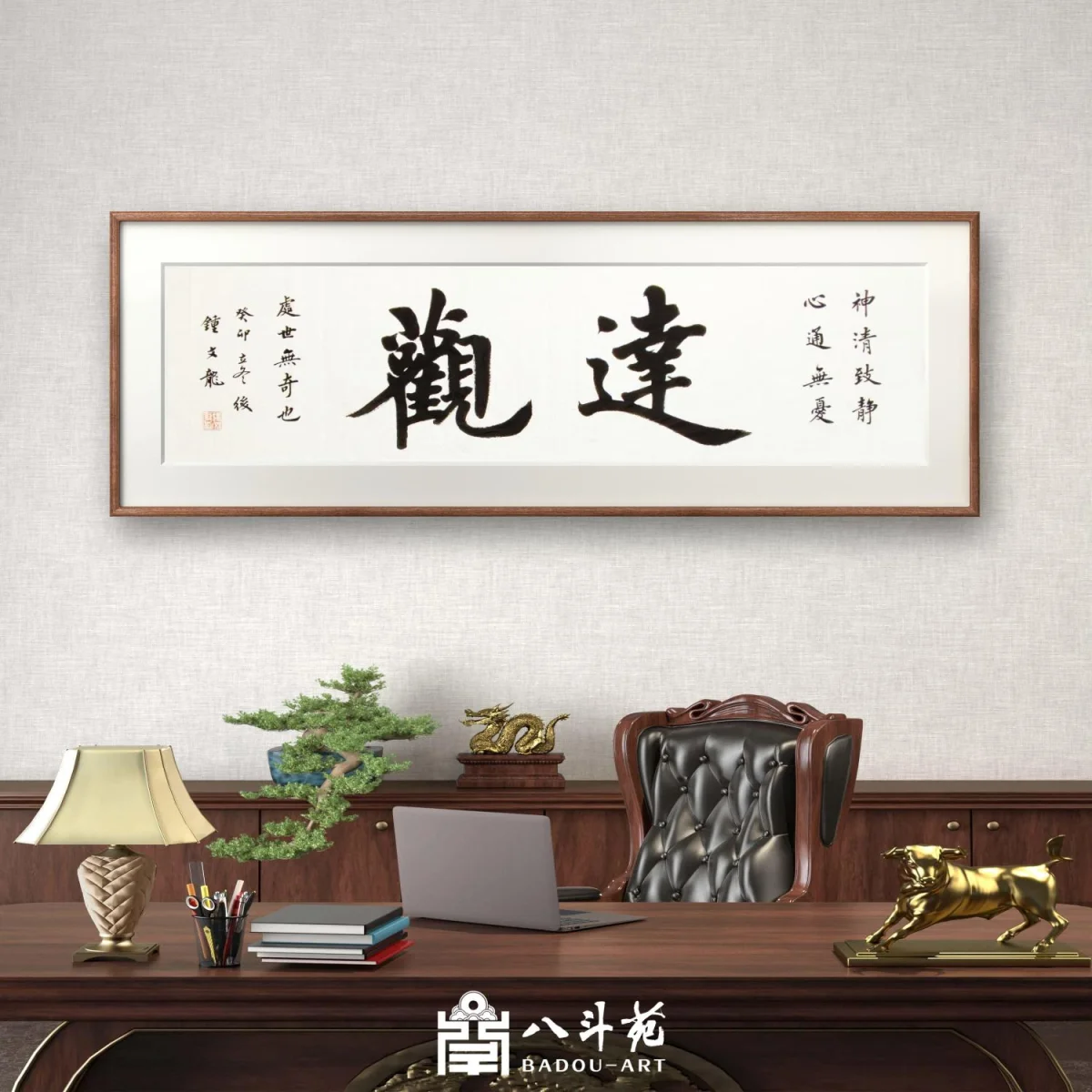
Zhong Wenlong Calligraphy | 达观
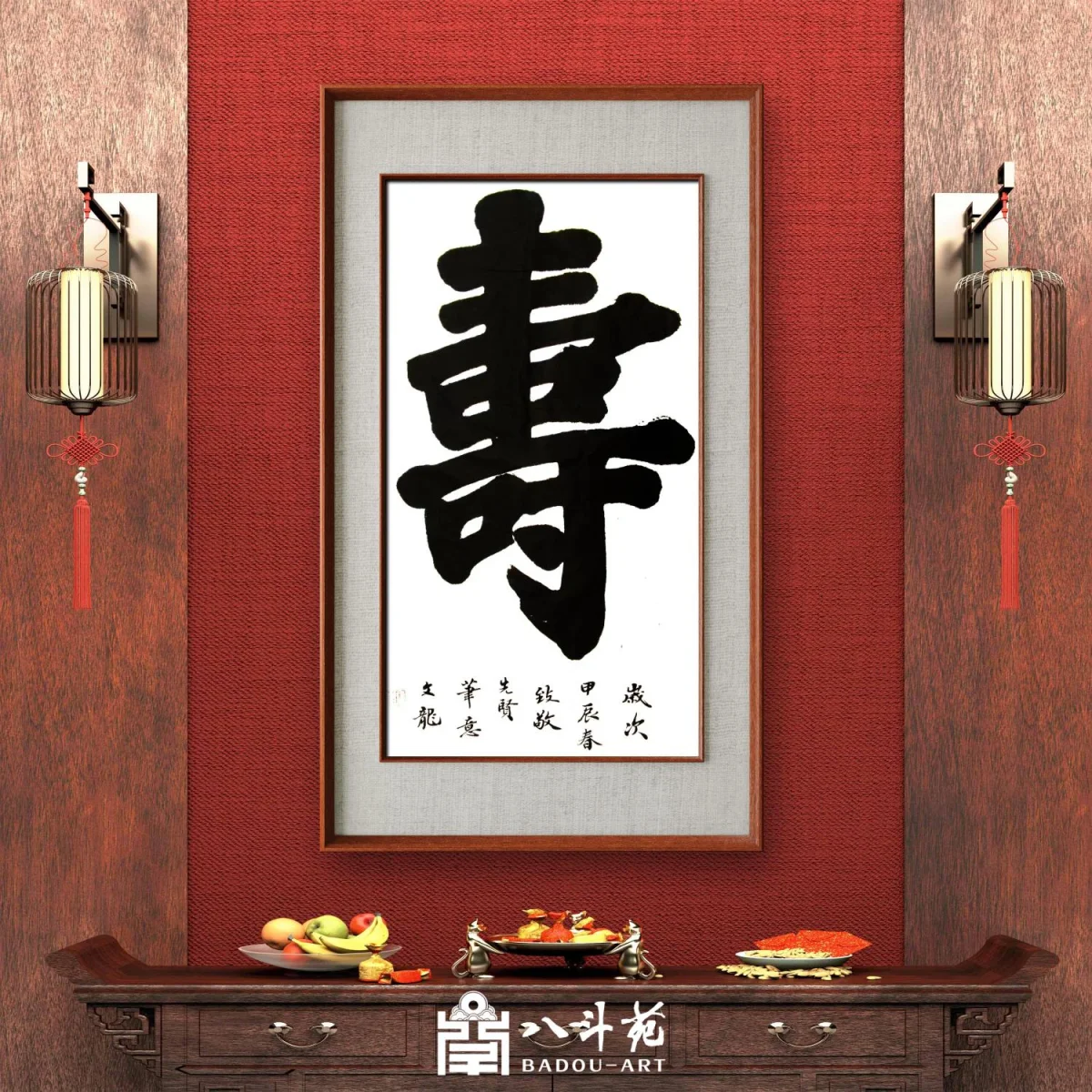
Zhong Wenlong Calligraphy | 壽
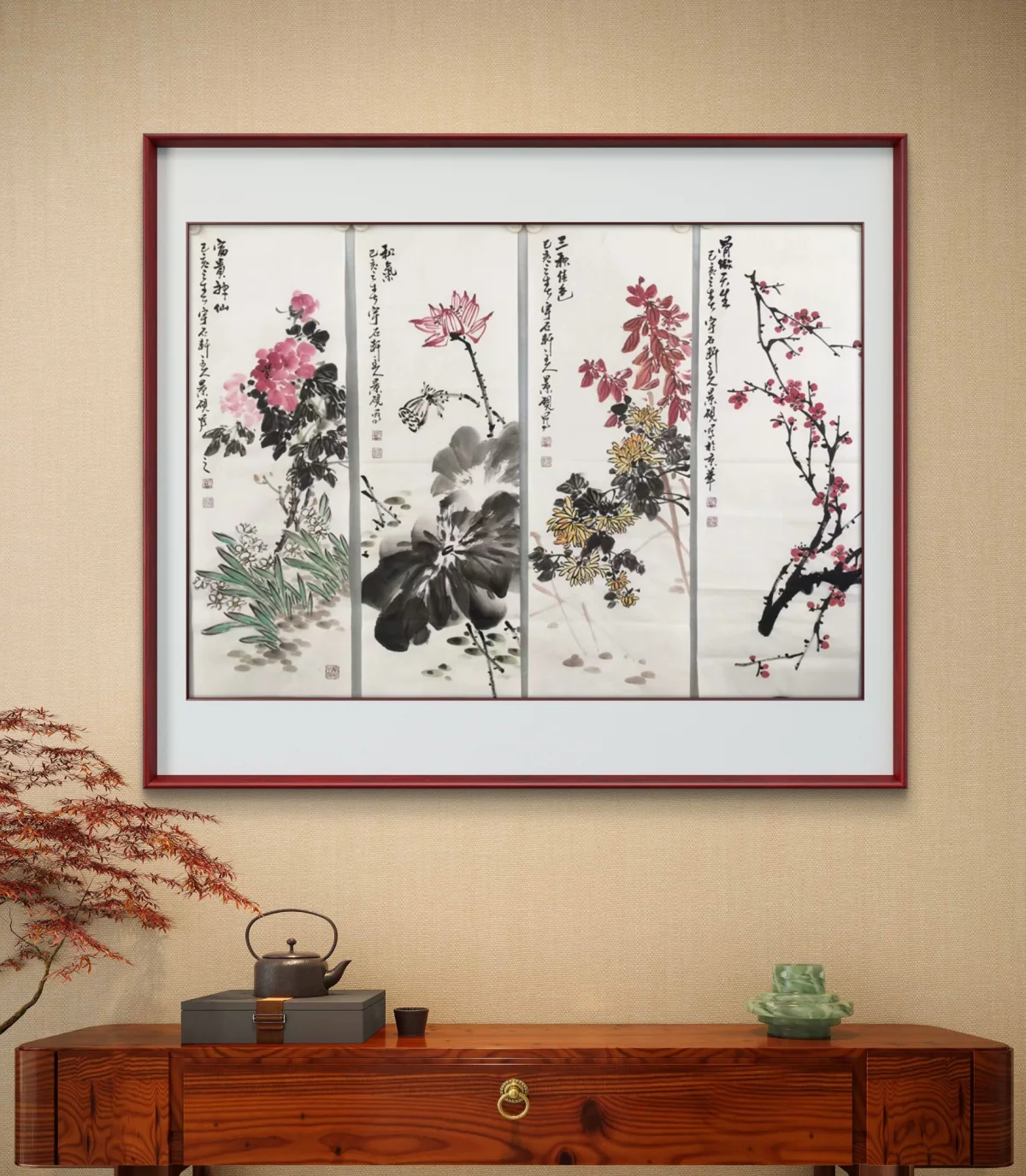
Wu Jingyan Chinese Freehand Painting・Four‑Panel Flower‑and‑Bird Screens(花鸟四条屏)
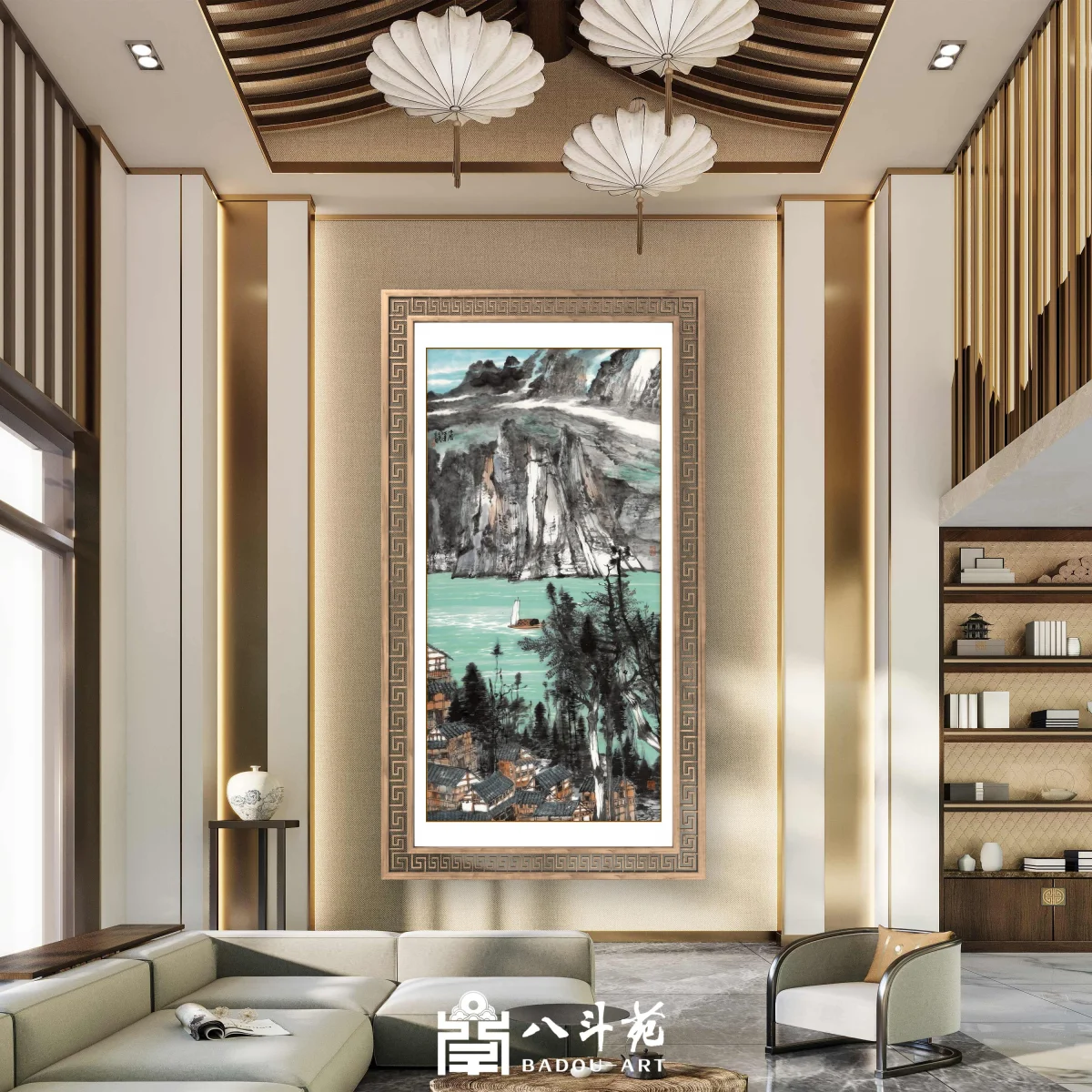
Liu Liyong Landscape Painting | Riverside Mountain Hamlet (山居江远)
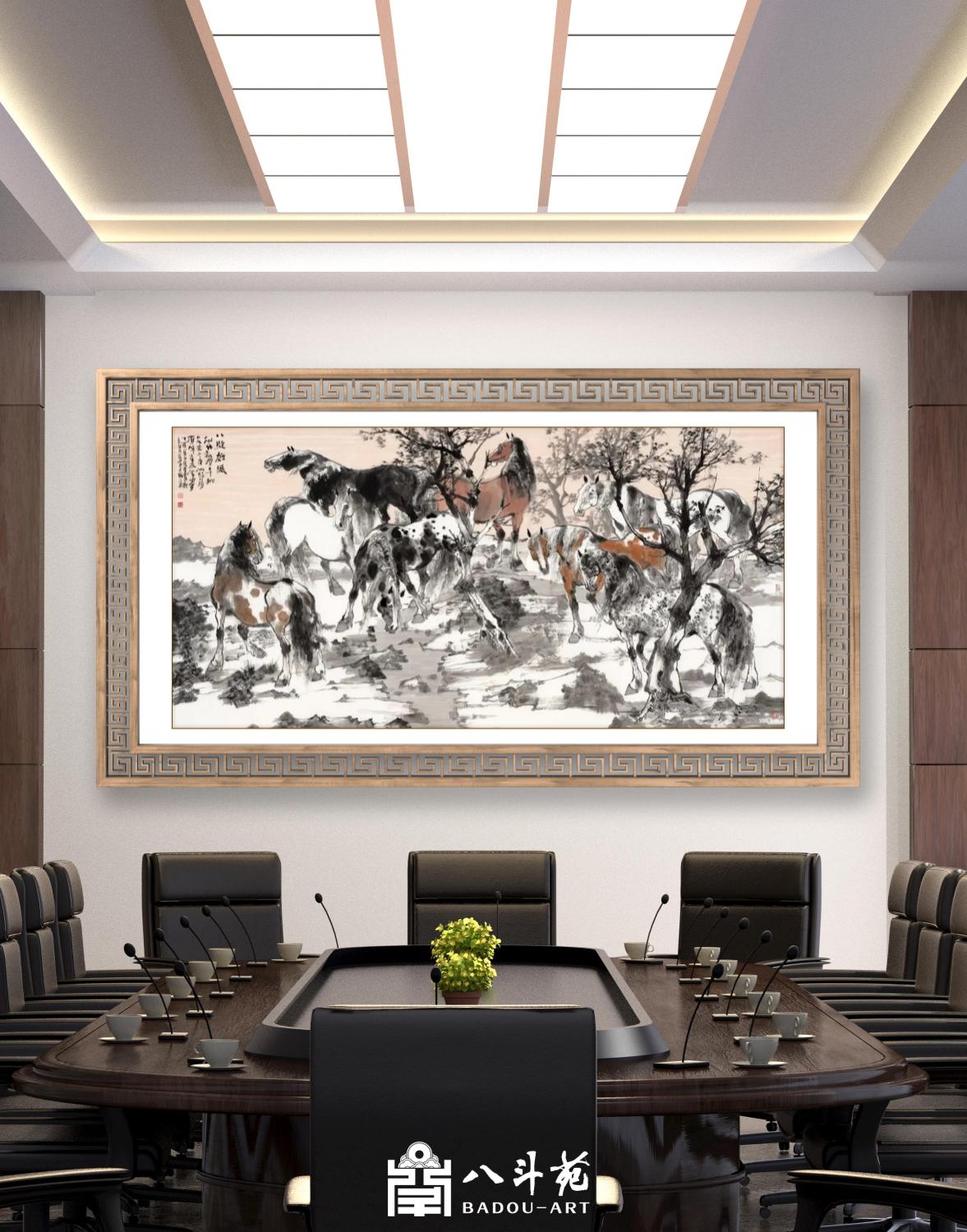
Liu Liyong Animal Painting | Eight Steeds (八骏图)
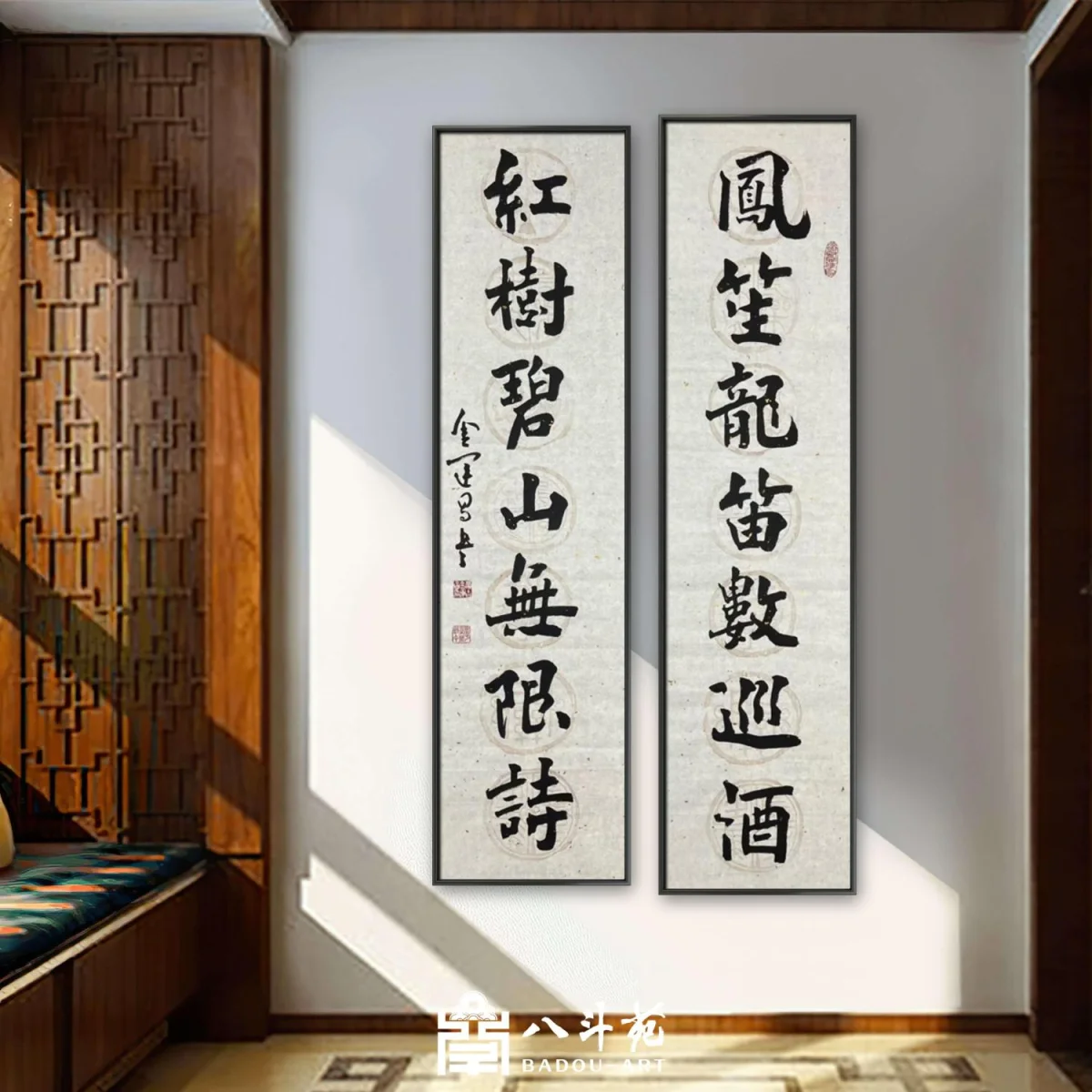
Jin Yunchang Calligraphy | 鳳笙龍笛數巡酒
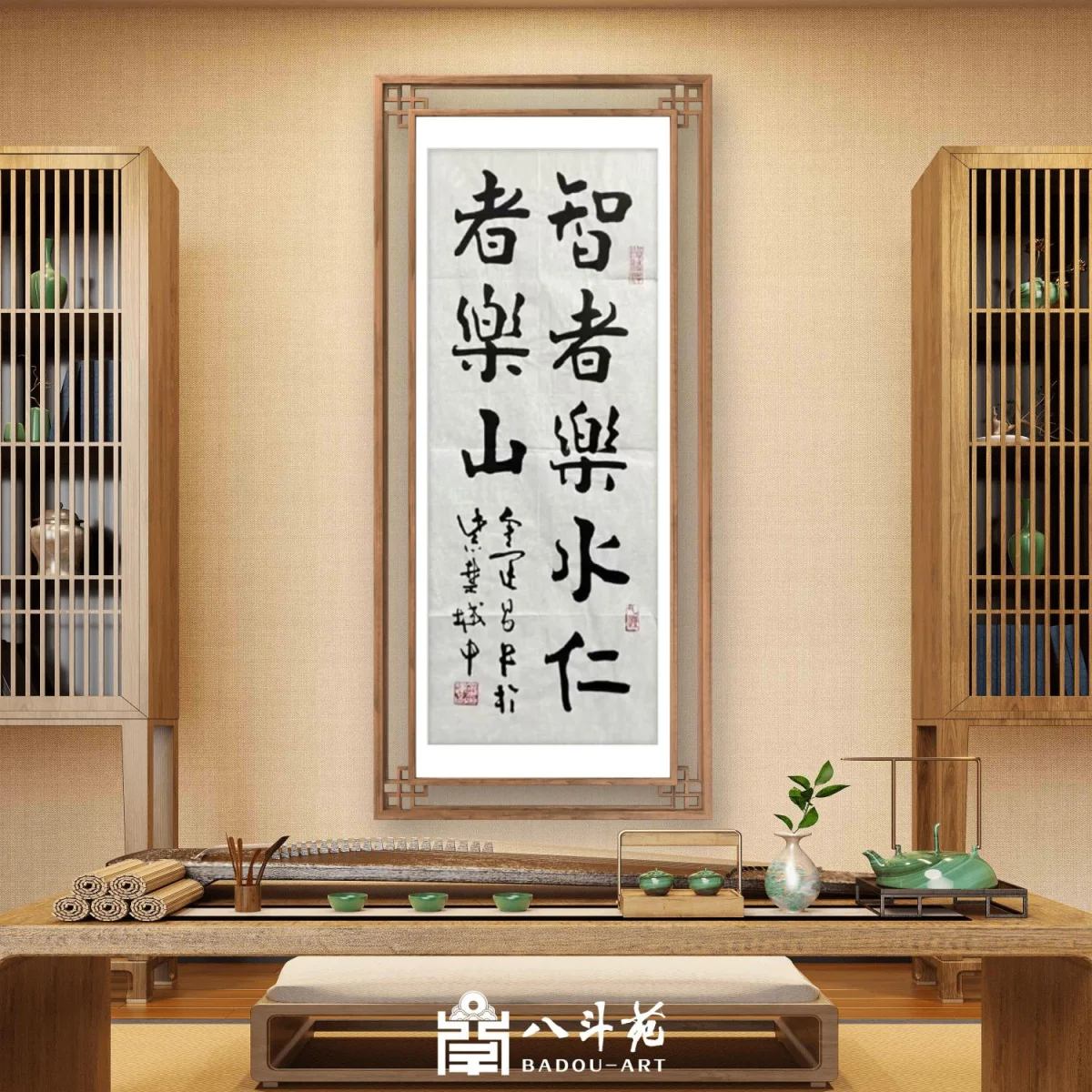
Jin Yunchang Calligraphy | 智者樂水仁者樂山
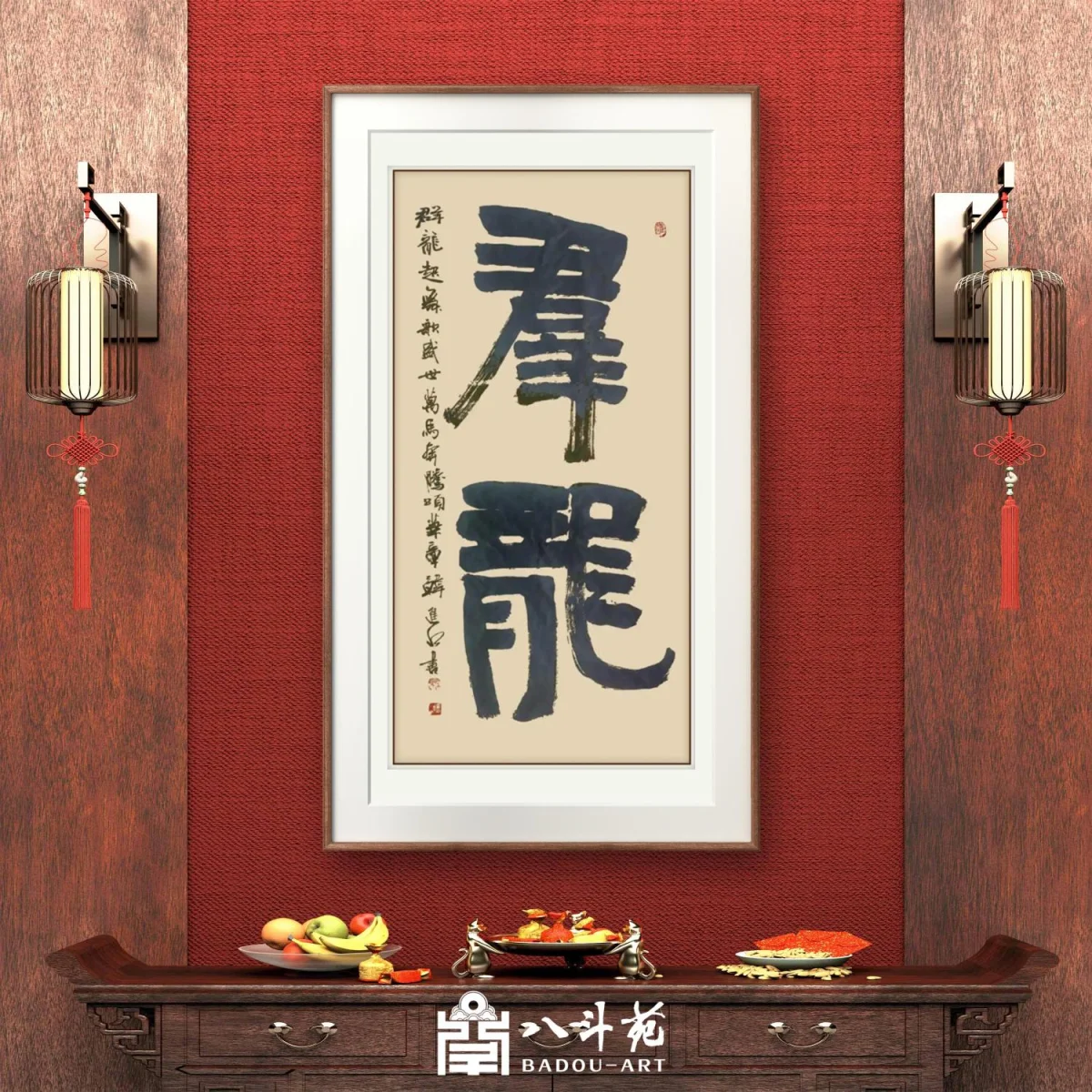
Han Jinshui Calligraphy | 羣龍 (A Group of Dragons)
Zheng Banqiao’s Price List: The Artist Who Set His Own Fees
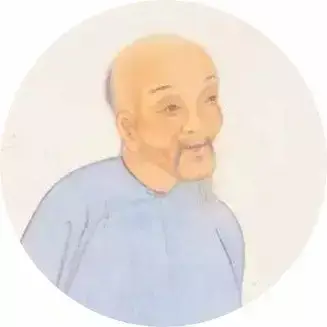
Zheng Banqiao’s Price List: The Artist Who Set His Own Fees
In 1759, the painter Zheng Banqiao caused a stir in Yangzhou by doing something almost unheard of: he published his prices. The announcement — a public “brush price list” known as a runge (润格) — is one of the most famous documents in Chinese art history, and it still shapes how artists price their work today.
What Is a Runge?
A runge, also called runli or bidan, is an artist’s published price list. The custom grew out of runbi, the “brush fee” paid to scholars and artists for their work. A clear price list benefits both sides: the artist is paid fairly without awkward haggling, and clients know exactly what to expect. As the saying went, it was like Jiang Taigong fishing — willing fish take the hook — while freeloaders quietly turned away.
The Price List of 1759
Zheng Banqiao (郑板桥, given name Zheng Xie), one of the most celebrated painters of the Qing dynasty, posted his list in 1759, the 24th year of the Qianlong emperor’s reign:
- Large painting: 6 taels of silver
- Medium painting: 4 taels
- Small painting: 2 taels
- Calligraphy strips and couplets: 1 tael
- Fans and square sheets: half a tael
Cash Only, No Gifts
The list came with rules as memorable as the prices. Gifts were refused: “What you send may not be what I like — silver is always best. Pay in cash and my heart rejoices, and the painting will be at its finest.” Credit was refused, too: “Gifts are entanglements, and debts risk default. I am old and weary and cannot keep you company in idle talk.” He ended with a verse: “I paint more bamboo than I ever bought; paper six feet high costs three thousand. Let them speak of old friendship — I hear it as autumn wind passing my ears.”
A Painting Worth a Field
To put the numbers in context, a large painting was worth nearly one mu of good farmland — roughly 660 square meters of cultivated land. Zheng’s candor swept away the old scholarly reluctance to discuss money, and the art world noticed. Some sneered, some applauded, but most simply smiled and accepted the change: the market for Chinese painting had quietly grown up.
What It Means Today
Zheng’s runge matters for three reasons:
- It made prices transparent, protecting both artist and client
- It treated art as honest labor rather than a personal favor
- It proved that clear terms, delivered with wit, can win respect
Modern collectors and commissioners face the same questions Zheng answered in 1759: what does a work cost, what are the terms, and what happens when a client asks for “just one more favor”? A written price list remains the cleanest answer.
Today, commissioning a work should be as straightforward as Zheng made it. If you are considering a calligraphy or ink painting, Badou Art’s specialists are happy to share clear terms and guide you through the process.
Source: https://www.cntizi.com/5958.html