Our Featured Collection
Hand‑picked premium works for you
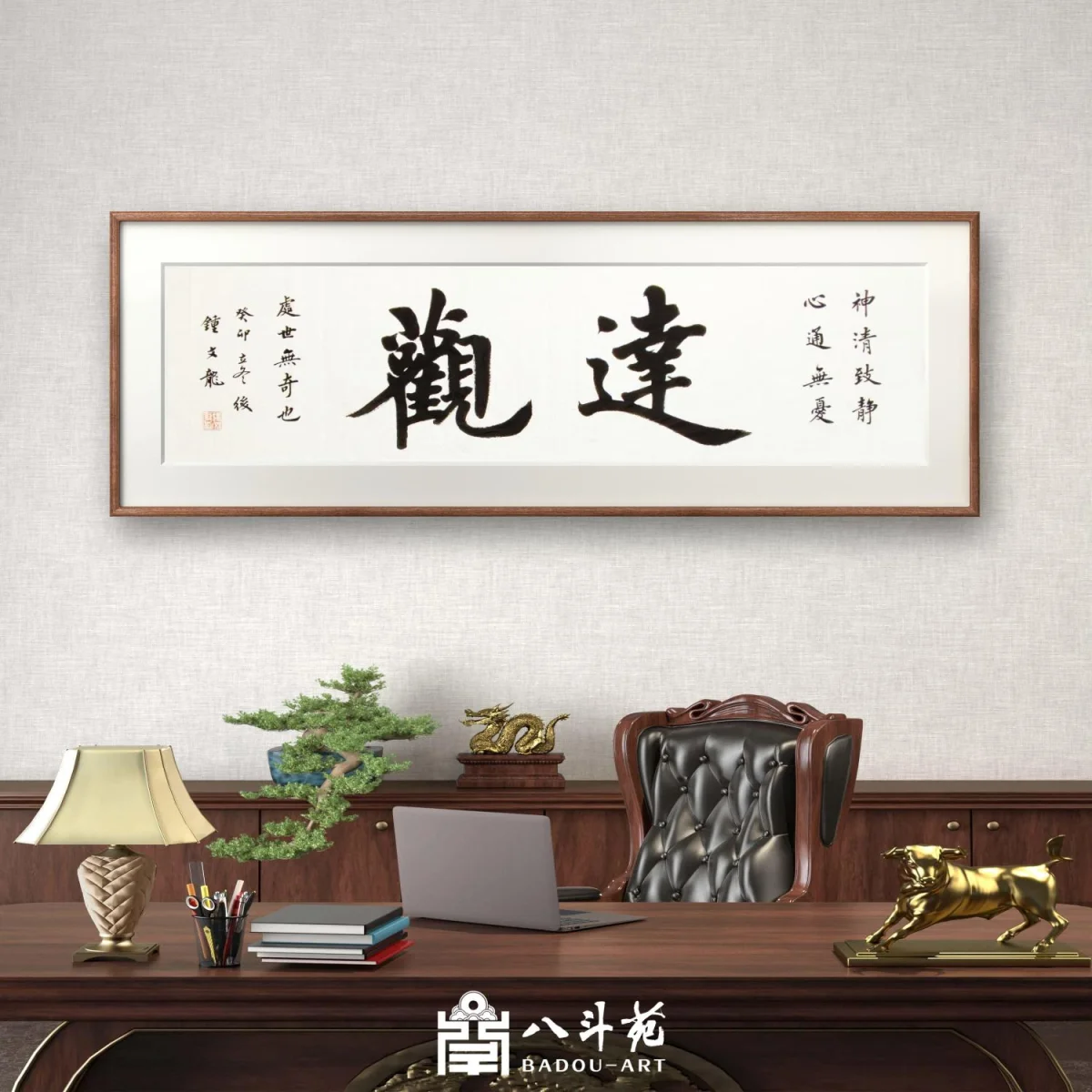
Zhong Wenlong Calligraphy | 达观
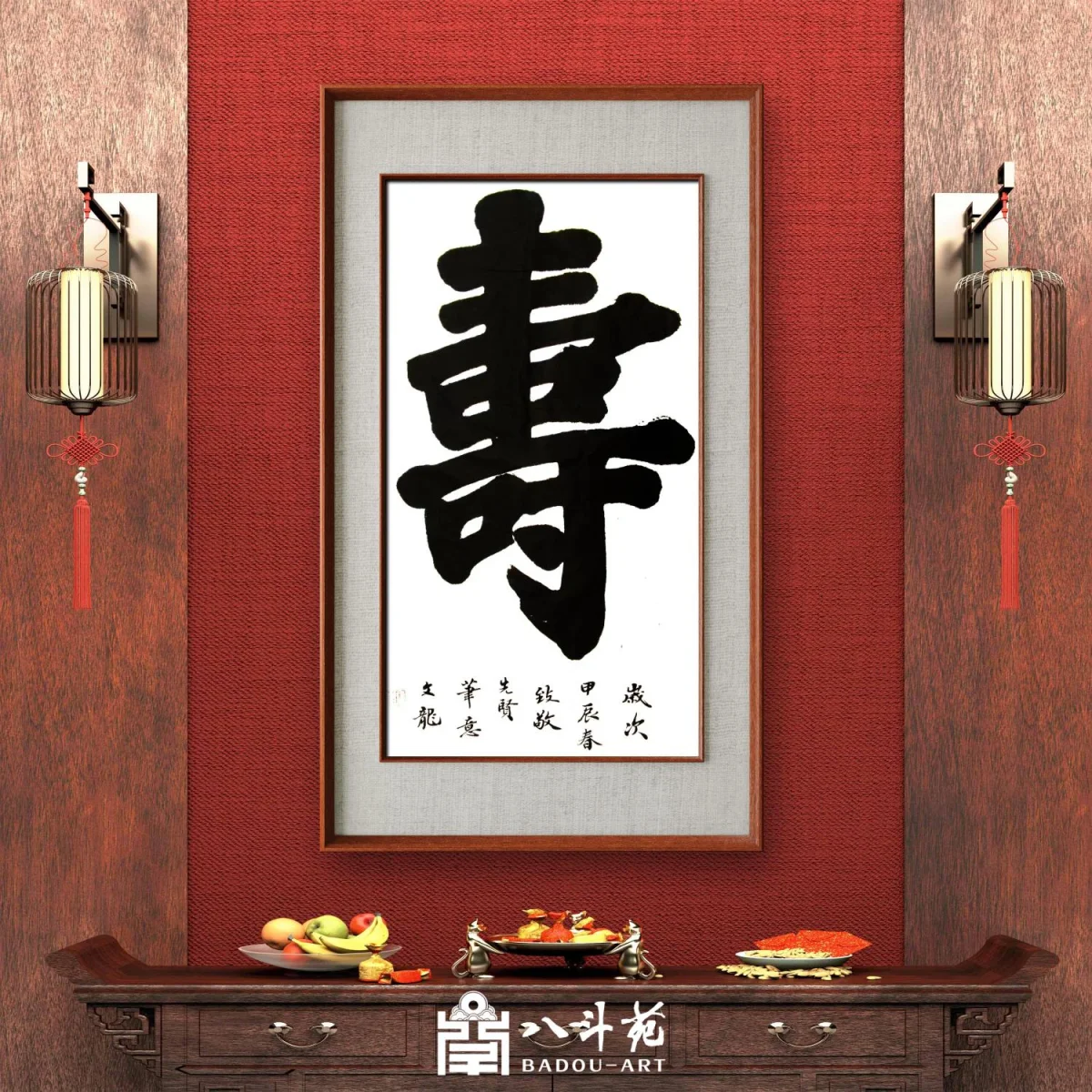
Zhong Wenlong Calligraphy | 壽
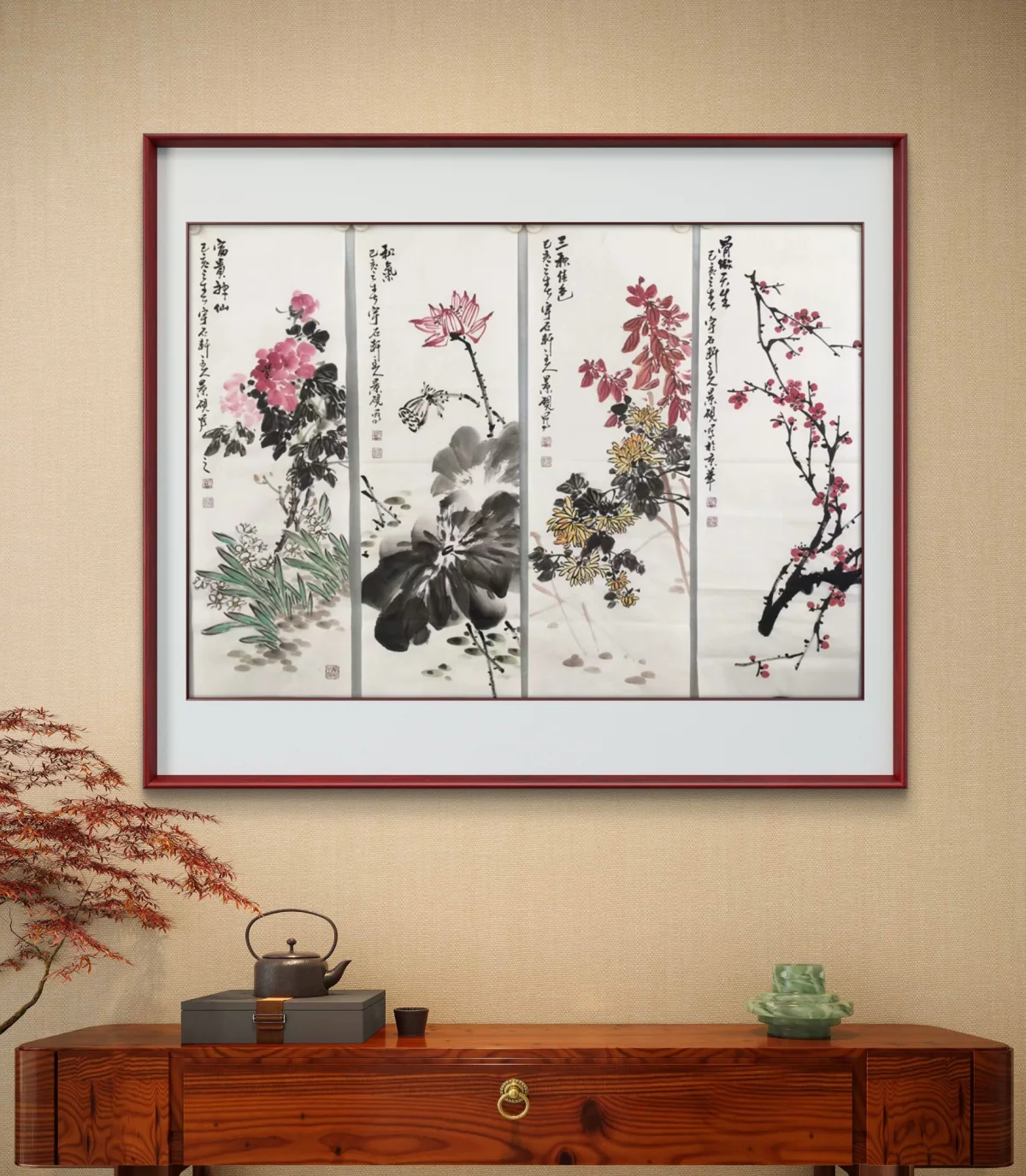
Wu Jingyan Chinese Freehand Painting・Four‑Panel Flower‑and‑Bird Screens(花鸟四条屏)
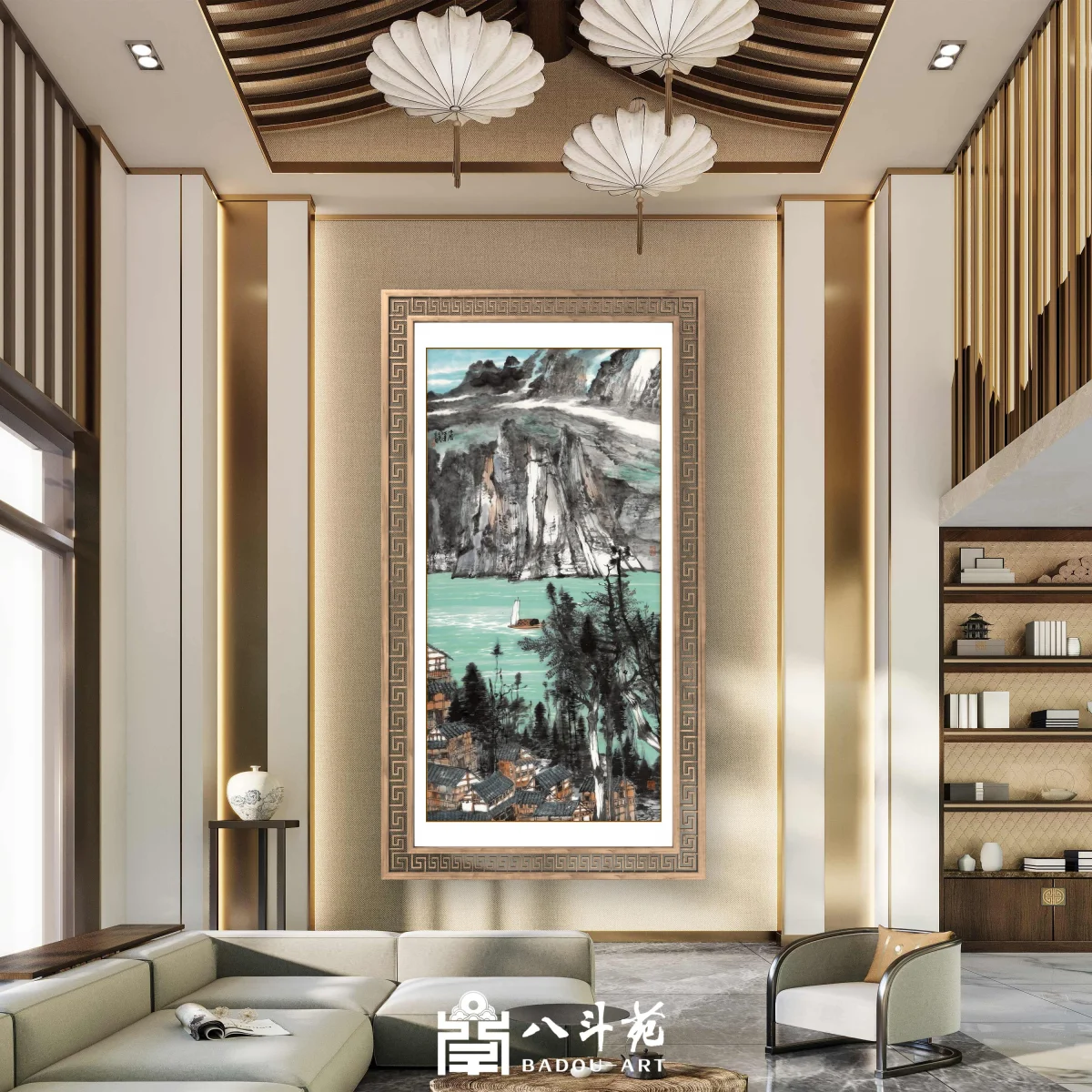
Liu Liyong Landscape Painting | Riverside Mountain Hamlet (山居江远)
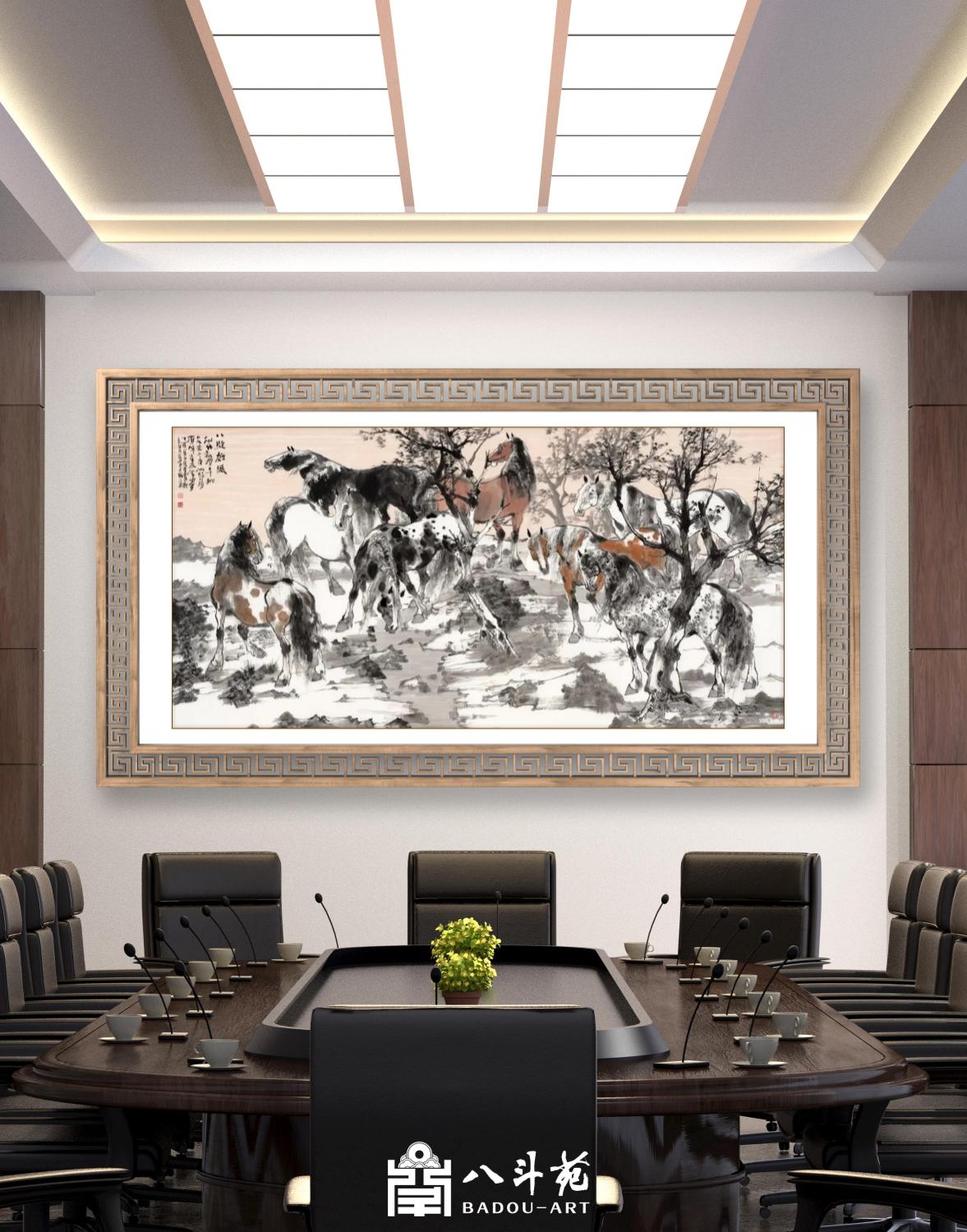
Liu Liyong Animal Painting | Eight Steeds (八骏图)
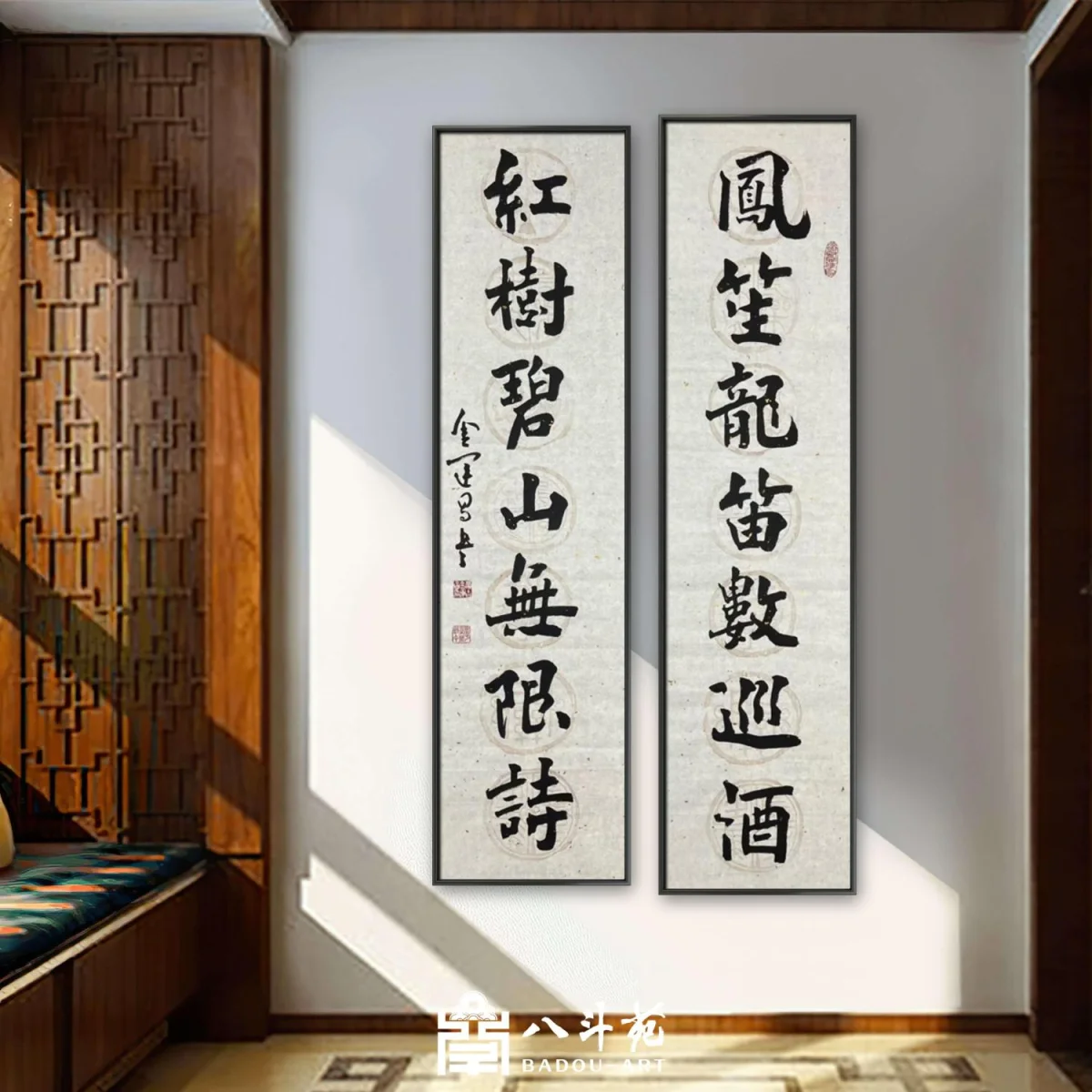
Jin Yunchang Calligraphy | 鳳笙龍笛數巡酒
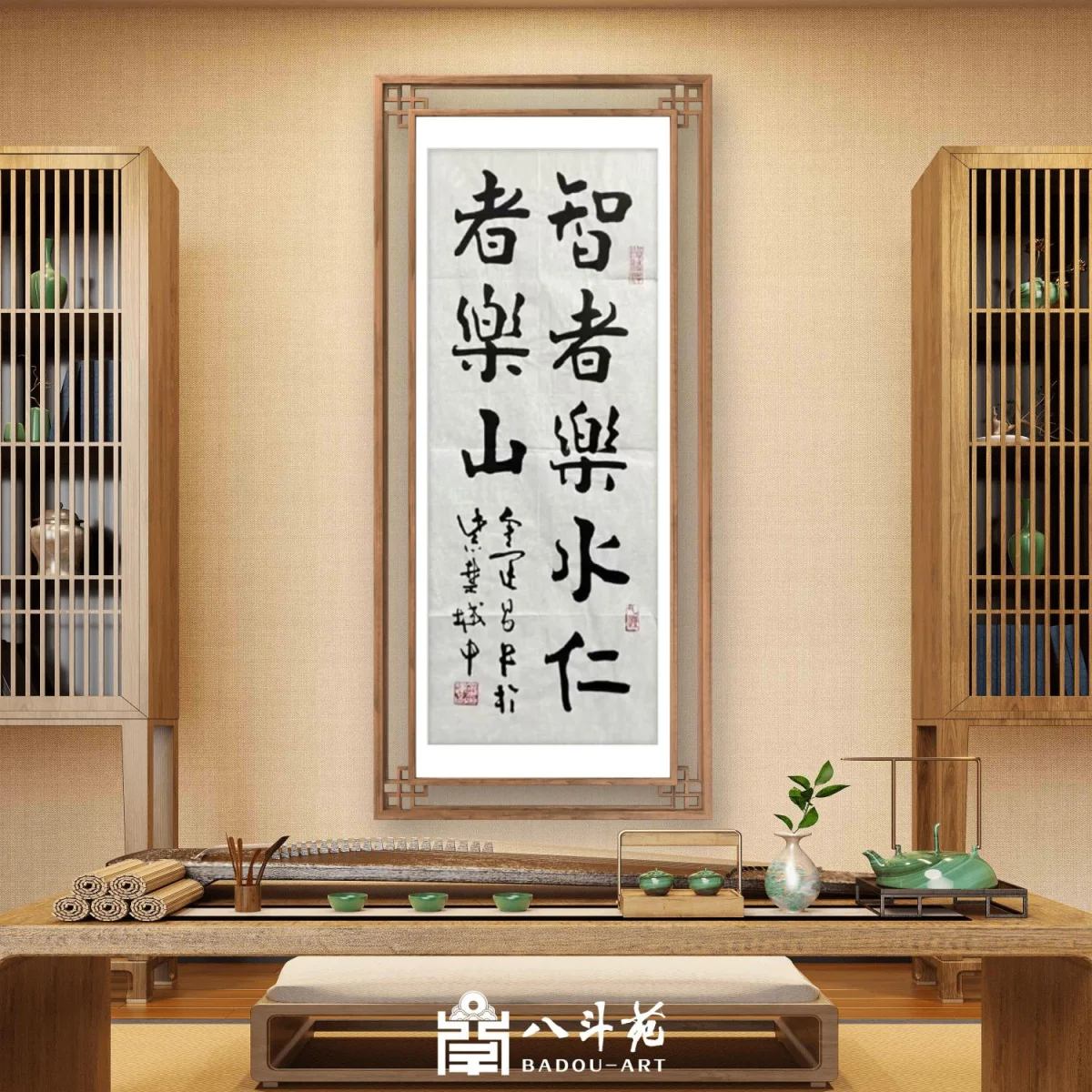
Jin Yunchang Calligraphy | 智者樂水仁者樂山
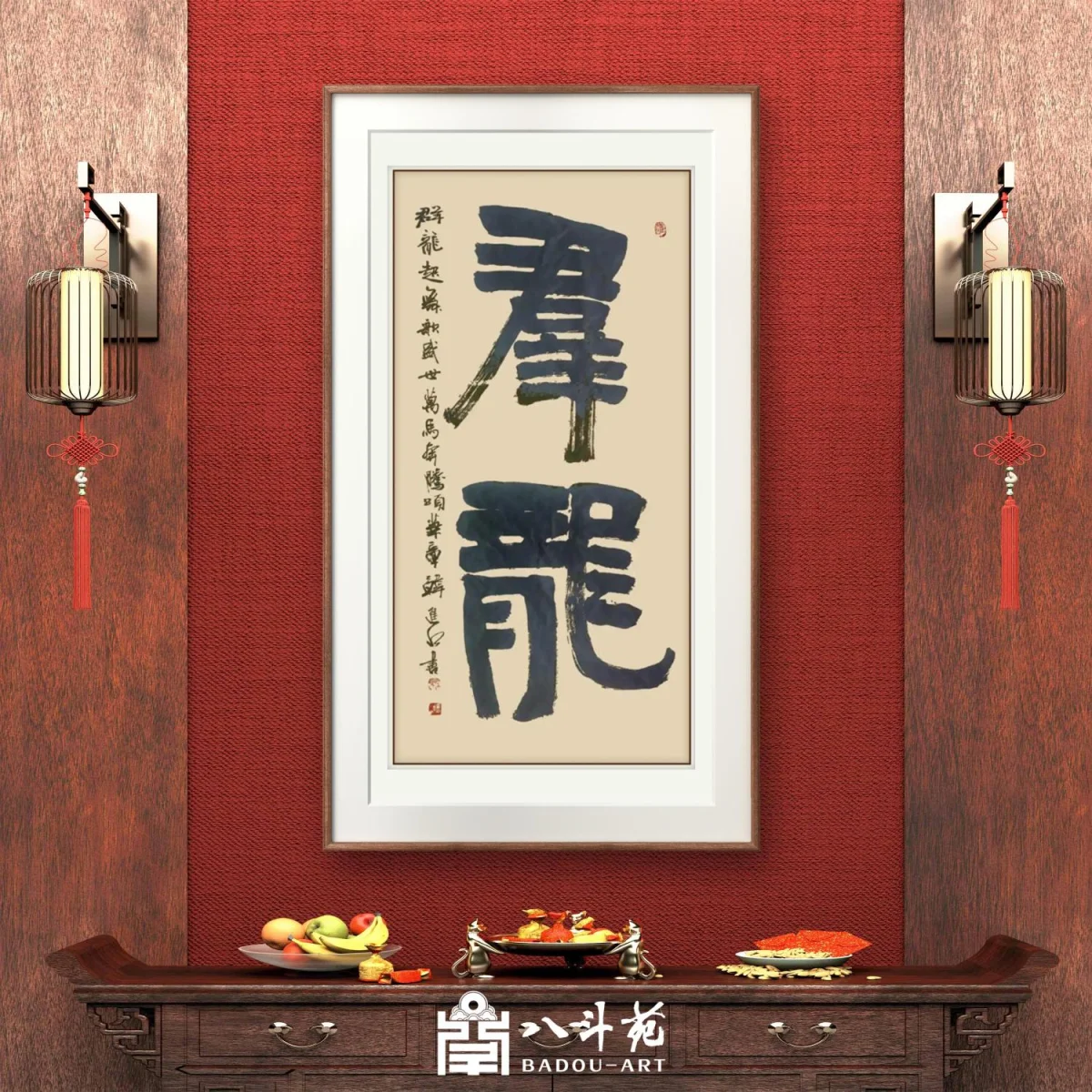
Han Jinshui Calligraphy | 羣龍 (A Group of Dragons)
Eighty-seven Immortals: Xu Beihong’s Legendary Scroll
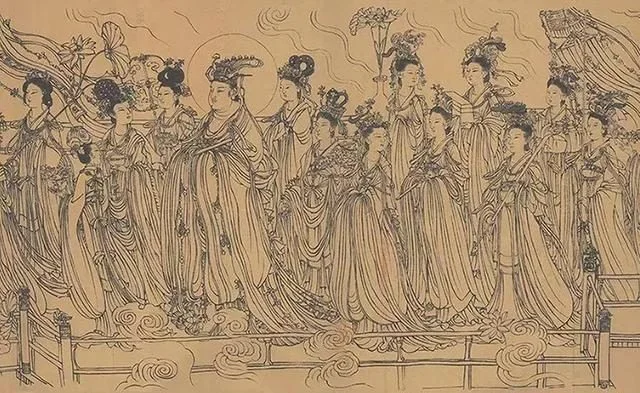
Eighty-seven Immortals: Xu Beihong’s Legendary Scroll
The Eighty-seven Immortals (Bashiqi Shenxian Juan) is one of China’s greatest surviving paintings — a Tang dynasty masterpiece of ink outline drawing that its owner, the artist Xu Beihong, sealed with a stamp reading “Beihong’s Life.” It was bought for a fortune, stolen in wartime, bought back for a bigger fortune, and finally given to the nation. Here is its story.
A Discovery in Hong Kong
In the spring of 1937, Xu Beihong (徐悲鸿) was exhibiting in Hong Kong when the writer Xu Dishan introduced him to a German woman, Mrs. Martin, who owned an old scroll. The moment he unrolled it, Xu was electrified. The work shows a procession of 87 immortals — sages, golden boys, jade maidens, and divine generals — advancing to worship the Three Pure Ones, the highest deities of Daoism. Executed in baimiao (outline) technique on dark brown silk, the 292 × 30 cm scroll bears no signature, but Xu judged it a masterpiece of Tang dynasty art.
He offered his last 10,000 yuan in cash; the owner hesitated, so he added seven of his own paintings. The deal was made. Xu called the purchase “the happiest thing I have ever done” and sealed the scroll with a stamp reading “Beihong shengming” — Beihong’s life — together with an inscription of joy.
Authentication by the Masters
Xu invited the leading connoisseurs of the day to examine it. Zhang Daqian, the great painter who had spent years studying the Dunhuang murals, compared the work with the Chaoyuan Xianzhang Tu, a Song dynasty temple sketch owned by a Japanese collector, and concluded that the Eighty-seven Immortals was the finer painting — bold, noble, and powerful — and very likely the original by Wu Daozi (吴道子), the celebrated Tang master. Xie Zhiliu agreed, finding in it the true character of Sui-Tang mural painting.
Xu himself listed four reasons the scroll was priceless:
- Consummate brushwork: meticulous, flawless line throughout
- Rarity of subject: most ancient figure paintings show Buddhist stories; Daoist processions are far fewer
- The Japanese-owned Song version appears to derive from this very work
- No surviving ancient painting contains more figures in greater variety of pose
Stolen in Wartime
On May 10, 1942, while Xu was organizing works at Yunnan University in Kunming, air-raid sirens sounded. When he returned, the scroll and more than 30 other works were gone. Xu fell gravely ill with grief. Two years later, a student located the painting; the holder demanded 200,000 silver dollars plus 20 of Xu’s own works. Xu accepted without hesitation, working day and night to complete the paintings.
Given to the Nation
When the scroll came home, Xu’s seal and inscription had been cut away — but the painting itself was unharmed. He kept it with him for the rest of his life. After his death in September 1953, his widow Liao Jingwen carried out his wish, donating more than 1,000 of his works, over 1,000 collected masterpieces, and some 10,000 books to the state — including the scroll he had twice bought with everything he had.
In 2018, at the centennial exhibition of the Central Academy of Fine Arts, the legendary work was shown in full to the public for the first time, ending a decade in storage. Today it ranks with Zhang Zeduan’s Along the River During the Qingming Festival among the highest achievements of Chinese painting — a tribute to one man’s devotion, and to the collectors who keep such treasures alive.
If you are drawn to this tradition of fine line drawing, Badou Art’s specialists can help you commission a work in the same spirit.
Source: https://www.cntizi.com/3568.html