Our Featured Collection
Hand‑picked premium works for you
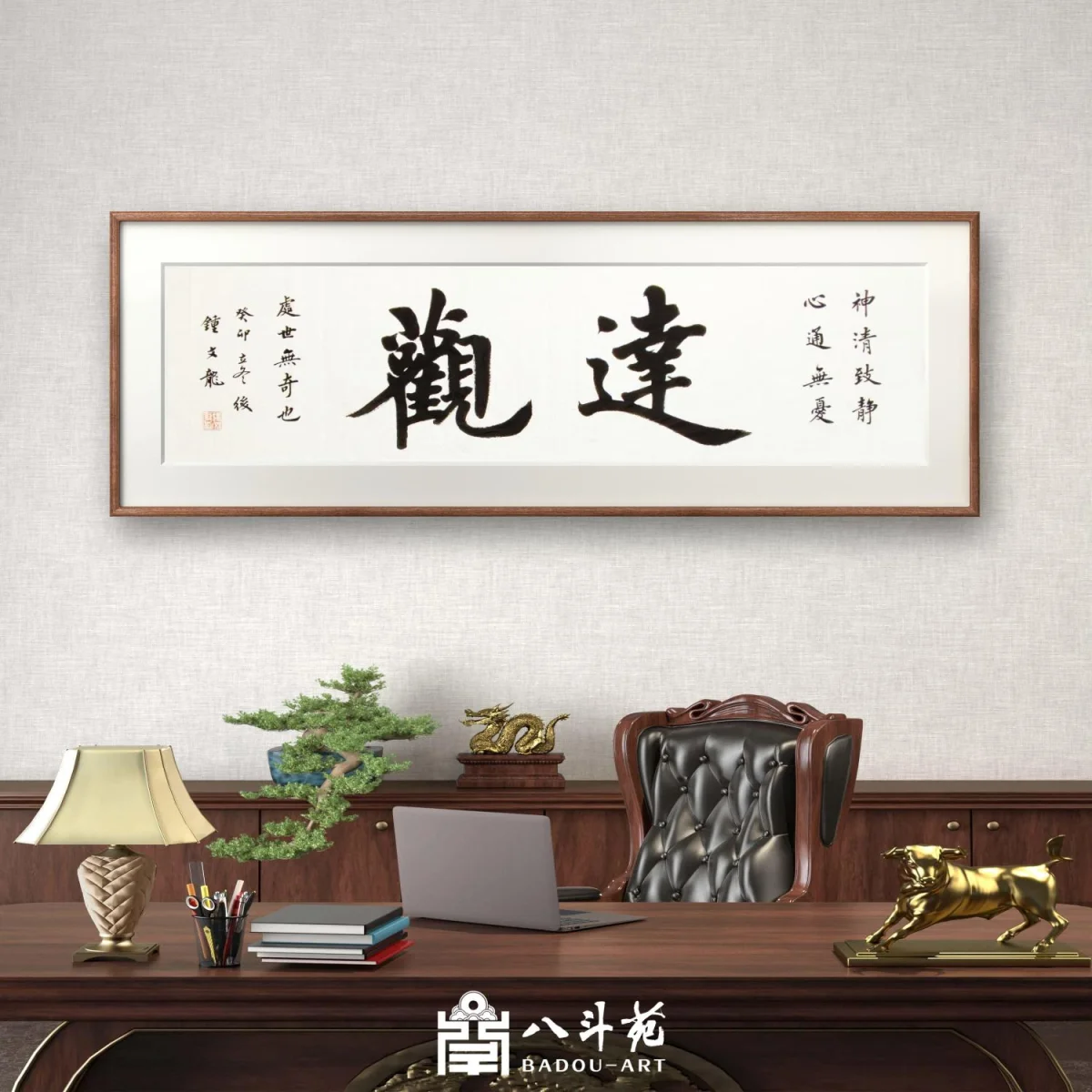
Zhong Wenlong Calligraphy | 达观
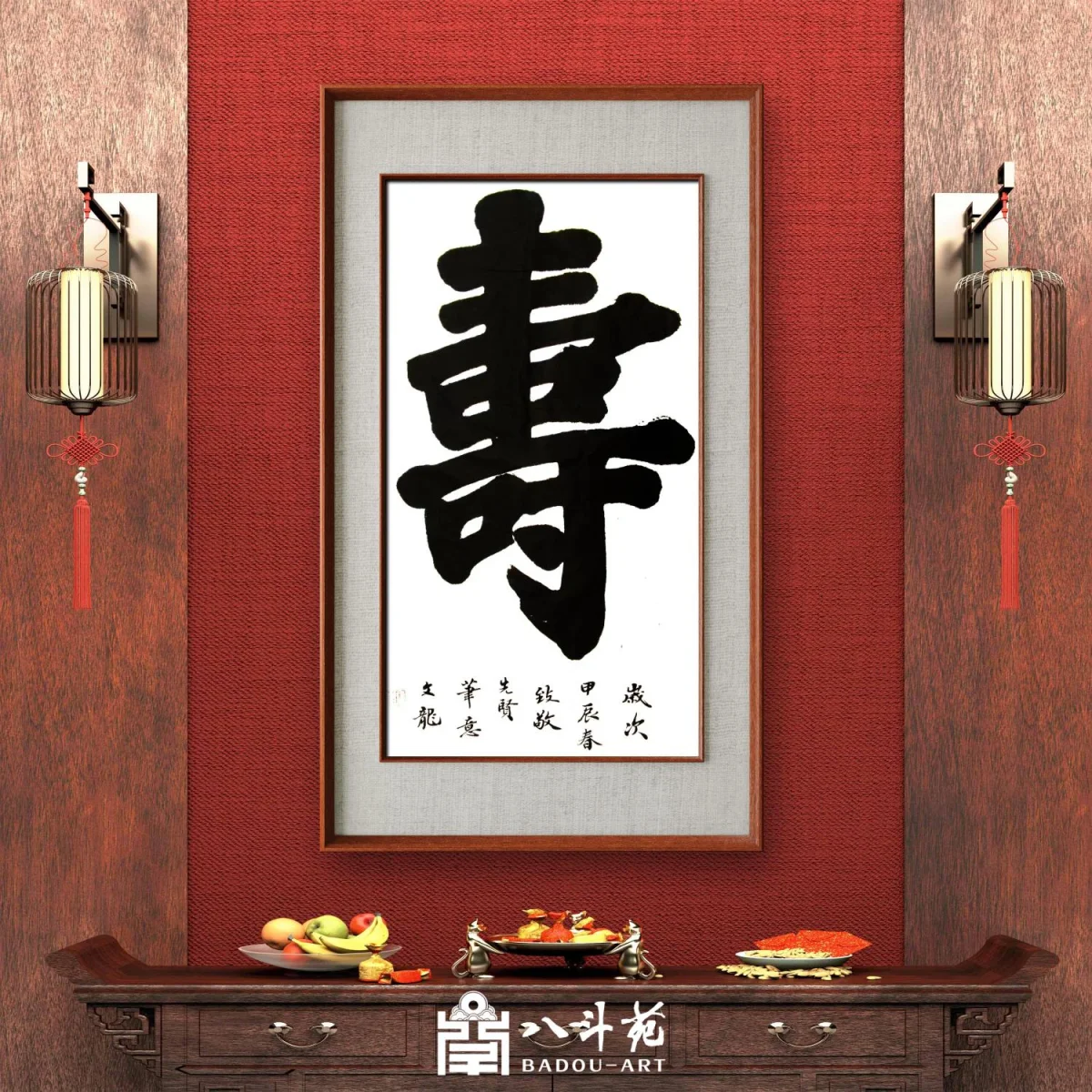
Zhong Wenlong Calligraphy | 壽
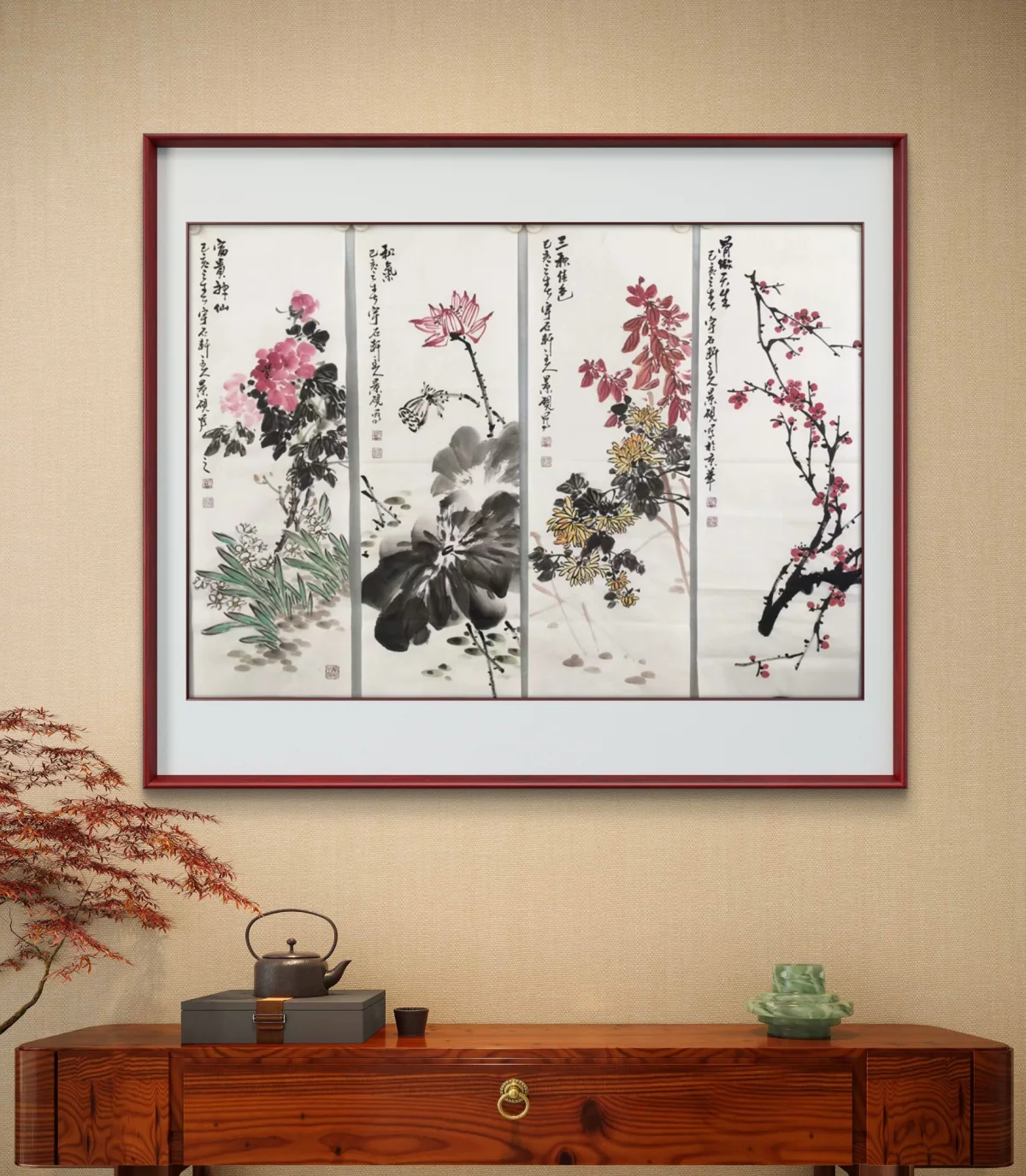
Wu Jingyan Chinese Freehand Painting・Four‑Panel Flower‑and‑Bird Screens(花鸟四条屏)
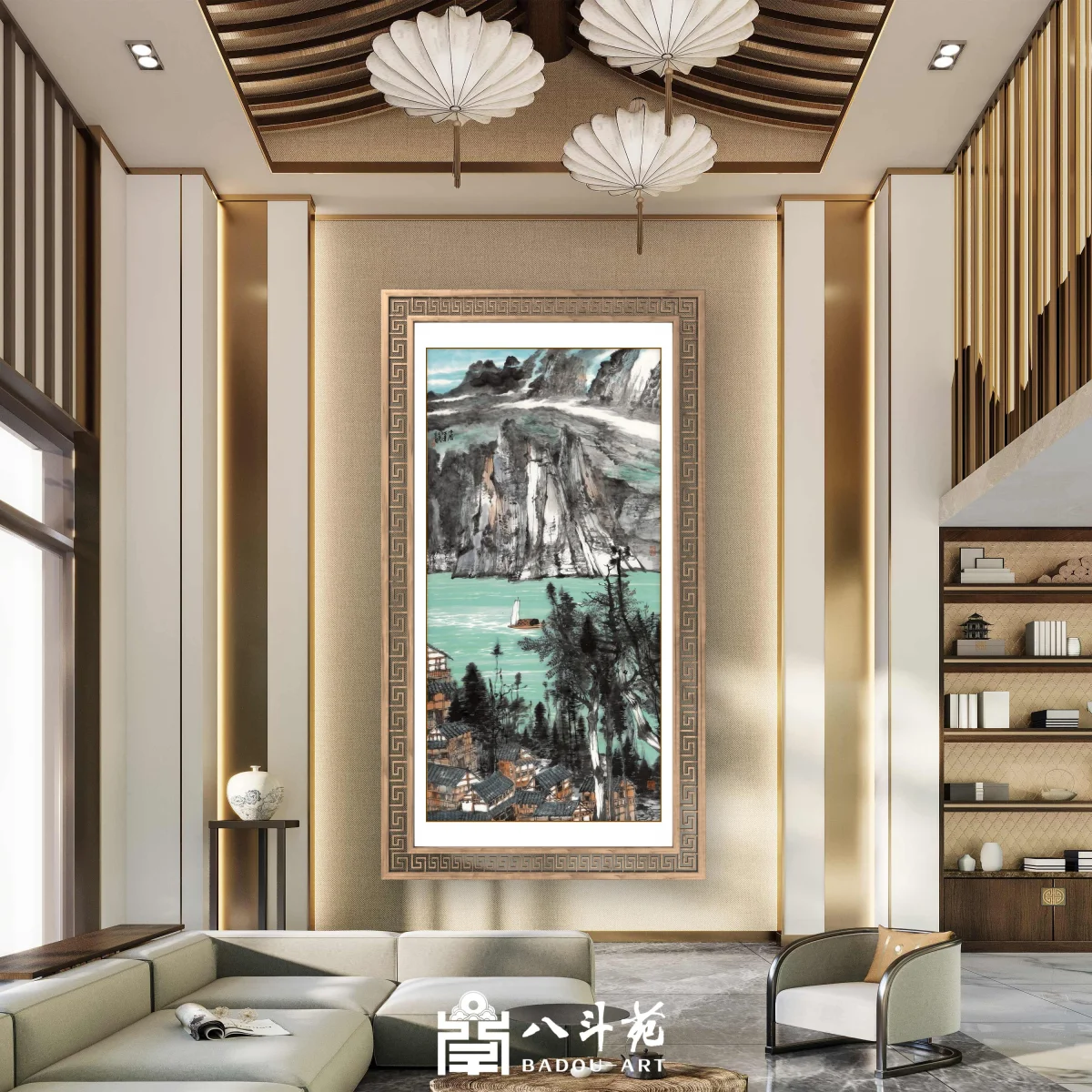
Liu Liyong Landscape Painting | Riverside Mountain Hamlet (山居江远)
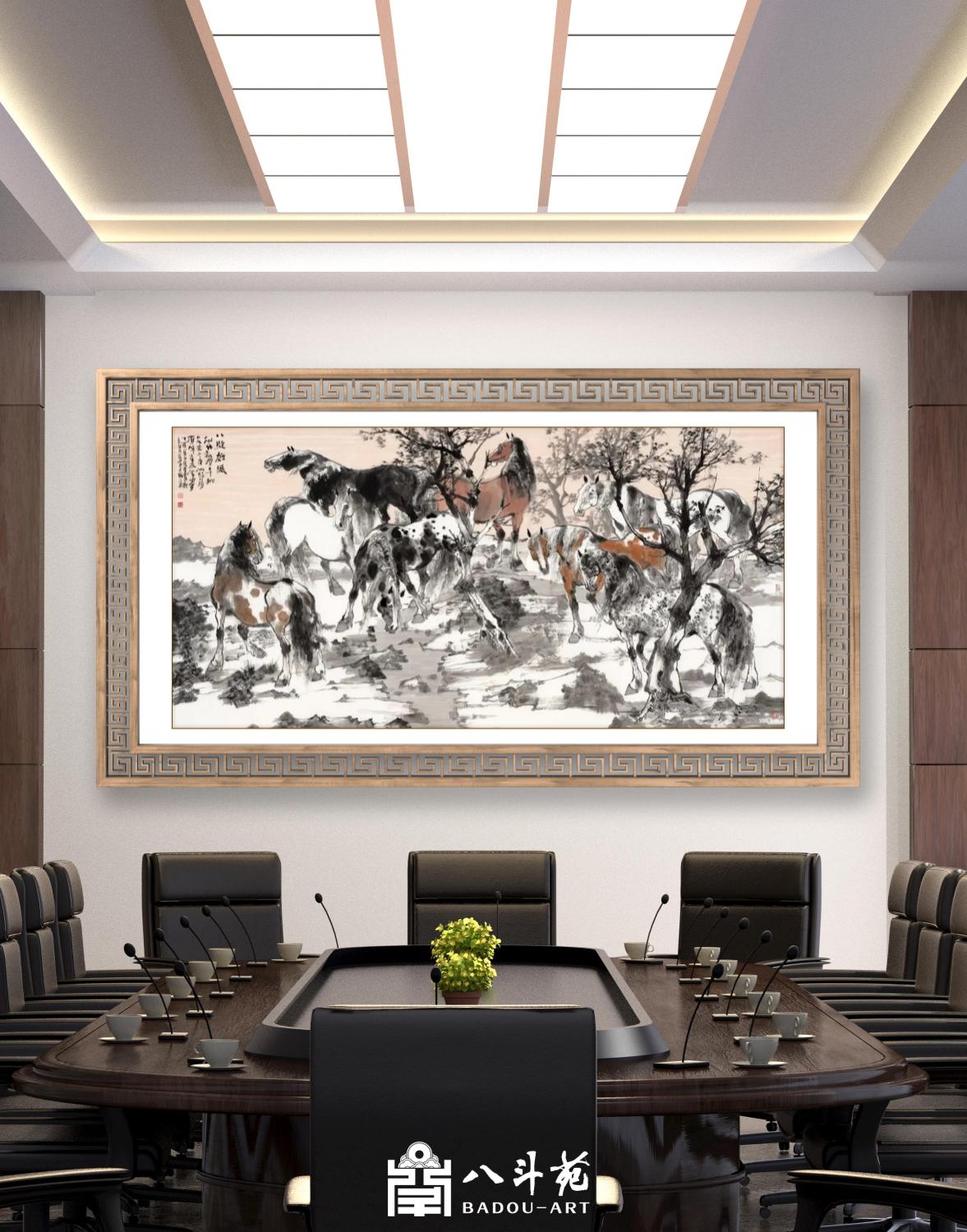
Liu Liyong Animal Painting | Eight Steeds (八骏图)
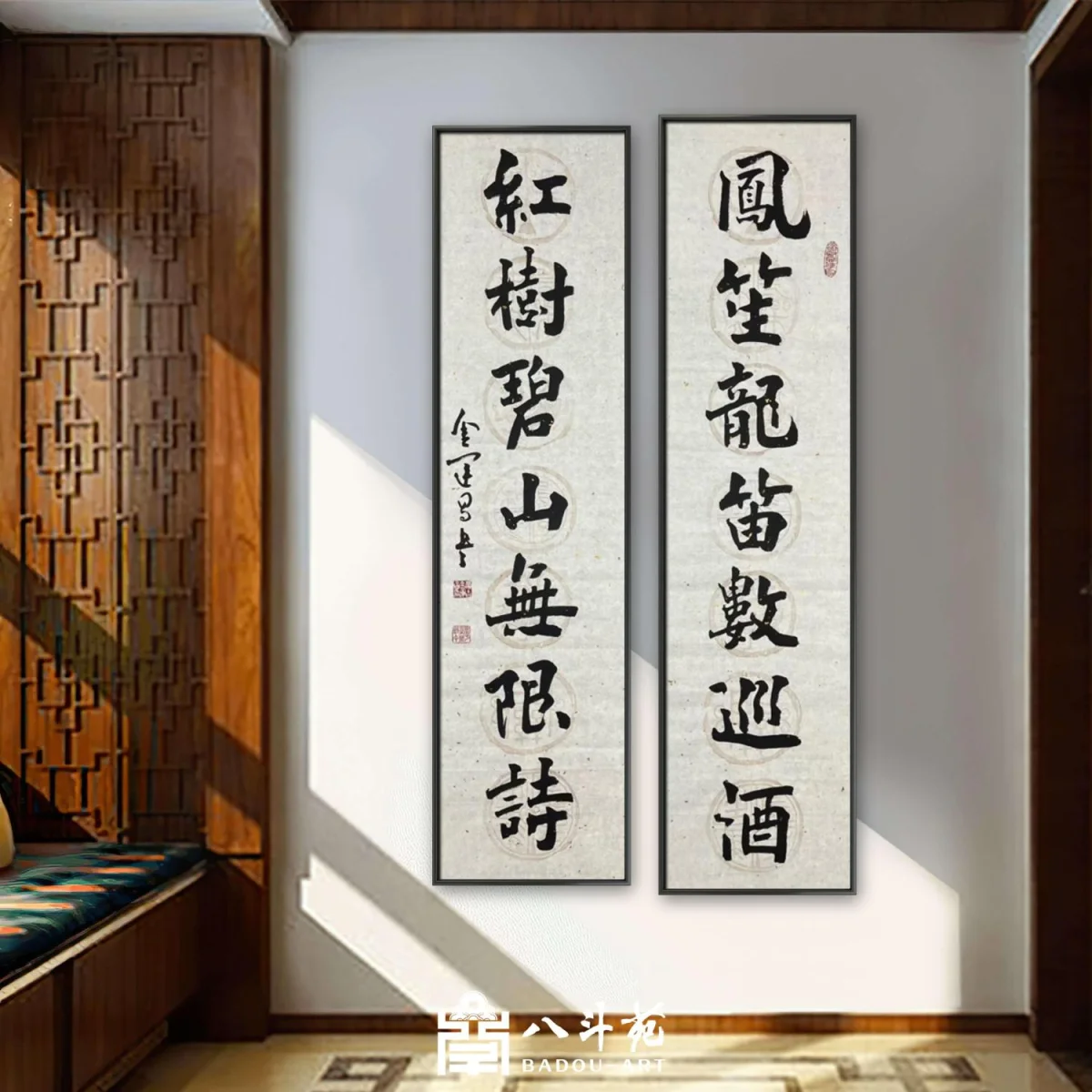
Jin Yunchang Calligraphy | 鳳笙龍笛數巡酒
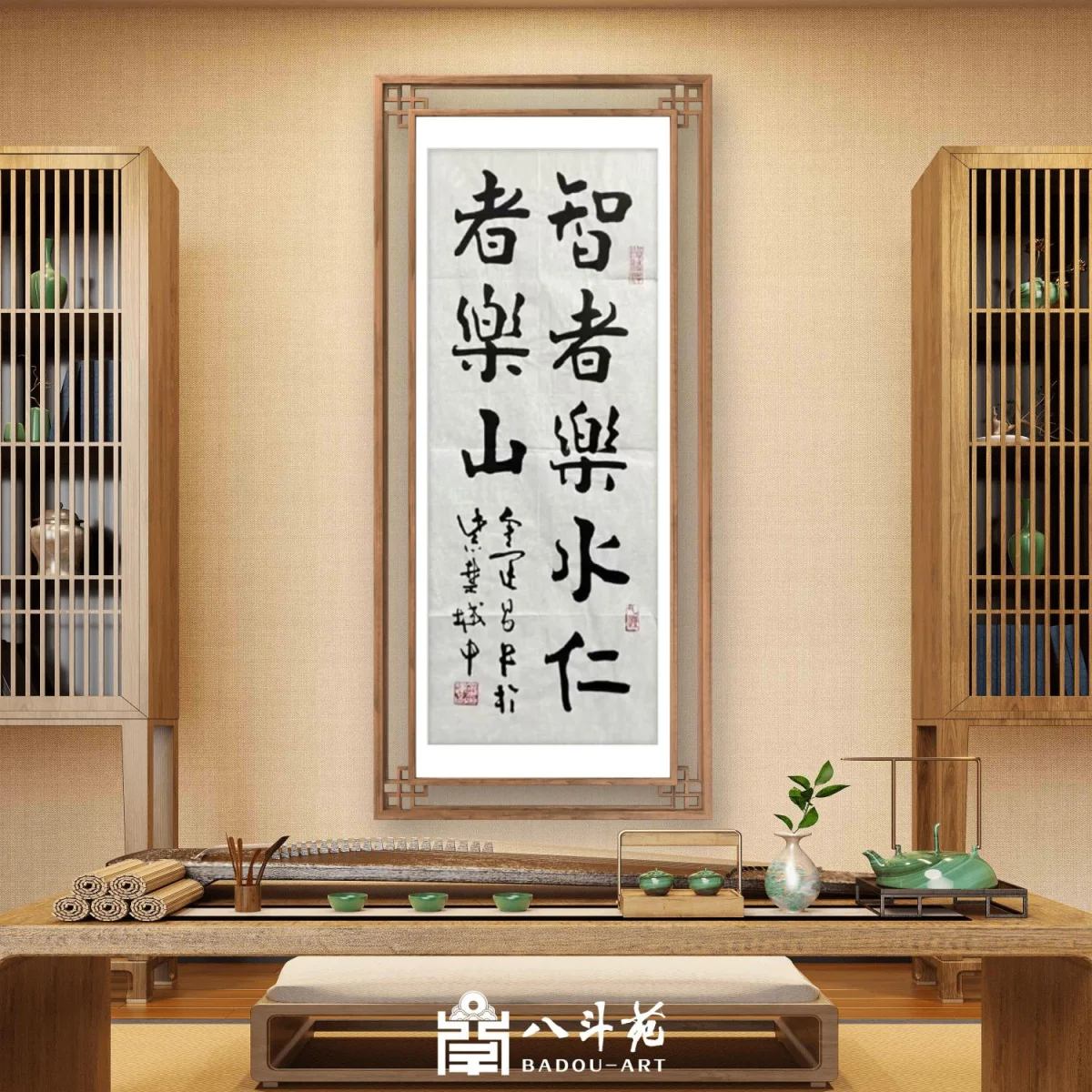
Jin Yunchang Calligraphy | 智者樂水仁者樂山
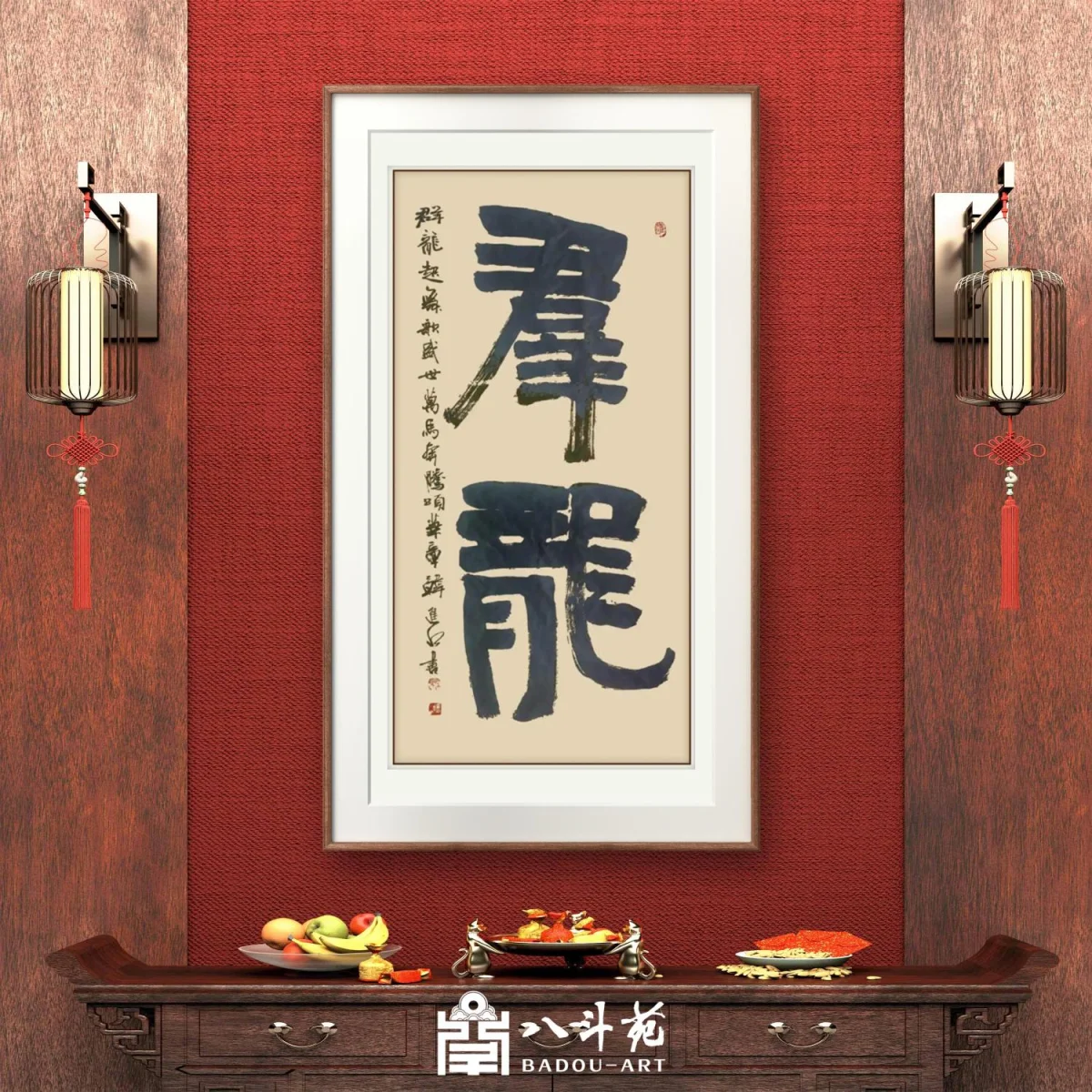
Han Jinshui Calligraphy | 羣龍 (A Group of Dragons)
Four Legendary Chinese Art Houses: 100 Years of Heritage
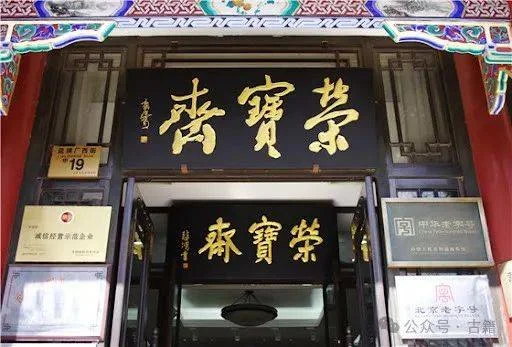
Four Legendary Chinese Art Houses: 100 Years of Heritage
For more than a century, four institutions have anchored China’s art world: Shizhuzhai in Nanjing, Rongbaozhai in Beijing, Duoyunxuan in Shanghai, and Xiling Seal Society in Hangzhou. Part gallery, part auction house, part publisher, each has preserved ancient techniques, championed modern masters, and shaped how Chinese art is bought and sold. Here is their story.
Nanjing Shizhuzhai: Inventor of Color Woodblock Printing
Shizhuzhai (“Ten Bamboo Studio”) dates from the Wanli era of the Ming dynasty (1573–1620) — nearly 400 years ago. Its founder Hu Zhengyan, a native of Xiuning who settled in Nanjing, left his post in the imperial secretariat to devote himself to art. In his studio he invented two woodblock printing techniques — “douban” (dotted-block color printing) and “gonghua” (embossed printing) — and published the celebrated “Ten Bamboo Studio Painting and Calligraphy Manual” and “Ten Bamboo Studio Letter Paper Album,” becoming the founder of Chinese watercolor printmaking.
Revived in 1962 and state-owned since 2013, Shizhuzhai now spans an art institution, a publisher, and a museum. Its 2024 auctions achieved a 90% sell-through rate, with highlights including a Ming blue-and-white brush pot and Qian Songyan’s “Pine and Cloud over Huangshan.”
Beijing Rongbaozhai: A 350-Year Calligraphy Legend
Rongbaozhai traces its roots to Songzhu Zhai, a stationery shop founded in 1672 on Beijing’s Liulichang culture street. When Songzhu Zhai closed in 1893, its former apprentice Zhuang Huchen founded Rongbaozhai, renamed in 1894 with the motto “meet friends through culture; treasure honor and reputation.” Nationalized in 1952, it remains a state cultural enterprise today.
Over three centuries, Rongbaozhai championed the giants of modern Chinese painting — Qi Baishi, Zhang Daqian, and Xu Beihong among them — and it is still a first stop for collectors. Its 2024 autumn auction saw Qi Baishi’s “Golden Autumn Vegetables and Fruits” sell for RMB 32.2 million.
Shanghai Duoyunxuan: Pearl of the Shanghai Art Scene
Duoyunxuan was founded in 1900 by Ding Jianxing, a cotton merchant with a deep love of art, as a shop for letter papers and folding fans. Nationalized after 1949, it registered mainland China’s first art auction company in 1992 and became an independent group in 2009. The house is equally famous for traditional hand mounting and restoration of paintings.
Its 2024 autumn sale offered more than 1,600 lots across 13 sessions; a dedicated session of letters between the scholars Wang Guowei and Luo Zhenyu sold out completely at RMB 8.34 million.
Hangzhou Xiling Seal Society: Sanctuary of Seal Art
Founded in 1904 by the Zhejiang-school seal carvers Ding Fuzhi, Wang Fu’an, Wu Yin, and Ye Weiming — with Wu Changshuo (1844–1927) as its first president — Xiling Seal Society is the world’s oldest and most influential society devoted to seal carving, guided by the motto “preserve epigraphy, study seal art, and embrace calligraphy and painting.”
Its 20th-anniversary autumn auction in 2024 closed at RMB 1.024 billion with an 82.7% sell-through rate, including Xu Wei’s monumental late ink painting “Ink Flowers, Eight Sections” at RMB 29.9 million.
A Living Legacy
Each house has its own character: Shizhuzhai’s printmaking heritage, Rongbaozhai’s painterly alliances, Duoyunxuan’s Shanghai sophistication, and Xiling’s scholarly devotion to seals. Together they show how China’s art institutions have adapted — from imperial-era studios to modern auction powerhouses — while keeping tradition at the core.
If you would like to commission calligraphy or painting in the spirit of these great houses, Badou Art’s artists are ready to help.