Our Featured Collection
Hand‑picked premium works for you
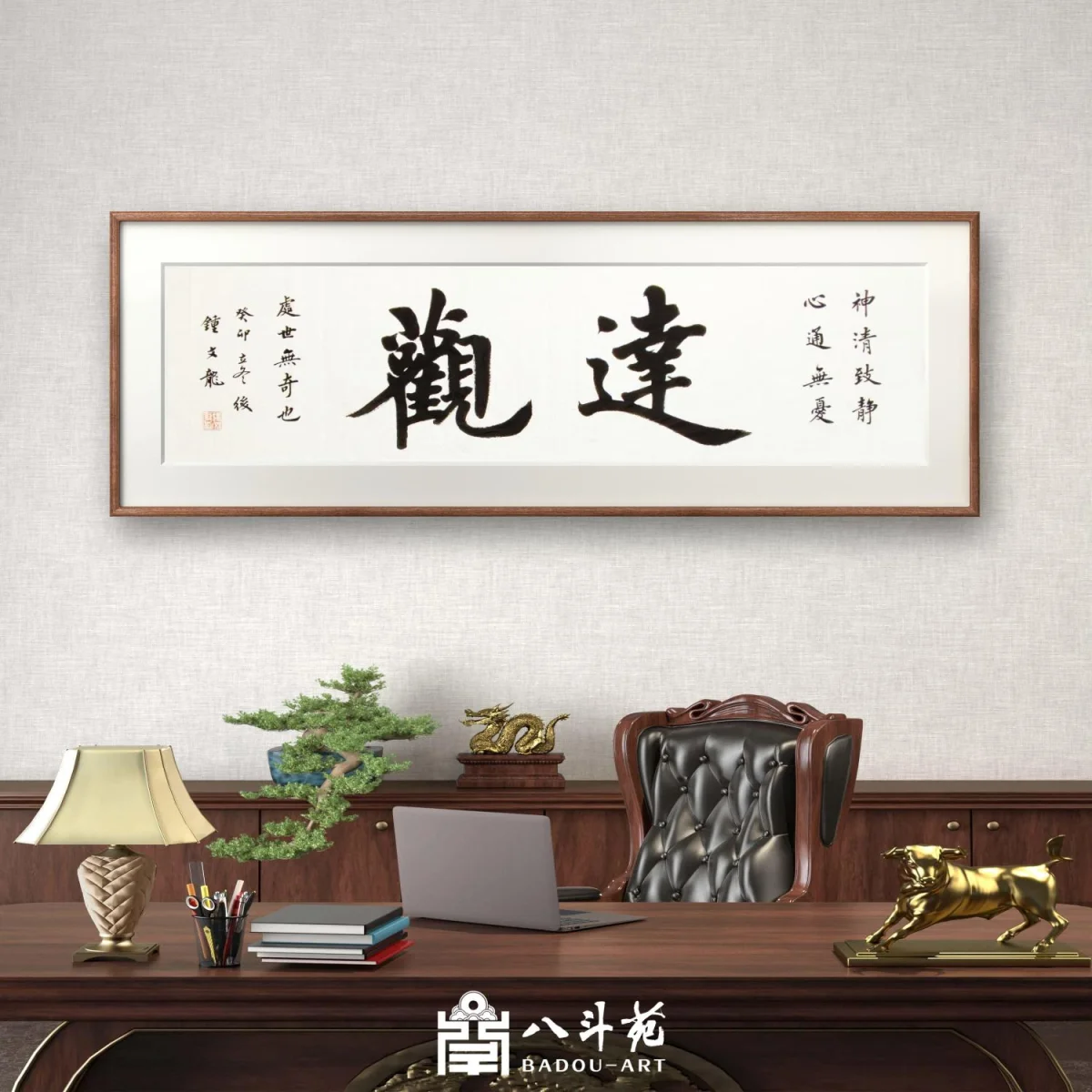
Zhong Wenlong Calligraphy | 达观
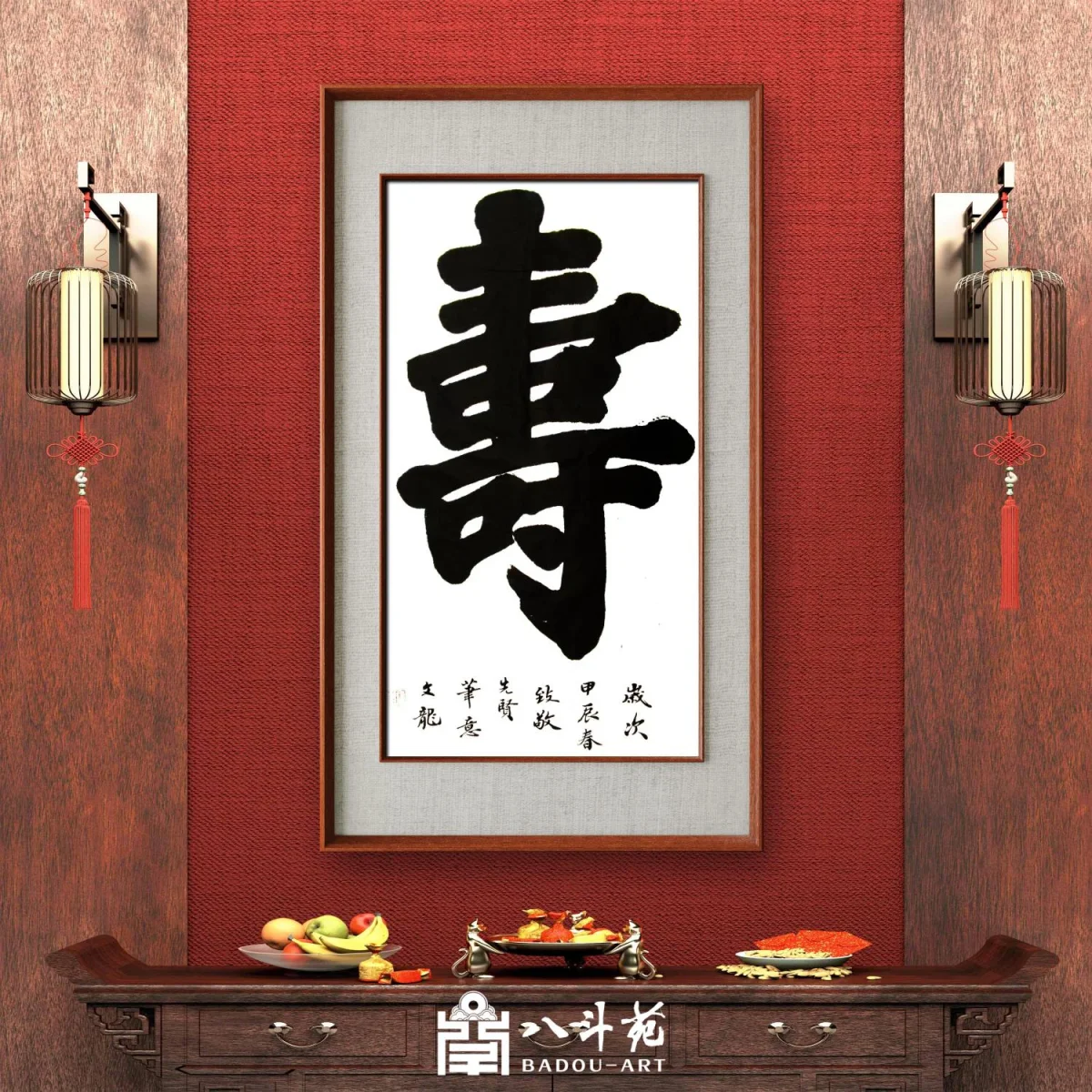
Zhong Wenlong Calligraphy | 壽
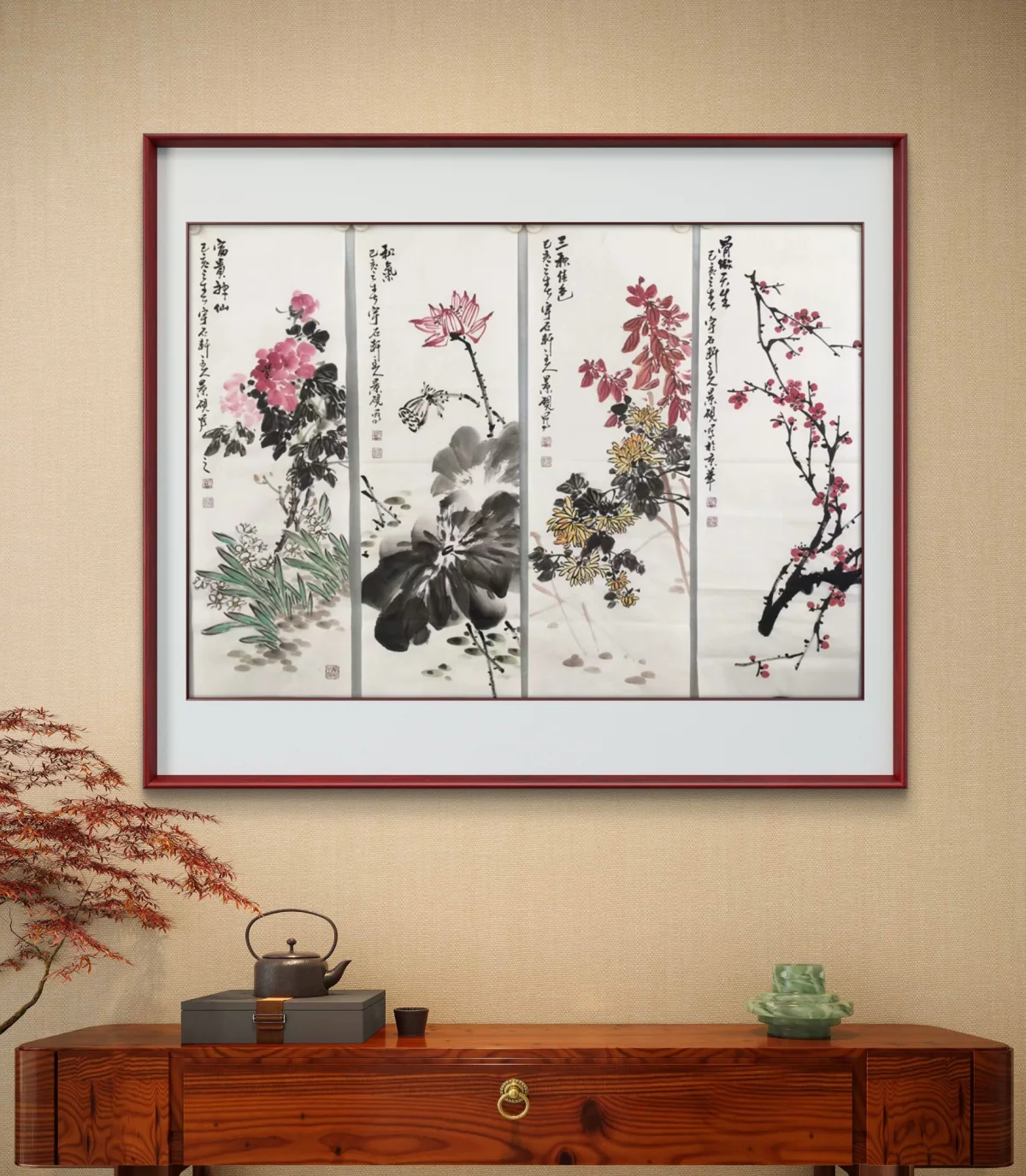
Wu Jingyan Chinese Freehand Painting・Four‑Panel Flower‑and‑Bird Screens(花鸟四条屏)
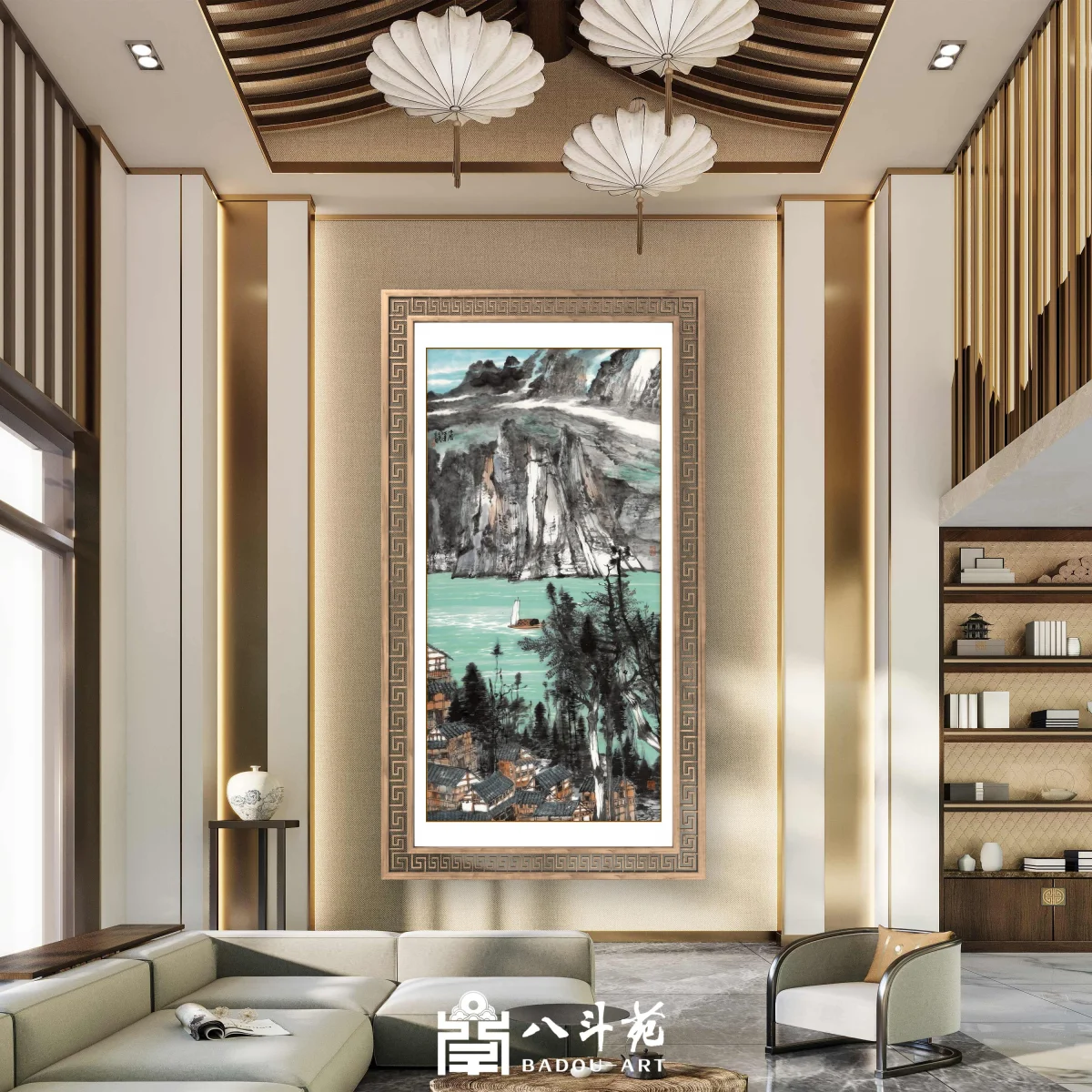
Liu Liyong Landscape Painting | Riverside Mountain Hamlet (山居江远)
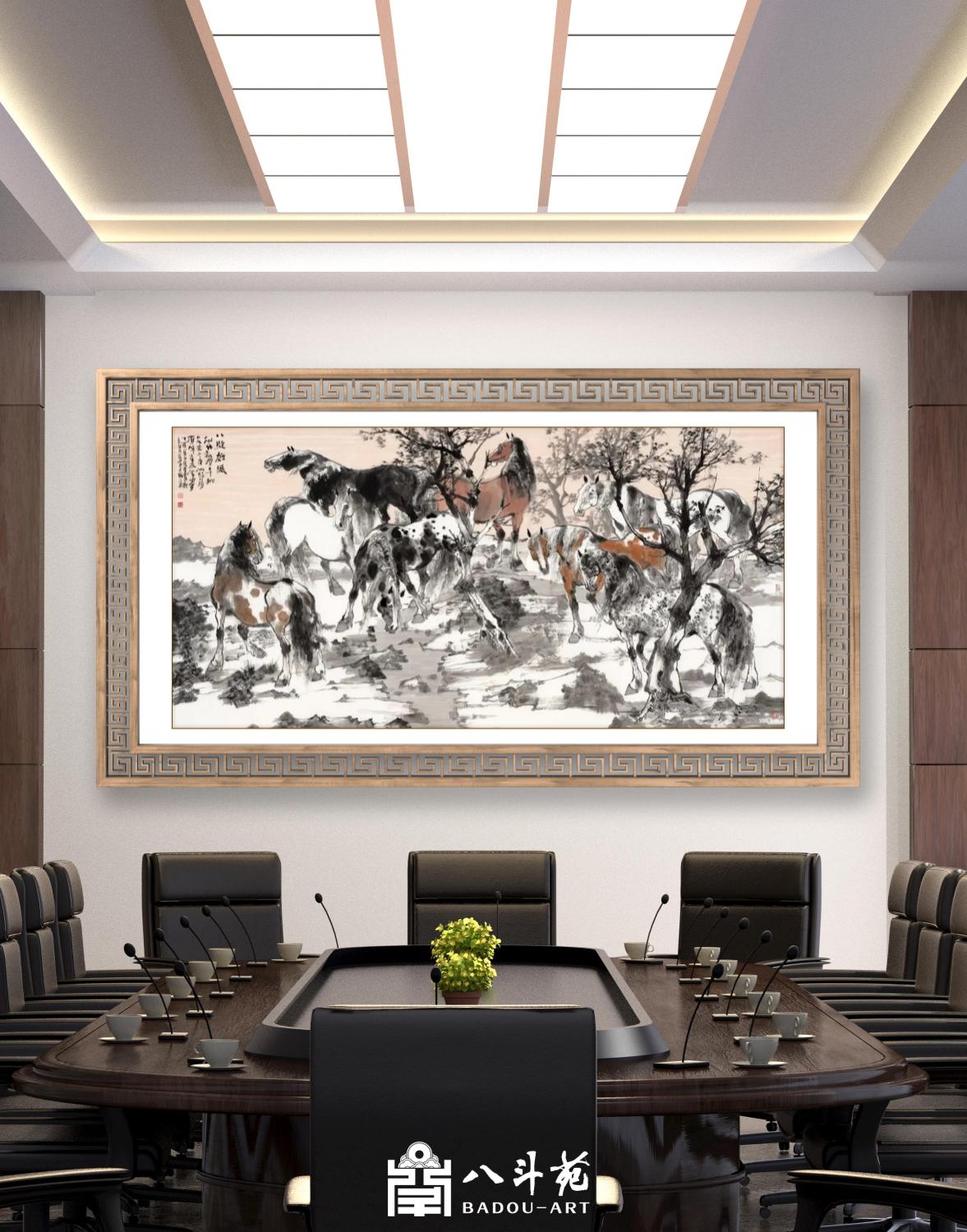
Liu Liyong Animal Painting | Eight Steeds (八骏图)
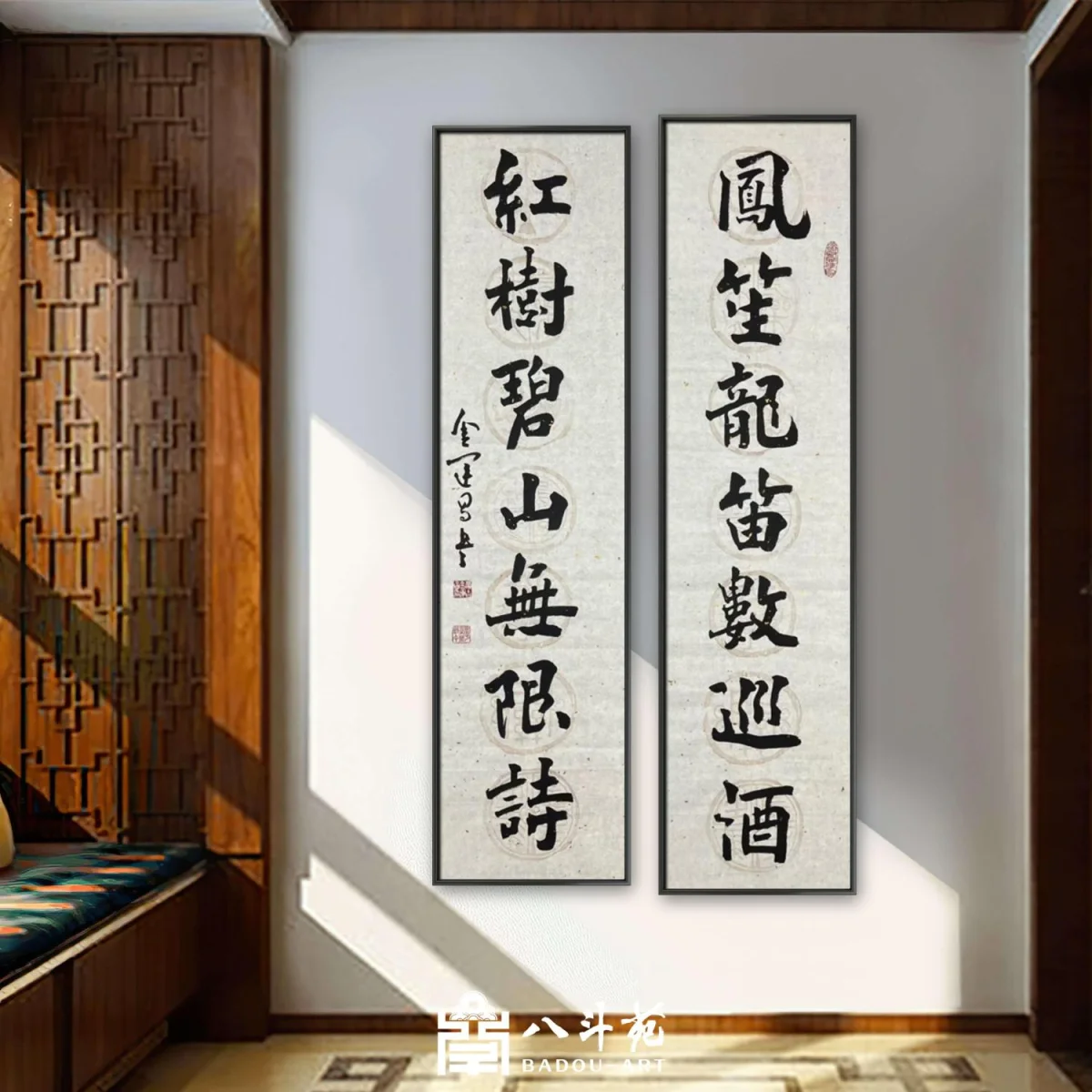
Jin Yunchang Calligraphy | 鳳笙龍笛數巡酒
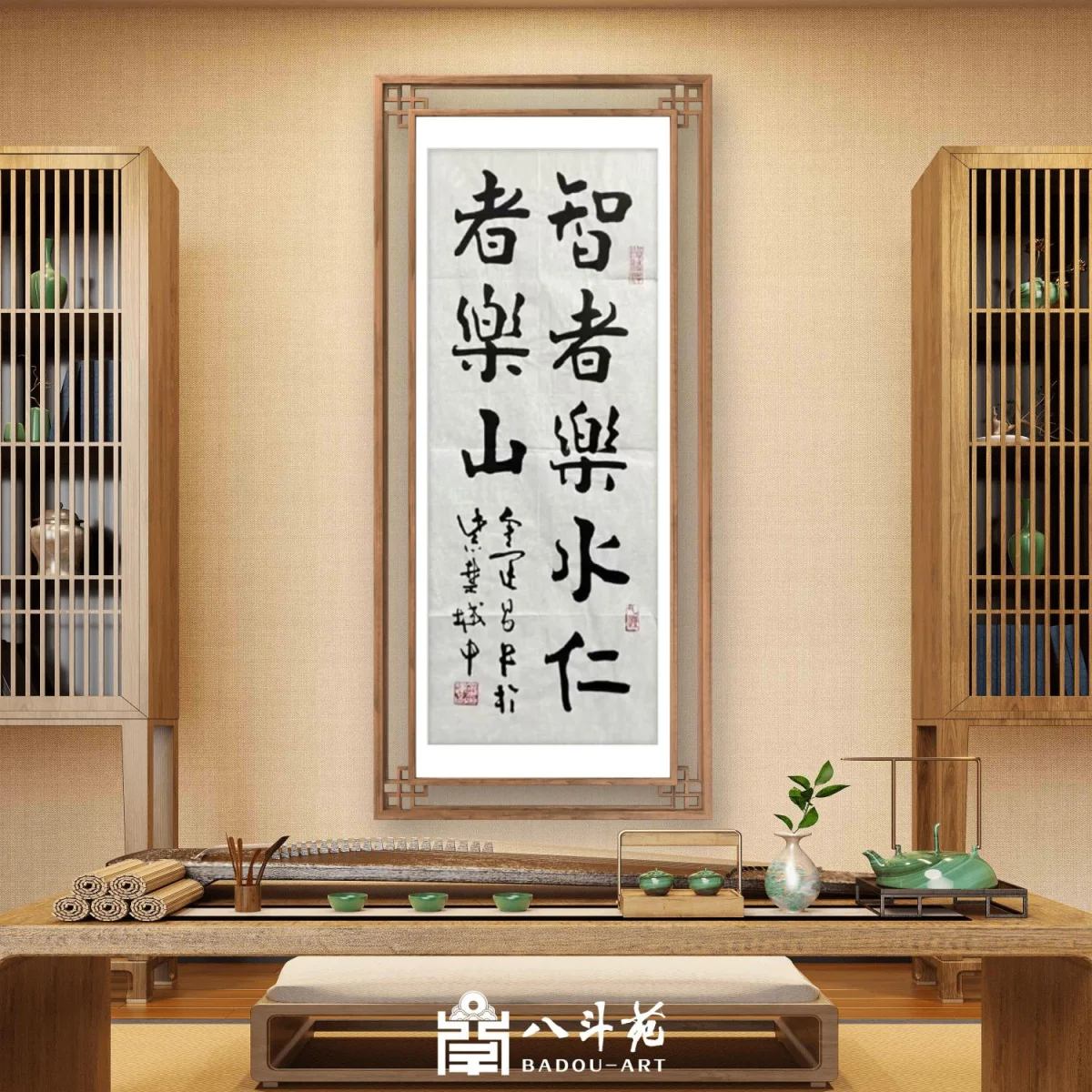
Jin Yunchang Calligraphy | 智者樂水仁者樂山
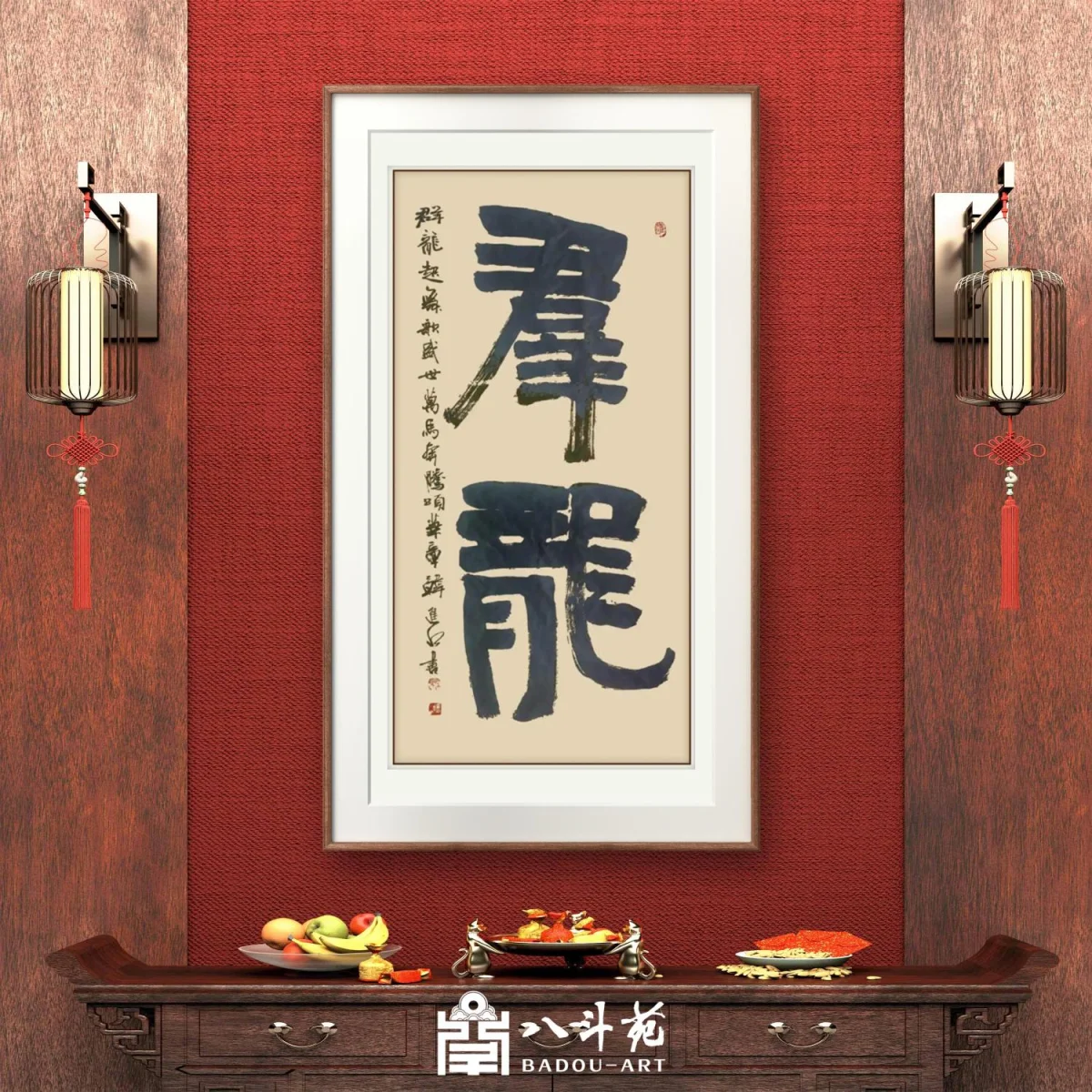
Han Jinshui Calligraphy | 羣龍 (A Group of Dragons)
Tag: Chinese calligraphy
Wang Xizhi: The Sage of Chinese Calligraphy and His Legacy
Wang Xizhi: The Sage of Chinese Calligraphy and His Legacy Wang Xizhi (c. 303–361) is the most celebrated calligrapher in Chinese history, honored as the “Sage of Calligraphy.” His mastery of every script type, his invention of a personal brush manner, and his fusion of poise and freedom set a standard that has shaped calligraphy
What Is Calligraphy? More Than Beautiful Writing
What Is Calligraphy? More Than Beautiful Writing Ask ten people what calligraphy is and you may get ten different answers. Even among China’s calligraphy professionals, there is no single accepted definition — and that is normal, because the question “what is calligraphy?” is one no one can answer for you. This article, distilled from talks
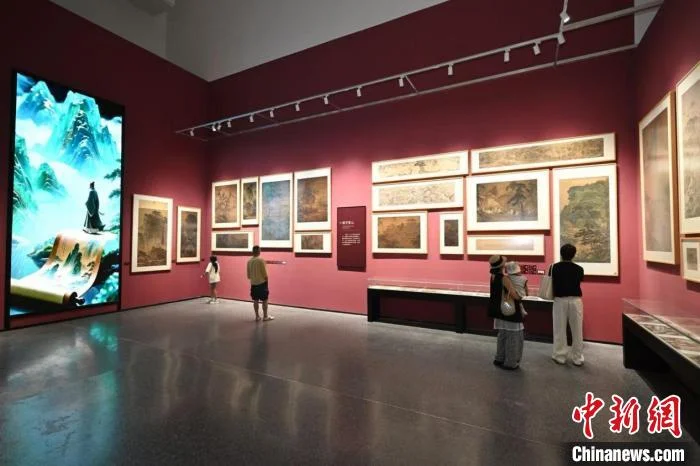
How Chinese Calligraphy Is Going Global: Paths and Progress
How Chinese Calligraphy Is Going Global: Paths and Progress Chinese calligraphy — the art of writing characters with brush and ink — is one of the most recognizable faces of Chinese culture. In recent decades it has traveled far beyond East Asia: Chinese cultural analysts report that calligraphy has surpassed Peking opera as the traditional
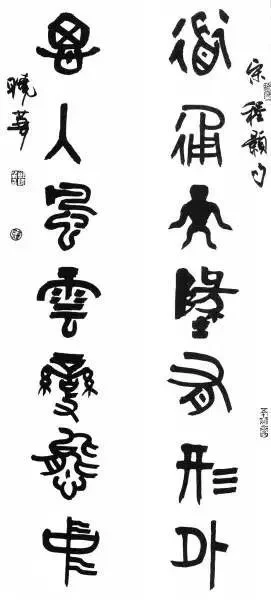
Why Calligraphy Is China’s Greatest Art Form, Explained
Why Calligraphy Is China’s Greatest Art Form, Explained Is calligraphy a craft or an art? By Western standards, the question is debatable; by Chinese standards, it is not. As the scholar Zheng Xiaohua (郑晓华) argues, calligraphy is China’s first great art. Zheng — vice dean of the School of Arts at Renmin University of China
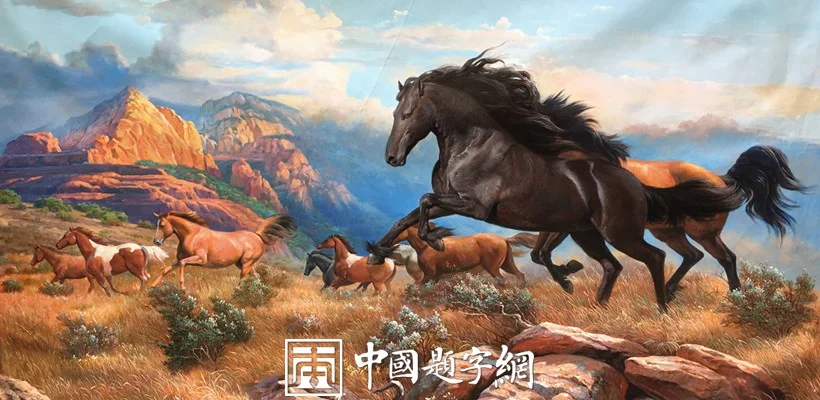
Chinese Calligraphy & Paintings: How to Decorate a Room
Chinese Calligraphy & Paintings: How to Decorate a Room Hanging Chinese calligraphy and paintings at home does more than decorate: traditional belief holds that it nourishes an air of refinement and quiet elegance. Over the centuries, however, clear conventions developed — about auspicious subjects, feng shui (the art of harmonizing a space’s energy), and even
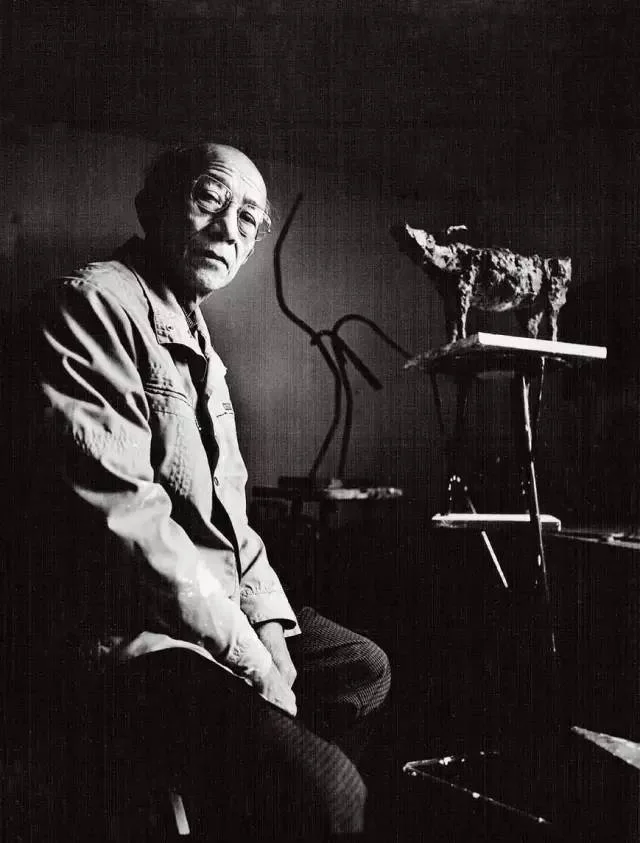
Why Calligraphy Is the Core of Chinese Culture
Why Calligraphy Is the Core of Chinese Culture “Chinese calligraphy is the core of the core of Chinese culture.” No sentence about the art is quoted more often. Its author, Xiong Bingming (熊秉明), was a philosopher, poet, sculptor, and calligrapher who spent more than fifty years in France after studying philosophy at the Sorbonne and
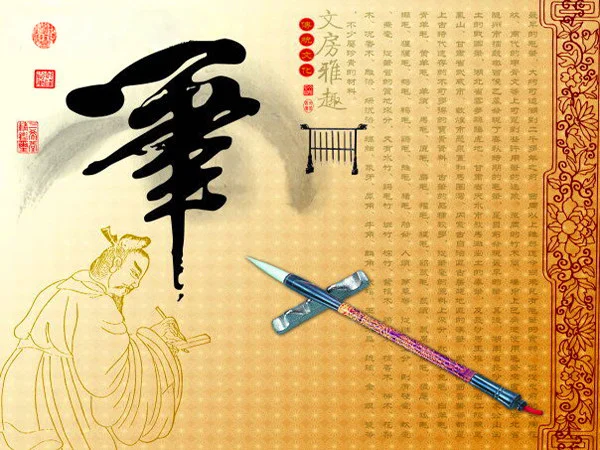
Four Treasures of the Study: Brush, Ink, Paper, Inkstone
Four Treasures of the Study: Brush, Ink, Paper, Inkstone For more than a thousand years, Chinese scholars, painters, and calligraphers have worked with four essential tools: the brush, ink, paper, and inkstone — together known as the Four Treasures of the Study (wenfang sibao). The name dates to the Northern and Southern Dynasties (420–589), when
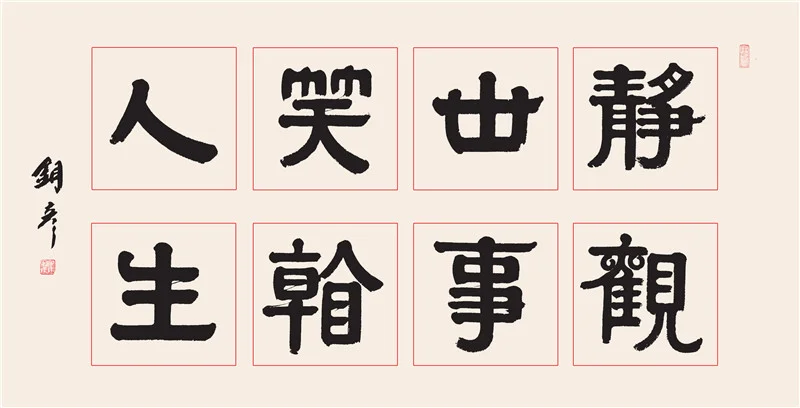
5 Benefits of Hanging Chinese Calligraphy and Art at Home
5 Benefits of Hanging Chinese Calligraphy and Art at Home Once reserved for palaces and scholars’ studios, Chinese calligraphy and ink paintings now hang in homes around the world. A well-chosen scroll does more than decorate: it changes the feeling of a room and even the rhythm of family life. Here are five benefits worth
Thousand Character Classic: China’s Timeless Primer
Thousand Character Classic: China’s Timeless Primer The Thousand Character Classic (Qianzi Wen) is one of the most beloved texts in Chinese culture: a poem of exactly one thousand characters, each used only once, that served as a literacy primer for some fifteen centuries. For calligraphy lovers it is also the perfect practice text — because
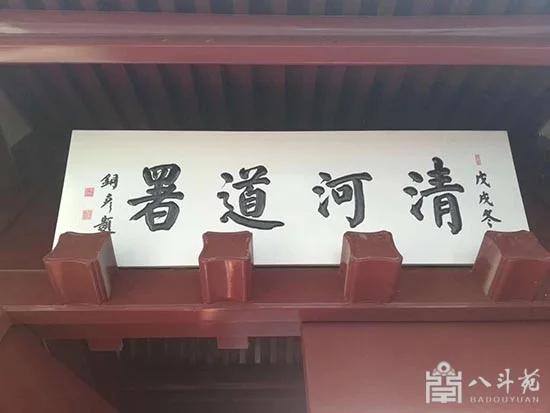
Plaque Calligraphy for Scenic Spots: Culture Meets Travel
Plaque Calligraphy for Scenic Spots: Culture Meets Travel Travelers who visit China’s famous mountains, temples, and gardens often notice something beyond the scenery: elegant boards of calligraphy hanging over gates, halls, and pavilions. Known as paibian (inscribed plaques), these carved inscriptions are one of China’s oldest traditions of public art. In the era of “cultural
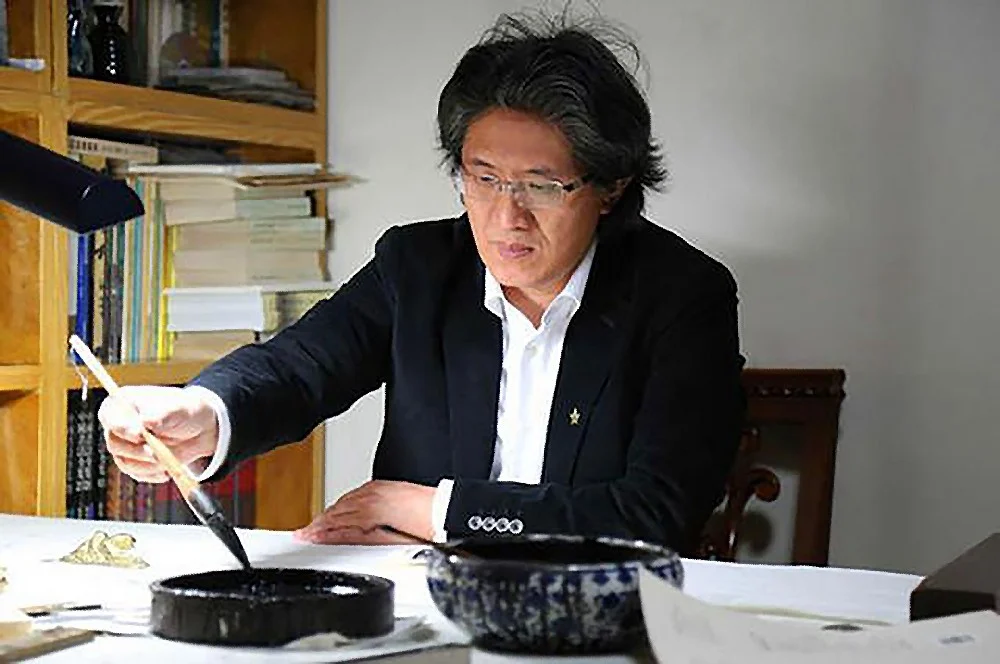
Zheng Xiaohua (郑晓华)
Zheng Xiaohua – Chinese Calligrapher About the Artist Zheng Xiaohua is a rare combination of distinguished calligrapher and leading scholar: a professor and doctoral supervisor, former Secretary-General of the China Calligraphers Association and current Chairman of the China Workers’ Calligraphers Association. His art unites deep academic rigour with refined classical brushwork. Artist Introduction Zheng Xiaohua
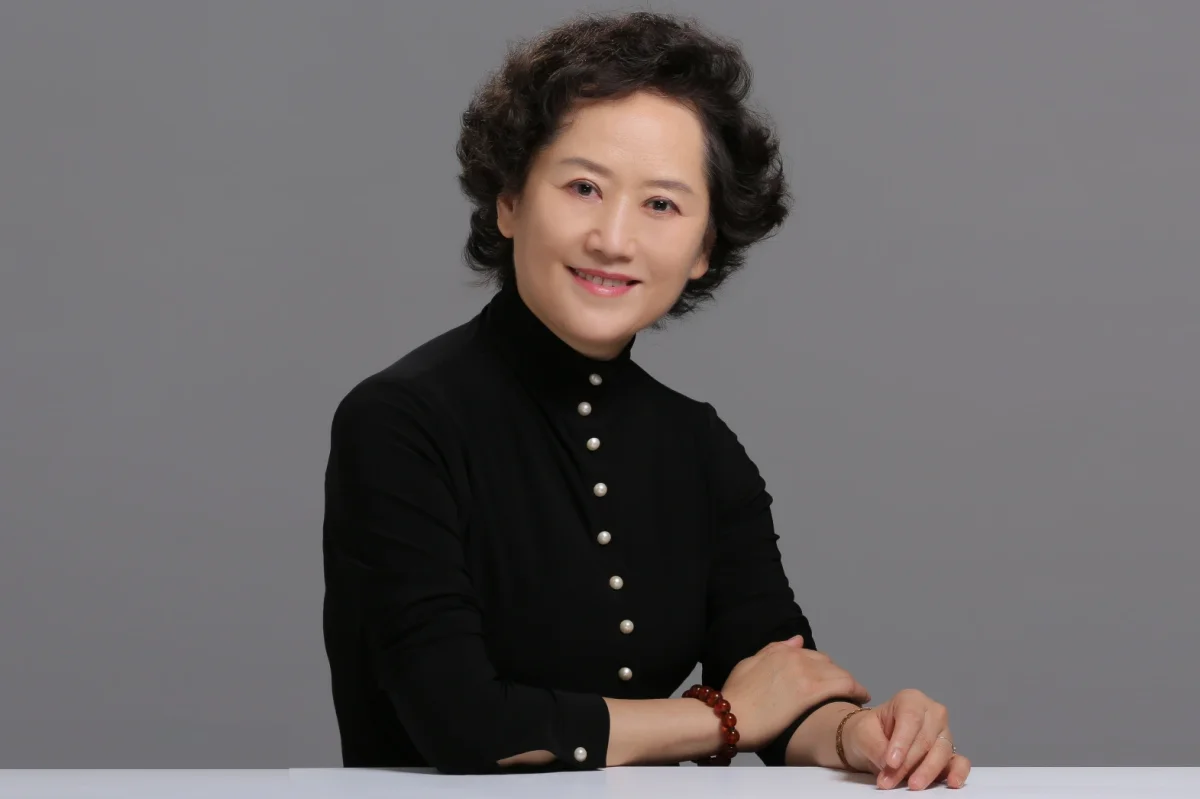
An Wenli (安文丽)
An Wenli – Chinese Calligrapher About the Artist An Wenli is Chairman of the Gansu Provincial Calligraphers Association and a council member of the China Calligraphers Association. As one of the most accomplished female calligraphers in China, she is known for her refined brushwork and for works that have won national awards and entered the
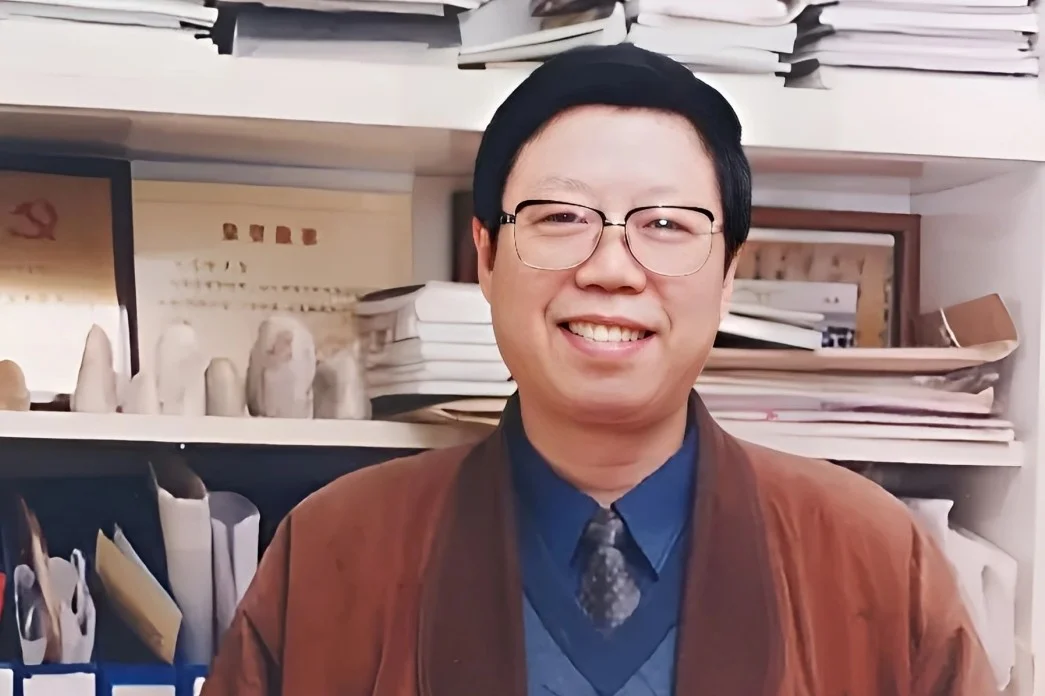
He Changgui (何昌贵)
He Changgui – Chinese Calligrapher About the Artist He Changgui is a council member of the China Calligraphers Association and a leading calligrapher of Heilongjiang Province, admired for his vigorous, free-spirited writing in clerical, seal and running-cursive scripts. His work combines forceful brush energy with an open, contemporary spirit — bold, expansive and distinctly modern.
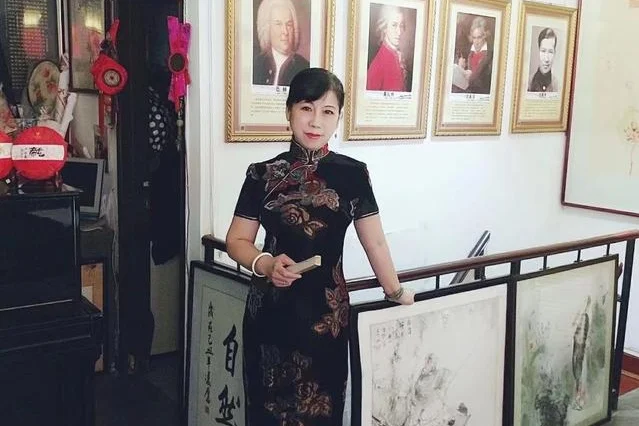
Deng Lingying (邓凌鹰)
Deng Lingying – Chinese Calligrapher About the Artist Deng Lingying is a distinguished contemporary female calligrapher of Manchu royal descent who specialises in clerical script (lishu). Rooted in the classic Han-dynasty stele traditions and refined under masters such as Qi Gong and Liu Bingsen, her writing is elegant, inventive and richly classical — a distinctive
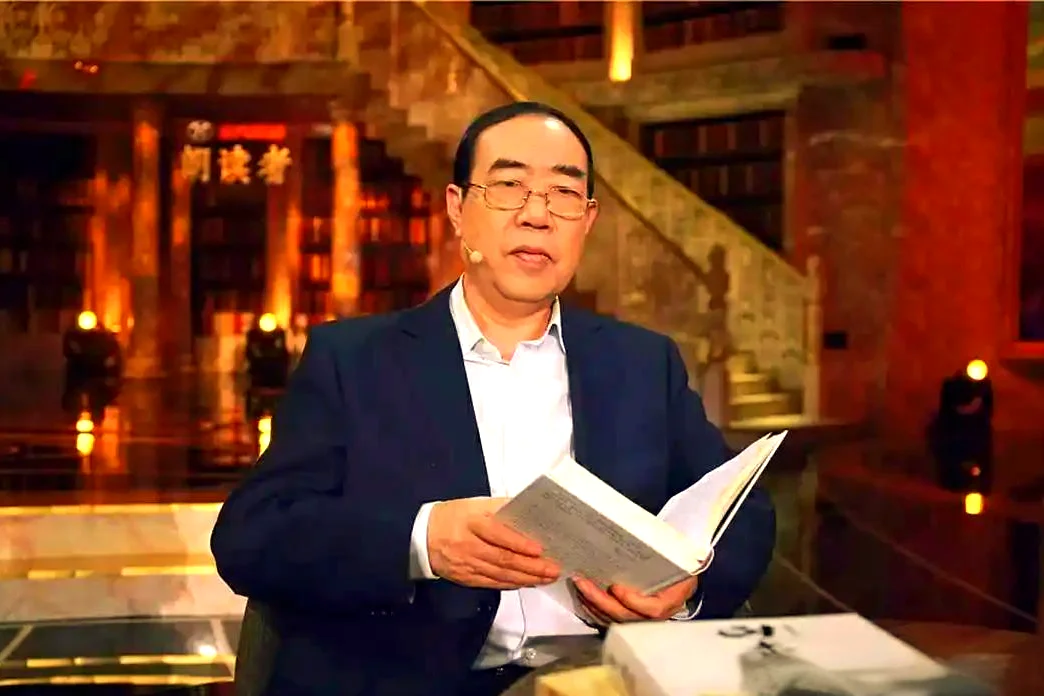
Jia Pingwa (贾平凹)
Jia Pingwa – Chinese Calligrapher About the Artist Jia Pingwa is one of China’s most celebrated living writers — a former Vice-Chairman of the Chinese Writers Association whose literary fame is matched by his distinctive calligraphy. His writing, praised for its bold, rustic and deeply personal character, has made him one of the most sought-after
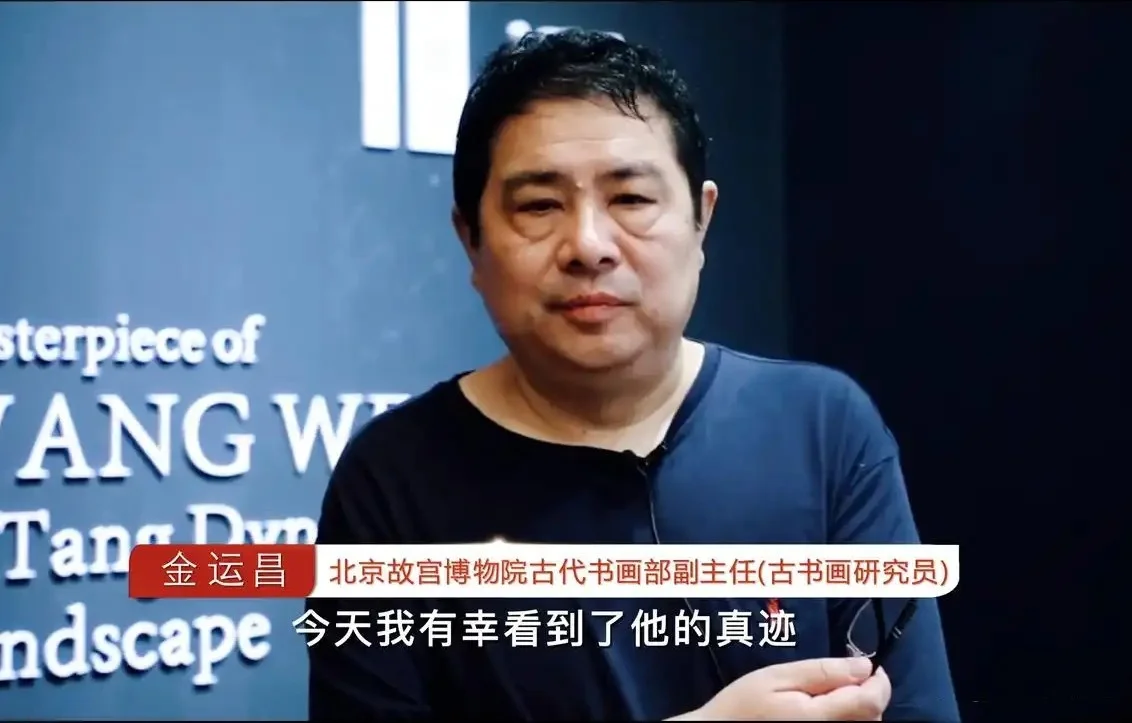
Jin Yunchang (金运昌)
Jin Yunchang – Chinese Calligrapher About the Artist Jin Yunchang is both a distinguished calligrapher and one of China’s foremost connoisseurs of classical painting and calligraphy. A research fellow at the Palace Museum and council member of the China Calligraphers Association, he brings rare scholarly depth and an authoritative eye to every brushstroke — calligraphy
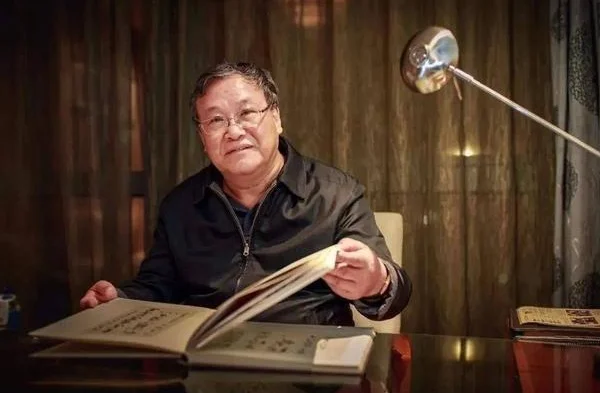
Cao Baolin (曹宝麟)
Cao Baolin – Chinese Calligrapher About the Artist Cao Baolin is a pre-eminent scholar-calligrapher of the “tie xue” (model-book) school, famed for his deep mastery of the style of the Song-dynasty master Mi Fu. Combining rigorous academic research with exquisite brushwork, he represents the highest synthesis of scholarship and art in contemporary Chinese calligraphy. Artist
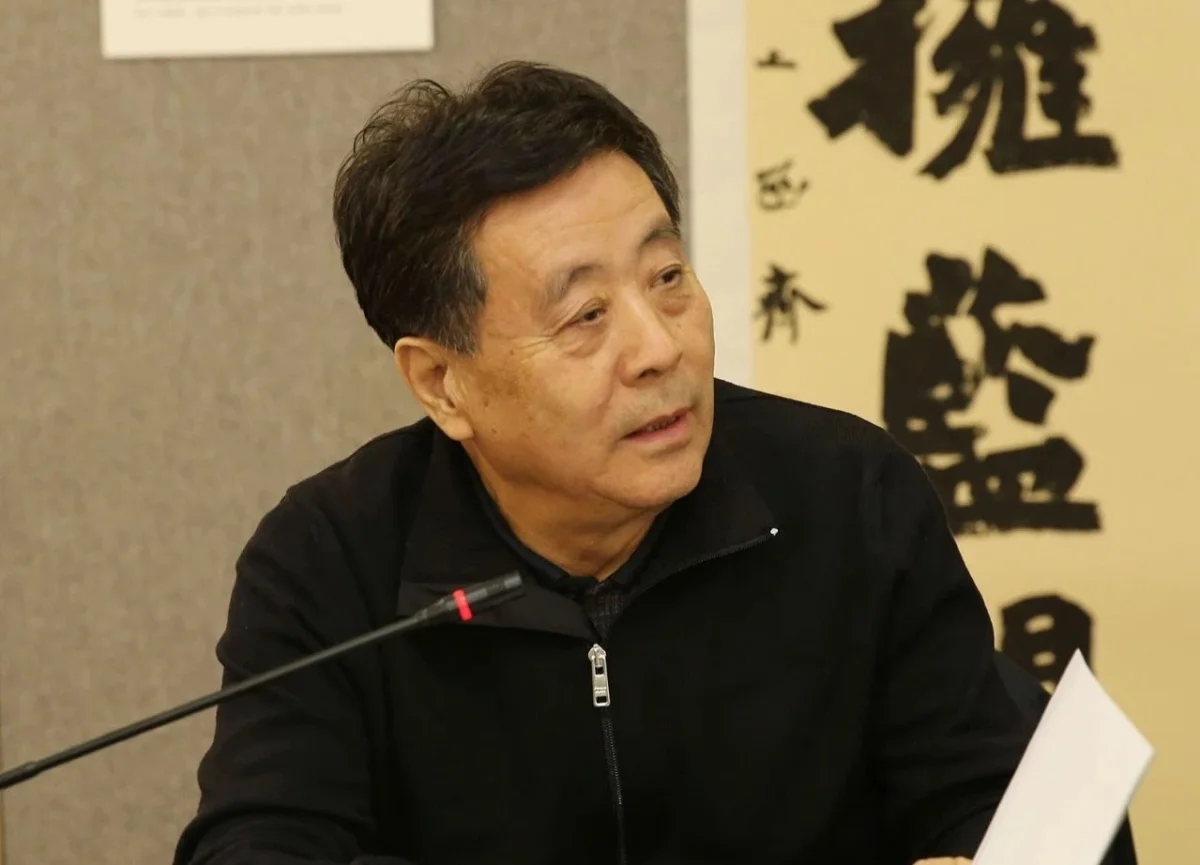
Nie Chengwen (聂成文)
Nie Chengwen – Chinese Calligrapher About the Artist Nie Chengwen is a master of cursive and running script whose works stand out for their precise brushwork, rounded flowing lines and lofty archaic spirit. A former Vice-Chairman of the China Calligraphers Association and current Honorary Chairman of the Liaoning Provincial Calligraphers Association, he represents the bold,
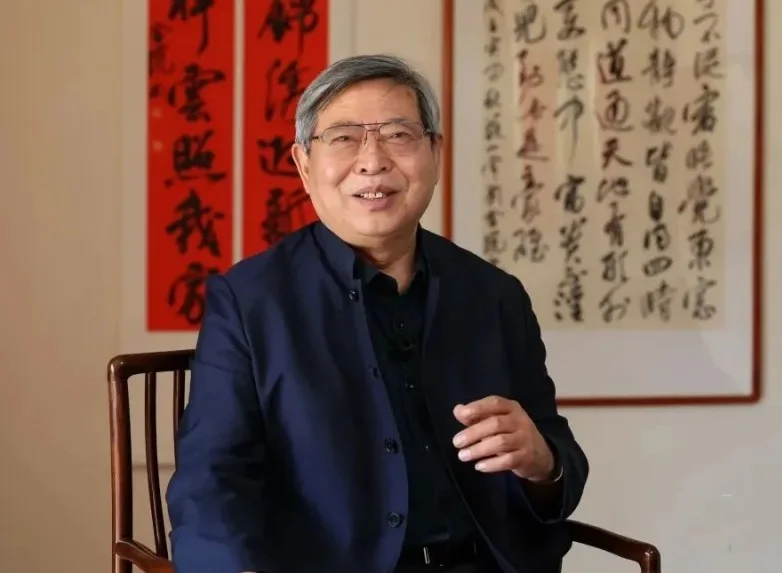
Liu Jinkai (刘金凯)
Liu Jinkai – Chinese Calligrapher About the Artist Liu Jinkai is a leading figure in contemporary Chinese calligraphy, having served as Vice-Chairman of the China Calligraphers Association and as Chairman of the Hebei Provincial Calligraphers Association for a decade. His writing embodies a disciplined classical foundation, a strong sense of contemporary aesthetics, and the scholarly
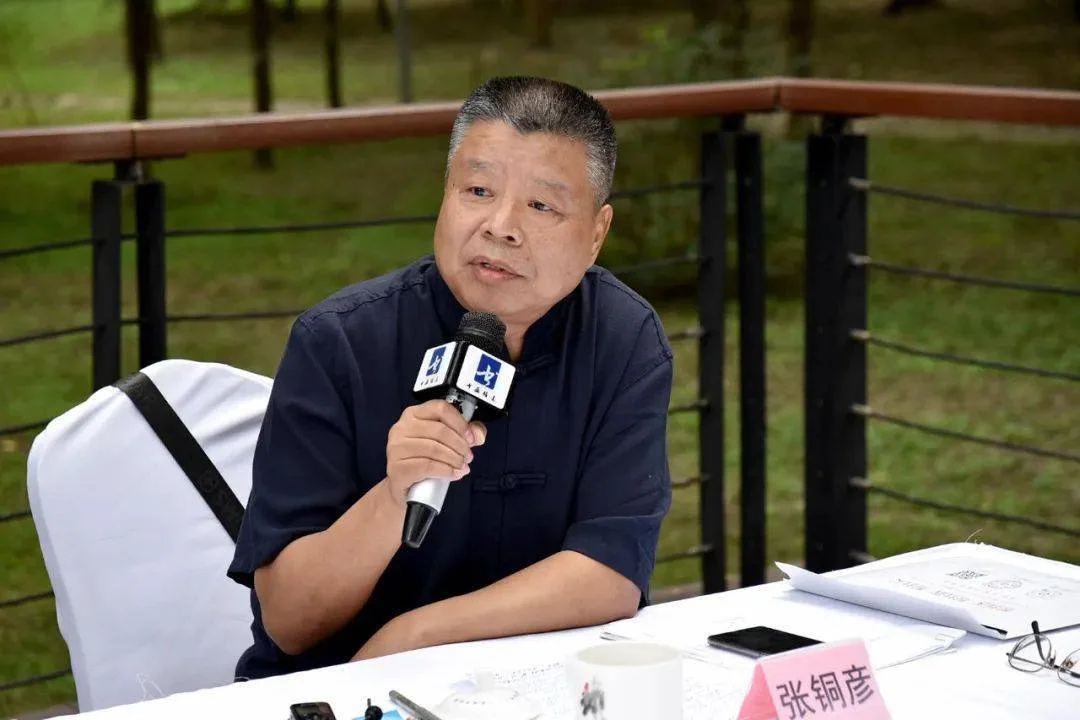
Zhang Tongyan (张铜彦)
Zhang Tongyan – Chinese Calligrapher About the Artist Zhang Tongyan is a versatile calligrapher celebrated above all for clerical script (lishu), running-regular script and Northern Wei stele style. A former council member of the China Calligraphers Association, he combines classical discipline with a style of broad popular appeal — dignified, accessible and deeply rooted in